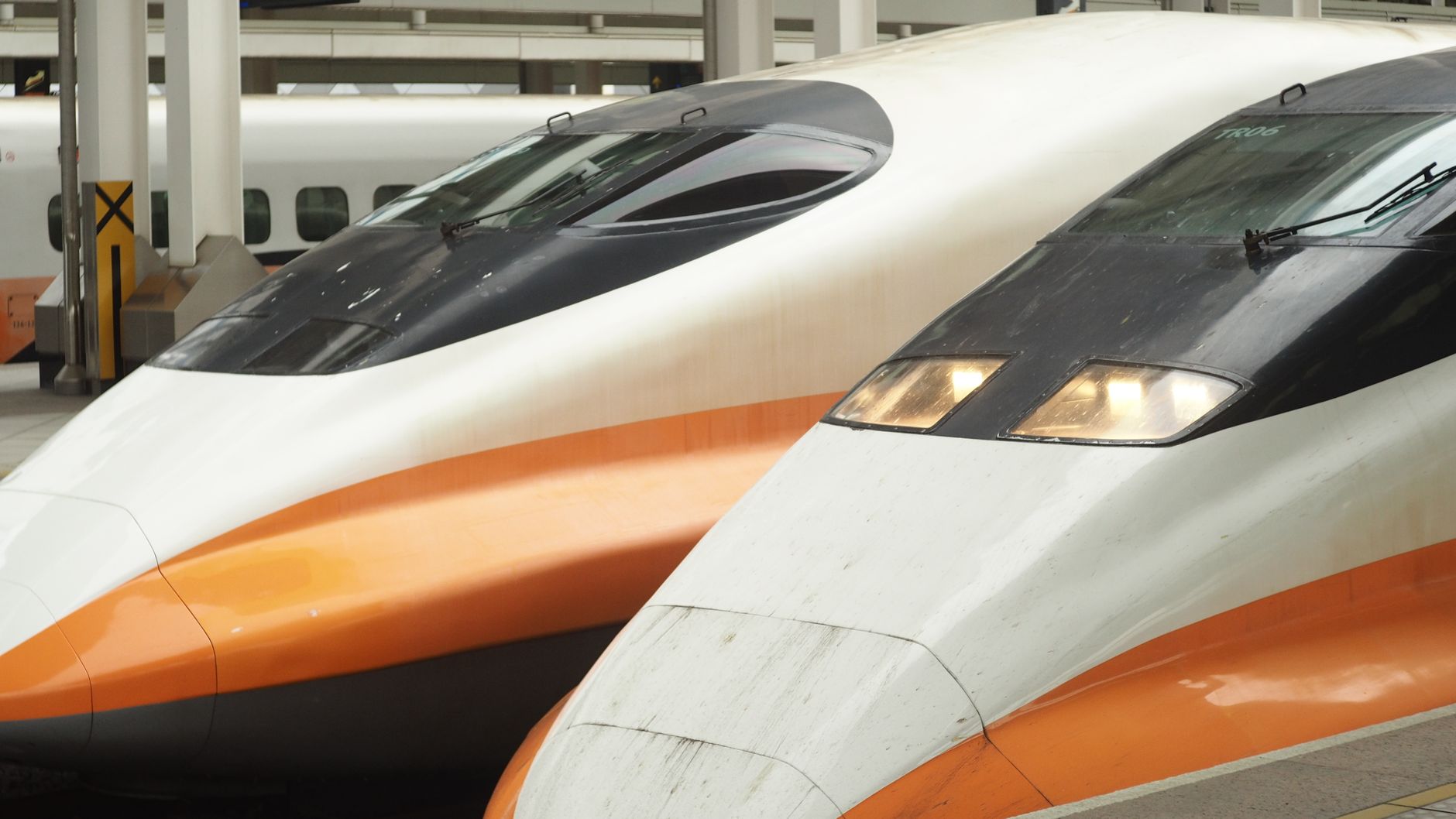
China's high-speed rail network is the largest in the world, with trains that cruise at 350 km/h between major cities, and for many routes it beats flying once you count the time spent getting to airports and through security. But domestic flights still win on some long distances, and the right choice depends on the route, your luggage, and how you like to travel. Here is how to decide, route by route.
The rule of thumb: distance and city-center time
Trains in China connect city-center stations, so the true door-to-door comparison is train journey time versus flight time plus transfers and early check-ins. As a general guide:
- Under 4 hours by train: take the train, almost always.
- 4���6 hours by train: train if the scenery or comfort appeals, flight if you are pressed.
- Over 6 hours by train: consider flying, or break the journey overnight.
The most popular visitor routes illustrate this well. Beijing to Xi'an takes roughly 4.5–5.5 hours by high-speed train against about 2.5 hours in the air — but by the time you add airport transfers both ends, the train is competitive and far more relaxed. Beijing to Shanghai runs about 4.5–5.5 hours by train. Xi'an to Chengdu is around 3–4 hours through the mountains. For a first-trip itinerary built around these legs, see our guide to Beijing, Xi'an and Chengdu as your first three cities.
When the train is the better choice
Comfort and space
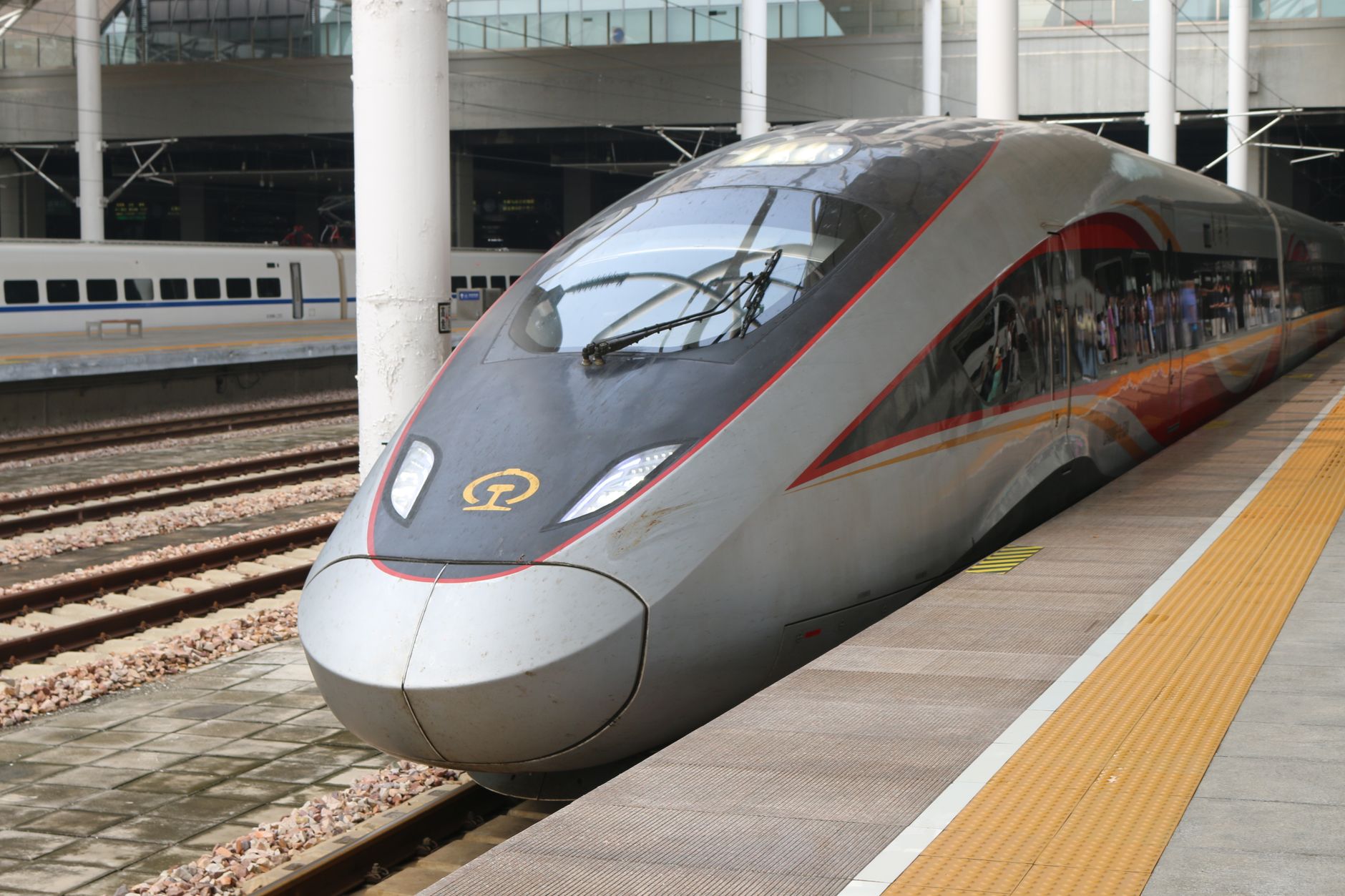
Second-class seats on high-speed trains are comparable to short-haul economy but with more legroom and the freedom to walk around, buy snacks from the food car, and watch the country change outside the window. First class costs more and gives you a wider seat in a 2+2 layout — worth it on legs longer than four hours.
Stations you can actually use
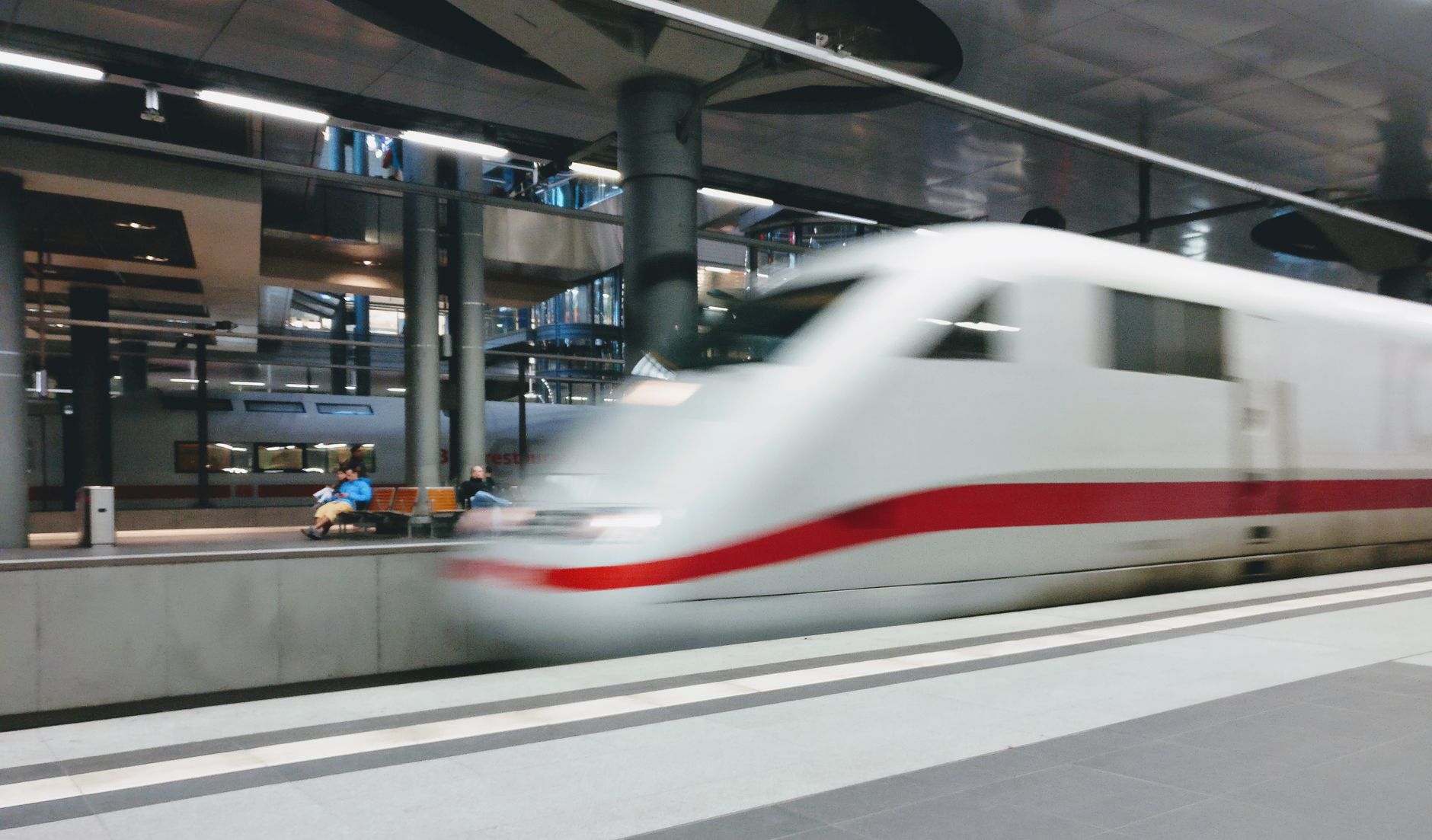
Major stations sit on metro lines in the city center. Arriving 40–50 minutes before departure is normally enough, including ticket and ID checks. Compare that with the two-hour-plus ritual at many airports and the train often saves half a day round trip.
Scenery and stops
The ride itself is part of the experience — rice terraces, river valleys, and the occasional tunnel that pops your ears. Routes like Beijing to Xi'an pass genuinely varied landscape, and regional lines into places such as Guilin and Zhangjiajie deliver some of the best views of the trip.
When flying makes more sense
- Long jumps: Beijing to Guilin, Shanghai to Chengdu, or anything crossing the country saves real hours in the air.
- Tight schedules: if you have 7 days total, one or two flights can buy back a full day of sightseeing.
- Western and southern gateways: some destinations are simply faster to reach by air, particularly from cities without direct high-speed service.
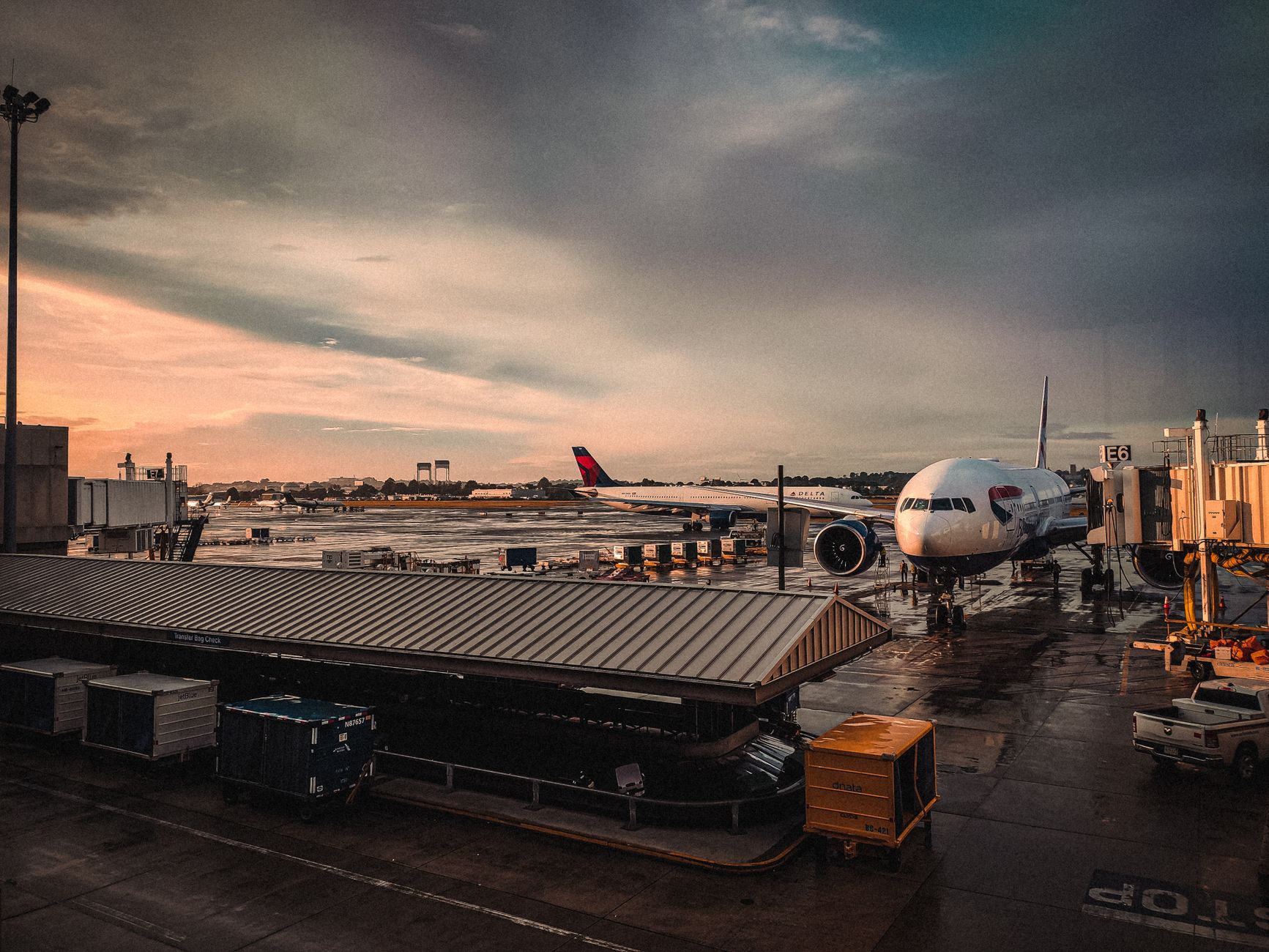
If you fly, remember that Chinese airports are often 30–60 minutes outside the city, so check which airport your flight uses — several cities have two. Arrive two hours early for domestic flights, and keep your passport in your hand luggage: you will show it at check-in, security, and sometimes the gate.
Booking, tickets and IDs
Train tickets can be bought at station counters with a passport, through the official 12306 app and website (which now supports foreign passports), or through major booking platforms. Booking windows open well in advance and popular routes around national holidays sell out, so book as early as your dates are fixed — this matters most in the first week of October and around Chinese New Year.
- Passport details are required for every ticket, and you will show the physical passport at the station.
- Payment by foreign card is supported in more places each year, though a mobile payment app is still the most reliable method — see paying in China.
- Luggage rules on trains are generous compared with airlines; there is no weigh-in at the gate, just a security scan.
Flight tickets are simpler to buy from international booking sites, and prices between major cities are often reasonable if booked a few weeks ahead. Domestic flights also sell out around holidays for the same reason.
Luggage, stations and small realities
Station security is quick — a bag scan and a passport check — but stations are huge, so leave buffer time to find your platform. Signage is bilingual on all major lines. On board, announcements come in Mandarin and English on most trunk routes. Power sockets exist at every seat pair in second class.
One more practical point: connectivity. Mobile networks on trains are good on trunk routes, and you will want your phone set up before departure for tickets, maps, and payment — our guide to staying connected covers that. For packing, a small daypack for the train beats a big suitcase on crowded platforms; see what to pack for China.
How HXXC Travel helps
We plan inter-city transport as part of every customized itinerary, not as an afterthought. Based on your dates, pace, and the travelers in your group, we recommend train or flight for each leg, book the tickets, and time the transfers so nobody is sprinting through a station. Our team in Guangdong replies within one working day and stays reachable during your trip.
Routes and tickets are already built into our set itineraries too — the Golden Triangle — Beijing, Xi'an & Shanghai (10 days, ¥7,200 / $1,000) mixes high-speed rail with one flight to keep the pace comfortable, and the shorter Classic China — Beijing & Shanghai Highlights (8 days, ¥5,760 / $800) is paced around a single rail corridor.
If you would rather not think about timetables at all, send us your dates and we will handle the rest — Plan my China trip.
Related private tours
- Best Of China — 20-Day Private Tour — 20 days
- Grand China Explorer — 15 Days — 15 days · From US$1,500
- Best Tour In China - 19 Days Trip — 19 days · From US$2,896