
You have probably heard that China runs on mobile payments, and it is true: the two apps that matter are Alipay and WeChat Pay, and between them they cover everything from museum tickets to street-side noodles. The good news for visitors is that both apps now accept foreign cards, so you can land, link your card, and pay like a local within minutes. Cash and foreign cards still work in some places, but they are no longer the default, so a little preparation before you fly goes a long way.
This guide walks through setting up mobile payments, when physical cards and cash still make sense, and the small details that catch first-time visitors out.
Set up Alipay or WeChat Pay before you fly
Both Alipay and WeChat support international versions with English interfaces, and both let you link a foreign card issued by major networks such as Visa or Mastercard. Setup takes about ten minutes, which is why we suggest doing it at home rather than in an airport queue.
Step by step
- Download Alipay (or WeChat) from your usual app store.
- Register with your foreign phone number or email.
- Open the payment or wallet section and add your card.
- Complete the card verification, then set a 6-digit payment password.
- Do one small test payment, ideally before departure.
Two practical notes. First, install the app you will actually use — Alipay is the more common single answer for visitors, but many travelers end up with both. Second, small transaction fees may apply to some foreign-card payments, and your own bank may charge for currency conversion, so check your card terms. Payments at small vendors sometimes fail once and succeed on retry; that is normal and not a sign that anything is wrong.
Where cash still works — and where it does not
Contrary to what you may have read, cash has not disappeared. Supermarkets, hotels, larger restaurants, and banks all accept yuan notes, and vendors are legally required to take cash. That said, some street stalls and vending machines are genuinely cash-free, and staff at a busy lunch counter may prefer a scan simply because it is faster.
- Carry a modest amount of cash — a few hundred yuan is plenty for most trips — rather than none.
- Withdraw yuan from bank ATMs using your foreign debit card; airport and hotel ATMs usually work too, but fees vary.
- Keep some small notes for taxis in older cities, markets, and tipping-style situations such as a porter at a small guesthouse.
Payment is rarely a real problem in China today — it is the one thing worth rehearsing at home so that your first hour in the country is smooth.
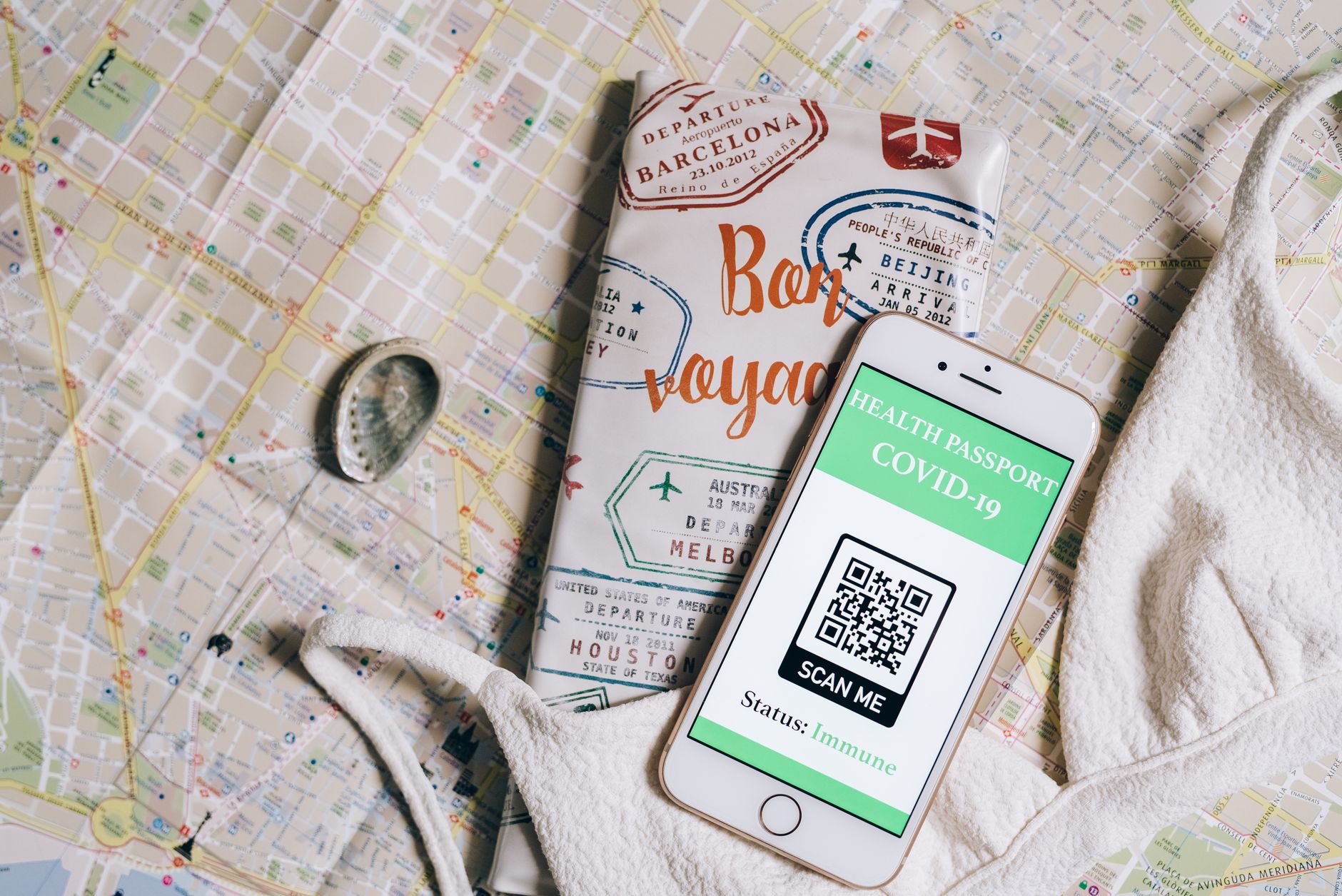
What mobile payments actually cover
Once your app is set up, you will be surprised by the range. Scanning a QR code is how locals pay for nearly everything, and visitors can do the same:
- Meals and street food: from hotpot banquets to a 5-yuan skewer.
- Transport: metro gates, buses, and most taxi rides, though cash is also accepted in licensed taxis.
- Attractions: many parks and museums sell tickets through mini-programs inside the payment apps.
- Shopping: markets, malls, and convenience stores.
Foreign passports complicate a few things, such as booking some high-speed rail tickets or accessing certain attractions that verify a local ID. When an app asks for passport details, have your passport number handy — you will need it in exactly the same way you do for arrival forms, which we cover in what to expect on arrival.
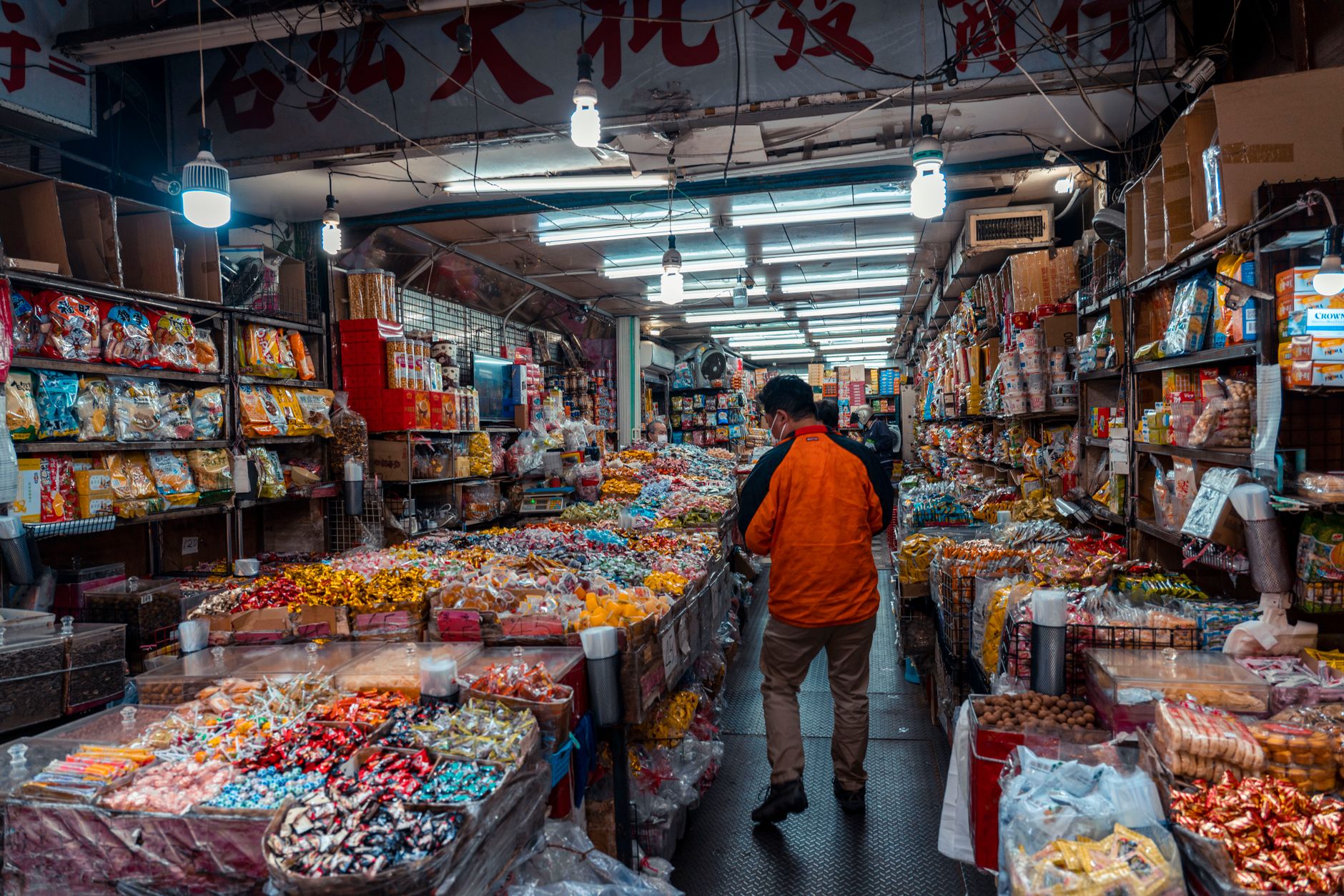
Budgeting and money habits that help
Prices in China are lower than most visitors expect. A filling noodle lunch might cost 20–40 yuan, a metro ride 3–7 yuan, and a mid-range dinner with drinks 150–300 yuan for two. Mobile apps show everything in yuan, so it is worth knowing your rough conversion rate before you travel — you will spend more freely and judge value better.
A few habits worth borrowing from locals:
- Check each payment notification as it arrives; disputes are easiest right away.
- Keep your payment app pinned or on your home screen — you will open it many times a day.
- If one app fails, try the other. Between Alipay and WeChat Pay, one almost always works.
Getting around between cities costs more than daily spending, and that is where most of your budget goes. If you are weighing trains against planes for those long legs, our guide to high-speed trains or domestic flights compares them route by route. And once payments and connectivity are sorted — see staying connected — the practical side of a first trip is largely done.

How HXXC Travel helps
Money is one of the five or six practical questions every traveler asks us, and we answer it before you fly. When you book a private, customized itinerary with HXXC Travel, we send a pre-departure briefing that covers mobile payment setup, how much cash to carry, and what to do if a payment fails — plus the exact apps worth installing for your specific route. Our local team in Guangdong answers within one working day, before and during your trip.
For a first visit, many travelers start with our Classic China — Beijing & Shanghai Highlights (8 days, ¥5,760 / $800) or the longer Golden Triangle — Beijing, Xi'an & Shanghai (10 days, ¥7,200 / $1,000). Both include airport pickups and guided days, so payments, tickets, and restaurants are handled for you.
Tell us your dates and interests and we will shape a plan around them — Plan my China trip takes less than a minute to start.
Related private tours
- Best Of China — 20-Day Private Tour — 20 days
- Golden Triangle — Beijing, Xi'an & Shanghai — 10 days · From US$1,000
- Imperial China Family Grand Tour — 17 Days with Disneyland — 17 days