Most trips to China run smoothly without anyone explaining the etiquette. Still, a few small moments come up again and again — the tea someone pours you at dinner, the silent hall behind a temple gate, the fight over who pays the bill. Knowing what locals actually expect in these moments takes a little anxiety out of the trip, and often earns you a warmer welcome.
The good news: expectations are modest. Nobody grades your chopstick technique. What locals notice is effort and consideration, not perfection. Here is what those moments look like in practice.
Tea houses: how the ritual works without being a ritual
Tea houses range from simple neighborhood spots to quiet rooms where an attendant brews for you at the table. Either way, you do not need to know the vocabulary of tea ceremony to enjoy one. A few pointers help:
- You are paying for time and space. Many tea houses charge per seat or per pot, and lingering is the point. An hour or two over one pot is completely normal.
- Watch how refills work. In casual places you refill your own cup from the pot; in more formal settings the server keeps your cup full. Leaving your cup mostly full signals you have had enough — an empty cup invites a refill.
- The finger tap. When someone pours tea for you, tapping two bent fingers lightly on the table is a quiet "thank you." It comes from a folk story about a traveling emperor, and nobody expects you to know the history — just the gesture.
- Taste before you dress it. Most teas are meant to be drunk plain. Sugar is not the custom, and asking for it is fine but rarely offered.
If you want a gentler introduction to Chinese food culture before the tea comes out, our beginner's guide to dim sum covers the other half of the tradition — the teahouse culture of Guangdong, where tea and small dishes go together.
Temples: what respectful looks like in practice
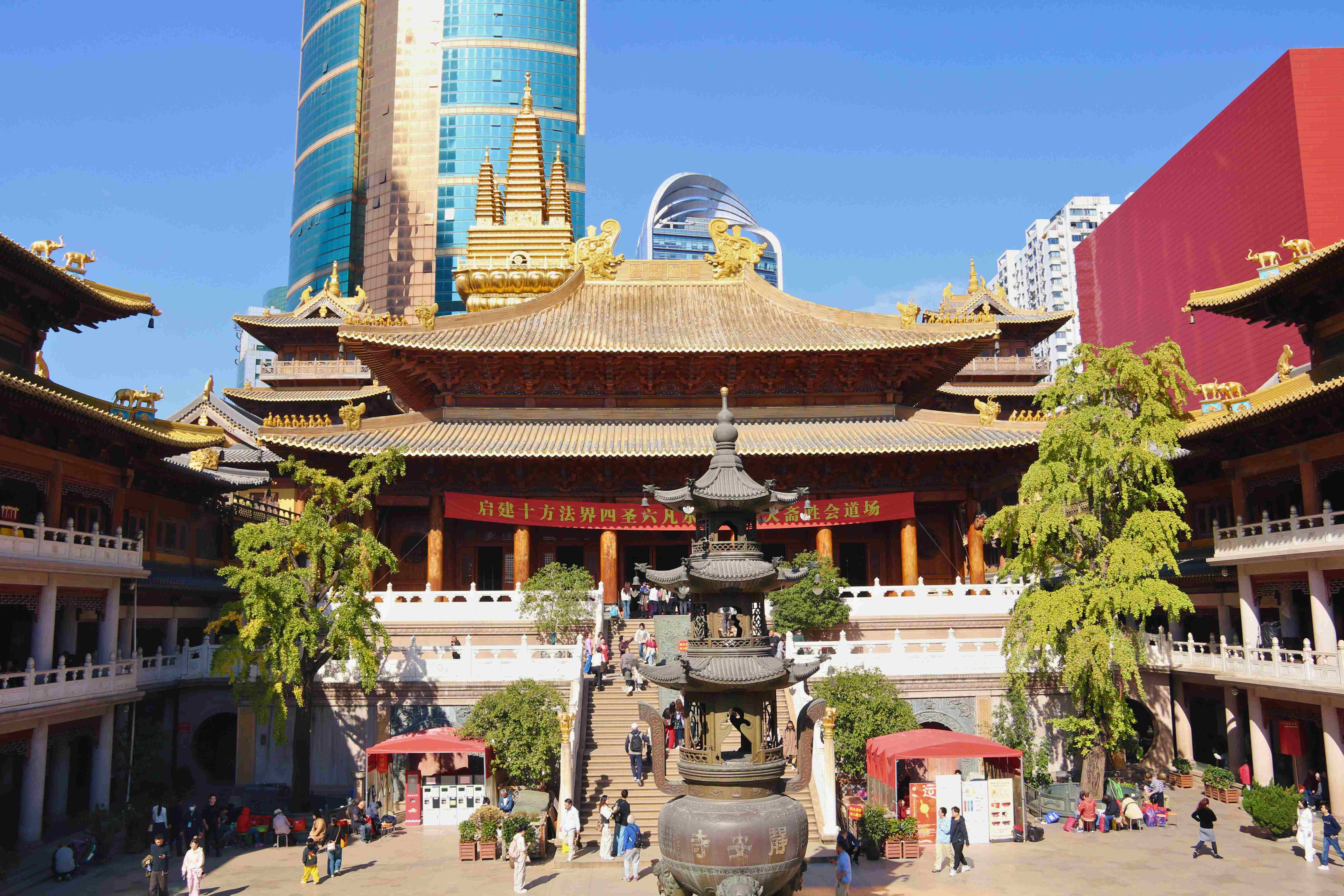
China's Buddhist and Taoist temples are working places of worship, not just photo stops, but visitors are genuinely welcome. Locals mostly expect common-sense courtesy:
- Keep your voice low in halls and courtyards, especially where people are praying or burning incense.
- Ask before photographing people. The buildings are usually fine; worshippers in prayer are not photo props. Some halls also post "no photography" signs near certain statues — follow them.
- Mind the thresholds. Old wooden door sills at temple entrances can be high, and stepping directly on the middle of the threshold is considered disrespectful. Step over it.
- Dress moderately. There is no strict code like in some religious sites, but covering shoulders and avoiding beachwear shows respect and never looks out of place.
- Incense is optional. You may be offered incense to light. Participating or not are both fine — if you do light some, light it from the main burner rather than another person's incense.
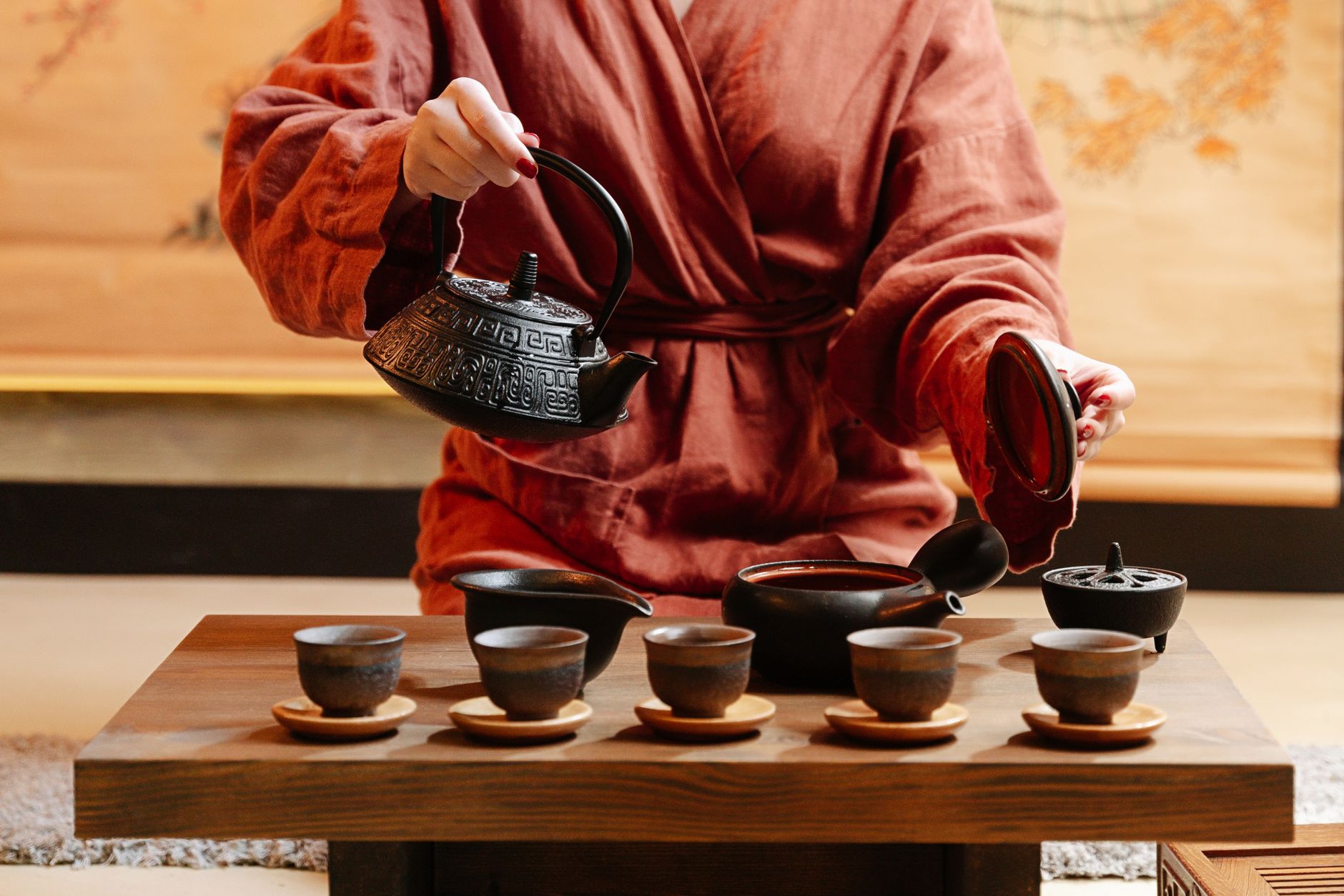
Table manners: fewer rules than you fear
A Chinese dinner table is shared — dishes arrive in the middle and everyone helps themselves. That single fact explains most of the etiquette. What actually matters:
- Serve others first. Taking a piece of food and placing it on the plate of someone older or a guest is a gesture of welcome. If someone does it for you, accept it — you can quietly leave the piece on your plate if you would rather not eat it.
- Do not stab or rummage. Take food from the side of the dish nearest you rather than digging through the plate. Using serving chopsticks (often provided) when they are on the table is appreciated.
- Never stick chopsticks upright in rice. It resembles incense at a funeral, so it is the one real taboo. Rest them across your bowl or on the chopstick rest instead.
- The bill fight is a compliment. When friends dine together, the scramble to pay is a genuine custom, not theater. As a guest you will usually "lose" — the polite move is to offer once or twice, thank them warmly, and pick up the next round of tea or coffee.
- Toasting works for everyone. You do not need alcohol. Raising your tea or soft drink and clinking glasses — with your rim slightly lower than an elder's, if you want to be precise — covers the custom.
For the practical side of the meal — what to order, how shared dishes work, and handling dietary needs — see eating well in China. And if you are worried about paying your share, paying in China explains how mobile payment works for visitors.

The moments people actually remember
Worry less about rules and more about the few signals that matter: thanking the person who pours your tea, lowering your voice behind a temple gate, letting a host treat you graciously. Travelers who make that small effort consistently report warmer interactions — invitations to try more dishes, patient answers to questions, shopkeepers who chat rather than just sell.
One last practical note: etiquette questions are exactly the kind of thing a local guide quietly handles for you. You are never left wondering whether to tap the table or step over the threshold, because someone who grew up with these customs is beside you.

How HXXC Travel helps
HXXC Travel builds private, customized itineraries for international visitors, and every route we design leaves room for exactly these kinds of moments — an unhurried afternoon in a Chengdu teahouse, a quiet temple early in the morning before the crowds, a dinner where your guide explains the toasting order before it starts. You travel with local knowledge built in, not as an afterthought.
Our team is based in Guangdong, so the Cantonese side of this culture — dim sum mornings, tea culture, the rhythm of southern city life — is home ground. Travelers who want to go deeper might pair this with our Chengdu Pandas & Chongqing Cyberpunk journey, which spends time in Sichuan's famously relaxed teahouse culture, or the Golden Triangle route through Beijing, Xi'an and Shanghai, where temple visits and banquet dinners come standard.
Tell us how you like to travel — how much ritual, how much flexibility — and we will shape the itinerary around it. Send us your dates through our contact page and we will reply within one working day with a first draft. Plan my China trip with a team that handles the small things, so you can simply enjoy the table.
Related private tours
- Chengdu Pandas & Ancient Waterworks — 4 Days — 4 days
- Best Tour In China - 19 Days Trip — 19 days · From US$2,896
- Six Cities, One China — 15-Day Family Circuit — 15 days