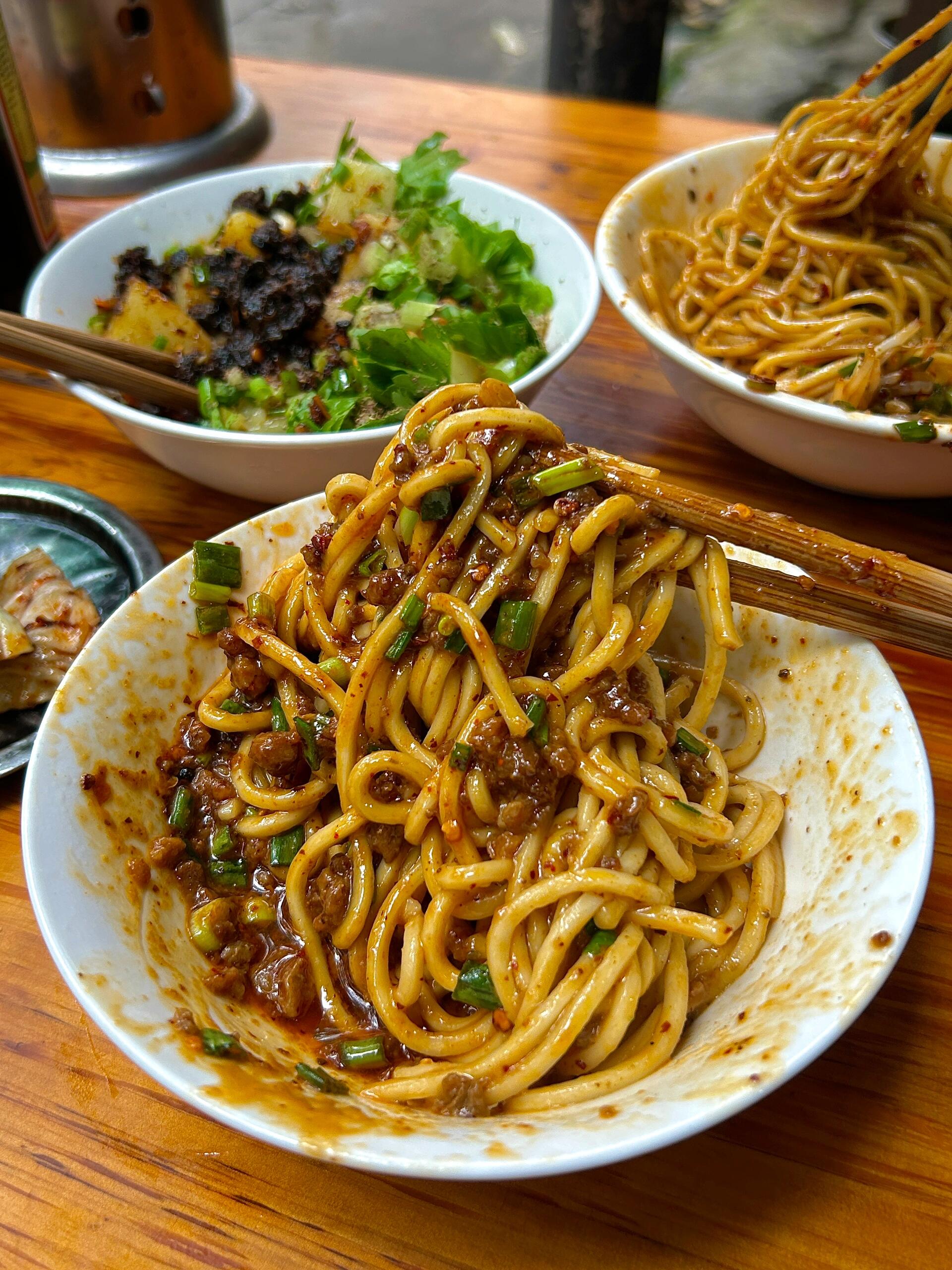
China is one of the few countries where you can eat a different regional cuisine every day for two weeks and barely repeat a dish. The challenge for visitors is not finding good food — it is knowing what to order, how sharing works, and how to handle dietary needs in a language you may not speak. This guide covers the regional dishes worth building a trip around, the rhythm of a Chinese meal, and the practical questions worth asking your guide before you sit down.
The regional map: what to eat where
Chinese cuisine is organized by region, and the differences are bigger than most visitors expect. A few anchors:
Beijing and the north
Wheat country. Peking duck with thin pancakes, hand-pulled noodles, dumplings (jiaozi), and hearty stews. Northern food is saltier and less sweet than the south, and portions run generous.
Sichuan and Chongqing
The famous fire. Sichuan peppercorn brings a numbing tingle (mala) alongside chili heat — hotpot, mapo tofu, kung pao chicken, dan dan noodles. Chongqing's version is even bolder. If you want spice but not maximum spice, ask for wei la (mildly spicy); kitchens can dial it down.
Guangdong and the south
The most visitor-friendly palate: subtle, fresh, seafood-forward. Cantonese dim sum, roast meats, steamed fish, slow-cooked soups. This is the cuisine that shaped Chinese food abroad, and eating it in Guangzhou is a revelation — see dim sum for beginners if it is on your route.
Shanghai and the east
Sweeter, saucier cooking: xiaolongbao soup dumplings, braised pork belly (hong shao rou), river shrimp, and drunken chicken. Jiangnan food rewards slow lunches.
Yunnan and the southwest
Crossing-the-bridge rice noodles, mushroom hotpot in season, and flavors influenced by Southeast Asia. Mild, herby, and full of ingredients you will not find elsewhere — a highlight of any Yunnan itinerary.
How a Chinese meal works
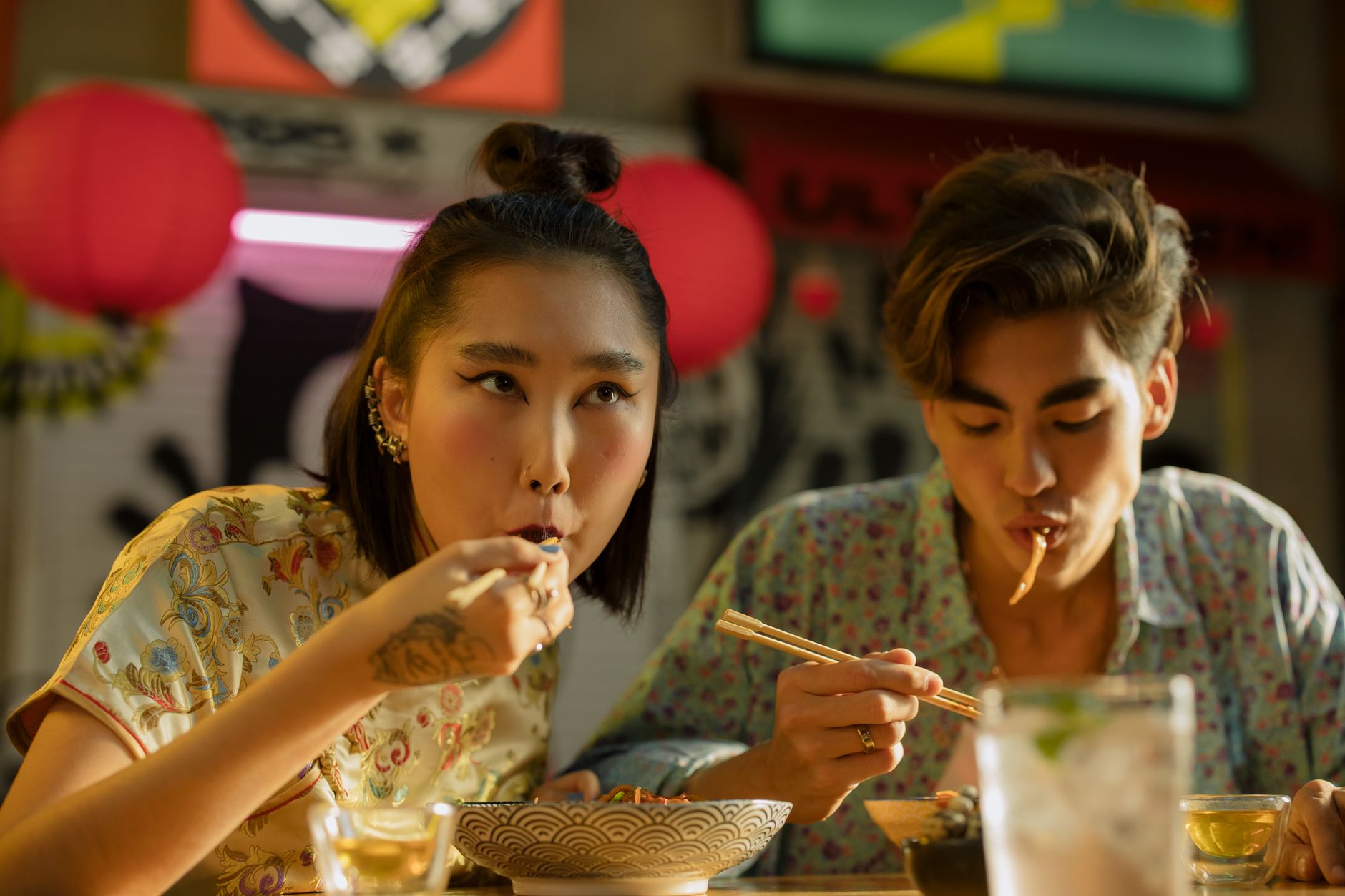
Ordering is collective. Dishes arrive in the middle of the table as they are ready, everyone shares, and rice or noodles arrive alongside rather than as the main event. The practical translation for visitors:
- Order one dish per person, plus one. Four people means five dishes, mixing one meat, one vegetable, one tofu or egg, and one signature dish.
- Soup comes mid-meal in many regions, not as a starter.
- Serving chopsticks are increasingly common; use them or the clean end of your own to serve yourself.
- Tea and hot water are the default drinks. Cold water is available on request; ice is less common.
- Do not finish everything down to the last bite if you are a guest — leaving a little signals you were satisfied, though this is a soft rule, not an offense.
The broader etiquette — tea pouring, toasting, seating order — is covered in tea houses, temples and table manners.
Handling dietary needs
China can be genuinely difficult for some diets, so prepare rather than hope. Vegetarian food exists everywhere — Buddhist temple cooking is a long tradition — but dishes you assume are vegetable-only may contain pork fat, chicken stock, or minced meat in the sauce.
- Learn one or two phrases or keep them written in Chinese: "I am vegetarian" (wo chi su), "no meat" (bu yao rou), "no peanuts" for allergy concerns.
- Severe allergies deserve a translated card stating the allergy clearly, since "nut" alone can be ambiguous between peanuts and tree nuts.
- Halal food is widely available in cities with Hui or Uyghur communities; look for the character qingzhen.
- Gluten-free is the hardest request — soy sauce and wheat noodles are everywhere — so plan those meals rather than improvising.
This is exactly where a guide earns their keep: they can ask the kitchen what is actually in a dish, steer you to the right restaurant for your diet, and order with confidence on your behalf.
Questions worth asking your guide
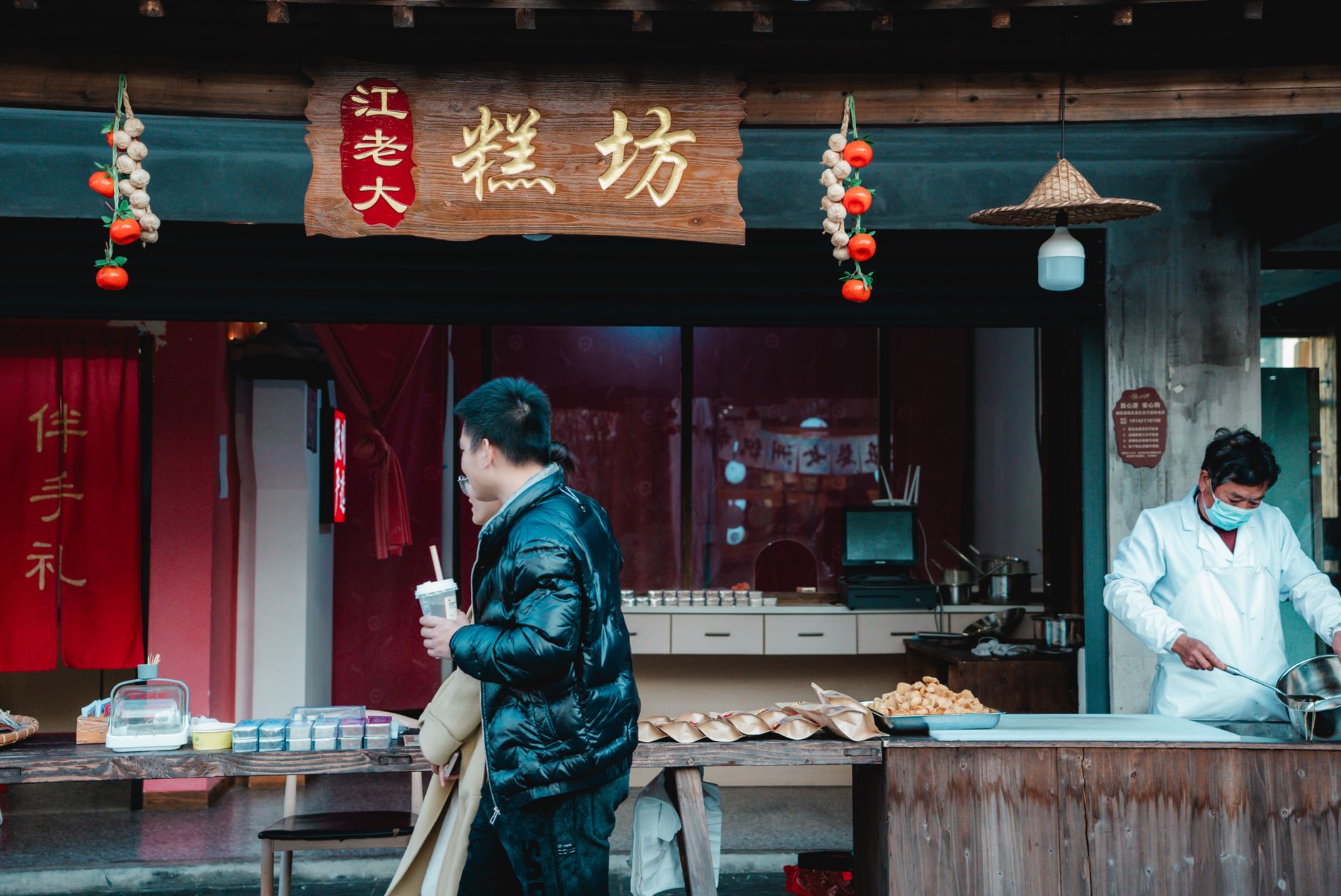
- Where do you actually eat on your day off? The best recommendations rarely come from tourist streets.
- Which one dish is this city known for, and where is the honest version of it?
- How spicy is the local default, and can every kitchen adjust it?
- What should I skip? Every region has tourist traps as well as treasures.
Food stops are built into the way we plan routes in the first place — a Chengdu day should end at a hotpot table, and a Xi'an visit is incomplete without the Muslim Quarter's noodle stalls. Our Chengdu Pandas & Chongqing Cyberpunk itinerary (5 days, ¥3,600 / $500) is a good example, pairing pandas with two of China's great eating cities, and the Xi'an Ancient Capital short break puts the Terracotta Warriors and the city's street food in one trip.
How HXXC Travel helps
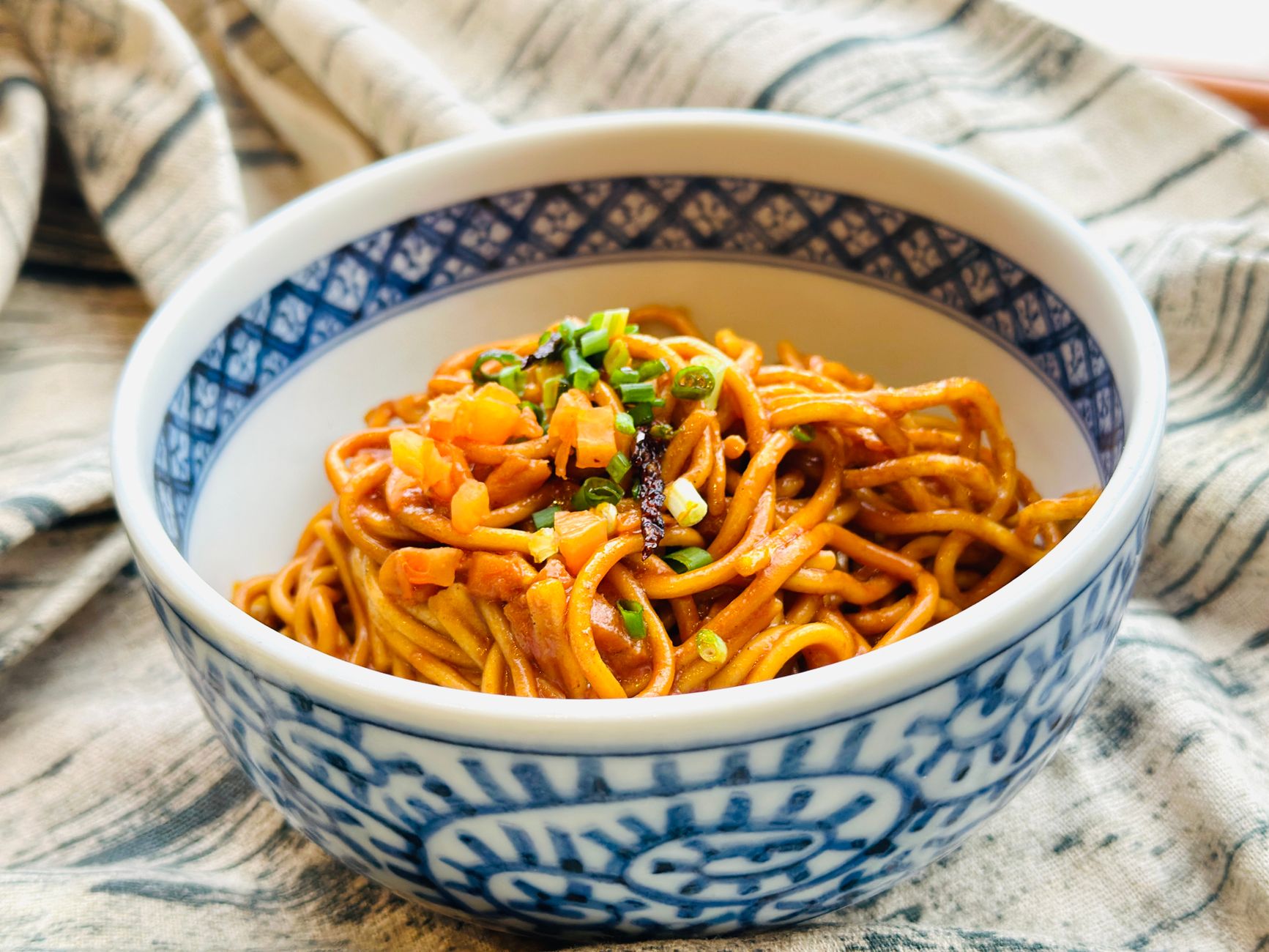
We plan meals the way we plan everything else: around you. Every customized itinerary from HXXC Travel includes restaurant choices matched to your tastes and dietary needs, with your guide handling ordering and translation at every table. Tell us what you love to eat — or what you cannot eat — and the route follows. Our local team in Guangdong replies within one working day, and the food capital advantage is real: our home city is where many of China's best eating traditions live.
Whether you want a first-timer's classics tour or a route built entirely around regional food, start with Plan my China trip and we will map it out with you.
Related private tours
- Xi'an Ancient Capital — Terracotta Warriors & Tang Dynasty Nights — 3 days
- Best Tour In China - 19 Days Trip — 19 days · From US$2,896
- Six Cities, One China — 15-Day Family Circuit — 15 days