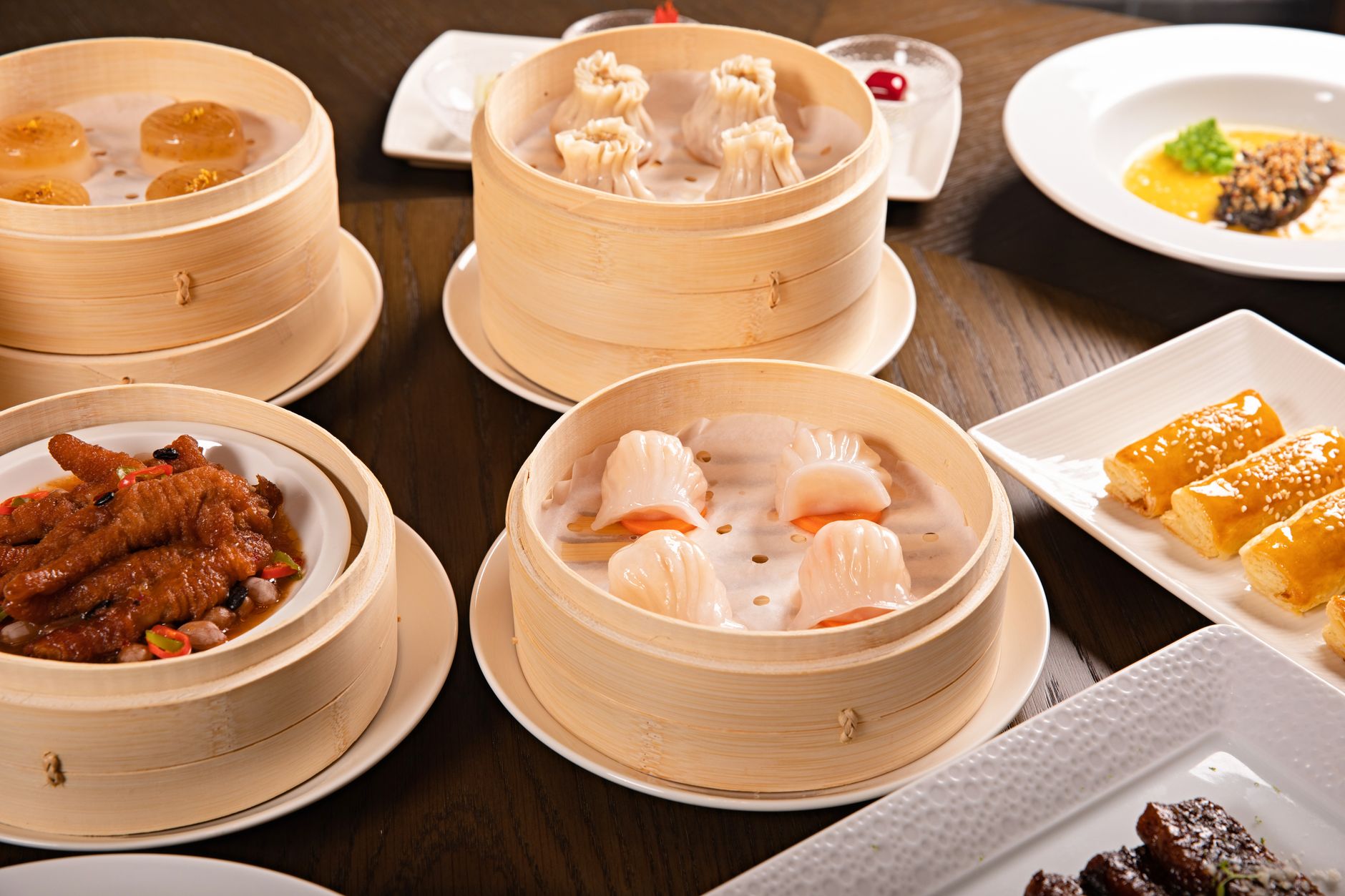
Dim sum — or yum cha, as Cantonese speakers say — is one of the great travel meals: small dishes, hot tea, and a table that fills up over a slow morning. The hard part is not the food, it is the system. Trolleys, order sheets, tea rituals, and a menu of dishes whose English names do not always help. This guide explains how it all works, which dishes to look for, and the small habits that will have you eating like a regular by your second visit.
Guangzhou is the home of dim sum, and the tradition runs strongest across Guangdong and Hong Kong, though good Cantonese restaurants serve it in every major Chinese city. If your itinerary includes Guangzhou, you are eating at the source — see Guangzhou and Shenzhen for what else the city offers.
How a dim sum restaurant actually works
Trolleys, order sheets, or both
Traditional restaurants send steaming trolleys through the dining room. You flag one down, point at what looks good, and the server stamps a card at your table to record what you took. At the end, the card is your bill. Newer places often use an order sheet — you tick dishes on a paper menu — or a QR code on the table. If you are unsure, look around: the system in use will be obvious from what other tables are doing, and staff are used to visitors.
Tea comes first
Seat yourself if there is no host, and tea will usually arrive automatically. You may be asked which tea you want; pu'er and chrysanthemum are safe, gentle choices. Pour for your companions before yourself, and if someone pours for you, tap two bent fingers on the table — that gesture means thank you and will earn you a smile. When the teapot needs refilling, leave the lid open or propped up and staff will bring hot water.
Going early matters
Dim sum is a morning meal by tradition — locals start around 8 to 10 a.m. and linger over tea and newspapers until lunch. Restaurants are liveliest on weekends, when families turn out in force. Go early for the full menu and shorter waits; by mid-afternoon many places stop the steamers entirely.
The dishes worth knowing
You do not need to memorize a menu. Learn these names, point confidently, and fill in the gaps with whatever looks good on the trolley:
- Har gow — translucent shrimp dumplings, the benchmark of any dim sum kitchen.
- Siu mai — open-topped pork and shrimp dumplings topped with roe or carrot.
- Char siu bao — fluffy white steamed buns filled with sweet barbecued pork.
- Cheung fun — silky rice noodle rolls, filled with shrimp or beef, served with sweet soy sauce.
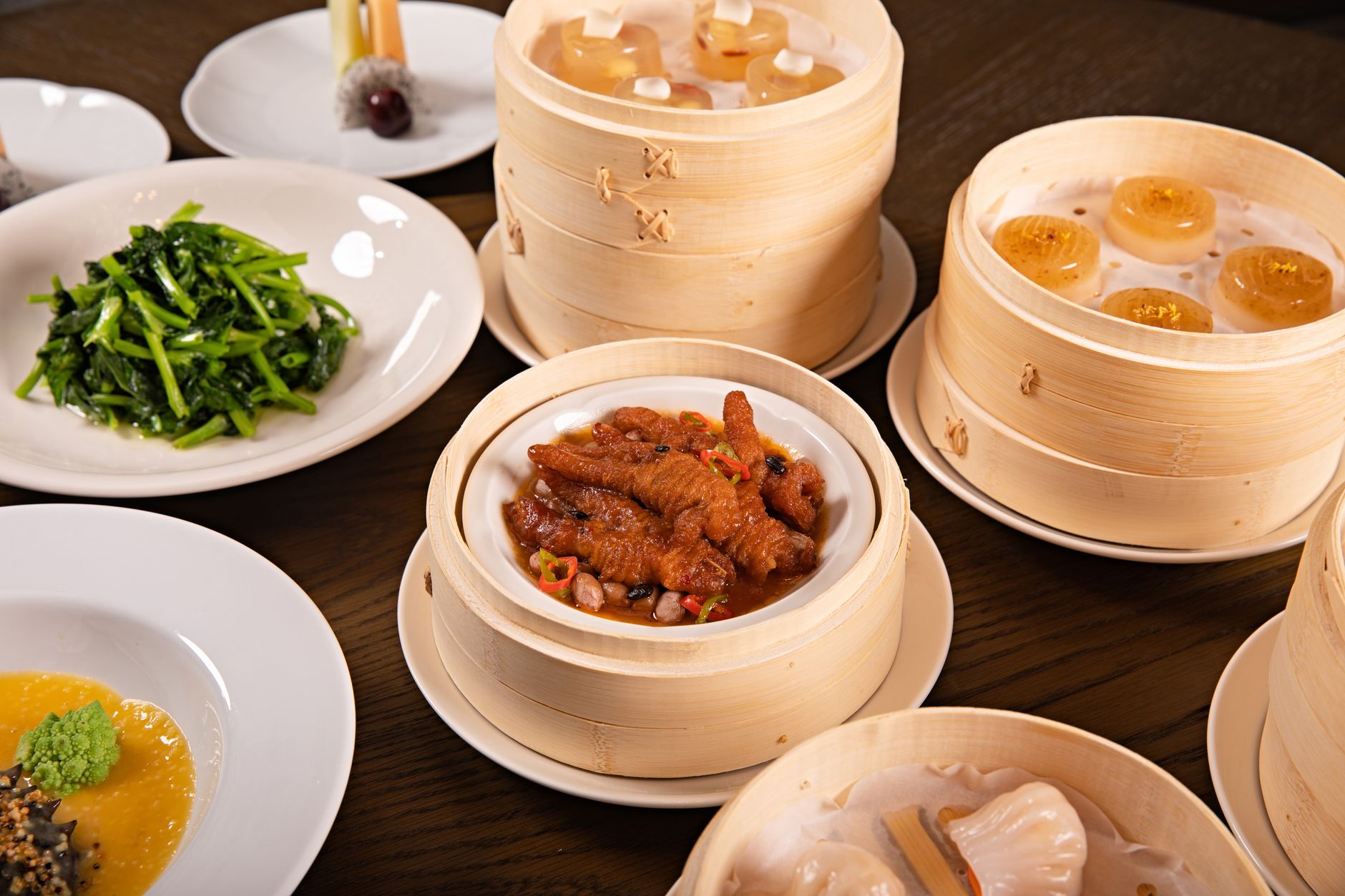
- Feng zhao — braised chicken feet, gelatinous and deeply savory; the classic test of an adventurous eater.
- Dan tat — egg tarts with flaky pastry and warm custard, the traditional finish.
Beyond the classics, expect congee, pan-fried turnip cake, spring rolls, and seasonal vegetables in oyster sauce. A good rule for two people: pick four to six dishes to start, then order more as you go. Nobody rushes you, and the table is meant to keep filling.
Eating like a regular
- Order for the table and share everything; dishes arrive as they are ready, not in courses.
- Use the serving spoon or the back end of your chopsticks to move food to your own plate.
- Do not stick chopsticks upright in your rice bowl — it resembles funeral incense and is considered unlucky.
- Start mild. Har gow and cheung fun are gentle; save the spicier or more unusual items for round two.
- If a dish is running low, do not finish the last piece without offering it around first.
For more on the etiquette moments that come up at Chinese tables — tea, toasting, seating — our guide to tea houses, temples and table manners covers them in one place. And once you have the hang of Cantonese food, our broader guide to eating well across China will take you from dim sum to the rest of the country's regional kitchens.
What dim sum costs
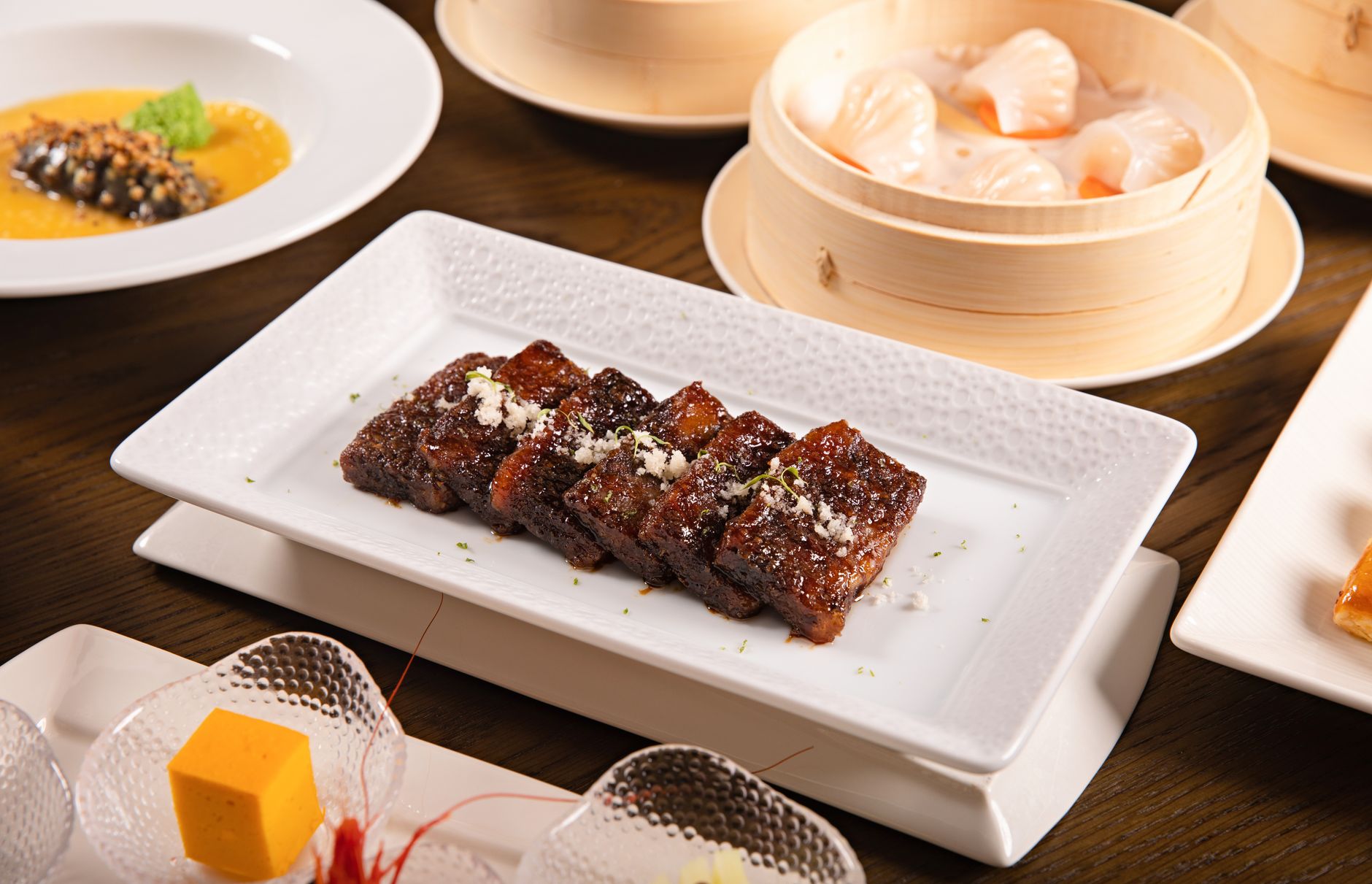
Dim sum is one of the most affordable food experiences in China. A satisfying meal for two with tea usually lands in the range of a few dozen yuan per person, more at hotel or upscale establishments. Prices are typically grouped by dish size or category, so glance at the menu card to understand the tiers. Tipping is not expected.
How HXXC Travel helps
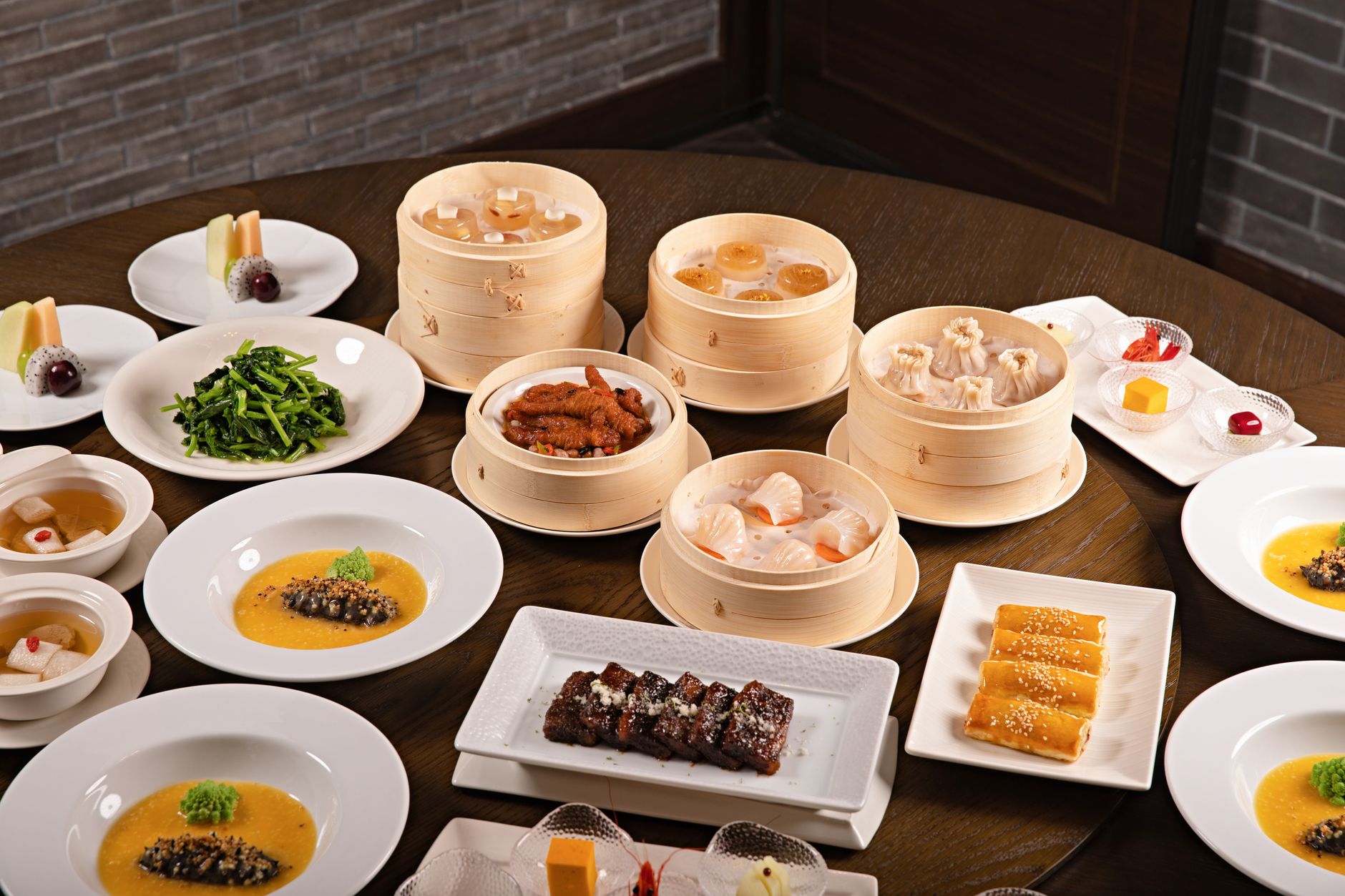
Food is half the reason our travelers love Guangdong. When we customize an itinerary, we build in the right kind of meals for your group — a traditional morning tea house, a family-run roast goose shop, the neighborhood places that do not have English menus — and your guide walks you through ordering the first time so it feels easy after that.
If Lingnan food culture is on your list, our Guangzhou Heritage & Wildlife — Lingnan Culture Meets Chimelong Safari itinerary pairs old-city mornings, where the tea houses are, with family-friendly days out. Our local team in Guangdong replies to inquiries within one working day and is happy to build a trip around the eating as much as the sightseeing.
Tell us what you want to taste and we will map a route around it — Plan my China trip.
Related private tours
- Guangzhou Heritage & Wildlife — Lingnan Culture Meets Chimelong Safari — 5 days
- 25-Day China Cross-Country Travel Itinerary — 25 days
- Best of China — 19-Day Private Tour — 19 days · From US$2,450