
China is a safe country to travel in by most standards, but medical costs are settled in cash, not goodwill. A hospital visit for a broken wrist or a bad stomach can run into thousands of dollars at an international clinic, and without insurance that bill is yours. Sorting out a proper policy before you fly — and knowing how healthcare works on the ground — takes an hour and removes the single biggest financial risk of your trip.
Here is what a good policy covers for China, how hospitals and pharmacies actually work, and the few things worth carrying in writing.
What a good policy should cover
Travel insurance for China is not exotic; it just needs the right bases covered:
- Emergency medical treatment and hospitalization — the core. Check the coverage limit is generous; medical evacuation in a serious case can cost more than everything else combined.
- Medical evacuation and repatriation — transport to a better-equipped hospital, or home, if treatment locally is not sufficient. This is the item travelers most often underinsure.
- Trip cancellation and interruption — reimbursement if illness or a family emergency stops the trip, or cuts it short. Given non-refundable train tickets and tour deposits, this earns its premium.
- Activities you actually plan to do — hiking at altitude in Yunnan or Zhangjiajie, for example, is excluded by some standard policies. Read the activity list, not just the price.
- Lost or delayed baggage and documents — useful, though secondary. A lost passport costs time more than money.
Buy the policy before you leave home. Local coverage options for short-term visitors are limited, and the paperwork for pre-existing conditions needs to be settled before departure, not after something happens.
How healthcare works on the ground
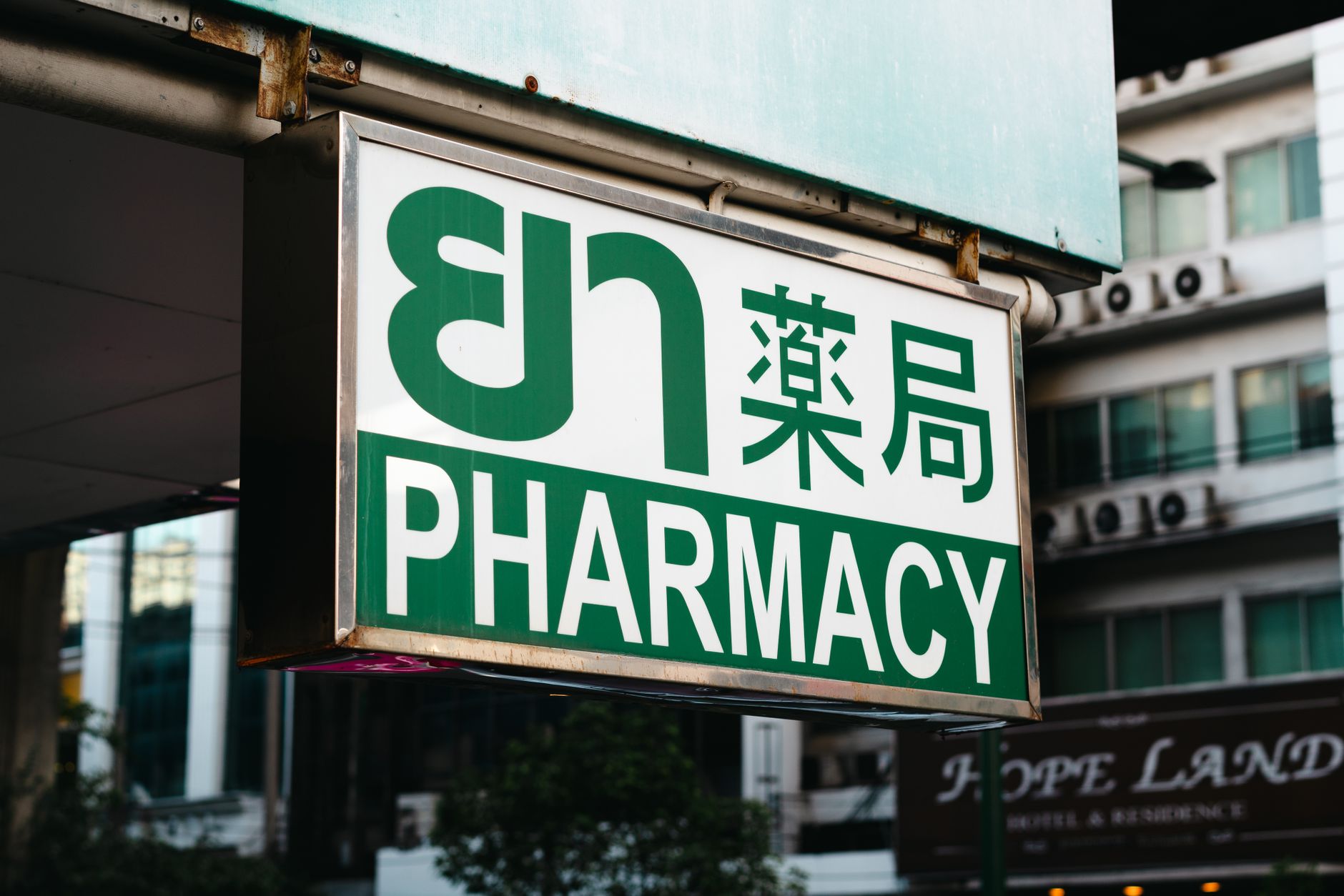
For everyday troubles, China's system is fast and inexpensive. Pharmacies are everywhere, and a common stomach remedy or cold medicine costs a few yuan. Staff may not speak English, but showing the medicine's Chinese name or your symptoms in a translation app usually gets you the right shelf.
For anything beyond that, know the two tiers:
- Public hospitals handle the vast majority of care. Quality in big cities is high, but they are crowded, registration is in Chinese, and payment is often expected up front — which is exactly when your insurance documents matter.
- International clinics and VIP wings in major cities (Beijing, Shanghai, Guangzhou) offer English-speaking doctors and direct billing with some insurers. They are far more expensive, but for a foreign visitor they remove the language and payment friction entirely.
In a genuine emergency, call 120 for an ambulance. Response is reliable in cities, though the ambulance staff typically speak Chinese only. Your hotel front desk is often the fastest bridge: they can call, translate and direct a taxi to the right hospital entrance.
What to carry in writing
When you are unwell or anxious, you do not want to be searching email for a policy number. Carry these, on paper and offline on your phone:
- Your insurance provider's 24-hour assistance hotline — this is the number that authorizes treatment and direct billing
- Your policy number and coverage summary
- A list of medications you take, with generic drug names (brand names differ between countries)
- Any allergies and conditions, ideally translated into Chinese — a simple translated card suffices
- Your emergency contact at home
Five minutes spent preparing this card is the highest-value packing you will do. While you are at it, our packing guide covers the other small items worth carrying, and what to expect on arrival explains your first hour in the country.

Common-sense prevention
Most trips pass without any medical event at all, and simple habits keep it that way: drink bottled or boiled water if your stomach is sensitive, wash or peel fruit, use sunscreen and hydration at summer sights, and take altitude seriously if your route climbs into Yunnan or the Tibetan-plateau areas — ascend gradually and build in rest days. Tap-water brushing of teeth is fine in good hotels; stream water on a hike is not.

How HXXC Travel helps
We build trips around real people, and real people sometimes need a doctor. Our local team in Guangdong knows which hospitals and international clinics visitors actually use in each city on your route, and we keep your itinerary flexible enough to absorb a rest day if one is needed. We also make sure your route's physical demands match your group — no surprise 20,000-step days for travelers who asked for an easy pace.
If you are considering the southwest, our Chengdu Pandas & Chongqing Cyberpunk route keeps walking days moderate and city medical care always within reach, and Golden Triangle — Beijing, Xi'an & Shanghai stays entirely within major-city healthcare coverage. We reply to every enquiry within one working day.
Tell us who is traveling and any health considerations through our contact page, and we will pace the itinerary — and point you to the right insurance questions to ask before you fly.
Related private tours
- Chengdu Pandas & Ancient Waterworks — 4 Days — 4 days
- Best Tour In China - 19 Days Trip — 19 days · From US$2,896
- Six Cities, One China — 15-Day Family Circuit — 15 days