Quick answer: Most first-time international travelers need 8–10 days to comfortably cover Kunming, Dali, Lijiang and Shangri-La in northwest Yunnan, with direct high-speed rail connecting the first three stops and short flights or buses linking Lijiang to Shangri-La. As of November 2026, citizens of 50 countries qualify for 30-day visa-free entry to China for tourism, making this route one of the most accessible multi-stop itineraries for first-time China visitors. All time-sensitive details in this guide are current as of November 2026; re-check ticket prices, train schedules and entry rules in the 2 weeks before your trip, as policies can shift without advance notice.
Best Time to Visit the Kunming–Dali–Lijiang–Shangri-La Route
The route covers a 1,400m elevation gain from Kunming to Shangri-La, so weather varies widely between stops. Kunming holds a steady 15–25C year-round, while Dali and Lijiang see cool 0–15C winters, and Shangri-La experiences heavy snow and sub-zero night temperatures from December to February, with occasional high-altitude road closures.
The most reliable travel windows are March to May, when rhododendrons bloom across Shangri-La, crowds are thin and temperatures are mild, and September to November, when post-monsoon skies are clear and local mushroom and fruit harvests are in season.
June to August is peak domestic summer travel season: high-speed train tickets sell out 2–3 weeks in advance, old town accommodation prices rise 40–60%, and afternoon rain showers are common in Lijiang and Shangri-La. December to February is low season outside of the Lunar New Year holiday, with accommodation 30–50% cheaper, but some high-altitude trails in Potatso National Park close for winter maintenance.

Recommended 8–10 Day Itinerary Breakdown
The route runs southeast to northwest, so most travelers start in Kunming (the provincial capital with the largest international and domestic airport) and move upward in elevation to reduce altitude sickness risk. A balanced day allocation:
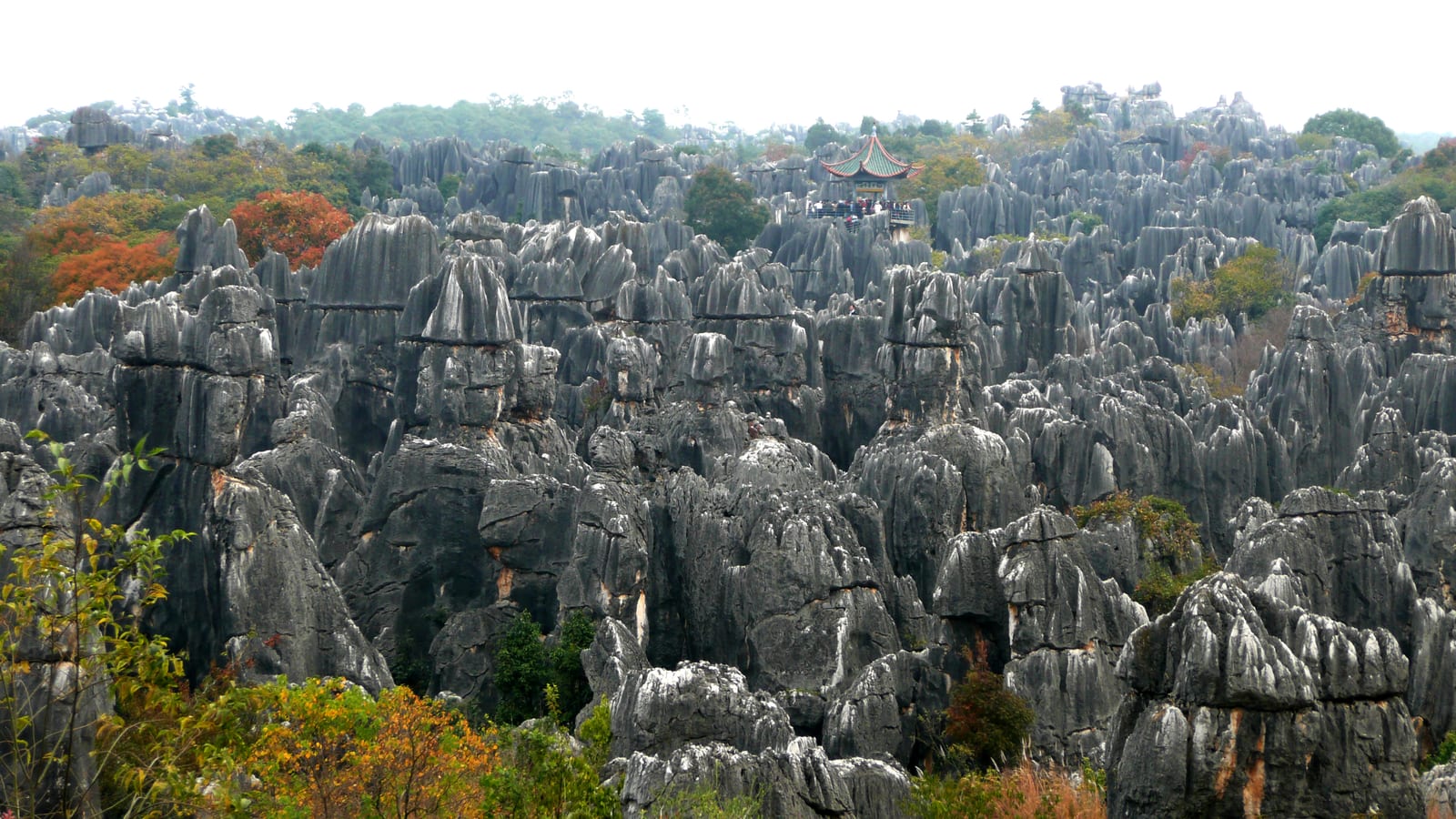
- 1.5–2 days in Kunming: Arrival, adjust to China time, visit the Stone Forest, try local crossing-the-bridge rice noodles.
- 2 days in Dali: Loop around Erhai Lake, walk the old town walls, visit the Three Pagodas of Chongsheng Temple.
- 2 days in Lijiang: Explore Lijiang Old Town, take a day trip to Jade Dragon Snow Mountain, visit Shuhe market town.
- 2–3 days in Shangri-La: Acclimatize to 3,300m altitude, visit Songzanlin Monastery, walk trails in Potatso National Park.
Transport Between Stops (as of November 2026)
High-speed rail is the most reliable option between Kunming, Dali and Lijiang. Current service details:
- Kunming to Dali: 11–14 high-speed trains per day, journey time 1 hour 50 minutes to 2 hours 20 minutes, second-class ticket price 145 yuan per person. Trains depart from Kunming Station and Kunming South Station, arriving at Dali Station, 20 minutes by local bus from Dali Old Town.
- Dali to Lijiang: 8–10 high-speed trains per day, journey time 1 hour 20 minutes to 1 hour 40 minutes, second-class ticket price 80 yuan per person. Trains arrive at Lijiang Station, 30 minutes by public bus or taxi from Lijiang Old Town.
- Lijiang to Shangri-La: The Lijiang-Shangri-La high-speed rail line is in final trial operation as of November 2026, with scheduled public service expected to launch by late 2026. Until service opens, the main options are 3.5–4 hour direct intercity buses (80–100 yuan per person) or 1 hour domestic flights (typically 300–600 yuan one way, depending on booking window). Once rail service launches, journey time will be approximately 1 hour 20 minutes.
During peak travel weeks (summer school holiday, Lunar New Year, first week of October National Day holiday), high-speed train tickets on this route sell out within minutes of release, 15 days in advance of travel. International travelers can book tickets directly via the China Railway 12306 app with a foreign passport, or ask a local operator such as HXXC Travel to secure tickets on their behalf to avoid sell-outs.
Destination Guide: Attractions, Food and Budgets
Kunming (elevation 1,900m)
Kunming is the lowest-elevation stop on the route, used mostly as an arrival hub but worth a short stay to avoid rushing straight to higher altitude. Core attractions:
- Stone Forest (Shilin): A UNESCO Global Geopark of karst limestone formations 90 minutes by bus from central Kunming. Entry ticket is 130 yuan as of November 2026; set aside half a day for a visit. Avoid overpriced group tour packages that add unnecessary shopping stops.
- Green Lake Park (Cuihu): A central public park free to enter, popular for birdwatching between November and March when red-billed gulls migrate from Siberia.
Local food to try: Crossing-the-bridge rice noodles (15–35 yuan per serving at local shops, avoid tourist restaurants charging 80+ yuan for the same dish), steamed pot chicken, and fresh flower cakes (2–3 yuan each at local bakeries).
Typical daily budget in Kunming: 300–500 yuan per person, including mid-range accommodation, meals, local transport and one attraction entry.
Dali (elevation 2,000m)
Dali sits on the western shore of Erhai Lake, historically the capital of the Bai Kingdom. The most popular activity is a loop around Erhai Lake, which can be done by rented electric scooter (80–120 yuan per day, valid international driving license required as of November 2026), shared e-bike for shorter sections, or private car charter (400–500 yuan per day for 4 passengers). Core stops on the loop include Shuanglang fishing village, Xizhou Old Town with traditional Bai courtyard architecture, and the sandbar at Little Putuo Island.

Other core attractions include the Three Pagodas of Chongsheng Temple (75 yuan entry as of November 2026), Dali Old Town (free entry, small fees for individual museums), and Cangshan Mountain, where a summit cable car costs 280 yuan round trip for lake views.
Local food to try: Fried rushan goat cheese served with rose jam, Xizhou baba (charcoal-cooked flatbread, 5–10 yuan each), and clay pot sour fish.
Typical daily budget in Dali: 350–600 yuan per person, with lake-view accommodation carrying a 20–40% price premium over old town rooms.
Lijiang (elevation 2,400m)
Lijiang’s Old Town is a UNESCO World Heritage Site built by the Naxi people, with a network of stone lanes, wooden courtyard houses and a canal system fed by Jade Dragon Snow Mountain meltwater. The old town is pedestrian-only; visitors staying within the old town will carry luggage 5–10 minutes from the nearest vehicle access point to most guesthouses.
The core day trip from Lijiang is Jade Dragon Snow Mountain, 35 minutes from the old town. As of November 2026, scenic area entry is 100 yuan, with a separate 140 yuan cable car ticket to the 4,506m Glacier Park observation deck. Cable car tickets sell out 3–7 days in advance during peak season; visitors prone to altitude effects can buy portable oxygen canisters for 15–20 yuan from local shops, compared to 100 yuan per can sold on the mountain.
Other Lijiang stops: Shuhe Old Town, a smaller former trade post 6km from central Lijiang (free entry); Black Dragon Pool Park, which offers clear views of Jade Dragon Snow Mountain on clear days (50 yuan entry); and Baisha Ancient Village, home to 800-year-old Naxi temple murals.
Local food to try: Lijiang baba (flaky pan-fried flatbread, 8–12 yuan each), Naxi cured pork hot pot, and street vendor yak yogurt (10–15 yuan per serving).
Typical daily budget in Lijiang: 400–700 yuan per person, with the highest prices for properties with unobstructed snow mountain views.
Common pitfalls for first-time visitors include unlicensed guides offering cheap mountain trips that add mandatory shopping stops, and old town tea shops that pressure guests into buying overpriced pu'er after free tastings.
Shangri-La (elevation 3,300m)
Shangri-La is the highest stop on the route, located in Yunnan’s Tibetan cultural region. Altitude adjustment is non-negotiable: take the first 12–24 hours after arrival slowly, avoid heavy alcohol or strenuous exercise, and seek medical help for persistent headache, shortness of breath or nausea.
Core attractions:
- Songzanlin Monastery: Yunnan’s largest Tibetan Buddhist monastery, 5km from central Shangri-La. Entry is 90 yuan as of November 2026, including visitor center shuttle bus.
- Potatso National Park: 22km from Shangri-La, a protected alpine park with lakes, old-growth spruce forest and summer rhododendron blooms. As of November 2026, entry including park shuttle is 138 yuan, with 3–4 hours of easy boardwalk trails open; some longer backcountry trails remain closed for ecological restoration.

Other stops include Dukezong Old Town, a traditional Tibetan walled town rebuilt after a 2014 fire (free entry), and the surrounding grasslands, which are bright green in summer and golden in late autumn.
Local food to try: Yak butter tea, Tibetan yak hot pot, highland barley bread, and yak milk cheese pops.
Typical daily budget in Shangri-La: 300–500 yuan per person, with lower prices than Lijiang due to fewer luxury accommodation options.
Entry Rules and Practical Tips (as of November 2026)
As of November 2026, citizens of 50 countries including the United Kingdom, Canada, Australia, New Zealand and most EU member states qualify for 30-day visa-free entry to China for tourism, business or family visits. Travelers staying longer than 15 days, or from countries not on the visa-free list, will need to apply for a standard L (tourist) visa at their nearest Chinese consulate before travel. Re-check entry rules in the month before your trip, as the visa-free country list and eligible stay lengths have expanded regularly since 2023.
Practical tips specific to this route:
- Traveling in order Kunming → Dali → Lijiang → Shangri-La creates a gradual altitude gain, which cuts altitude sickness risk significantly compared to flying directly to Shangri-La from low elevation.
- Mobile payment is accepted at nearly all shops, restaurants and guesthouses on the route; international visitors can set up Alipay or WeChat Pay with a foreign bank card as of 2026, so carrying large amounts of cash is not necessary. Keep 200–300 yuan in small bills for rural bus fares and small street vendors who may not accept digital payment.
- Most staff at major hotels, train stations and popular attractions speak basic English, but family guesthouses and village restaurants may have no English-speaking staff. Download an offline Chinese translation app before arrival to smooth interactions.
- As of November 2026, there are no mandatory COVID-19 testing, vaccination or health code requirements for entry to China or travel within Yunnan.
For travelers who prefer not to manage train bookings, altitude preparation, ticket reservations and private transport independently, HXXC Travel designs custom private Yunnan itineraries, with fluent English-speaking local guides and no mandatory shopping stops.
Frequently Asked Questions
How many days do I need for Kunming, Dali, Lijiang and Shangri-La?
8–10 days is the standard for a comfortable, non-rushed trip. Travelers short on time can cut the route to 6 days by skipping Kunming (flying directly to Dali from major hubs including Guangzhou, Chengdu or Shanghai) and reducing Shangri-La to 1.5 days, but this leaves little buffer for altitude adjustment or travel delays.
Is the northwest Yunnan route suitable for first-time visitors to China?
Yes. This route is one of the most popular for first-time China travelers due to well-developed tourism infrastructure, straightforward transport connections, and accommodation options for all budgets. The main challenge is altitude gain in Shangri-La, which is manageable with a slow travel pace.
What is the best month to visit Shangri-La?
Late May to early June offers mild temperatures and rhododendron blooms, while mid-October to early November brings clear skies, golden grasslands and low rainfall. July and August bring daily afternoon rain that can obscure mountain views and muddy unpaved trails.
Do I need a special permit to visit Shangri-La?
As of November 2026, no special travel permit is required for international visitors to access Shangri-La city, Songzanlin Monastery or Potatso National Park. Permits are only required for travel to remote Diqing Prefecture areas near the Tibet Autonomous Region border, which are not part of standard tourist itineraries. Re-check permit requirements before travel if you plan to visit remote border areas.
Related private tours
- 7 Days Yunnan Classic Private Travel Itinerary — 7 days
- Best of China — 19-Day Private Tour — 19 days · From US$2,450
- Grand China Odyssey — 19 Days Cross-Country — 19 days · From US$2,450