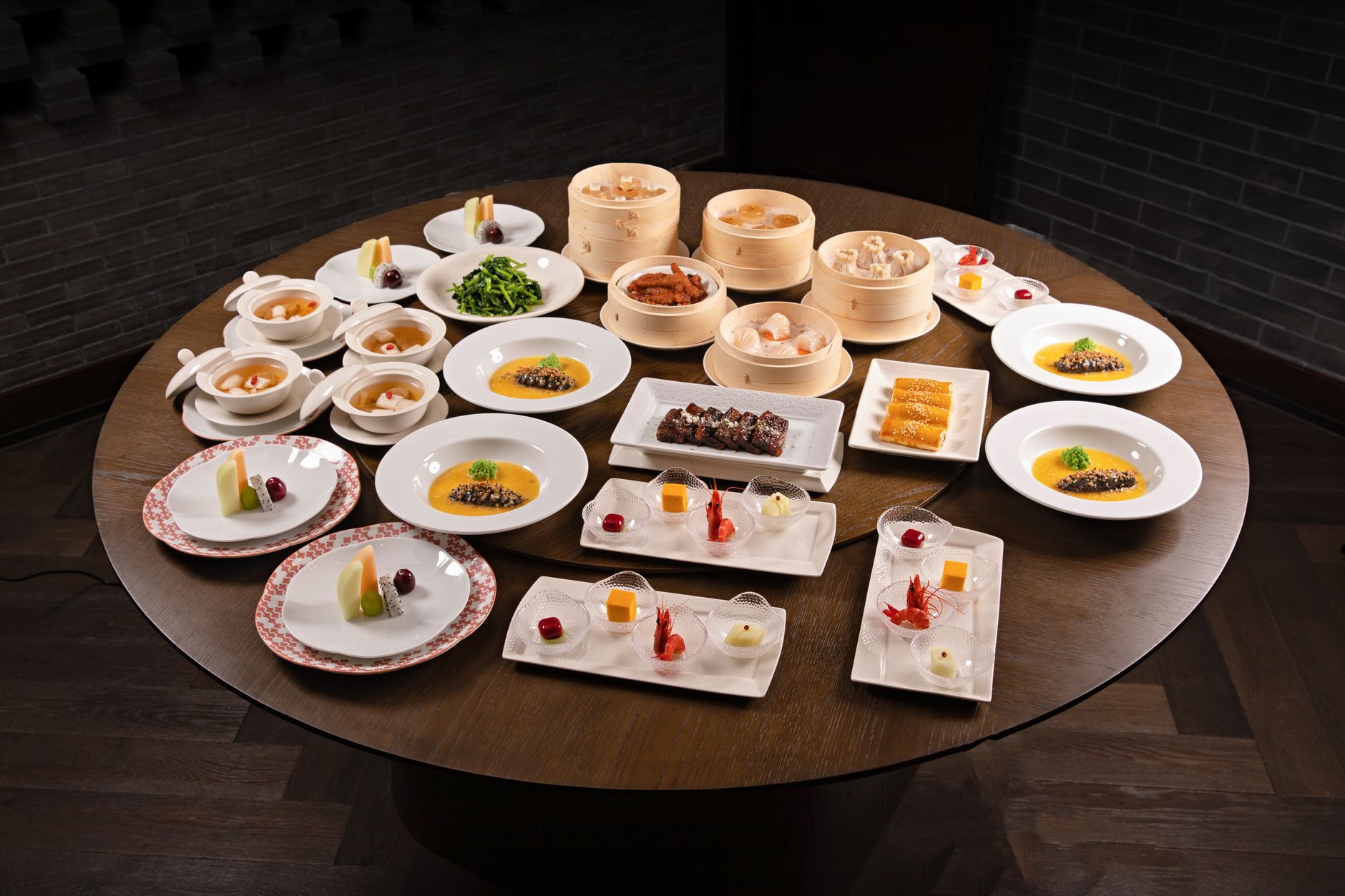
Yunnan Food: An Overview
Yunnan’s most famous foods are wild mushrooms, rubing goat’s milk cheese, and crossing-the-bridge noodles. All three are easy to find on a standard Yunnan itinerary, and HXXC Travel can arrange food-focused stops in Kunming, Dali, and Lijiang.
Yunnan’s food diversity comes from its unique geography and multi-ethnic population. The province has 25 officially recognized ethnic groups, more than any other in China, and shares borders with Myanmar, Laos, and Vietnam, bringing Southeast Asian flavor influences to local dishes. High altitude, fertile valleys, and abundant rainfall produce a wide range of fresh ingredients, from tropical fruits in the south to alpine mushrooms in the northwest.
Unlike heavier, oilier cuisines from northern China or Sichuan’s numbing-spicy dishes, Yunnan food leans into bright, sour, and lightly spicy flavors, with a heavy focus on fresh, seasonal ingredients. Many dishes are gluten-free or adaptable for vegetarian diets, making it a popular destination for food travelers with dietary preferences.

Wild Mushrooms: Yunnan’s Most Seasonal Delicacy
Yunnan is home to more than 800 species of edible wild mushrooms, accounting for roughly 80% of China’s total wild mushroom varieties. They grow in the province’s mountainous pine and oak forests, at altitudes between 1,500 and 3,500 meters, with the highest-quality matsutake, morels, and porcini coming from Shangri-La and the mountain areas around Lijiang.
Wild mushroom season runs from June to September, with peak harvest and lowest prices in July and August. During these months, mushroom stalls line local markets, and restaurants across the province add mushroom-focused menus. As of November 2026, a typical two-person mushroom hot pot meal in Kunming costs 150–300 RMB (approximately 21–42 USD), depending on the variety and quantity of mushrooms included.
Popular ways to serve wild mushrooms include stir-frying with garlic and chili, slow-cooking in chicken broth for hot pot, roasting whole matsutake over charcoal, and adding finely chopped mushrooms to congee or rice dishes. Many restaurants also offer mushroom banquets, with 5–10 different mushroom dishes served family-style.
Safety is the most important consideration when eating wild mushrooms in Yunnan. Never consume mushrooms foraged by yourself or purchased from unlicensed street vendors. All reputable restaurants use mushrooms from certified suppliers, and as of November 2026, Yunnan’s provincial food safety authority requires mushroom-serving restaurants to display a valid source certification. Always re-check current safety regulations before your trip, as policies can be updated between seasons.
Outside of fresh mushroom season (October to May), most restaurants use dried or frozen wild mushrooms. Dried mushrooms have a more concentrated, earthy flavor and work well in broths and stir-fries, but they lack the tender texture of fresh seasonal mushrooms.

Rubing: Yunnan’s Goat’s Milk Cheese
Rubing is a firm, tangy goat’s milk cheese traditional to Yunnan’s Bai and Yi ethnic communities, most commonly found in Dali and the surrounding mountain areas. The name translates roughly to “milk cake” in the Bai language, referring to its solid, block-like shape.
To make rubing, fresh goat’s milk is heated and curdled with sour plum juice or rice vinegar, then pressed into rectangular molds to remove excess whey. The final product is similar in texture to Indian paneer or Greek halloumi – it holds its shape well when cooked, and has a mild, slightly tangy flavor that pairs well with both savory and sweet seasonings.
The most popular way to eat rubing is as a street food snack: thin slices are pan-fried until golden and crispy on the outside, then sprinkled with salt, chili powder, or Sichuan peppercorn powder. A single serving of 3–4 slices typically costs 5–10 RMB (less than 1.50 USD). Rubing is also served stir-fried with green vegetables, cured Yunnan ham, or mushrooms in sit-down restaurants. For a sweet version, some vendors serve fried rubing drizzled with honey or condensed milk.
Rubing has lower lactose levels than cow’s milk cheeses, making it easier for many lactose-sensitive travelers to digest. For vegan travelers, note that rubing is made with animal milk and is not vegan. HXXC Travel can pre-arrange vegan-friendly meal options for guests on custom tours.
A related Yunnan dairy specialty is rushan, or “milk fan,” a dried goat’s milk product that looks like a thin, curled sheet. Rushan is often deep-fried and served with sugar, or grilled and rolled around sweet fillings. It is most common in Dali and Eryuan County, a major dairy-producing area in northern Yunnan.

Crossing-the-Bridge Noodles: Yunnan’s Iconic One-Bowl Meal
Crossing-the-bridge noodles (guo qiao mi xian) is Yunnan’s most famous noodle dish, originating in Mengzi, a city in southern Yunnan, before spreading to Kunming and the rest of the province. The dish is known for its unique serving style: a large bowl of boiling hot broth, covered with a thin layer of oil to trap heat, served alongside separate small plates of raw and pre-cooked ingredients.
Traditional crossing-the-bridge noodle sets include thin slices of raw pork, chicken, and fish, quail eggs, sliced mushrooms, tofu skin, fresh herbs, and a portion of thick rice noodles. Diners add ingredients to the hot broth in order of cooking time: first raw meat and eggs, then vegetables and mushrooms, then noodles and herbs. The oil layer keeps the broth hot enough to cook raw ingredients thoroughly, even without a heat source under the bowl.
The dish’s name comes from a popular folk tale about a scholar who studied on a small island in a lake. His wife would bring him noodle soup every day, but the soup would cool by the time she crossed the bridge to the island. She began adding a layer of hot oil to the broth to insulate it, keeping the soup warm until she arrived. While the story is a folk tale, the cooking method is a practical traditional solution for serving hot meals over long distances.
Prices for crossing-the-bridge noodles vary widely depending on the number and quality of ingredients. Basic versions with 5–6 side plates cost 20–40 RMB (approximately 3–6 USD) per bowl, while premium versions with matsutake mushrooms, abalone, or premium cured ham can cost 80–150 RMB per bowl. Kunming is widely considered the best place to try the dish, with many long-standing restaurants serving traditional sets with 10+ side plates.
In smaller cities and tourist areas like Dali and Lijiang, you’ll often find simplified versions of crossing-the-bridge noodles with fewer side ingredients, sometimes served pre-mixed for convenience. For the most authentic experience, look for restaurants that serve the broth and ingredients separately, with a clear layer of golden oil on top of the broth.
How to Build a Yunnan Food Itinerary
A 7–10 day Yunnan itinerary is ideal for trying all three signature foods, plus other local specialties. HXXC Travel can customize food-focused itineraries to match your travel pace and dietary preferences, with stops at local markets, family-run restaurants, and cooking classes.
- Kunming (1–2 days): Start your trip in Yunnan’s capital, the best place to try crossing-the-bridge noodles and fresh wild mushrooms (in season). Visit the large wild mushroom markets in the city’s south, where you can see dozens of mushroom varieties and sample cooked mushroom dishes at attached stalls. Don’t miss Yunnan flower cakes, a sweet pastry filled with rose petal jam, sold at bakeries across the city.
- Dali (2 days): Head 300 kilometers west of Kunming to Dali, the heart of Bai culture and the best place to try rubing and other goat’s milk dairy products. Wander Dali Old Town’s street stalls for fried rubing, visit nearby Eryuan County’s dairy farms, and try Bai-style sour fish, a tangy fish hot pot made with fresh plum sauce.
- Lijiang and Shangri-La (3–5 days): Travel north to Lijiang and Shangri-La for high-altitude wild mushrooms and Tibetan-influenced dairy dishes. In Shangri-La, try yak butter tea, tsampa (roasted barley flour), and premium matsutake mushrooms. Lijiang Old Town has a mix of Yunnan and Tibetan food options, including mushroom hot pot and fried rubing.
For travelers with less time, a 3–4 day Kunming-Dali itinerary covers all three signature dishes, with shorter stops at key food spots. HXXC Travel’s short-break Yunnan tours include pre-booked restaurant reservations and English-speaking guides to help you navigate local menus.
Practical Tips for First-Time Yunnan Food Travelers
A few practical tips will help you eat safely and enjoyably during your Yunnan trip:
- Mushroom safety: Only eat wild mushrooms at licensed restaurants with visible source certification. As of November 2026, Yunnan’s food safety authority conducts regular inspections of mushroom restaurants during peak season, but always confirm with your server if you have concerns. Re-check safety guidelines before travel, as regulations may change.
- Dietary restrictions: Vegetarian options are widely available, especially mushroom and vegetable dishes. For vegan travelers, note that many broths use chicken or pork bones, and rubing and rushan are dairy products. HXXC Travel can pre-arrange vegan or gluten-free meals for all guests on custom tours.
- Payment: As of November 2026, most mid-range and high-end restaurants in Yunnan’s tourist areas accept Alipay and WeChat Pay, as well as major international credit cards. Smaller street stalls and market vendors often only accept cash (RMB), so carry small bills for snacks. Re-check payment options before your trip, as digital payment policies for international users can change.
- Spice levels: Yunnan food uses sour and spicy flavors, but most dishes are less spicy than Sichuan food. You can request “no spice” (bu la) or “mild” (shao la) at most restaurants, and many places serve chili oil on the side so you can add your own.
- Tipping: Tipping is not customary in Yunnan, and most servers will politely refuse tips. You do not need to add a tip to your bill at restaurants or for street food.
Yunnan Food FAQs
Is Yunnan food spicy?
Yunnan food often includes sour and lightly spicy flavors, but it is less uniformly spicy than Sichuan cuisine. Many dishes use chili as a condiment rather than a core ingredient, so you can request mild or no-spice versions at most restaurants. Chili oil is often served on the side for self-service.
When is wild mushroom season in Yunnan?
Fresh wild mushroom season runs from June to September, with peak availability and lowest prices in July and August. Outside of these months, most restaurants serve dried or frozen mushrooms, which have a more concentrated earthy flavor but a firmer, less tender texture.
What is rubing cheese made of?
Rubing is a firm goat’s milk cheese traditional to Yunnan’s Bai and Yi ethnic groups. It is made by curdling fresh goat’s milk with sour plum juice or rice vinegar, then pressing the curds into solid blocks. It has a mild, tangy flavor and holds its shape well when fried or stir-fried.
Do I need to speak Chinese to order Yunnan food?
In major tourist areas like Kunming, Dali Old Town, and Lijiang Old Town, many restaurants have picture menus or basic English translations. For smaller street stalls or local eateries, a translation app can help, or you can point to dishes other customers are eating. HXXC Travel’s Yunnan tours include English-speaking guides who can assist with ordering and dietary requests.
Is Yunnan food safe for travelers with dietary restrictions?
Vegetarian options are widely available, especially mushroom and vegetable-based dishes. Vegan and gluten-free options are more limited but can be arranged with advance notice. HXXC Travel works with partner restaurants to accommodate dietary restrictions for guests on custom tours.
Related private tours
- 7 Days Yunnan Classic Private Travel Itinerary — 7 days
- Yunnan Dream — Kunming, Dali, Lijiang & Shangri-La — 9 days · From US$900
- Lhasa, Nyingchi & Shigatse — 10-Day Tibet Tour — 10 days