Quick answer: Most first-time visitors need 2 full days in Xi'an to see the Terracotta Army, cycle the City Wall, eat through the Muslim Quarter, and cover 1–2 smaller historic sites without rushing.
Xi'an sits in central Shaanxi province, roughly 1.5 hours by high-speed rail from Luoyang, 4.5 hours from Beijing, and 3.5 hours from Chengdu, making it a standard stop on most first-time China travel itineraries connecting the capital, southwest China, and the east coast. The city served as the capital of 13 successive dynasties, including the Qin dynasty that first unified China in 221 BCE, and its historic core remains laid out on the original Ming-era grid, surrounded by its intact 14th-century city wall.
Core Sites: Ticket Prices, Opening Times and Practical Tips
Terracotta Army Museum
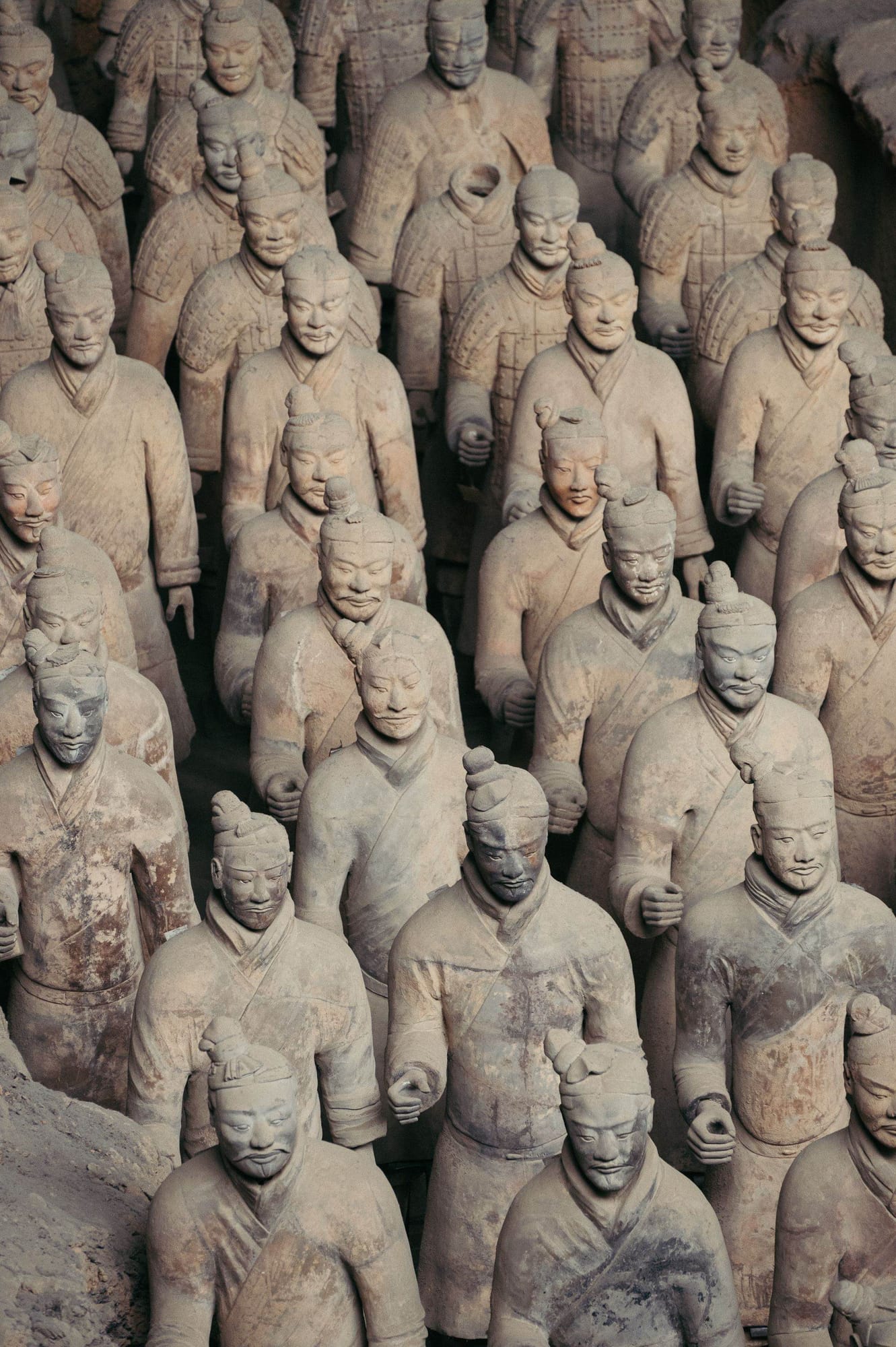
The official name for the Terracotta Army site is the Emperor Qinshihuang's Mausoleum Site Museum, located 35 kilometers east of downtown Xi'an in Lintong district. As of November 2026, standard adult entry costs 120 yuan per person, with half-price entry for visitors aged 7–17 and adults over 65, and free entry for children under 1.2 meters tall. Tickets cover access to all three excavated warrior pits, the bronze chariot and horse exhibition hall, and a free shuttle bus between the museum and the unexcavated Qin Shi Huang Mausoleum mound 2 kilometers away. The site is open 8:30am to 5pm daily, with last entry at 3:30pm.
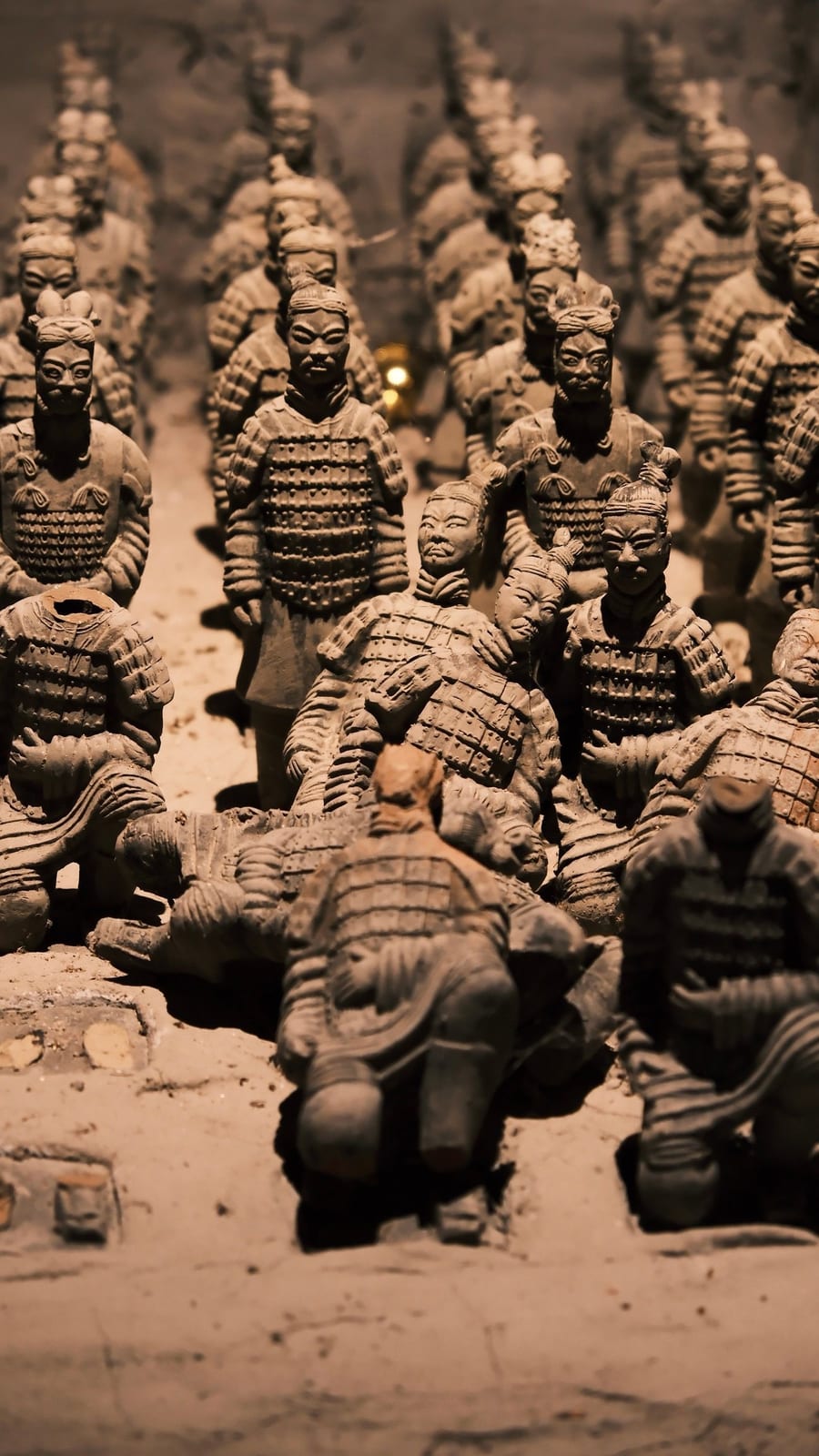
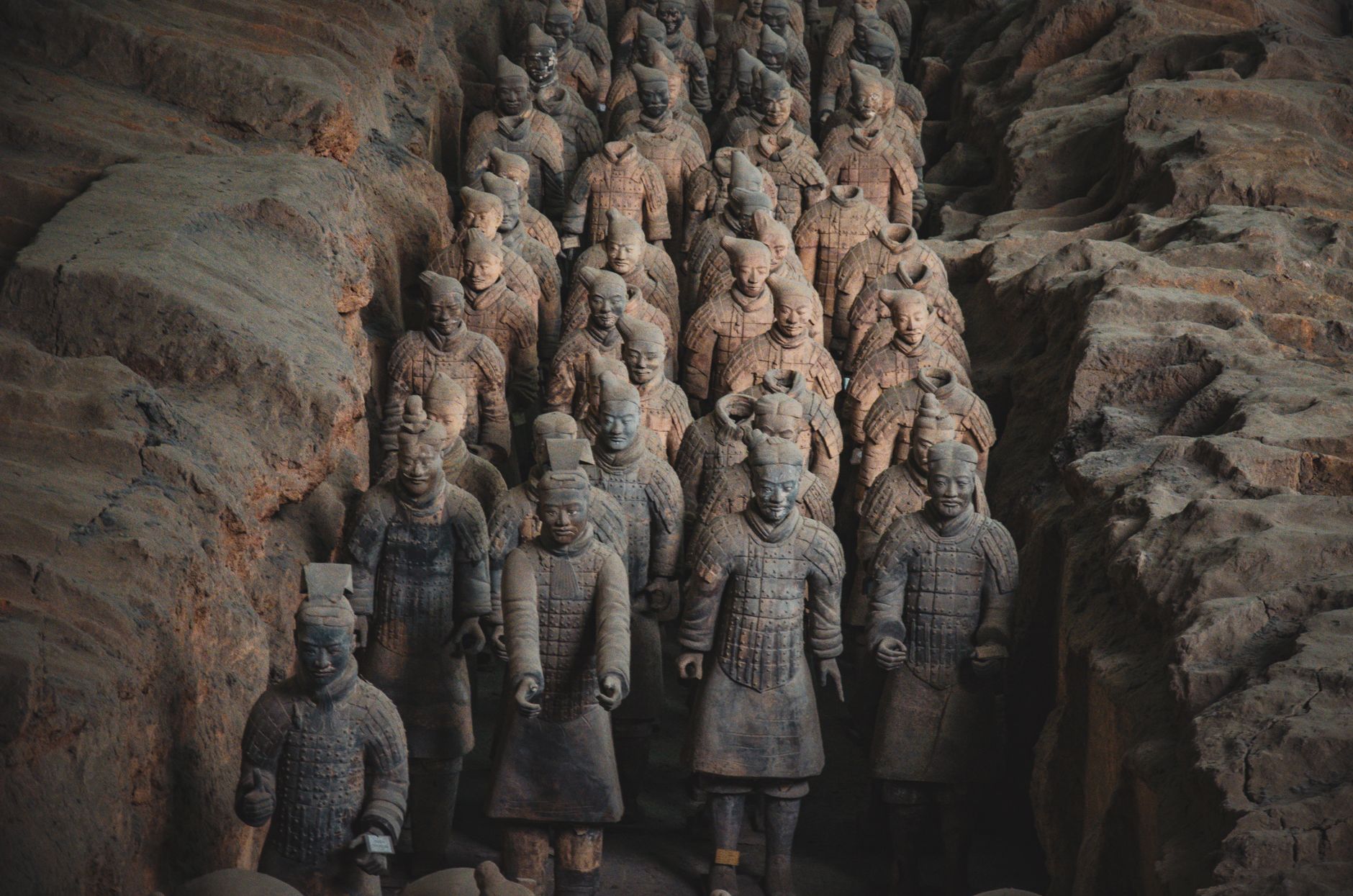
The most reliable public transport options from downtown are Tourist Bus Line 5 (You 5), which departs from the east square of Xi'an Railway Station for 7 yuan per person, taking 1–1.5 hours depending on traffic, and Xi'an Metro Line 9 to Qinling West Station, followed by a 10-minute 10-yuan taxi ride to the museum entrance. Allocate 2.5–3 hours for a visit: Pit 1 is the largest, holding around 6,000 restored infantry and cavalry warriors, Pit 2 contains mixed formations of archers, chariots and cavalry, and Pit 3 is the site’s excavated command post. Free English guided tours depart the main visitor center at 10am and 2pm most days; check the on-site schedule board for exact times on the day of your visit.
A common pitfall for first-time visitors is accepting unsolicited ride or tour offers from people at train stations, metro exits, or bus stops advertising low-cost trips to the Terracotta Army. Most of these operators take guests to small, unlicensed replica sites several kilometers from the official museum, charging full price for entry to sites with no actual historic artifacts.
Xi'an City Wall
The Xi'an City Wall is the most complete surviving Ming-dynasty city wall in China, stretching 13.7 kilometers around the historic old city core. As of November 2026, standard adult entry costs 54 yuan per person, with discounted entry for students, seniors and children. The wall is open 8am to 10pm from April to October, and 8am to 7pm from November to March.
The most popular way to explore the wall is to rent an official bicycle from stalls at the major gate access points: single bikes cost 45 yuan for 3 hours, tandem bikes cost 90 yuan for 3 hours, with a 200-yuan refundable deposit per bike. Cycling the full loop takes 1.5–2 hours at a casual pace, with gentle sloped ramps at each gate. The busiest access point is Yongning Gate (South Gate), located a 10-minute walk from the Bell Tower and Muslim Quarter. There is no shade on the wall ramparts, so plan visits before 10am or after 4pm during summer months to avoid midday heat.

Muslim Quarter (Huimin Jie)
The Muslim Quarter is a dense network of pedestrian streets and residential alleys in the northwest section of the old city, centered on the 1,300-year-old Great Mosque of Xi'an, and home to the city's long-established Hui Muslim community. There is no entry fee to walk the quarter’s streets; entry to the Great Mosque costs 25 yuan per adult as of November 2026, open 8am to 7pm daily.
The main food street runs north from the Drum Tower along Beiyuanmen, but the better-priced, more local stalls are located 2–3 blocks into the quarter, away from the Drum Tower entrance. Standard local dishes to look for include roujiamo (slow-braised beef or pork in a baked wheat flatbread, 10–15 yuan), yangrou paomo (hearty lamb stew with hand-torn flatbread, 25–35 yuan per bowl), liangpi (cold wheat noodles tossed in chili oil and black vinegar, 8–12 yuan), and persimmon fritters (5–8 yuan each). The quarter is busiest between 6pm and 9pm, when nearly all food stalls are open. Avoid the first 100 meters of Beiyuanmen immediately north of the Drum Tower, where prices are 2–3 times higher than stalls deeper in the neighborhood.
Worthwhile Add-Ons for Longer Stays
If you have more than 2 days in Xi'an, the following sites require minimal extra travel and add useful context to the city’s history.
Guangren Lama Temple
Guangren Lama Temple sits just outside the northwest corner of the City Wall, and is the only Tibetan Buddhist monastery in Shaanxi province. First built in 1705 during the Qing dynasty, the temple was originally constructed to host visiting lamas traveling between Tibet, Mongolia and the imperial capital in Beijing. As of November 2026, entry to the temple is free, with opening hours 8am to 6pm daily. The grounds are far less crowded than central tourist sites, with traditional Tibetan architectural details, rows of prayer wheels, and a 6-meter gilded Sakyamuni statue in the main hall. Most visitors spend 30–45 minutes exploring, often stopping mid-cycle around the City Wall.
Shaanxi History Museum
Located 2 kilometers south of the South Gate, the Shaanxi History Museum holds a collection of over 1.7 million artifacts spanning 1 million years of regional history, with particularly strong exhibits from the Zhou, Qin, Han and Tang dynasties. As of November 2026, entry to the permanent exhibition halls is free, but requires advance reservation 3 days ahead via the museum’s official booking channel. Entry to the dedicated Tang Dynasty treasure hall, which holds gold and silver artifacts excavated from the Hejiacun hoard, costs 30 yuan per person. English audio guides are available for rent at the entrance for 30 yuan. Allocate 2–3 hours for a visit, and arrive 10 minutes before opening to avoid long entry queues.
Suggested Itineraries
2-Day Essential Itinerary (No Rushing)
- Day 1: Arrive at the Terracotta Army Museum by 9am to beat the largest tour groups, spend 3 hours exploring the pits and exhibition halls, then return to downtown by 2pm. Access the City Wall at South Gate, cycle a section or the full loop depending on energy, then walk 10 minutes to the Muslim Quarter for dinner.
- Day 2: Spend the morning at Shaanxi History Museum, walk to the Big Wild Goose Pagoda if time allows, then visit the Great Mosque in the Muslim Quarter before departing for your next destination.
3-Day Deep Dive Itinerary
- Days 1–2: Follow the 2-day itinerary at a slower pace, with extra time to explore the smaller side alleys of the Muslim Quarter and visit the calligraphy stalls at the nearby Stele Forest Museum.
- Day 3: Either spend the morning at Guangren Lama Temple and browse local markets in the old city, or take a 30-minute high-speed train from Xi'an North Station to Huashan North Station for a day trip to Mount Huashan, one of China’s five sacred Taoist mountains, returning to Xi'an by early evening.
Practical Transport and Planning Tips
Xi'an Xianyang International Airport is 40 kilometers northwest of the city center. As of November 2026, Metro Line 14 connects the airport to Xi'an North High-Speed Railway Station in 35 minutes for 16 yuan, and to the central Bell Tower area in roughly 1 hour for 25 yuan. A metered taxi from the airport to the old city costs 120–150 yuan, depending on traffic. High-speed trains from Beijing, Luoyang and Chengdu arrive at Xi'an North Station, connected to the city center via Metro Line 2, which reaches South Gate in 20 minutes for 5 yuan.
For travel within downtown, the metro covers all major core sites, with fares starting at 2 yuan for short trips and capped at 8 yuan for cross-city journeys. Metered taxis start at 10 yuan for the first 3 kilometers, with a 2 yuan per kilometer charge after that. Tipping is not expected for taxi rides, restaurant meals or street food purchases.
As of November 2026, Xi'an Xianyang International Airport is included in China’s 240-hour transit visa-free policy, which allows eligible passport holders from 57 countries to enter the city for up to 10 days without a pre-arranged visa, provided they hold a confirmed onward ticket to a third country or region outside mainland China. Re-check the latest eligible country list and entry requirements before travel, as transit policies can be updated with little advance notice.
HXXC Travel’s local advisors, based at our Jiangmen, Guangdong headquarters and regularly traveling across China to vet guides, routes and restaurant partners, recommend booking Terracotta Army entry tickets 3–5 days in advance during peak travel periods (the first week of May, the first week of October, and July–August summer holidays), as same-day tickets often sell out by mid-morning. For visitors who prefer not to navigate public transit to the Terracotta Army, private round-trip transfers with an English-speaking guide typically cost 300–400 yuan per group of 2–3 people, including waiting time during the museum visit.
References & updates: This guide is reviewed and updated monthly by HXXC Travel’s on-the-ground China team, with the last update completed October 23, 2026. All listed ticket prices, opening times and transit policies are accurate as of November 2026; readers should re-check official museum and transport websites for last-minute schedule changes before departure, particularly if traveling during public holidays.
Frequently Asked Questions
How many days do you need in Xi'an?
For most first-time visitors covering the Terracotta Army, City Wall and Muslim Quarter, 2 full days is enough to see all core sites without rushing. Visitors who want to add a day trip to Mount Huashan or spend extra time exploring smaller museums and temples should plan for 3 full days.
Can you visit the Terracotta Army without a tour?
Yes, independent visits are straightforward. The museum has clear English signage across all pits and exhibition halls, free English information leaflets at the entrance, and optional paid audio guides. There is no requirement to join a group tour to enter the site.
Is the Muslim Quarter safe for tourists?
Yes, the Muslim Quarter is a pedestrian-only, heavily patrolled area that is busy from late morning until late at night. As with any crowded tourist area, keep track of personal belongings in dense crowds, and choose food stalls with high turnover of local customers to reduce the risk of food-related illness.
How much does a 2-day trip to Xi'an cost?
For budget independent travelers, a 2-day trip including accommodation in a 3-star central hotel, entry tickets to all core sites, food, and local transport typically costs 1,200–1,800 yuan per person, not including intercity train or flight costs to reach Xi'an. Mid-range travelers staying in 4-star accommodation and using private transfers to the Terracotta Army can expect to pay 2,200–3,000 yuan per person.
Related private tours
- Xi'an Ancient Capital — Terracotta Warriors & Tang Dynasty Nights — 3 days
- Grand China Explorer — 15 Days — 15 days · From US$1,500
- Best Tour In China - 19 Days Trip — 19 days · From US$2,896