
As of November 2026, the Xi’an Muslim Quarter is a car-free network of alleyways in central Xi’an, best visited for cheap, traditional Hui street food that typically costs 5–30 RMB per dish, with most first-time visitors spending 60–100 RMB per person for a full meal. The area sits just north of the Drum Tower, and is open from roughly 10am to 11pm daily, though individual stall hours vary. Always carry small cash bills, as some older stalls do not take mobile payments from foreign bank cards, and confirm prices before ordering to avoid surprise upcharges at tourist-facing stalls near the main entrance.
Getting to the Muslim Quarter
The quarter covers roughly 1.5 square kilometers in the center of Xi’an’s old walled city, bounded by the Drum Tower to the south, Daxuexi Lane to the north, Beiyuanmen to the east, and Sajinqiao to the west. Beiyuanmen is the paved pedestrian strip most first-time visitors enter first, leading directly off Drum Tower Square. As of November 2026, there is no entry fee for the area, and no advance ticket is required.
- Metro: Take Line 2 or Line 6 to Zhonglou (Bell Tower) Station, use Exit B, and walk 3 minutes north past the Drum Tower to the main south entrance.
- Bus: Routes 4, 6, 11, 12, and 26 stop at Zhonglou Bus Stop, a 2-minute walk from the entrance.
- Taxi: Ask for Beiyuanmen Muslim Quarter; most rides within the old city wall cost 10–20 RMB.
Recheck current metro route maps before travel, as temporary station closures for maintenance are occasionally scheduled on Xi’an’s metro system. The main Beiyuanmen strip is the most tourist-focused part of the quarter, with higher prices and less traditional food; alleyways 1–2 blocks west, including Dapiyuan, Sajinqiao, and Xiyangshi, are where local residents eat.
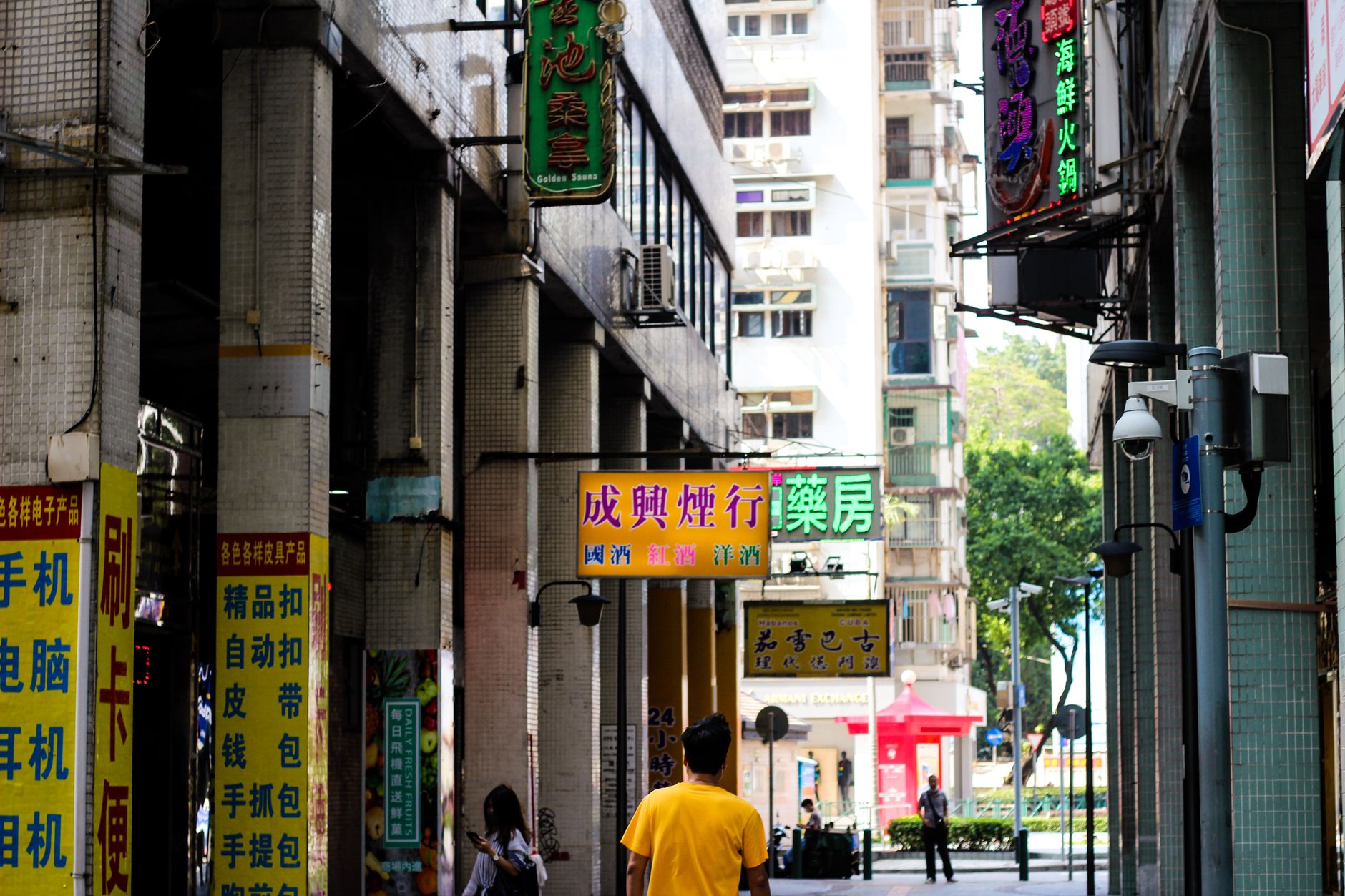
Can’t-Miss Street Food Dishes, With Price Ranges
All prices below are typical as of November 2026 at local, non-tourist stalls; prices on the main Beiyuanmen strip may be 2–3 times higher for identical items. All food sold in the core quarter is prepared according to Halal dietary rules, so pork is not served at any local stall.
Roujiamo (Xi’an Meat Sandwich)
Slow-braised beef or lamb shredded and stuffed into a crisp, baked wheat flatbread, with recipe roots dating to the Qin dynasty. Price: 8–15 RMB per sandwich, enough for a light snack. Tip: Join lines of local customers; avoid pre-made sandwiches stored under heat lamps, which have soggy bread.
Liangpi (Cold Skin Noodles)
Chewy wheat or rice noodles tossed in chili oil, vinegar, garlic, and sesame paste, topped with bean sprouts, cucumber, and wheat gluten. Served cold, it is a popular pick on hot days. Price: 10–18 RMB per serving. Tip: Ask for mild spice if you are not used to high-heat food, as local Shaanxi chili oil carries a slow, warm burn.
Yangrou Paomo (Crumbled Flatbread in Lamb Soup)
Hearty lamb broth served with thin rice noodles, tender lamb pieces, and crumbs of hard wheat flatbread, which diners tear themselves before handing to the cook to add to the soup. Served with pickled garlic and chili sauce on the side. Price: 25–35 RMB per large bowl, enough for a full meal. Tip: Tear bread into fingernail-sized pieces for the best texture; allow 10–15 minutes for preparation, as this is not a quick grab-and-go snack.
Bingtang Hulu (Candied Fruit Skewers)
Skewers of hawthorn fruit (sometimes mixed with strawberries, grapes, or red bean-stuffed hawthorn) coated in a hard, clear sugar shell, balancing tart fruit and sweet crunch. Price: 5–12 RMB per skewer. Tip: Buy skewers with a dry, crisp sugar shell; sticky, soft shells mean the skewer has been sitting too long.
Persimmon Cakes (Shibing)
Small, round fried cakes made from mashed ripe persimmon and flour, stuffed with red bean paste, rose jam, or walnut, fried until crisp outside and soft inside. Price: 3–6 RMB per cake. Tip: Eat hot, but wait 1–2 minutes after purchase, as the filling can be hot enough to burn your mouth.
Cumin Lamb Skewers (Yangrou Chuan)
Small lamb pieces threaded on bamboo skewers, charcoal-grilled and dusted with cumin, dried chili, salt, and Sichuan peppercorn. Most stalls sell them in sets of 5 or 10. Price: 3–5 RMB per skewer, with a 5-skewer minimum at most locations.
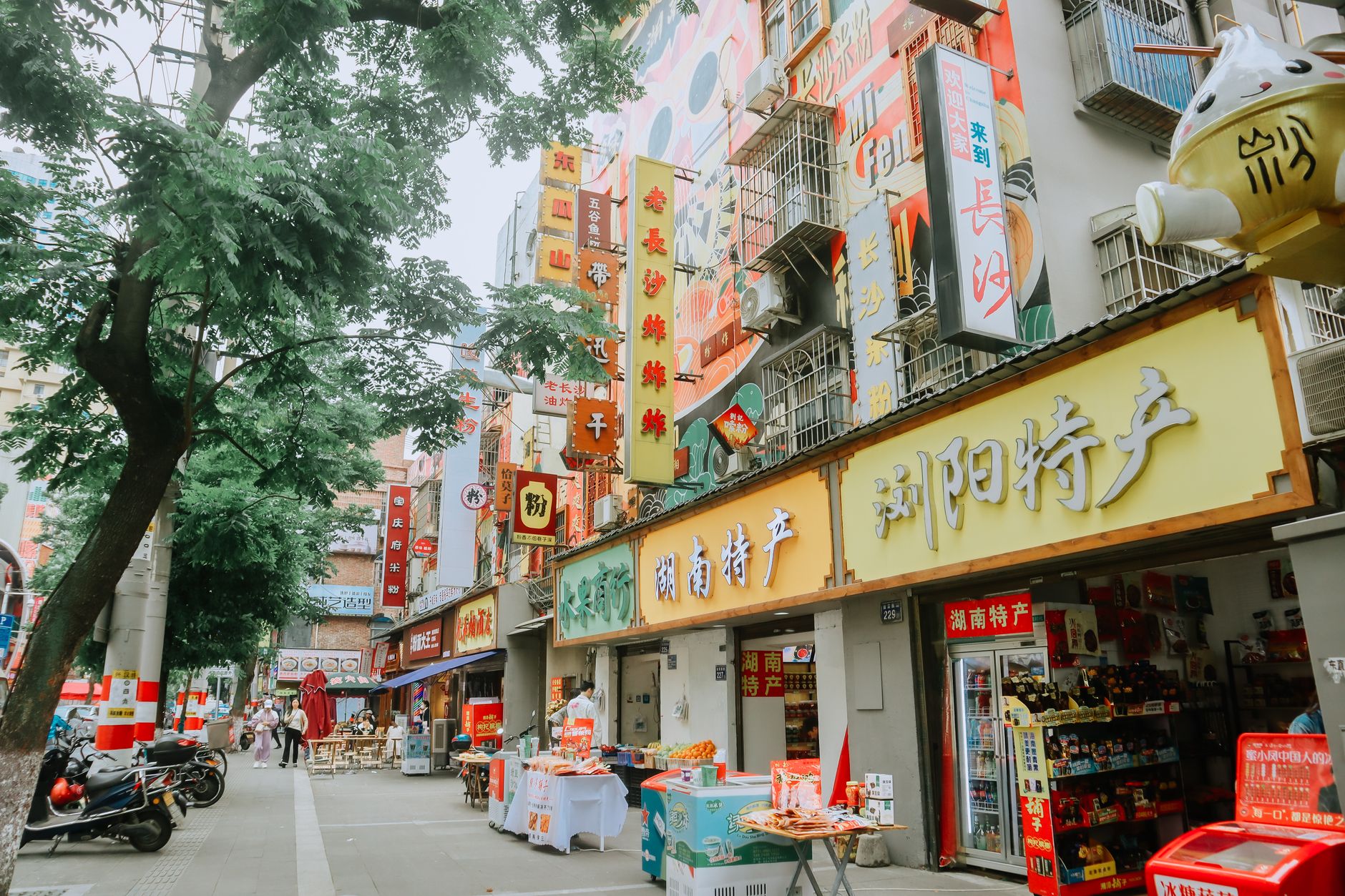
Common Tourist Mistakes to Avoid
- Not confirming prices first: A small number of stalls near the main entrance quote higher prices to foreign visitors or add unlisted fees. Point to the dish you want, ask the price, and confirm the total before paying.
- Eating only on the main Beiyuanmen strip: Food here is often pre-made, 2–3 times more expensive, and adjusted for assumed tourist tastes. Walk 5 minutes west to Dapiyuan or Sajinqiao lanes for traditionally cooked food at local prices.
- Ordering too much at once: Dishes are often more filling than they look, especially yangrou paomo and roujiamo. Order one or two items to share first, then add more if you are still hungry.
- Relying solely on card or international mobile payments: As of November 2026, roughly 60% of stalls accept WeChat Pay or Alipay linked to foreign cards, but many older family-run stalls only take RMB cash. Carry 100–200 RMB in small bills to avoid issues.
- Taking photos without permission: Most vendors welcome photos of their food, but ask before taking close-ups of their face or cooking setup, especially during busy hours.
- Visiting during peak weekend hours: The quarter is most crowded 7–9pm on weekends, when narrow lanes can see 20-minute waits to walk 100 meters. Visit 11am–2pm on weekdays, or 5pm–6pm on weekends, for shorter lines.
As of November 2026, most stalls in the core quarter are run by Hui families following Halal practice; pork and alcohol are not sold by core food vendors. If you have strict dietary requirements, confirm ingredients before ordering. Recheck payment guidance before travel, as international mobile payment coverage expands annually.
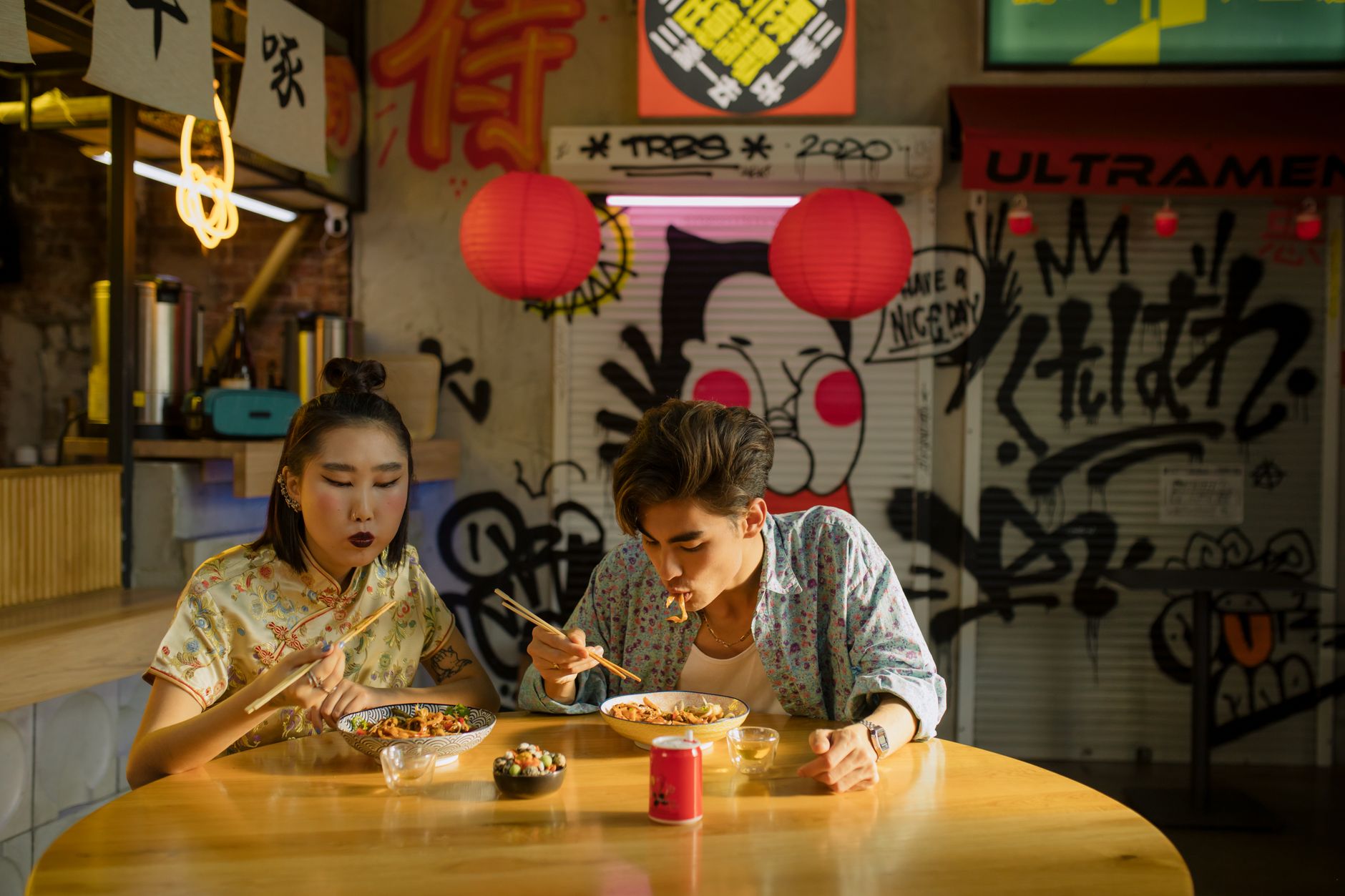
Sample 2-Hour Food Itinerary for First-Time Visitors
This route stays on the less touristy west side of the quarter, starts at the Drum Tower entrance, and is designed for two people sharing dishes to try the widest range without overeating. Total expected cost per person as of November 2026 is 75–90 RMB.
- Enter from the south entrance off Drum Tower Square, walk 200 meters north along Beiyuanmen, then turn left onto Dapiyuan Lane.
- First stop: Split one beef roujiamo (12 RMB) to eat while walking.
- Second stop: Share one serving of spicy liangpi (14 RMB) at the stall’s outdoor tables.
- Third stop: Buy two hot persimmon cakes (8 RMB total) for a sweet break.
- Fourth stop: Share one large bowl of yangrou paomo (30 RMB), taking 5 minutes to tear the bread into small pieces before handing it to the cook.
- Fifth stop: Split 10 cumin lamb skewers (40 RMB total).
- Final stop: Buy one bingtang hulu skewer (8 RMB) to eat while walking toward the Bell Tower for evening light-up views.
Guided Food Tour Options
For first-time visitors who want to avoid language barriers and tourist traps, HXXC Travel runs small-group Xi’an day tours that include a 2-hour guided walk through the Muslim Quarter’s local alleyways, led by a local Hui guide who introduces stall owners, explains dish history, and pre-orders a curated selection of dishes so you do not have to navigate menus or negotiate prices. As of November 2026, these tours are priced from 380 RMB per person, including all food tastings, Drum Tower entry, and pickup from Zhonglou Metro Station. Tours run daily at 11am and 5pm, with a maximum group size of 8 people to avoid overcrowding at small stalls.
Frequently Asked Questions
Is the Xi’an Muslim Quarter open every day?
As of November 2026, the public alleyways are open 24 hours a day, but most food stalls operate 10am–11pm. A small number of breakfast stalls open as early as 6am, and late-night skewer stalls stay open until 1am on weekends. Individual stall hours vary, and some close for family or religious observances without notice.
How much time do I need to spend in the Muslim Quarter?
Most first-time visitors spend 1.5–3 hours in the quarter, enough to walk the main lanes and try 3–4 dishes. Budget 3–4 hours if you plan to sit for a full yangrou paomo meal or browse souvenir stalls selling dried fruit, calligraphy, and traditional crafts.
Is the food in the Muslim Quarter safe for foreign visitors to eat?
Most stalls serve fresh, high-heat cooked food that is safe for visitors. Stick to stalls with high local customer turnover, where food is cooked to order, and avoid unpeeled raw produce sold at room temperature. If you have a sensitive stomach, bring antidiarrheal medication, as the high chili oil content in some dishes may be unfamiliar to people used to low-spice diets.
Can I drink alcohol in the Muslim Quarter?
The core residential and food areas are a Hui community where alcohol is not sold or consumed as part of local custom. You will not find alcohol for sale at food stalls in Dapiyuan, Sajinqiao, or Beiyuanmen lanes. A small number of tourist bars on the quarter’s outer edges may serve alcohol, but carrying open alcohol containers into core food lanes is considered impolite.
Do I need a guide to visit the Xi’an Muslim Quarter?
You can visit independently if you are comfortable navigating crowded alleys, carrying small cash bills, and pointing to dishes to order. A guide is helpful if you do not speak Mandarin, want to avoid tourist traps, or want to learn more about the Silk Road origins of Hui cuisine.
Related private tours
- 8-Day Hexi Corridor & Dunhuang Highlights Tour — 8 days · From US$1,370
- 4-Day Dunhuang Highlights Tour — 4 days · From US$725
- Xi'an Ancient Capital — Terracotta Warriors & Tang Dynasty Nights — 3 days