
Trip Overview
A 4–5 day Xiamen and Fujian tulou trip pairs coastal scenery, colonial architecture, and UNESCO Hakka round houses, with easy transport between the two areas.
Xiamen is a subtropical coastal city in southern Fujian, with mild weather year-round and a mix of Minnan Chinese and colonial-era cultural influences. The Fujian tulou are fortified communal residences built by Hakka and Minnan communities, located 2–3 hours inland from Xiamen in Nanjing and Yongding counties.
HXXC Travel offers customized small-group tours covering both areas, designed for first-time China travelers who want a mix of coastal relaxation and cultural heritage.
Xiamen Key Sights
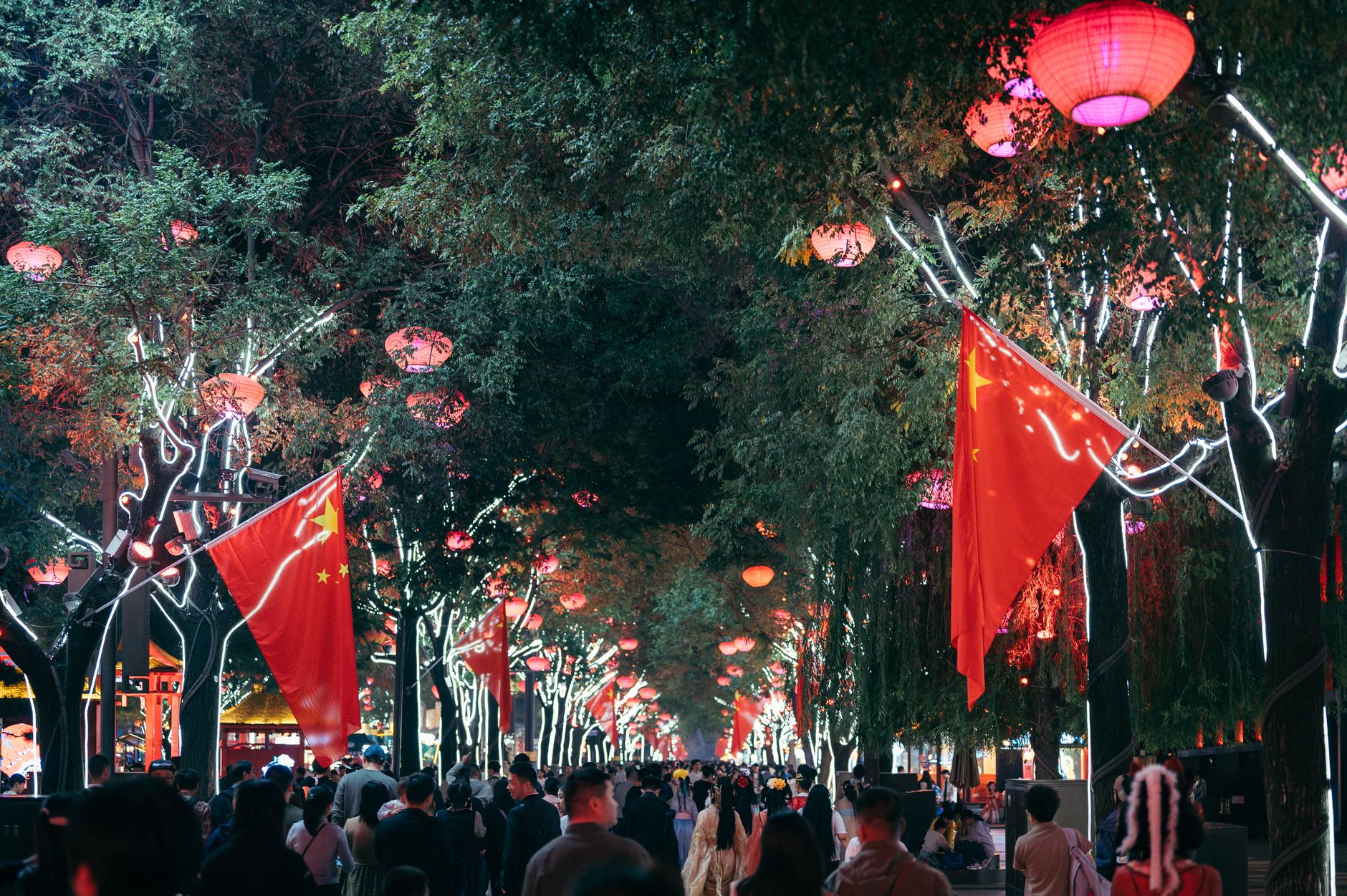
Xiamen’s main attractions are spread across its main island and nearby islets, with a focus on coastal scenery, history, and local food.
Gulangyu Island
Car-free Gulangyu Island is a 10-minute ferry ride from Xiamen’s Dongdu Cruise Center, known for its 19th and early 20th century colonial villas and piano-focused cultural sites.
As of November 2026, round-trip ferry tickets cost RMB 35 per person, with an additional RMB 50 entry fee for the island’s core scenic area, which includes Sunlight Rock, the highest point on the island.
Visit on a weekday to avoid weekend crowds; the last ferry back to Xiamen’s main island departs around 21:30.
Zengcuo’an and the Southern Coast
Zengcuo’an is a former fishing village turned pedestrian street lined with seafood stalls, coffee shops, and budget guesthouses, located along Xiamen’s southern coast.
Adjacent to Zengcuo’an is Huandao Road, a 43-kilometer coastal road with dedicated bike lanes. Bike rentals cost RMB 20–50 per hour as of November 2026.
Popular nearby beaches include Baicheng Beach (near Xiamen University) and Huangcuo Beach. Swimming is not recommended in summer due to strong currents and occasional red tides.
Nanputuo Temple and Xiamen University
Nanputuo Temple is a 1,000-year-old Buddhist temple at the foot of Wulao Peak, with free entry as of November 2026. It is one of the most important Buddhist sites in southern Fujian.
Xiamen University’s main campus is adjacent to the temple, known for its palm-lined paths and colonial-era academic buildings. As of November 2026, visitors need to book a free entry slot via the university’s official WeChat mini-program up to 3 days in advance.
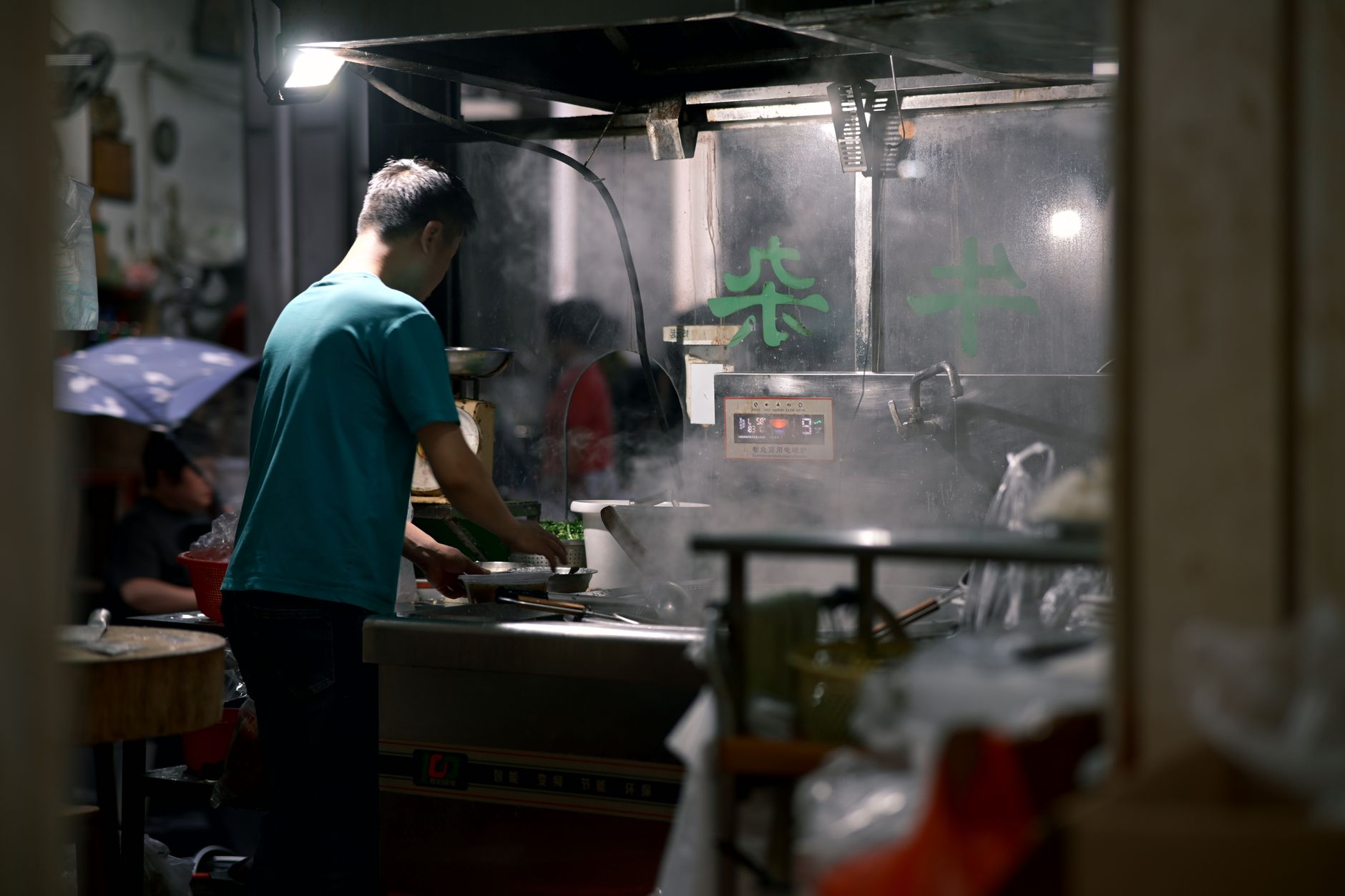
Try a bowl of satay noodles (shacha mian) from a street stall near the university’s south gate, a classic Xiamen snack.
Getting from Xiamen to the Fujian Tulou
There are three main transport options between Xiamen and the tulou clusters in Nanjing and Yongding counties:
- High-speed rail: Xiamen North Station to Nanjing Station takes about 1 hour 15 minutes, with one-way tickets costing RMB 60–80 as of November 2026. From Nanjing Station, it is a 40-minute bus or taxi ride to the Nanjing Tulou Cluster. For Yongding tulou, take the high-speed rail to Yongding Station (2 hours, RMB 100–130 one-way), then a 30–40 minute road transfer.
- Private car or tour van: The most convenient option for visiting multiple tulou sites, as public transport between individual tulou is limited. HXXC Travel includes private transfers with English-speaking guides on all its tulou itineraries, with pick-up and drop-off at Xiamen hotels.
- Long-distance bus: Buses from Xiamen Bus Station to Nanjing or Yongding take 3–4 hours, with lower ticket prices but less frequent departures and slower travel times.
As of November 2026, high-speed rail tickets can be booked via the official 12306 app or at station counters; international travelers need their passport to collect physical tickets. Re-check schedules and booking rules before travel, as service frequencies can change.

Fujian Tulou Highlights
The Fujian tulou are a collection of over 40 fortified communal residences built between the 13th and 20th centuries, inscribed as a UNESCO World Heritage Site in 2008. They were designed to house entire extended clans, with thick earthen walls for defense and shared communal spaces at their center.
Nanjing Tulou Cluster
The Nanjing Tulou Cluster is the closest to Xiamen, making it ideal for a day trip or short overnight stay. Its most famous site is the Tianluokeng Tulou Cluster, known locally as "four dishes and one soup" for its formation of one square tulou surrounded by four round tulou on a hillside.
As of November 2026, a combined ticket for Tianluokeng, Yuchang Lou, and Taxia Village costs RMB 100 per person.
Yuchang Lou, built in 1308, is the oldest surviving tulou in Nanjing, known for its tilted wooden pillars that have stood for over 700 years.
Taxia Village is a 600-year-old Hakka village with stone bridges, ancestral halls, and smaller, less crowded tulou set along a river.
Yongding Tulou Cluster
The Yongding Tulou Cluster is larger and more spread out than Nanjing’s, with more iconic round tulou structures. It is better for visitors who want a deeper look at Hakka culture and rural Fujian life.
Hongkeng Tulou Cluster is home to Chengqi Lou, called the "King of Tulou" — a 4-story round house with 400 rooms, built in 1709. As of November 2026, entry to Hongkeng costs RMB 90 per person.
Chuxi Tulou Cluster is a more remote site with 10 well-preserved tulou, including Jiqing Lou, the largest round tulou in Yongding. It is less commercialized than Hongkeng, with fewer day-trippers.
Tulou Overnight Stays
Many tulou have been converted into guesthouses, offering basic accommodation for visitors who want to stay overnight.
As of November 2026, basic shared-room guesthouses start at RMB 150–250 per night, while private en-suite rooms in renovated tulou cost RMB 400–800 per night.
Staying overnight lets you see the tulou lit up after day-trippers leave, and try home-cooked Hakka meals prepared by local families.
Sample 5-Day Itinerary
This 5-day itinerary balances coastal exploration in Xiamen with a deep dive into tulou culture, suitable for first-time travelers to southern China:
- Day 1: Arrive in Xiamen and check into a hotel in the central Siming District. Walk Zhongshan Road pedestrian street in the evening, and try local snacks like oyster omelets (haojian) and peanut soup.
- Day 2: Take the ferry to Gulangyu Island for a full day of exploring colonial villas, the piano museum, and Sunlight Rock. Return to the main island in the evening and eat seafood at Zengcuo’an.
- Day 3: Visit Nanputuo Temple in the morning, then enter Xiamen University’s campus (pre-booked entry required). Rent a bike in the afternoon and ride along Huandao Road’s coastal bike path. Take the evening high-speed rail to Nanjing and check into a tulou guesthouse.
- Day 4: Tour the Tianluokeng Tulou Cluster, Yuchang Lou, and Taxia Village. Join a home-cooked Hakka dinner with your guesthouse host family, featuring dishes like stuffed tofu (niang doufu) and braised pork with preserved vegetables (meicai kourou).
- Day 5: Visit a lesser-known local tulou such as Hekeng Lou in the morning. Take a private transfer back to Xiamen in the afternoon for departure or an extended stay.
Practical 2026 Travel Tips
Visa and Entry
As of November 2026, citizens of 57 countries (including the US, UK, Canada, Australia, and most EU nations) are eligible for 240-hour visa-free transit in Fujian province.
To qualify, you must arrive by air, cruise, or high-speed rail from a third country, hold a valid passport, and have a confirmed onward ticket to a third destination within 240 hours.
For trips longer than 240 hours, apply for a standard Chinese L (tourist) visa in advance from your local Chinese embassy or consulate. Always re-check visa policies before travel, as rules can change.
Typical Costs
A mid-range 5-day trip to Xiamen and the tulou costs RMB 3,000–5,000 per person, including accommodation, meals, local transport, and entry tickets.
Budget trips can be done for RMB 2,000–3,000 per person by staying in hostels and using public transport. Luxury private tours with high-end accommodation and a personal guide start at RMB 8,000 per person.
HXXC Travel’s small-group 5-day Xiamen and tulou tours start at RMB 4,200 per person, including all transfers, English-speaking guide, 4 nights of accommodation, and most meals.
Local Food
Xiamen’s cuisine is part of the Minnan (southern Fujian) culinary tradition, with an emphasis on fresh seafood and savory-sweet flavors.
Popular Xiamen snacks include oyster omelets (haojian), satay noodles (shacha mian), peanut soup, and ginger duck. Sea worm jelly (tusun dong) is a local curiosity, made from boiled sea worms that set into a gelatin.
Hakka tulou cuisine features hearty, rustic dishes such as stuffed tofu (niang doufu), braised pork with preserved vegetables (meicai kourou), bamboo shoot stir-fries, and homemade rice wine.
Street food in Xiamen is generally safe for international travelers; stick to busy stalls with high customer turnover.
Best Time to Visit
The best time to visit Xiamen and the Fujian tulou is March to May and September to November, when temperatures range from 15–25°C (59–77°F) and rainfall is low.
June to August is hot and humid, with temperatures reaching 28–35°C (82–95°F), and occasional typhoons that can disrupt transport.
December to February is cool and dry, with temperatures around 10–15°C (50–59°F), and fewer crowds, making it a good option for budget travelers.
FAQ
How many days do you need for Xiamen and tulou?
Most travelers need 4–5 days total: 2–3 days for Xiamen’s coast and cultural sites, and 1–2 days for the tulou clusters. A day trip to the Nanjing tulou is possible from Xiamen, but an overnight stay gives you more time to explore village life after day-trippers leave.
Is the Fujian tulou worth visiting?
Yes, if you are interested in traditional Chinese architecture, Hakka culture, or rural mountain landscapes. The tulou are unique communal structures built to house entire clans, and they are not found anywhere else in the world.
Can you visit tulou without a tour?
Yes, but public transport between individual tulou sites is limited. You can take the high-speed rail from Xiamen to Nanjing or Yongding, then hire a local taxi or driver for the day. For first-time visitors who do not speak Chinese, a guided tour with pre-arranged transfers is more convenient. HXXC Travel offers both private and small-group tulou tours from Xiamen.
What is the best tulou cluster to visit from Xiamen?
The Nanjing Tulou Cluster is the closest to Xiamen, about 2.5 hours by car, making it ideal for a day trip or short overnight stay. The Tianluokeng "four dishes and one soup" formation is the most photographed, and Taxia Village offers a quieter look at Hakka village life.
Do I need a visa to visit Xiamen?
As of November 2026, citizens of 57 eligible countries can use 240-hour visa-free transit in Fujian if they meet the transit requirements. For longer stays, you will need a valid Chinese tourist visa. Always confirm current visa rules with your local Chinese embassy before travel.
Popular China tours
- 25-Day China Cross-Country Travel Itinerary — 25 days
- Best Of China — 20-Day Private Tour — 20 days
- Best Of China — 16-Day Private Tour — 16 days