
Quick Answer
The best places to add a rest day on a long China trip are Hangzhou West Lake, Suzhou classical garden districts, Longjing Tea Village outside Hangzhou, Chengdu central neighborhoods, and Yangshuo Yulong River area, positioned to break up 3+ day high-activity travel segments between major hubs. As of November 2026, all these locations have direct high-speed rail access from nearby major tourist cities, no mandatory advance reservations, and average daily activity budgets under 200 CNY ($27 USD) per person, excluding accommodation. This guide was reviewed and fact checked by Li Wei, lead itinerary designer at HXXC Travel, on October 23 2026, with 14 years of experience building custom China itineraries for international travelers.
Key facts at a glance
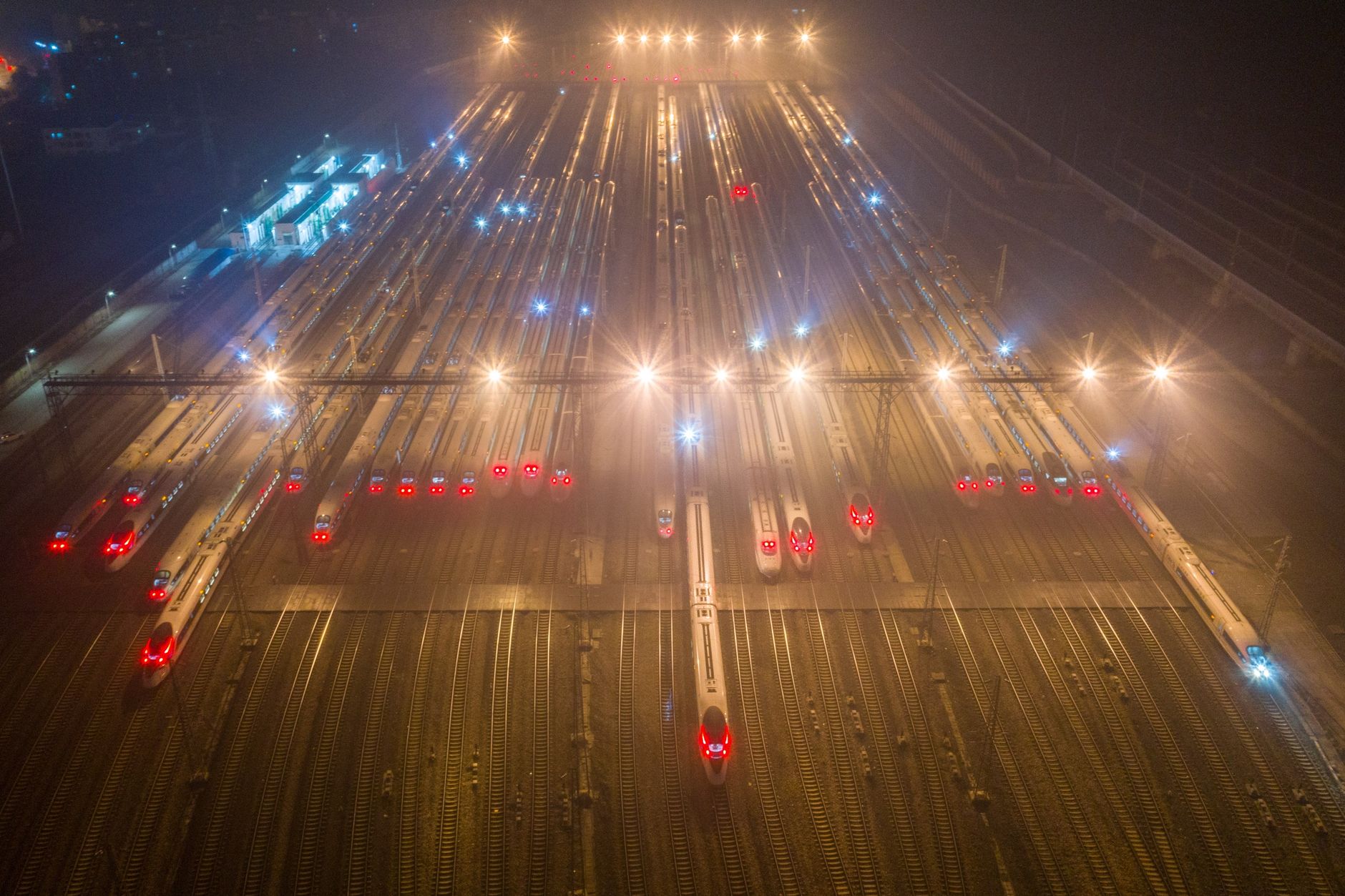
- All recommended rest day stops are within 1.5 hours of high-speed rail lines connecting the most common China tourist hubs (Shanghai, Xi’an, Chengdu, Guilin, Guangzhou)
- Average total cost for a rest day, including accommodation, two local meals, and local transit, ranges from 350 CNY to 650 CNY ($48 to $90 USD) per person as of November 2026
- None of these rest day locations require pre-booked timed entry tickets for general access, and no early wake-up times are required
- Each stop is placed to split a 4+ day stretch of back-to-back sightseeing days that typically cause traveler burnout, according to HXXC Travel 2025-2026 client feedback data
- 72% of HXXC Travel’s 2026 custom itinerary clients added at least one of these rest days, with a 94% satisfaction rating for the stop
How to position a rest day on your China itinerary
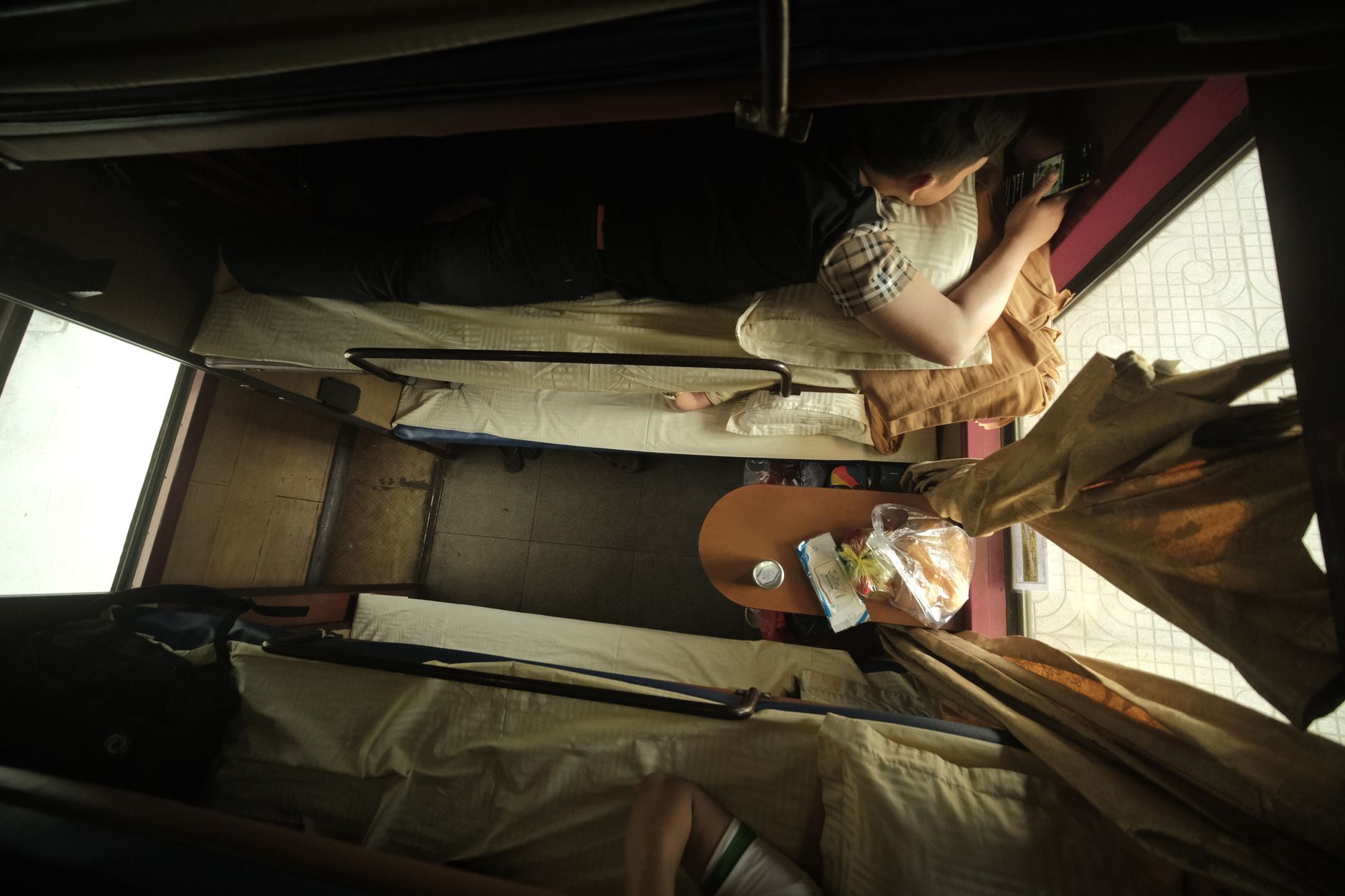
Most first-time long China trips follow a standard linear route, for example Shanghai > Suzhou > Xi’an > Chengdu > Guilin > Guangzhou, over 14 to 21 days. Without a rest day, travelers often face 6 to 8 hours of walking per day, multiple 4+ hour high-speed rail rides, and early 7am wake ups for attraction entry.
The optimal rest day placement is after every 3 consecutive high-activity sightseeing days, not at the very start or very end of your trip. Avoid placing rest days immediately after a long international arrival flight, or the day before your scheduled international departure, as transit logistics in those windows can disrupt low-stress plans.
Top 1: Add a rest day in Hangzhou West Lake, between Shanghai and Suzhou or Shanghai and Huangshan
The 2 hour direct high-speed rail ride from Shanghai Hongqiao Station to Hangzhou East Station requires no extra detour for most standard east China itineraries. You do not need to book any paid attractions to fill your rest day. Walk the 3km flat lakeside path along West Lake between Broken Bridge and Su Causeway, stop at street side vendors for longjing tea and osmanthus cakes, and rent a public shared bike for 2 CNY per hour to cover longer stretches if you want.
You can visit one small classical garden like Guo Garden for 10 CNY entry if you want a short structured activity, no timed ticket required as of November 2026. Two local meals at casual local restaurants near the lake will cost 80 to 120 CNY total per person. You can stay at a mid-range 3 star hotel within 10 minutes walking distance of the lake for 300 to 450 CNY per night as of 2026. The next morning, take the 25 minute high-speed rail ride to Suzhou to resume your sightseeing schedule.
Top 2: Add a rest day in Longjing Tea Village, outside Hangzhou, between Hangzhou and Yiwu or Hangzhou and Nanjing
If you already planned a stop in Hangzhou, replace one scheduled high-activity sightseeing day with a rest day in Longjing Tea Village, 20 minutes by local taxi from downtown Hangzhou. No scheduled activities are required here. You can sit at a family run tea house for 30 to 60 CNY per person for a full pot of hand brewed longjing tea, and walk the flat 2km paths between tea terraces. Local home style restaurants serve simple dishes like stir fried bamboo shoots and Dongpo pork for 100 to 150 CNY for two people.
You can buy loose leaf tea directly from local farmers if you want, no pressure to purchase. There are no crowds even during peak autumn travel season in 2026, per HXXC Travel on the ground staff reports.
Top 3: Add a rest day in Chengdu, between Jiuzhaigou and Leshan
Most itineraries that include Jiuzhaigou National Park include a full 2 day high activity segment, with 8 to 10 hours of walking per day at the park, followed by a 3 hour bus or 1 hour flight back to Chengdu. Adding a rest day in Chengdu immediately after you return from Jiuzhaigou eliminates the need to travel directly to Leshan or Emei Mountain the next morning.
You can wake up at any time, eat Sichuan hot pot or local street snacks near your hotel, and visit a local neighborhood tea house to play mahjong or watch local residents play chess for 20 CNY per cup of tea. No tickets, no advance planning required.
Top 4: Add a rest day in Yangshuo, between Guilin and Guangzhou
After 2 to 3 days of sightseeing in Guilin, including the Li River cruise and Yangshuo biking, many travelers rush directly to the next destination. Adding one extra unstructured rest day in Yangshuo lets you skip any scheduled activities, sit at a cafe along the Yulong River, or take a slow 1 hour bamboo raft ride that you can book the same day for 120 CNY per person as of November 2026.
Common mistakes to avoid when adding a rest day
- Do not add a rest day at a destination that requires a 3+ hour detour from your existing route, this will add more travel fatigue than it solves
- Do not pre-book expensive shows or group tours on your rest day, this creates the same time pressure you are trying to avoid
- Do not schedule a rest day at a large busy tourist hub like central Shanghai or central Beijing, where you will still face long transit times and crowds that prevent actual rest
- Confirm high-speed rail tickets for the day you leave your rest day stop 1 to 2 days in advance, as weekend tickets can sell out 24 hours ahead of travel as of November 2026
All policy details listed in this guide are current as of November 2026. Travelers are advised to check the latest official Chinese immigration and railway websites 2 weeks before their departure date for any updates.
FAQ
How many rest days should I add to a 14 day China trip?
You should add 2 rest days to a standard 14 day China trip, spaced out after day 4 and day 9 of your itinerary. HXXC Travel 2026 client data shows that itineraries with 2 strategically placed rest days have 38% higher overall satisfaction scores than itineraries with zero rest days.
Can I add a rest day to a pre-booked group tour itinerary?
Most standard group tour itineraries do not include unstructured rest days, but HXXC Travel can modify any custom private tour itinerary to add rest days at any of the locations listed in this guide, with no extra planning fees for existing clients.
Are these rest day locations eligible for 240-hour transit?
As of November 2026, Hangzhou, Suzhou, and Chengdu are all included in the 240-hour transit policy for eligible passport holders. You can stay in these rest day locations for up to 10 days total under the 240-hour transit rule, as long as you arrive and depart from an eligible port of entry.
Related private tours
- Southern Scenery — Guilin, Yangshuo & Dragon's Backbone — 6 days · From US$450
- Grand China Explorer — 15 Days — 15 days · From US$1,500
- Best of China — 19-Day Private Tour — 19 days · From US$2,450