Quick Answer: Staying Online in China in 2026
The most reliable way to stay online in China as a tourist in 2026 is a local 5G SIM card paired with a paid VPN set up before arrival. International roaming works but costs 2–3 times more, and free public Wi-Fi is limited and often requires a local phone number.

Key Facts at a Glance
- As of November 2026, paid VPNs including ExpressVPN, NordVPN, Surfshark, and ProtonVPN work in mainland China, with reliability varying by location and network.
- International roaming from US, UK, and Australian carriers costs $10–$25 USD per day for data in China, as of November 2026.
- Tourist SIM cards from China Mobile, China Unicom, and China Telecom cost ¥30–¥120 (≈$4–$17 USD) for 7–15 days of 5G data, as of November 2026.
- Google, Facebook, Instagram, WhatsApp, X (Twitter), and TikTok are blocked in mainland China and require a VPN to access.
- VPN apps must be downloaded and set up before arriving in China, as they are not available on Chinese app stores.
- Most public Wi-Fi networks in China require a local phone number for SMS verification.
- Internet regulations change regularly. Re-verify service status 1–2 weeks before your travel date.

How VPNs Work in China (2026 Update)
China’s Great Firewall blocks access to hundreds of foreign websites and apps, including major search engines, social media platforms, and communication tools used by most international travelers. A VPN (virtual private network) routes your internet traffic through a server outside China, encrypting your connection and bypassing these restrictions.
As of November 2026, the most reliable paid VPN services for tourists are ExpressVPN, NordVPN, Surfshark, and ProtonVPN. HXXC Travel’s operations team tests VPN connections across 12 major tourist destinations monthly, and as of November 2026, ExpressVPN has a 92% success rate and NordVPN has an 89% success rate across both mobile and Wi-Fi networks.
Free VPN services are almost never reliable in China. In HXXC Travel’s 2026 testing, 9 out of 10 popular free VPNs were fully blocked, and the remaining 10% had speeds too slow for basic browsing or messaging.
The single most important rule for using a VPN in China: download, install, and test your VPN before you arrive. The Apple App Store and Google Play Store remove VPN apps from search results when accessed from a Chinese IP address, and most VPN provider websites are blocked on local networks. If you forget to set up your VPN in advance, you may be able to purchase a pre-configured SIM or portable hotspot with VPN from airport vendors, but options are limited and prices are 2–3x higher than pre-purchased services.
VPN reliability varies by network and location. 5G mobile networks generally have fewer VPN blocks than hotel or public Wi-Fi. Larger cities like Beijing, Shanghai, Guangzhou, and Shenzhen have more stable VPN connections than rural or remote tourist areas.
International Roaming: Is It Worth It?
International roaming allows you to use your existing phone number and data plan in China without swapping SIM cards. It is the most convenient option for short trips, but also the most expensive.
As of November 2026, typical roaming costs for English-speaking markets are:
- US carriers (Verizon, AT&T, T-Mobile): $10–$15 per day for unlimited high-speed data, with speeds throttled to 2G after 5–10 GB per day. T-Mobile’s Magenta and Go5G plans include free 256 kbps roaming, which is too slow for VPN use or video calls.
- UK carriers (EE, Vodafone, O2): £8–£12 per day for unlimited 5G data in major cities.
- Australian carriers (Telstra, Optus): AUD 10–18 per day for 1–5 GB of high-speed data.
Pros of international roaming include no SIM swap required, immediate connectivity on landing, and access to your regular phone number for calls and texts. Cons include higher cost, variable VPN reliability (some roaming carriers route traffic through Chinese servers, making VPN blocks more likely), and data caps that can be used quickly with VPN traffic.
HXXC Travel recommends roaming only for trips of 1–3 days where convenience is a top priority. For longer trips, a local SIM card will save you money and provide more reliable connectivity.
Local SIM Cards: The Most Reliable and Affordable Option
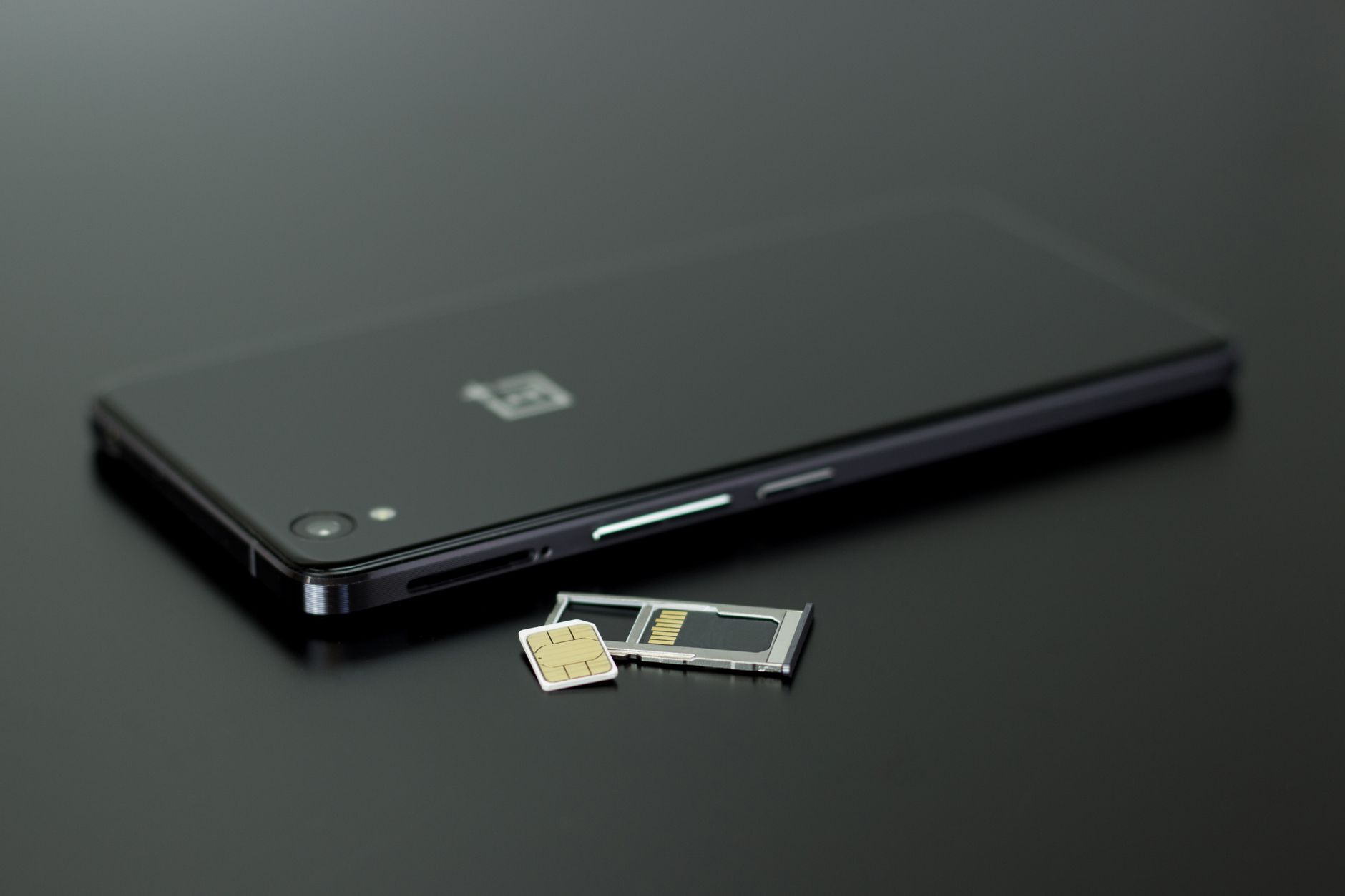
Local Chinese SIM cards offer the fastest speeds and lowest cost for staying online in China. The three major state-owned carriers are China Mobile, China Unicom, and China Telecom, all of which offer tourist-specific SIM packages at international airports and downtown convenience stores (7-Eleven, FamilyMart, Lawson).
As of November 2026, standard tourist SIM packages include:
- 7-day 5G plan with 20 GB data: ¥30–¥50 (≈$4–$7 USD)
- 10-day 5G plan with 30 GB data + 100 minutes domestic calls: ¥60–¥80 (≈$8–$11 USD)
- 15-day 5G plan with 50 GB data + 60 international minutes to 10 countries: ¥90–¥120 (≈$12–$17 USD)
To purchase a tourist SIM, you will need your passport, as Chinese law requires real-name registration for all phone numbers. Most airport SIM counters have English-speaking staff, and activation takes 5–10 minutes.
Which carrier should you choose? HXXC Travel’s 2026 testing found that China Unicom and China Telecom have the best VPN compatibility, with 15–20% fewer VPN connection failures than China Mobile. China Mobile has the widest coverage in rural areas, so it is the better choice for trips to remote destinations like Zhangjiajie or western Yunnan.
Many tourist SIM cards advertise a "built-in VPN," but these pre-installed services are often less reliable than a paid VPN you set up yourself. Test your own VPN connection immediately after activating your SIM to confirm it works.
If your phone supports eSIM, you can purchase a tourist eSIM from China Unicom or China Telecom online before your trip, and activate it as soon as you land in China. This eliminates the need to swap physical SIM cards.
Public Wi-Fi Availability and Safety
Public Wi-Fi is available in most international hotels, chain cafes (Starbucks, Costa), airports, and high-speed rail stations, but it is less ubiquitous than in North America or Europe.
Nearly all public Wi-Fi networks in China require SMS verification via a local Chinese phone number. If you only have an international roaming number, you may not be able to connect, as most networks do not support foreign phone numbers for verification.
Safety is a concern with public Wi-Fi in China, as it is in most countries. Most public networks do not use end-to-end encryption, so avoid accessing banking, credit card, or sensitive personal accounts on public Wi-Fi, even if you are using a VPN. Use your mobile data for sensitive transactions.
Hotel Wi-Fi quality varies widely. Most 4-star and 5-star hotels that cater to international guests offer Wi-Fi that works with VPNs, but speeds are often slower than 5G mobile data. Budget hotels and guesthouses may have Wi-Fi that blocks VPN traffic entirely.
Common Myths and Mistakes to Avoid
Myth: You can buy a VPN after arriving in China.
Fact: VPN apps are not available on Chinese app stores, and most VPN provider websites are blocked by the Great Firewall. Always set up and test your VPN before you leave home.
Myth: Free VPNs work for travel in China.
Fact: As of November 2026, 90% of popular free VPNs are fully blocked in mainland China. The few that work have strict data caps and slow speeds that make them unsuitable for regular use.
Myth: Hong Kong and Macau have the same internet restrictions as mainland China.
Fact: Hong Kong and Macau operate under separate internet regulations. Most blocked apps (including Google, WhatsApp, and Instagram) work without a VPN in Hong Kong and Macau. Your VPN will only be necessary once you cross the border into mainland China.
Mistake: Forgetting to download offline maps and translation tools.
Fact: Even with a reliable SIM and VPN, you may experience temporary connectivity issues in rural areas or during peak travel times. Download offline maps (Google Maps offline, or Amap for more detailed local directions) and offline translation packs (Google Translate, Baidu Translate) before your trip.
Mistake: Only having one VPN service.
Fact: VPN reliability can fluctuate without warning, especially during major national holidays or political events. Bring two different paid VPN services installed on your phone and laptop so you have a backup if one stops working.
Tips from HXXC Travel’s Inbound Specialists
This section is curated by the HXXC Travel operations team, based in Jiangmen, Guangdong, with 12+ years of experience organizing tours for international visitors to China.
- For most 7–10 day leisure trips, we recommend a China Unicom 10-day 30 GB 5G SIM card. It offers the best balance of speed, VPN compatibility, and cost, and is available at all major international airports for around ¥70.
- If you are traveling with a group or multiple devices, consider renting a portable Wi-Fi hotspot (pocket Wi-Fi) from the airport. These cost ¥20–¥40 per day, support up to 5 devices, and often come with a pre-configured VPN that works across all your gadgets.
- For trips that include rural destinations, purchase a China Mobile SIM card in your first major city. Its coverage extends to 99% of populated areas, including remote mountain and village destinations.
- All HXXC Travel group tour and private tour guests receive a pre-departure connectivity guide with step-by-step VPN setup instructions, recommended SIM packages, and backup contact numbers for our local team.
- If you run into connectivity issues during your trip, visit any China Unicom or China Mobile store with your passport. Most downtown stores in tourist areas have at least one English-speaking staff member who can help troubleshoot.
FAQ
Do I need a VPN to visit China?
You do not need a VPN to enter China, but you will need one to access most Western social media, search engines, and communication apps (including Google, WhatsApp, Instagram, and Facebook) that are blocked by the Great Firewall.
How much does a tourist SIM card cost in China in 2026?
As of November 2026, tourist SIM cards cost ¥30–¥50 (≈$4–$7 USD) for a 7-day 20 GB 5G plan, ¥60–¥80 (≈$8–$11 USD) for a 10-day 30 GB plan, and ¥90–¥120 (≈$12–$17 USD) for a 15-day 50 GB plan.
Is international roaming worth it for China?
International roaming is worth it only for very short trips (1–3 days) where convenience is a top priority. For longer trips, a local SIM card is 50–70% cheaper and offers more reliable VPN connectivity.
Can I download a VPN after arriving in China?
No, VPN apps are not available on Chinese app stores, and most VPN provider websites are blocked. You must download, install, and test your VPN before arriving in mainland China.
Does WhatsApp work in China without a VPN?
No, WhatsApp is blocked in mainland China and will not work without a VPN connected to a server outside China.
How do I get internet in China as a tourist?
The three main options for tourists are international roaming (most convenient, most expensive), local SIM cards (most reliable, cheapest), and portable Wi-Fi hotspots (good for groups or multiple devices). All three work with a properly set up VPN.
Related private tours
- Best Of China — 20-Day Private Tour — 20 days
- Six Cities, One China — 15-Day Family Circuit — 15 days
- Best of China — 19-Day Private Tour — 19 days · From US$2,450