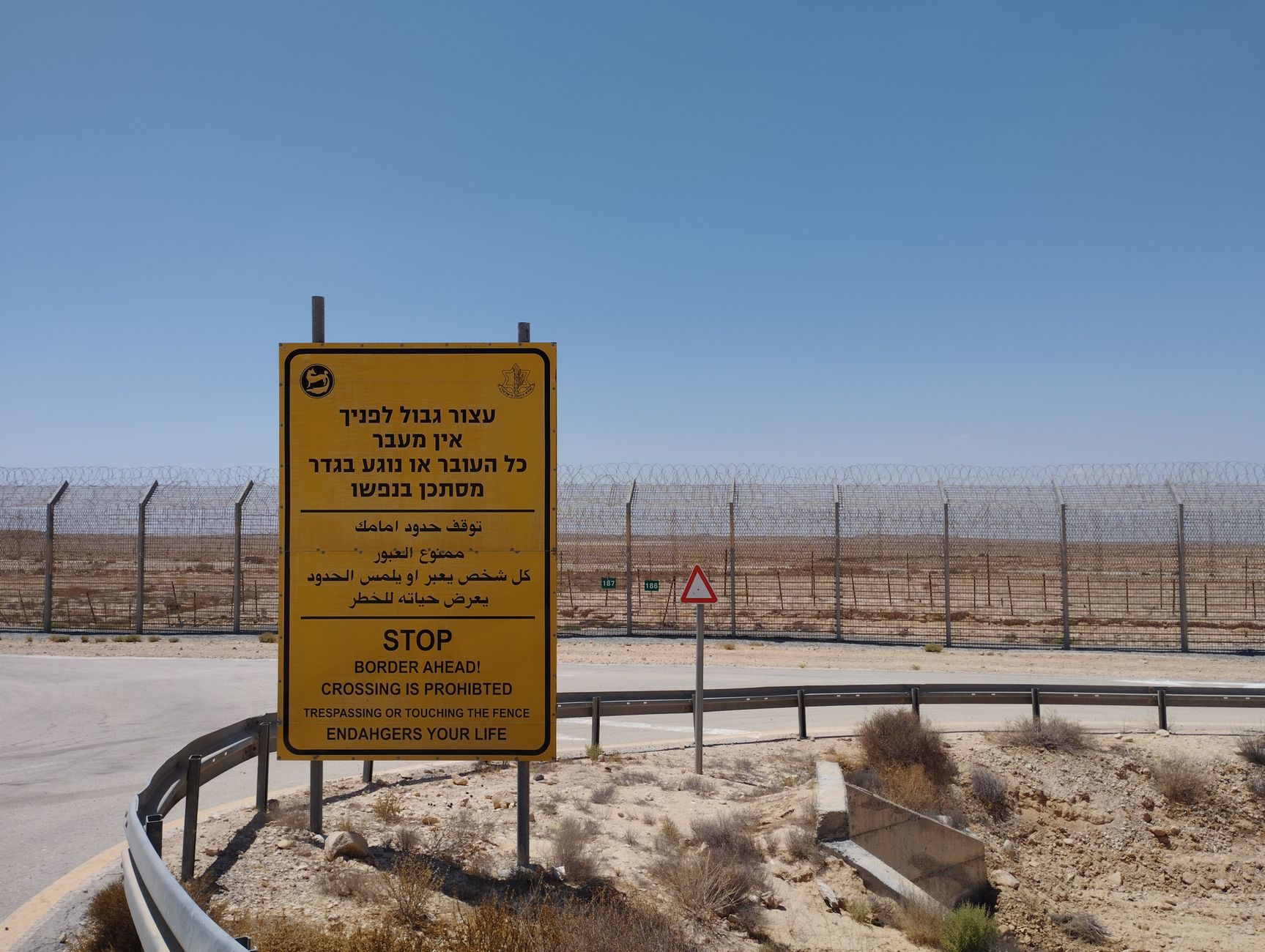
As of November 2026, China has no official "visa run" policy. Border hopping to reset your tourist stay is technically possible with a multiple-entry visa, but carries major entry denial risks.
This guide breaks down exactly what is allowed under current Chinese immigration rules, common border hop routes used by travelers, potential consequences of repeated crossings, and legal alternatives to extend your stay without risking your ability to enter China in the future. All time-sensitive details are current as of November 2026, and we recommend verifying policies 1-2 weeks before travel, as rules can change without notice.
What Exactly Is a China Visa Run?
A "visa run" (or border hop) is the practice of exiting mainland China to a nearby country or region, then immediately re-entering to get a new entry stamp. Travelers do this to extend their allowed stay when their current tourist visa is about to expire, without applying for a formal visa extension or new visa.
It is important to distinguish visa runs from official policies like the 240-hour visa-free transit or visa-free entry to specific regions. Visa runs are not an officially sanctioned way to extend your stay, and they rely on the discretion of border immigration officers.
Hong Kong and Macau are separate special administrative regions of China with their own customs and immigration systems. Crossing from mainland China to Hong Kong or Macau counts as an exit from mainland China, so these are the most popular locations for quick border hops.
Is Border Hopping to Reset a China Visa Legal?
There is no explicit Chinese law that bans visa runs or border hops. However, Chinese immigration officers have broad discretion to deny entry to anyone they believe is not a genuine tourist, or who is misusing a tourist visa for other purposes like work, study, or long-term residence.
Below are the key rules to understand:
Key Rule 1: You Must Have a Valid Multiple-Entry Visa
Single-entry tourist visas (L-type) become invalid as soon as you exit mainland China. You cannot re-enter on a single-entry visa after a border hop, even if your visa's validity period has not expired.
Visa runs only work if you hold a valid multiple-entry visa (most commonly a 10-year tourist L visa, or a multiple-entry business M visa). Each re-entry resets your allowed stay duration, which is typically 30, 60, or 90 days depending on your nationality and visa type.
Key Rule 2: Repeated Crossings Raise Red Flags
Immigration systems track every entry and exit, so officers can see your full travel history in China. Patterns that may trigger extra scrutiny or denial include:
- More than 2-3 border hops in a 6-month period
- Same-day or next-day round trips across the border
- Staying the maximum allowed number of days on every entry
- No proof of tourist activities, accommodation, or onward travel
If an officer decides you are not a genuine tourist, they can deny you entry, cancel your visa on the spot, or impose a ban on future entry (typically 6 months to 5 years, depending on the case).
Key Rule 3: Visa-Free Transit Is Not for Visa Runs
As of November 2026, China's 240-hour visa-free transit policy allows citizens of 57 countries to stay in designated transit zones for up to 10 days without a visa. However, this policy is intended for travelers passing through China en route to a third country or region, not for border hops.
A round trip from mainland China to Hong Kong and back does not qualify for visa-free transit, as you do not have a genuine onward itinerary to a third destination. Attempting to use visa-free transit for a visa run will almost always result in denial of entry.
Note: Immigration policies can change quickly. Always verify the latest rules with the nearest Chinese embassy or consulate, or your travel provider, 1-2 weeks before your planned trip.
Common China Border Hop Routes (2026)
Most border hops take place in southern China, where land borders with Hong Kong, Macau, and Southeast Asian countries are easily accessible. Below are the most common routes, listed by popularity. Using these routes does not guarantee re-entry to mainland China.
Guangdong → Hong Kong / Macau (Most Common)
This is the most widely used border hop route, thanks to frequent transport and short travel times between mainland Guangdong and the two SARs.
Key land border crossings (as of November 2026):
- Luohu (Shenzhen → Hong Kong): Open 6:30 a.m. to midnight, foot crossing, connected to Shenzhen Metro Line 1 and Hong Kong MTR East Rail Line.
- Futian (Shenzhen → Hong Kong): Open 6:30 a.m. to 10:30 p.m., foot crossing, connected to high-speed rail and metro.
- Gongbei (Zhuhai → Macau): Open 6 a.m. to 1 a.m., foot crossing, the busiest land border in the world.
- Qingmao (Zhuhai → Macau): Open 24 hours, foot crossing, for eligible travelers including those with electronic travel documents.
The Guangzhou-Shenzhen-Hong Kong high-speed train terminates at West Kowloon Station, which has co-located immigration facilities, so you clear both mainland Chinese and Hong Kong border control in the same building. One-way fares typically range from ¥75 (Shenzhen to Hong Kong) to ¥250 (Guangzhou to Hong Kong) as of November 2026, depending on train class.
Many travelers do a same-day hop: cross in the morning, spend a few hours in Hong Kong or Macau, then cross back in the evening. However, same-day trips are a major red flag for immigration officers, and you are far more likely to face extra questioning or denial.
To reduce risk, plan to stay at least 2-3 nights in Hong Kong or Macau, and keep receipts for accommodation, meals, and attractions to prove you were on a genuine side trip. You will also need a valid entry document for Hong Kong or Macau (most Western nationalities get 90 days visa-free for Hong Kong and 30 days for Macau, as of November 2026).
Guangxi → Vietnam
For travelers in southern China looking for a slightly longer side trip, the land border between Guangxi Zhuang Autonomous Region and Vietnam is a common option.
Key crossings:
- Youyi Guan (Pingxiang → Lang Son): The most popular land crossing for tourists, open 7 a.m. to 10 p.m. as of November 2026.
- Dongxing → Mong Cai: A coastal crossing, popular for travelers heading to Halong Bay or Hanoi.
Most travelers spend 2-5 days in Vietnam (visiting Hanoi, Halong Bay, or Sapa) before re-entering China. You will need a valid Vietnam e-visa or visa-on-arrival (depending on your nationality) and a multiple-entry China visa.
Officers at these land borders may ask more detailed questions about your travel plans, especially if you have a history of frequent crossings. Carry printed copies of your hotel bookings, return travel itinerary, and proof of sufficient funds.
Yunnan → Laos / Myanmar
Border hops from Yunnan Province to Laos or Myanmar are less common for quick trips, as travel to nearby tourist destinations takes longer. Most travelers spend 3-7 days in the neighboring country before re-entering China.
Key crossings:
- Mohan → Boten (Laos): The main land crossing for tourists, open 8 a.m. to 8 p.m. as of November 2026. This crossing connects to the China-Laos railway, which runs from Kunming to Vientiane.
- Ruili → Muse (Myanmar): As of November 2026, this crossing has restricted access for independent tourists, and most travelers need to join a guided tour to cross. Verify current border status before planning a trip to Myanmar via land.
Risks of Doing Visa Runs in China
Before planning a border hop, it is critical to understand the potential consequences, which can be severe:
- Entry denial: The most common risk. If an immigration officer suspects you are misusing your tourist visa, they can deny you entry immediately. You will be required to return to the country you came from at your own cost, which can mean buying a last-minute flight or train ticket.
- Visa cancellation: Your multiple-entry visa may be canceled on the spot, making you ineligible to re-enter China for the duration of the visa's validity.
- Entry ban: In more serious cases, you may be issued a ban on entering China for 6 months to 5 years, or even longer if you are found to have violated immigration laws.
- Detention: If you are suspected of working illegally, overstaying a previous visa, or other criminal activity, you may be detained for questioning.
- Future scrutiny: Even if you are allowed entry, a history of frequent border hops may lead to longer questioning and more checks on every future trip to China.
Legal Alternatives to Visa Runs
There are several legitimate ways to extend your stay in China without the risk of border denial. These options are officially sanctioned and will not cause issues with future immigration applications.
Extend Your Visa Within Mainland China
As of November 2026, holders of L-type tourist visas can apply for a one-time extension of up to 30 days at the local Exit-Entry Administration Bureau in the city where you are staying. You must apply before your current visa expires — overstaying can result in fines, detention, or entry bans.
Requirements for a tourist visa extension typically include:
- Valid passport with at least 6 months of remaining validity and blank visa pages
- Current L-type visa
- Proof of accommodation (hotel booking or residential registration form)
- Proof of sufficient funds for your extended stay (typically around ¥100 per day)
- A written reason for the extension (e.g., ongoing travel plans, family visit, medical treatment)
Processing time is typically 7 working days, and fees range from ¥160 to ¥300 depending on your nationality (based on reciprocity). Approval is not guaranteed, but most genuine tourist applications are accepted.
HXXC Travel can assist with extension application paperwork and guidance for travelers booked on its guided tours, helping you navigate local bureau requirements.
Apply for a Longer Visa Before Your Trip
If you know you will want to travel in China for an extended period, the easiest option is to apply for a longer multiple-entry visa before you leave home.
As of November 2026, citizens of many countries (including the US, Canada, UK, Australia, and most EU member states) are eligible for 10-year multiple-entry tourist L visas. Each stay is typically limited to 30, 60, or 90 days, but the 10-year validity means you can enter and exit multiple times without applying for a new visa each time.
Use Official Visa-Free Policies Legitimately
China has several official visa-free policies that you can use for short stays, as long as you meet the requirements:
- 240-hour visa-free transit: If you are traveling between two different countries and pass through a qualifying Chinese port of entry, you can stay for up to 6 days without a visa. This is ideal for adding a short side trip to Shanghai, Beijing, or Guangzhou on your way to or from another Asian destination.
- Hainan 30-day visa-free entry: Citizens of 61 countries can enter Hainan Province without a visa for up to 30 days, as of November 2026, if they book their trip through an approved travel agency. HXXC Travel, as a registered Guangdong-based tour operator, can arrange eligible Hainan tours that qualify for this policy.
Tips If You Do Plan a Border Hop
If you still choose to do a border hop despite the risks, follow these tips to minimize your chance of entry denial:
- Carry proof of genuine travel: Bring printed copies of hotel bookings for your stay in China, flight tickets for your eventual departure from China, a list of tourist attractions you plan to visit, and bank statements showing sufficient funds.
- Stay longer in the other country: Avoid same-day or next-day round trips. Spend at least 2-3 nights in Hong Kong, Macau, or the neighboring country, and keep receipts for accommodation and activities to prove you were on a real side trip.
- Don't max out your stay: Avoid staying the full 90 days (or whatever your maximum is) on every entry. Leaving a few days before your visa expires looks less suspicious.
- Be polite and prepared: If an officer asks you questions, answer clearly and honestly. Have all your documents ready to hand over quickly.
- Check border status in advance: As of November 2026, most land borders are fully open, but some may have temporary closures or reduced hours. Confirm opening times and entry requirements 1-2 weeks before your trip.
FAQ
Can I do a visa run from Shenzhen to Hong Kong?
As of November 2026, crossing from Shenzhen to Hong Kong counts as exiting mainland China, so you can re-enter if you have a valid multiple-entry China visa. However, same-day round trips are a major red flag for immigration officers, and you may face extra questioning or entry denial. You will also need a valid entry document for Hong Kong (most Western nationalities get 90 days visa-free). Always verify current rules before travel.
How many times can I do a China visa run?
There is no official limit on the number of border hops you can do, as there is no formal visa run policy. However, immigration officers have full discretion to deny entry if they believe you are not a genuine tourist. Most travelers report that 1-2 border hops per 6-month period are usually uneventful, but more than that significantly increases your risk of denial.
Do I need a visa for Hong Kong to do a border hop?
It depends on your nationality. As of November 2026, citizens of most Western countries (including the US, UK, Canada, Australia, and EU member states) can enter Hong Kong visa-free for 90 days. Citizens of other countries may need to apply for a Hong Kong visitor visa in advance. Check the Hong Kong Immigration Department website for the latest requirements for your passport type.
Can I extend my China tourist visa without leaving the country?
Yes. As of November 2026, you can apply for a one-time tourist visa extension of up to 30 days at your local Exit-Entry Administration Bureau, as long as you apply before your current visa expires. You will need to provide supporting documents like proof of accommodation, sufficient funds, and a reason for the extension. Approval is not guaranteed, but most genuine tourist applications are accepted. HXXC Travel can assist with extension guidance for travelers on its tours.
Is 240-hour visa-free transit the same as a visa run?
No. The 240-hour visa-free transit policy is an official program for travelers passing through China en route to a third country or region. A border hop (exiting China and immediately re-entering) does not qualify for visa-free transit, as you do not have a genuine onward itinerary to a different destination. Attempting to use transit policy for a visa run will almost always result in entry denial.
Related private tours
- 7 Days Yunnan Classic Private Travel Itinerary — 7 days
- Six Cities, One China — 15-Day Family Circuit — 15 days
- Best of China — 19-Day Private Tour — 19 days · From US$2,450