
Quick Answer: Can You Eat Vegetarian or Vegan in China?
Yes. As of November 2026, vegetarian meals are widely available across China, especially in major cities and tourist hubs. Vegan eating requires slightly more planning due to common use of oyster sauce, chicken broth, and lard in some savory dishes, but is fully achievable with basic phrase knowledge and advance notice. HXXC Travel, a Guangdong-based inbound tour operator, can pre-arrange dietary requirements for all private and group tours, including pre-vetted restaurants and custom meal stops.
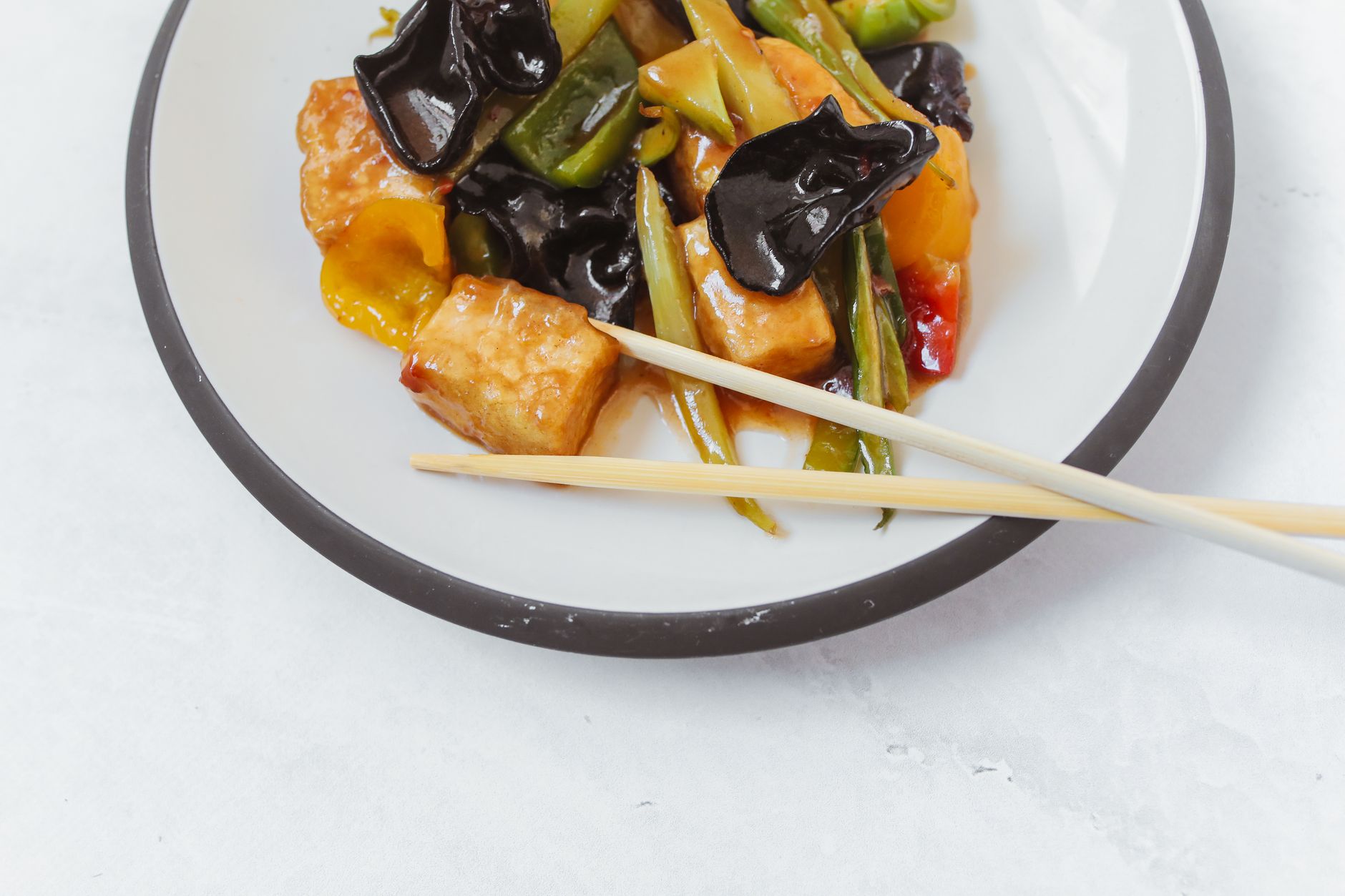
Must-Order Vegetarian & Vegan Chinese Dishes
Chinese regional cuisines have thousands of plant-based dishes, many rooted in Buddhist culinary traditions that date back over 1,000 years. Below are common, widely available dishes with pinyin names to show restaurant staff, plus notes on which are vegan by default and which require modifications.
Usually Vegan (Confirm No Oyster Sauce, Meat Broth, or Lard)
- Liang mian (cold noodles): Chewy wheat noodles tossed with cucumber, sesame paste, chili oil, and vinegar. Most street stall versions are vegan; ask to skip any meat floss or egg toppings.
- Kong xin cai (stir-fried water spinach): Crisp leafy green stir-fried with garlic and salt. Many restaurants add fermented bean curd (vegan) but some use oyster sauce – specify "bu yao hao you" (no oyster sauce).
- Su ma po dou fu (vegetarian mapo tofu): Sichuan classic with silken tofu, chili bean paste, and Sichuan peppercorn. Order the "su de" (vegetarian) version to skip the traditional ground pork; confirm no chicken broth is added.
- Hong dou bao (red bean steamed buns): Soft, fluffy steamed buns filled with sweet red bean paste, almost always vegan at bakeries and dim sum restaurants.
- Ou hua sheng tang (lotus root peanut soup): Clear, savory soup with lotus root chunks and peanuts; ask for "qing tang" (clear broth) to ensure it is made with water instead of meat stock.
Vegetarian (Contain Eggs or Dairy, Modifiable for Vegan)
- Xi hong shi chao ji dan (tomato and egg stir-fry): Ubiquitous, low-cost dish available at nearly every small restaurant. Ask for no egg and add extra tofu for a vegan version.
- Su jiao zi (vegetable dumplings): Typically filled with cabbage, chives, glass noodles, and egg. Request "bu fang ji dan" (don’t add egg) for vegan dumplings.
- Zhi ma bing (sesame pancake): Flaky, savory flatbread coated in sesame seeds. Many street versions use lard; ask for "su you zuo de" (made with vegetable oil) for vegan.
- Lu cha bing (green tea pancake): Sweet, crispy pancake with green tea flavor, usually vegan but confirm no butter or milk is added.
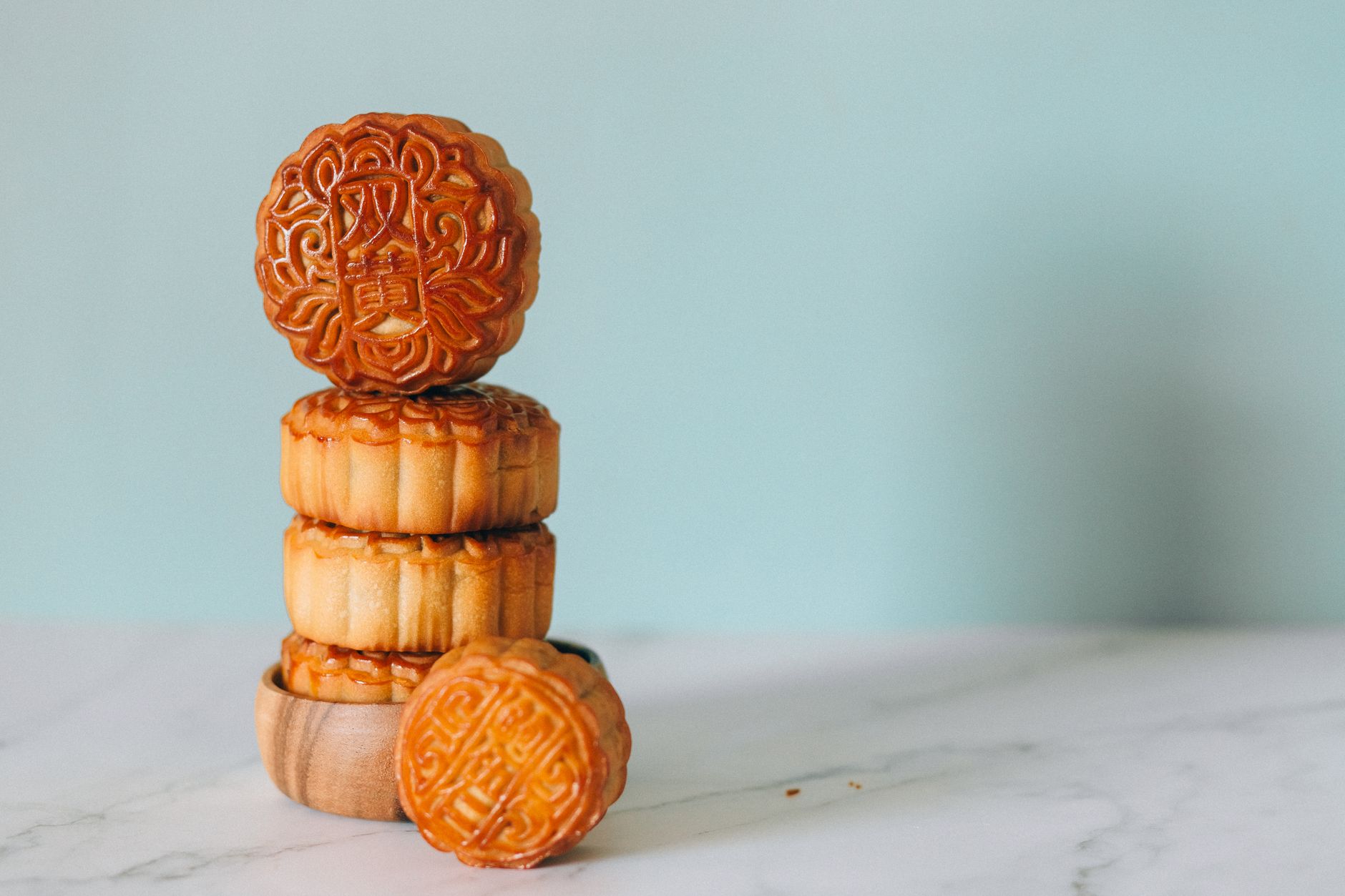
Buddhist Temple Vegetarian Cuisine: A Distinct Chinese Culinary Tradition
Buddhist temple vegetarian food (called fo zhai, or "Buddha’s food") is one of China’s oldest dedicated plant-based culinary traditions, with rules prohibiting meat, eggs, and strong-smelling vegetables like garlic and onion for monastics. Most large temples operate public vegetarian restaurants, many of which serve vegan dishes by default, and some even make plant-based "mock meat" from wheat gluten, tofu, and mushrooms.
Temple restaurants are often low-cost, with set meals or a la carte options, and are open to non-religious visitors. Notable temple restaurants in tourist hubs include:
- Fayuan Temple Vegetarian Restaurant in Beijing, near the Temple of Heaven, known for its hand-made noodles and gluten-based mock duck.
- Jade Buddha Temple Vegetarian Restaurant in Shanghai, which serves dim sum-style vegetarian dishes and set lunches for around 50-80 RMB per person.
- Liurong Si (Six Banyan Trees) Vegetarian Restaurant in Guangzhou, a 30-minute drive from HXXC Travel’s base in Jiangmen, famous for Cantonese-style vegetarian dim sum and lotus seed paste buns.
- Lingyin Temple Vegetarian Restaurant in Hangzhou, located near the temple’s entrance, with buffet-style meals for 30-50 RMB per person during peak tourist seasons.
City-by-City Vegetarian & Vegan Hotspots
Vegetarian and vegan options vary by city, with more dedicated restaurants in international hubs like Shanghai and Beijing, and more spice-forward plant-based dishes in inland cities like Chengdu. Below are tips for the most-visited tourist destinations.
Beijing
Beijing has a growing number of dedicated vegan restaurants, particularly in the Sanlitun and Wudaokou areas, plus hundreds of traditional vegetarian spots. In addition to temple restaurants, look for:
- Vegan hot pot restaurants, which offer plant-based broth (ask for no lard) and a wide range of tofu, mushroom, and vegetable ingredients.
- Street-side jian bing (savory crepe) stalls: most can make a vegan version if you ask for no egg and no crispy wonton (or confirm the wonton is fried in vegetable oil).
- Uyghur restaurants, which serve lagman (hand-pulled noodles) with vegetable toppings and naan bread, both often vegan.
Shanghai
Shanghai has the highest concentration of vegan restaurants in mainland China, as of November 2026, with everything from fine-dining vegan tasting menus to cheap vegan street food. Key finds:
- Nanjing Road pedestrian street has several vegan bakeries and bubble tea shops that offer oat milk and coconut milk options.
- The French Concession has multiple casual vegan cafes serving plant-based burgers, salads, and Chinese-fusion dishes.
- Dim sum restaurants in Shanghai often have a dedicated vegetarian menu; ask for "su shi cai dan" (vegetarian menu).
Chengdu
Sichuan cuisine is known for spicy, flavorful dishes, and many can be made vegan with simple modifications. Chengdu has a small but dedicated vegan food scene, plus plenty of street food options.
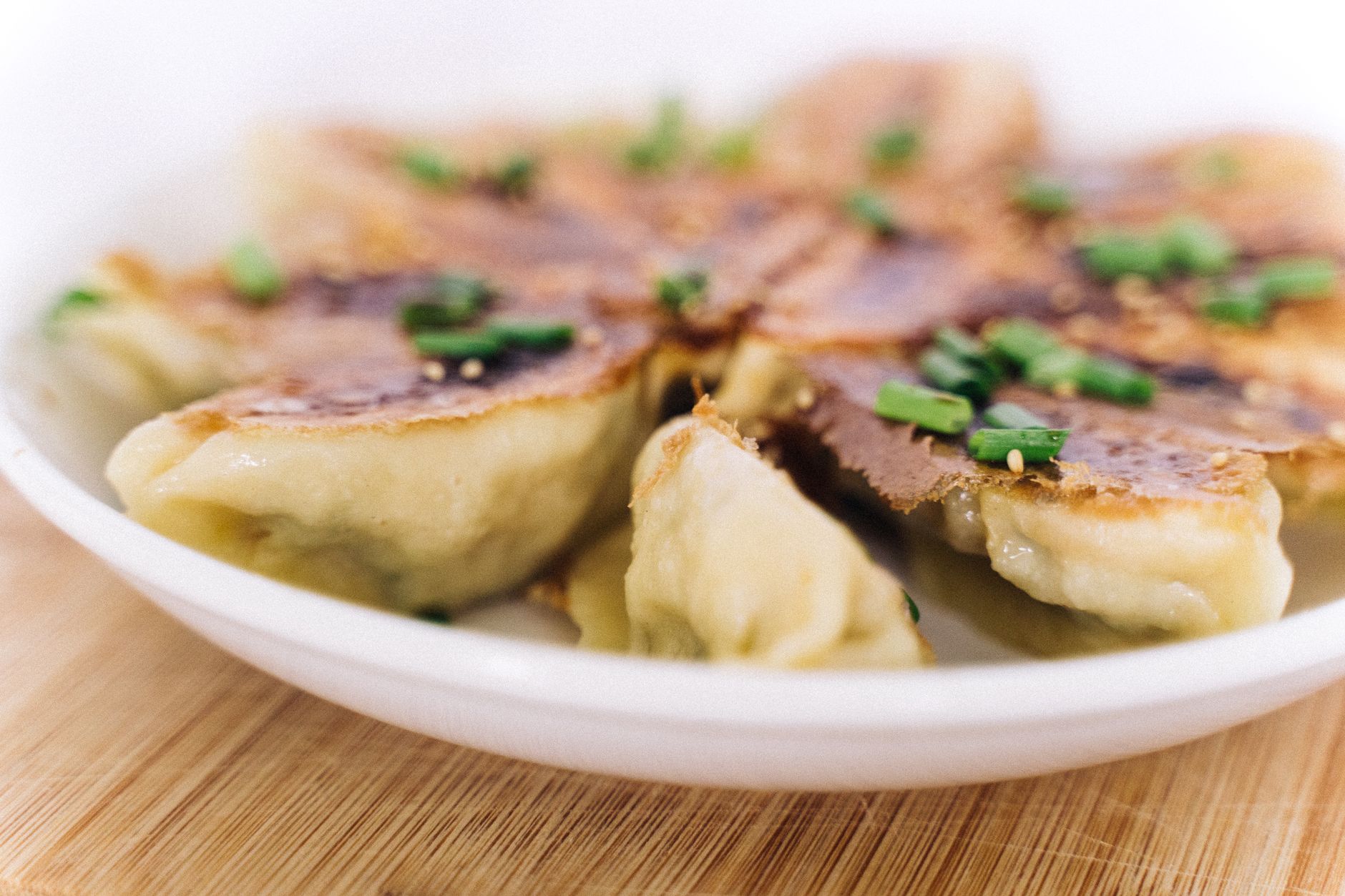
- Most Sichuan stir-fry restaurants can make vegan versions of classic dishes like kung pao mushrooms (instead of kung pao chicken) and dry-fried green beans, as long as you specify no meat, no oyster sauce, and no chicken broth.
- Jinli Ancient Street has multiple vegetarian street food stalls, including spicy tofu pudding, roasted sweet potatoes, and vegetable skewers.
- Look for "zhai cai" (vegetarian food) signs near Wuhou Shrine and Du Fu Thatched Cottage, popular tourist spots.
Guangzhou
Cantonese cuisine relies heavily on seafood and meat broths, but Guangzhou still has excellent vegetarian and vegan options, especially in areas with large Buddhist populations.
- Liurong Temple’s vegetarian restaurant (mentioned earlier) is a top pick for Cantonese-style plant-based dim sum.
- Shamian Island has several casual vegetarian cafes that cater to international tourists.
- Congee shops can make vegan congee with vegetables and peanuts if you ask for no meat, no egg, and no chicken broth.
Xi’an
Xi’an, famous for its Muslim Quarter street food, has many naturally vegan dishes from Hui cuisine, which avoids pork but has plenty of plant-based options.
- Muslim Quarter street stalls sell liang pi (cold wheat noodles), roasted sweet potatoes, and vegetable stuffed buns, many of which are vegan.
- Look for "su rou jia mo" (vegetarian "meat" sandwich) stalls, which use spiced gluten instead of pork.
- Xi’an’s Giant Wild Goose Pagoda has a temple vegetarian restaurant nearby for sit-down meals.
Language Cheat Sheet for Dietary Needs
Most small restaurant staff in China do not speak English, so having a few key phrases (or showing them written in Chinese) will make ordering much easier. All phrases below are in pinyin; you can also save the Chinese characters to your phone to show staff.
- "I am vegetarian": Wo chi su (我吃素)
- "I am vegan; I don’t eat meat, eggs, dairy, or honey": Wo chi chun su, bu chi rou, ji dan, nai nai, he feng mi (我吃纯素,不吃肉、鸡蛋、牛奶、和蜂蜜)
- "No oyster sauce": Bu yao hao you (不要蚝油)
- "No lard": Bu yao zhu you (不要猪油)
- "No chicken broth": Bu yao ji tang (不要鸡汤)
- "Do you have a vegetarian menu?": You mei you su shi cai dan? (有没有素食菜单?)
- "Please make this without meat": Qing bu yao fang rou (请不要放肉)
If traveling with HXXC Travel, your local guide will carry printed dietary requirement cards in Chinese and can communicate with restaurant staff on your behalf, as well as pre-book meals at restaurants that cater to vegan and vegetarian diets.
2026 Tips for Stress-Free Vegetarian/Vegan Travel in China
As of November 2026, the following tips apply for travel in mainland China; always confirm details before your trip, as restaurant menus and app features can change.
- Food delivery apps Meituan and Ele.me have partial English support for international phone numbers. Search for "素食" (sushi, vegetarian food) to find nearby vegetarian and vegan restaurants, and use the app’s built-in translation tool to read ingredient lists.
- Convenience stores like 7-Eleven, FamilyMart, and Lawson have a range of vegan-friendly snacks, including dried fruit, nuts, roasted sweet potatoes, and some steamed buns. Always check ingredient labels, as some buns contain egg or milk powder.
- In rural areas or small towns, vegetarian options may be limited to simple stir-fried vegetables and rice. Pack portable snacks like energy bars, dried fruit, or nuts for long bus or train rides.
- Hot pot is a popular group meal in China; most hot pot restaurants offer a "clear broth" (qing tang) option, but always confirm it is made with vegetables and not meat bones, and that no lard is added.
- Many bubble tea shops now offer oat milk, soy milk, and coconut milk alternatives as of November 2026, especially in major cities. Ask for "bu jia nai" (no dairy milk) and specify your preferred plant milk.
- If you have strict dietary restrictions, notify your tour operator at least 2 weeks before your trip. HXXC Travel works with local restaurants across China to pre-arrange custom vegan and vegetarian meals for all tour guests, including group tours and private itineraries.
FAQ
Is it easy to be vegan in China as a tourist?
Vegan travel in China is manageable for tourists, especially in major cities and tourist areas where you can find dedicated vegan restaurants and temple vegetarian spots. In rural areas, you may need to rely on simple vegetable stir-fries and pre-packaged snacks, so basic Chinese phrases or a dietary card are helpful.
Do Chinese restaurants have vegetarian menus?
Some larger restaurants, especially those in tourist areas or near temples, have dedicated vegetarian menus. Most small restaurants do not, but staff can usually modify existing dishes to be vegetarian or vegan if you explain your dietary needs clearly.
What is the difference between vegetarian and vegan food in China?
In China, "vegetarian food" (su shi) usually means no meat, but may include eggs, dairy, or even seafood in some regions. "Pure vegetarian" (chun su) typically means no meat, eggs, or dairy, and is the closest equivalent to vegan. Buddhist temple food is almost always pure vegetarian (vegan) by default, though some may include dairy in desserts.
Can you get vegetarian dim sum in China?
Yes, many dim sum restaurants offer vegetarian dim sum options, including steamed vegetable buns, rice noodle rolls with vegetables, and sweet bean curd desserts. For vegan dim sum, ask for no egg and confirm no lard is used in the wrappers or broth. Temple vegetarian restaurants are the most reliable option for vegan dim sum, especially in Guangzhou and other Cantonese-speaking cities in Guangdong.
Related private tours
- Guangzhou Heritage & Wildlife — Lingnan Culture Meets Chimelong Safari — 5 days
- Grand China Explorer — 15 Days — 15 days · From US$1,500
- Six Cities, One China — 15-Day Family Circuit — 15 days