
Quick Answer: Can You Transit China Without a Visa?
As of November 2026, yes — eligible travelers can transit China without a visa via two schemes: 24-hour direct transit (all international airports) and 240-hour visa-free transit (65 ports). Re-check rules before travel, as policies may change.
This guide covers eligibility, allowed stay durations, travel zones, required documents, and common scenarios to help you plan your layover confidently.
Who Is Eligible for Visa-Free Transit in China?
Eligibility depends on the transit scheme you use. Both schemes require a valid passport with at least 6 months of remaining validity from your date of arrival in China.
24-Hour Direct Transit Eligibility
The 24-hour scheme is available to nearly all nationalities, as of November 2026. The only exceptions are a small number of nationalities that require a transit visa even for short layovers; check with your airline or the nearest Chinese embassy to confirm.
To qualify, you must have a confirmed onward ticket to a third country or region (not the country you departed from) with a departure time within 24 hours of your arrival in China.
240-hour visa-free transit Eligibility
As of November 2026, the 240-hour scheme is open to citizens of 57 countries, including:
- United States, Canada, Mexico
- United Kingdom, Ireland, and most EU member states
- Australia, New Zealand
- Japan, South Korea, Singapore, Malaysia
- Brazil, Argentina, Chile
The full list is published by China’s National Immigration Administration. Always verify your nationality’s eligibility before booking your trip.
Additional requirements for 240-hour transit:
- Your onward ticket leaves mainland China within 240 hours of arrival. It does not have to depart from the same region you entered — since December 2024 the scheme allows cross-region travel and exit from any eligible port.
- You are traveling to a third country or region (not your departure country).
Allowed Stay Durations & Travel Zones
Each transit scheme has different rules for how long you can stay and where you can travel during your layover.
24-Hour Transit Rules
Under the 24-hour scheme:
- You must depart China within 24 hours of your scheduled arrival time.
- You may leave the airport and travel within the administrative area of your arrival port (e.g., the entire city of Guangzhou if you arrive at Guangzhou Baiyun Airport).
- You can transfer between airports in the same city (e.g., Beijing Capital to Beijing Daxing) within the 24-hour window.
- You cannot travel to other cities or provinces outside your arrival port’s administrative area.
240-hour transit Rules
Under the 240-hour scheme:
- You may stay in China for up to 240 hours (10 days) from your arrival time.
- You are restricted to a designated travel zone linked to your arrival port. Zones often cover multiple cities or provinces.
- Example 1: Shanghai’s 240-hour zone covers Shanghai, Jiangsu province, and Zhejiang province.
- Example 2: Beijing’s zone covers Beijing, Tianjin, and Hebei province.
- Example 3: Guangzhou’s zone covers the entire Guangdong province.
- You must stay inside the permitted area attached to your entry port, but you may leave China from any eligible port — not necessarily the one you arrived at.

Eligible Airports & Ports (as of November 2026)
The 24-hour transit scheme is available at every international airport and port of entry in China.
The 240-hour scheme is available at 65 ports across the country. Major airports include:
- North China: Beijing Capital International Airport, Beijing Daxing International Airport, Tianjin Binhai International Airport
- East China: Shanghai Pudong International Airport, Shanghai Hongqiao International Airport, Hangzhou Xiaoshan International Airport, Nanjing Lukou International Airport, Qingdao Liuting International Airport
- South China: Guangzhou Baiyun International Airport, Shenzhen Bao’an International Airport, Xiamen Gaoqi International Airport, Jieyang Chaoshan International Airport
- Central/West China: Chengdu Shuangliu International Airport, Chengdu Tianfu International Airport, Xi’an Xianyang International Airport, Chongqing Jiangbei International Airport
Many seaports and some rail crossings also qualify for 240-hour transit. Check the official immigration website for the full list before planning your trip.
Required Documents for Visa-Free Transit
Prepare these documents to present to airline staff and Chinese immigration officers:
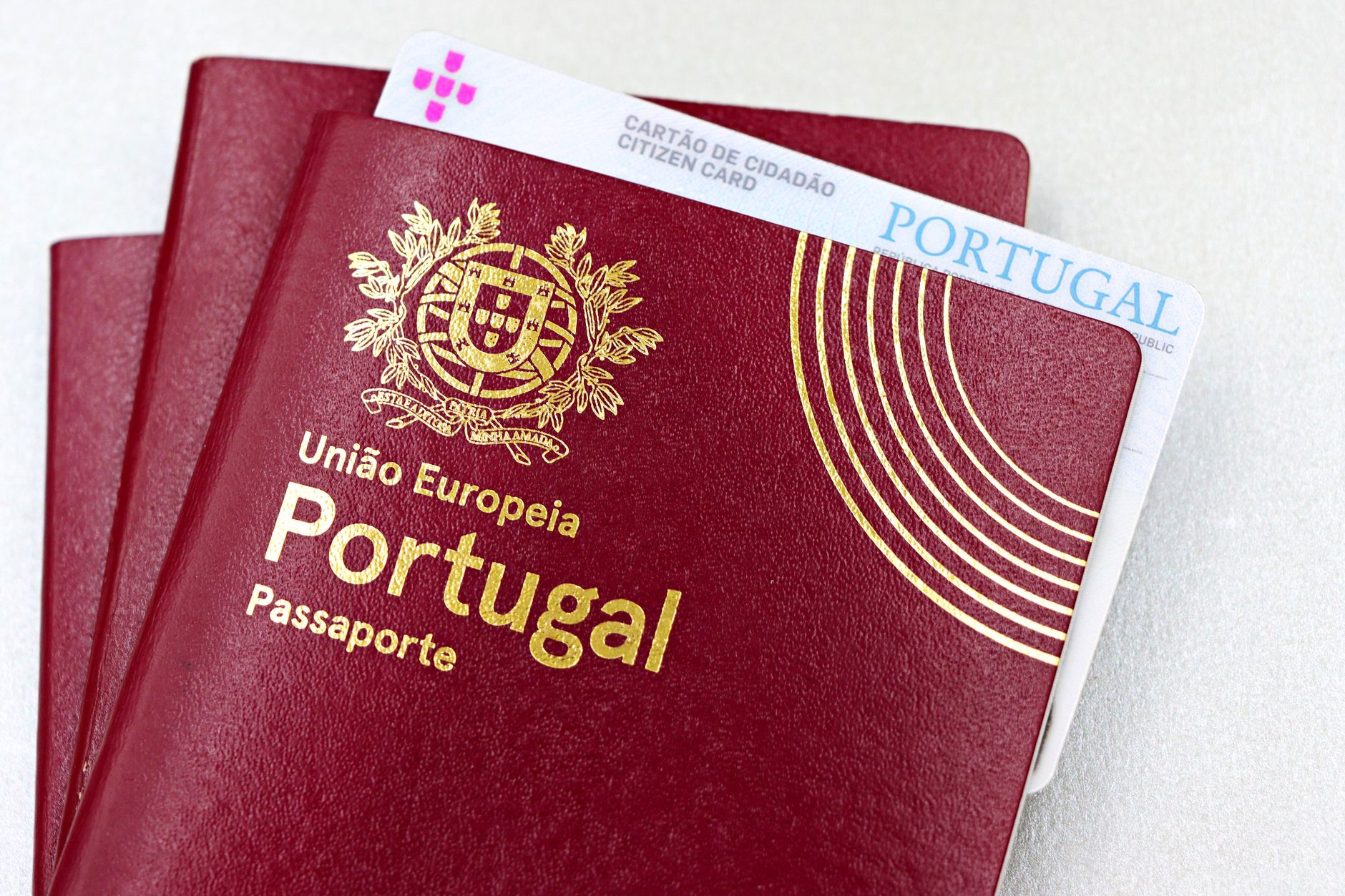
1. Valid passport with at least 6 months of remaining validity and at least one blank visa page.
2. Confirmed onward ticket (physical or digital copy) showing your name, flight/transport number, and departure time within the allowed transit window.
3. Proof of accommodation (hotel booking, invitation from a resident) if you plan to leave the airport.
4. Proof of sufficient funds for your stay (typically around $100 USD per day) if requested by immigration.
5. For 240-hour transit: a completed disembarkation/arrival card, provided on your inbound flight or at the port of entry.
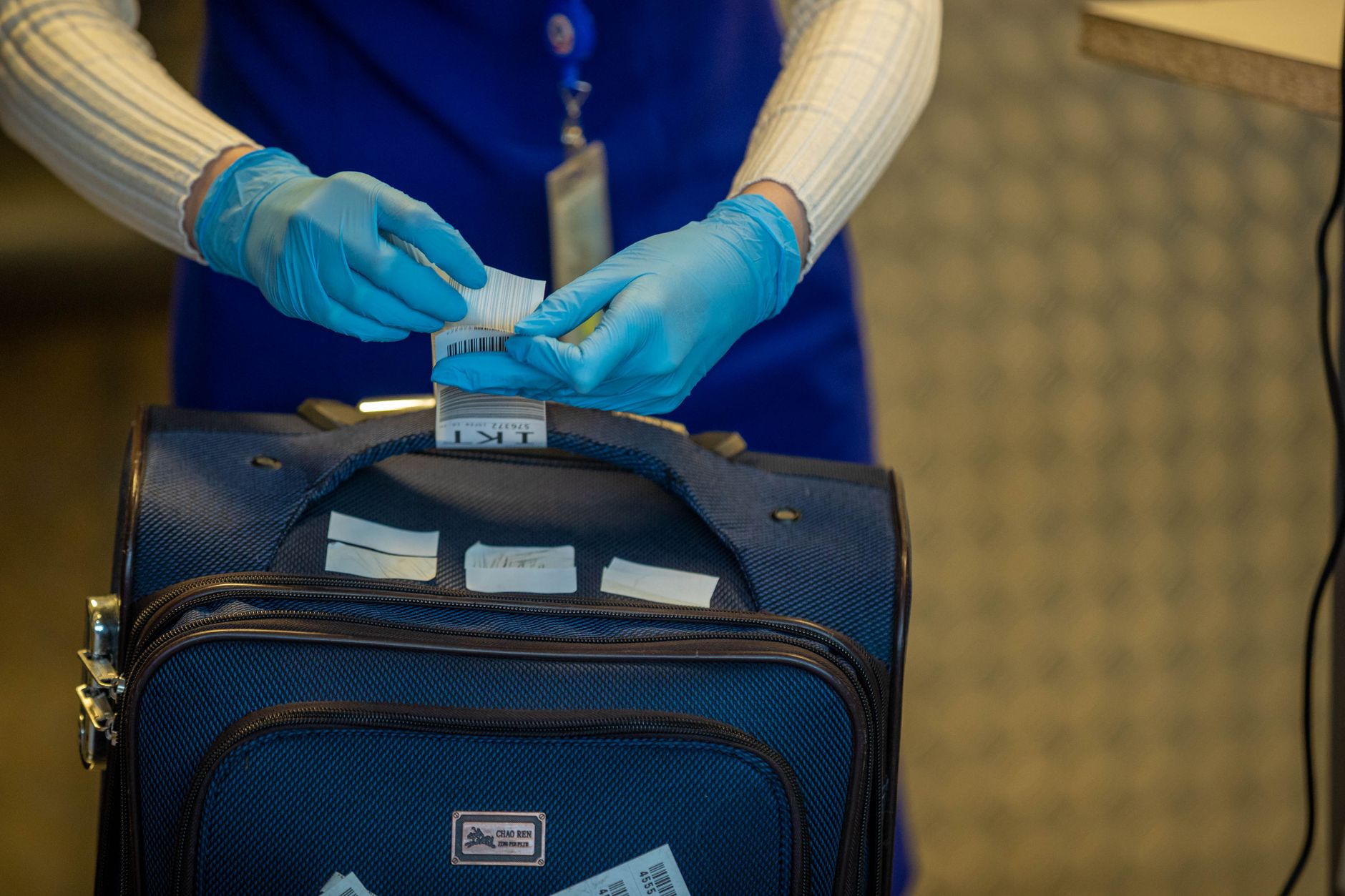
If your checked baggage is through-checked to your final destination, you do not need to collect it during transit. If your baggage is not through-checked, you will need to pick it up at baggage claim and re-check it for your onward flight — this is still allowed under visa-free transit rules, as long as you meet all other requirements.
Common Transit Scenarios Explained
Same-Airport Transit (No Exit)
If you stay in the international sterile transit zone of the airport (no immigration check) and your onward flight departs within 24 hours, most travelers do not need a visa. This applies to layovers of any length under 24 hours, including 1-hour or 2-hour connections. A small number of nationalities require a transit visa even for airside transit; confirm with your airline before booking.
Cross-Airport Transfer in the Same City
If you need to transfer between two airports in the same city (e.g., Shanghai Pudong to Shanghai Hongqiao), you will need to pass through immigration to leave the first airport and travel to the second. This is allowed under the 24-hour transit scheme, as long as your total time in China is under 24 hours and you have a confirmed onward ticket.
Multi-City 240-hour transit
If you enter via a 240-hour eligible port, you can travel anywhere within the designated zone during your stay. For example, if you arrive at Guangzhou Baiyun Airport, you can spend 2 days in Guangzhou, 1 day in Foshan, and 2 days in Kaiping (all in Guangdong province) before departing from Guangzhou. You can take domestic flights, trains, or buses within the zone.
Transit to Hong Kong, Macau, or Taiwan
Hong Kong, Macau, and Taiwan are considered separate customs and immigration territories from mainland China. This means routes like London → Guangzhou → Hong Kong, or Sydney → Shanghai → Taipei, qualify for visa-free transit, as your final destination is a third region. You must show a confirmed ticket to Hong Kong, Macau, or Taiwan to qualify.
What You Can and Cannot Do During Visa-Free Transit
Allowed Activities
- Leave the airport and explore the designated travel zone.
- Stay in hotels, hostels, or private residences (you must register with local police within 24 hours if staying in a private home; hotels handle registration automatically).
- Visit tourist attractions, eat at restaurants, and use public transport.
- Take domestic flights, trains, or buses within the designated transit zone.
Prohibited Activities
- Travel outside the designated transit zone for your scheme. Violations can result in fines, detention, or a ban on future entry to China.
- Overstaying your transit window. Extensions are only granted for emergency medical reasons or severe weather-related flight cancellations, and you must apply to local immigration before your stay expires.
- Working, studying, or engaging in paid business activities. These require a separate visa.
- Entering China without a confirmed onward ticket. You will be denied boarding by your airline if you cannot prove you have a way to leave within the allowed time.
How HXXC Travel Can Help With Your China Layover
HXXC Travel is a China inbound tour operator based in Jiangmen, Guangdong, specializing in custom short-stay and layover tours for travelers using visa-free transit through Guangdong’s airports. Their local team can help you make the most of your layover without the stress of planning.
Popular layover options include:
- 6-hour Guangzhou layover tour: Private round-trip transfer from Guangzhou Baiyun Airport, a visit to the Canton Tower observation deck, and a walking tour of Chen Clan Academy. Priced from $95 USD per person, ideal for 24-hour transit passengers.
- 3-day 240-hour Guangdong tour: Covers Guangzhou’s historical sites, a UNESCO-listed Kaiping Diaolou day trip (near HXXC’s Jiangmen base), and a Foshan food tour. Priced from $420 USD per person, including 2 nights of 4-star accommodation, private transfers, and an English-speaking guide.
- Airport meet-and-greet service: A representative meets you at the gate, helps with immigration processing, and transfers you to your hotel or tour start point.
The team can also verify your transit eligibility, book airport hotels, and adjust itineraries to match your layover length.
FAQ
Do I need a visa for a 2 hour layover in China?
If you stay in the international sterile transit zone and your onward flight departs within 24 hours, most travelers do not need a visa for a 2-hour layover. As of November 2026, a small number of nationalities require a transit visa even for airside transit; check with your airline before travel.
Can I leave the airport during a 24 hour transit in China?
Yes, eligible travelers can leave the airport under the 24-hour direct transit scheme. You must pass through immigration, present a confirmed onward ticket departing within 24 hours, and stay within the administrative area of your arrival port.
Which countries are eligible for 240-hour transit in China?
As of November 2026, citizens of 57 countries are eligible, including the US, Canada, UK, Australia, New Zealand, Japan, South Korea, and most EU member states. The full list is available on China’s National Immigration Administration website; always verify before booking.
Do I need a visa to transit through China to Hong Kong?
No, eligible travelers can use visa-free transit for routes to Hong Kong, as Hong Kong is a separate customs and immigration territory from mainland China. The same 24-hour or 240-hour rules apply, and you must show a confirmed onward ticket to Hong Kong.
Can I extend my 240-hour transit in China?
Extensions are only granted for emergency reasons, such as sudden illness or severe weather causing flight cancellations. You must apply in person to your local exit-entry administration before your 240 hours expire. Non-emergency extensions are not approved.
Do I need to pick up my luggage during visa-free transit?
If your baggage is through-checked to your final international destination, you do not need to pick it up. If it is not through-checked, you will need to collect it and re-check it for your onward flight, which requires passing through customs — this is still allowed under visa-free transit rules.
Related private tours
- Guangzhou Heritage & Wildlife — Lingnan Culture Meets Chimelong Safari — 5 days
- Six Cities, One China — 15-Day Family Circuit — 15 days
- Best Tour In China - 19 Days Trip — 19 days · From US$2,896