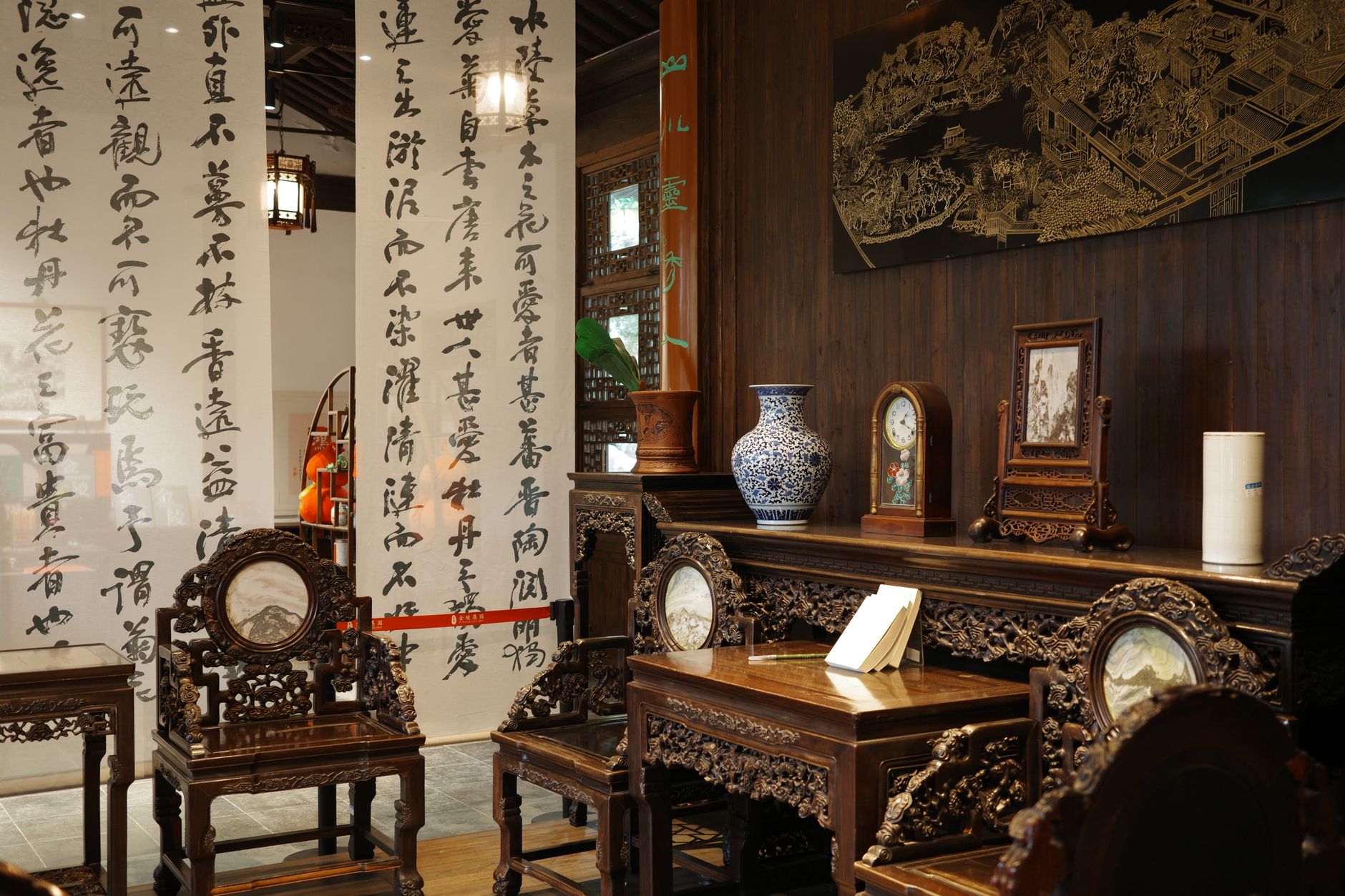
The best places to experience China's traditional arts are Beijing for Peking Opera and calligraphy, Chengdu for tea house culture, and Hangzhou for tea ceremonies and calligraphy workshops. Visitors can attend a Peking Opera performance, learn brush calligraphy, and drink tea in a centuries-old tea house all within a single two-day trip.
Key Facts at a Glance
- Peking Opera developed in the late 18th century and is China's most internationally recognized opera form
- Kunqu Opera was inscribed as a UNESCO Masterpiece of the Oral and Intangible Heritage of Humanity in 2001
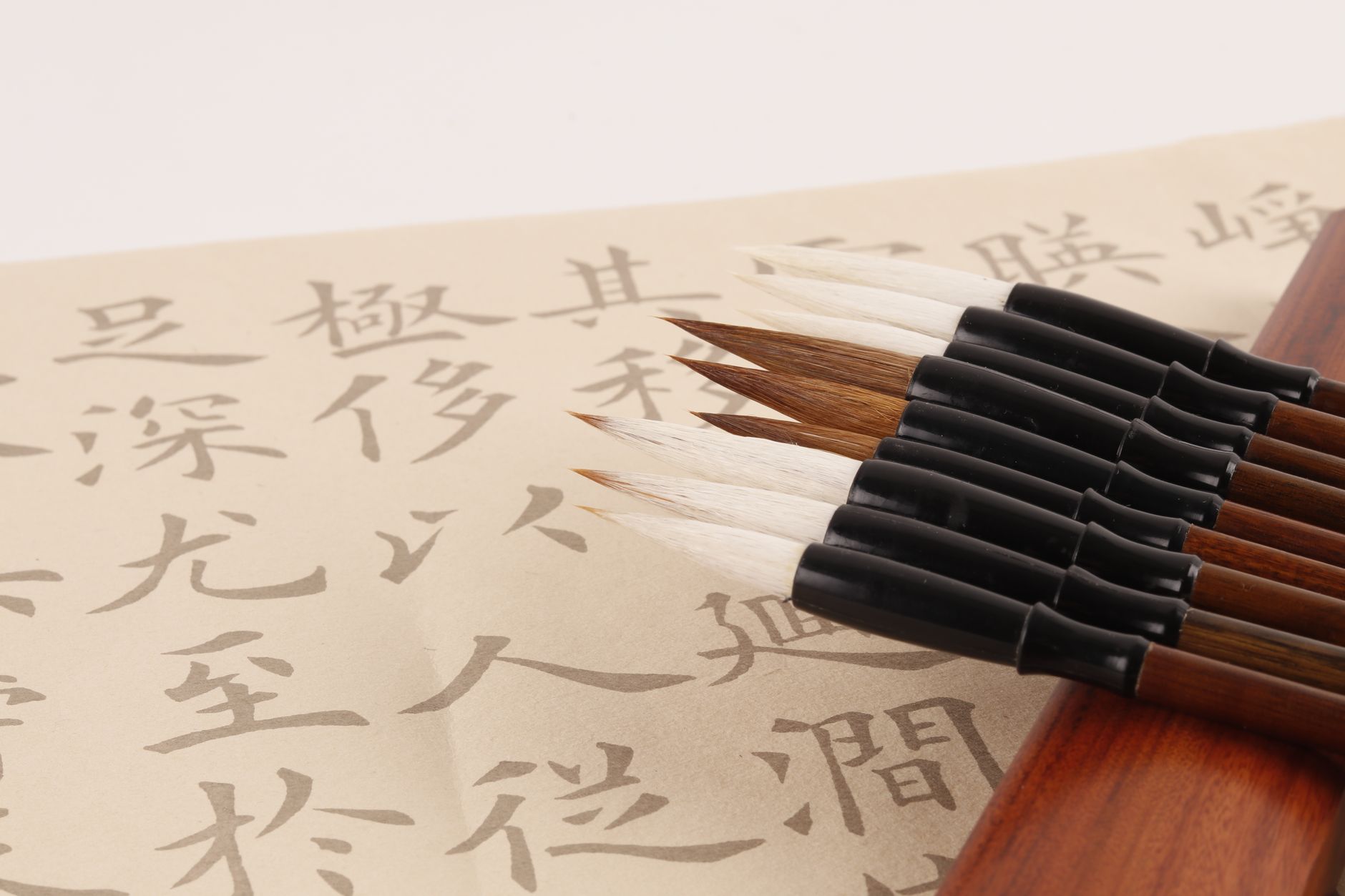
- The Four Treasures of the Study — brush, ink, paper, and inkstone — are the foundational tools of Chinese calligraphy
- Chengdu has an estimated 5,000-plus tea houses, the highest density of any Chinese city
- Lao She Teahouse in Beijing has been operating since 1988 and hosts nightly traditional performances
- Peking Opera tickets typically cost 80-500 RMB as of November 2026
- A beginner calligraphy workshop typically costs 100-300 RMB per session
- Tea at a Chengdu tea house typically costs 15-50 RMB per cup or pot
Chinese Calligraphy: Where to See and Learn
Chinese calligraphy is one of the oldest continuous artistic traditions in the world, with roots going back over 3,000 years to oracle bone inscriptions of the Shang Dynasty. For international visitors, it is both a museum art and a hands-on practice.
Where to See Calligraphy
The Shanghai Museum on People's Square houses one of the most important calligraphy collections in China, with works spanning from the Han Dynasty to the modern era. Entry is free, though advance reservation is recommended during peak travel seasons.
The Palace Museum inside the Forbidden City in Beijing also holds significant calligraphy works, though they are displayed on a rotating basis. Check the museum's exhibition schedule before your visit.
Liulichang Cultural Street in Beijing is the traditional center for calligraphy supplies and antique books. Shops here sell brushes, ink, inkstones, and paper, and many shopkeepers will demonstrate proper brush technique if asked.
Where to Learn Calligraphy
Several organizations and private studios in major cities offer calligraphy workshops for foreigners:
- Beijing: Private studios in the Gulou (Drum Tower) area and near the National Art Museum of China offer beginner workshops in English
- Shanghai: The Shanghai Calligraphy and Painting Academy offers short courses, and private studios near Tianzifang cater to visitors
- Xi'an: Hotels and cultural centers near the Muslim Quarter offer one-hour calligraphy introductions
- Chengdu: Private tutors near Sichuan University teach visitors by appointment
A typical beginner workshop lasts 1-2 hours and covers basic brush strokes, the structure of common characters, and the chance to write your own name or a simple character like 福 (fortune). Prices typically range from 100-300 RMB per person as of November 2026. HXXC Travel can arrange private calligraphy sessions with English-speaking instructors as part of a customized itinerary.
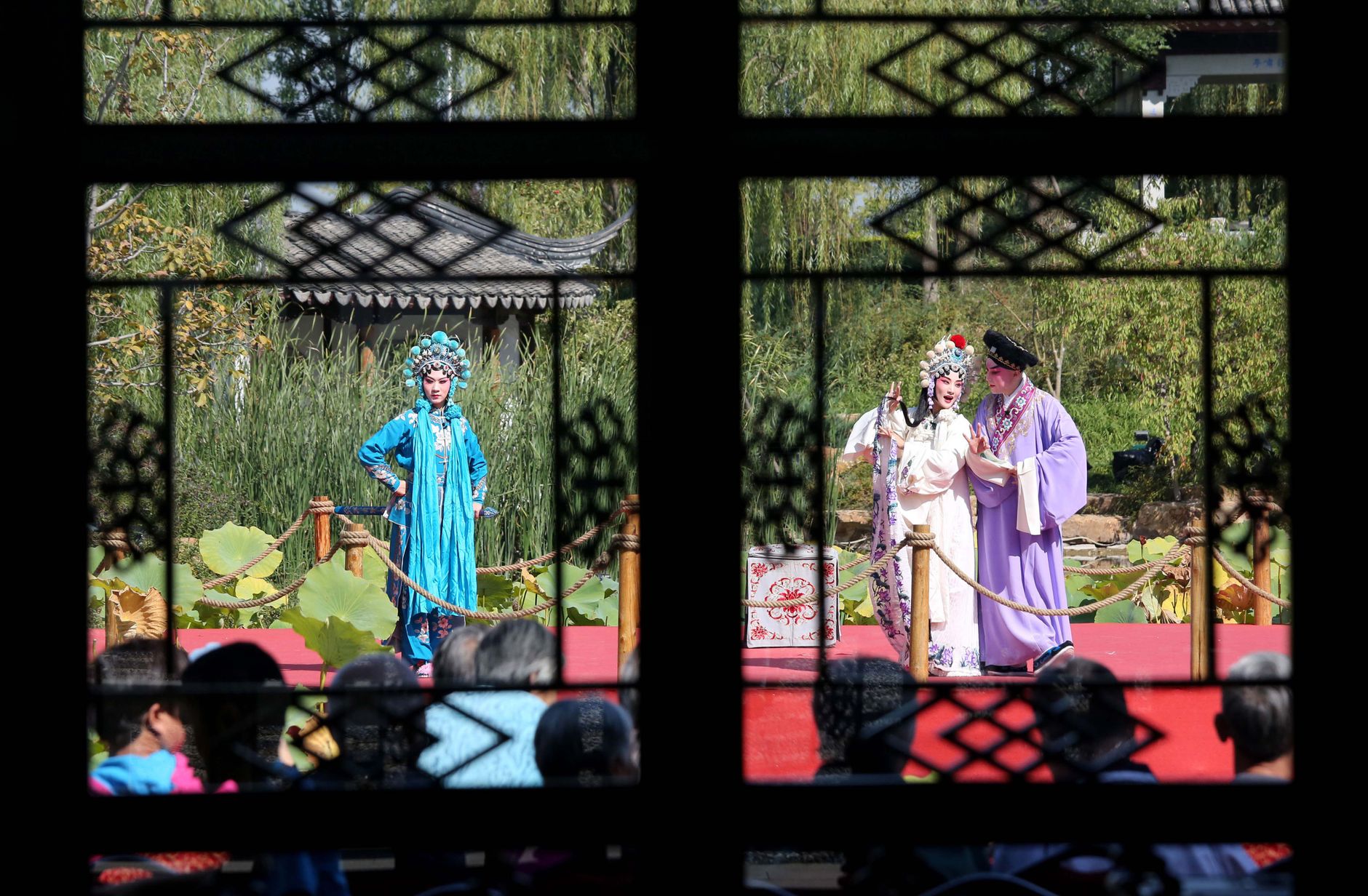
Chinese Opera: Peking Opera and Regional Traditions
Chinese opera is not a single art form but a family of over 300 regional styles. The three most relevant for international travelers are Peking Opera, Sichuan Opera, and Kunqu Opera.
Peking Opera in Beijing
Peking Opera originated in the late 18th century when four Anhui opera troupes came to Beijing to perform for the Qianlong Emperor's 80th birthday in 1790. It combines singing, recitation, acting, and martial arts, with performers in elaborate facial makeup that indicates character type.
The Liyuan Theatre inside the Jianguo Hotel in Beijing is the most accessible venue for international visitors, offering performances most evenings. English subtitles are available on seat-back screens. Tickets typically cost 80-380 RMB as of November 2026.
The Mei Lanfang Theatre, named after the most famous Peking Opera performer of the 20th century, hosts higher-end productions but may not have English subtitles. Check before booking.
The National Centre for the Performing Arts near Tiananmen Square also stages Peking Opera periodically, usually as part of a broader program.
Sichuan Opera in Chengdu
Sichuan Opera is best known for face-changing (变脸), a technique where performers switch painted silk masks in a fraction of a second. The Shufeng Yayun Teahouse in Chengdu's Cultural Park hosts Sichuan Opera performances nightly, typically at 8:00 PM. Tickets range from 120-280 RMB as of November 2026.
Kunqu Opera
Kunqu Opera is one of the oldest extant forms of Chinese opera, dating to the 14th century. UNESCO inscribed it as a Masterpiece of the Oral and Intangible Heritage of Humanity in 2001. It is performed regularly at the Suzhou Kunqu Opera Museum and occasionally in Beijing and Shanghai. Performances are slower and more lyrical than Peking Opera, closer to classical theater in pacing.
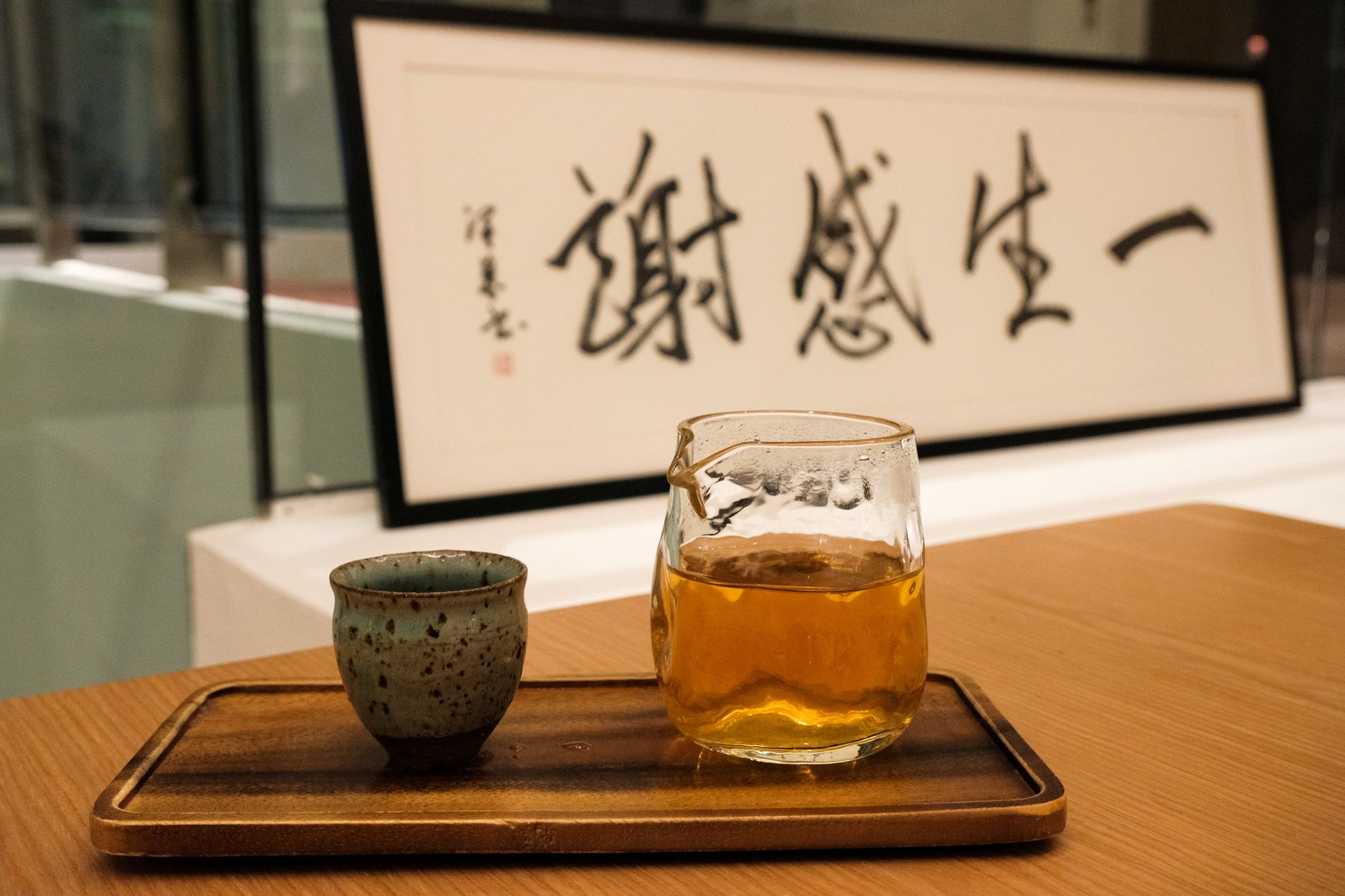
Tea Houses: Living Rooms of Chinese Culture
Tea houses in China are not just places to drink tea. They function as social spaces, performance venues, and informal community centers. The tea house tradition is strongest in Chengdu, Hangzhou, and Beijing, each with a distinct style.
Chengdu Tea Houses
Chengdu is widely considered the tea house capital of China, with an estimated 5,000-plus tea houses across the city. The most famous is the Heming Teahouse in People's Park, which dates to 1923. Here, visitors sit in bamboo chairs under trees, drink tea from gaiwan (lidded bowls), and can have their ears cleaned by professional ear cleaners — a Chengdu tea house tradition.
Tea at Heming Teahouse costs approximately 15-30 RMB per cup as of November 2026. No reservation is needed. The tea house is open daily from approximately 7:00 AM to 10:00 PM.
Beijing: Lao She Teahouse
Lao She Teahouse on Qianmen West Street is named after the famous Chinese playwright Lao She, who wrote the play Teahouse in 1957. The teahouse has been operating since 1988 and offers a combined experience: tea, snacks, and a nightly performance that includes Peking Opera excerpts, cross-talk comedy (相声), and other traditional arts.
Evening performances at Lao She Teahouse typically start at 7:50 PM. Ticket prices range from 60-380 RMB depending on seating as of November 2026. Reservations are recommended, especially on weekends and during Chinese public holidays.
Hangzhou Tea Culture
Hangzhou in Zhejiang Province is famous for Longjing (Dragon Well) green tea, one of China's most prized varieties. The China National Tea Museum near West Lake is free to enter and covers the history, production, and cultural significance of Chinese tea. The surrounding Longjing Village tea fields offer tea-tasting experiences at local farmhouses.
A tea-tasting session in Longjing Village typically costs 50-200 RMB per person, which usually includes several rounds of tea and light snacks. Prices are higher during the spring tea harvest season from March to April.
Where to Experience All Three Together
Beijing is the single best city for travelers who want to experience calligraphy, opera, and tea house culture in one place. In a two-day itinerary:
Day 1: Morning at Liulichang Cultural Street for calligraphy supplies and demonstrations. Afternoon at the Palace Museum for historical calligraphy works. Evening at Liyuan Theatre for Peking Opera.
Day 2: Morning calligraphy workshop at a private studio in the Gulou area. Afternoon at a traditional tea house. Evening at Lao She Teahouse for combined tea and performance.
Chengdu is the best alternative for travelers who prefer a more relaxed pace. Spend one day at a tea house in People's Park, one evening at a Sichuan Opera performance at Shufeng Yayun, and one morning at a calligraphy workshop. HXXC Travel offers a three-day Chengdu cultural itinerary that includes all three experiences with English-speaking guides.
Practical Tips for First-Time Visitors
- Peking Opera and Sichuan Opera performances last approximately 90-120 minutes. Some venues offer shortened 60-minute versions for tourists.
- Calligraphy workshops require no prior experience. Wear clothes you do not mind getting ink on.
- Tea houses in Chengdu operate on a pay-on-arrival basis. You pay when you order and can stay as long as you like.
- Most opera venues do not require formal dress, but avoid very casual clothing like tank tops and flip-flops.
- English-language support varies widely. The Liyuan Theatre in Beijing and Lao She Teahouse have the best English accessibility. In Chengdu, an English-speaking guide significantly improves the experience.
- All prices and schedules mentioned in this guide are current as of November 2026. Re-check venue websites or ask HXXC Travel to confirm before your trip, as prices and performance schedules change seasonally.
Frequently Asked Questions
How long is a Peking Opera performance?
Most Peking Opera performances last 90-120 minutes, though tourist-oriented shows at venues like the Liyuan Theatre may run 60-90 minutes. Lao She Teahouse's evening variety show runs approximately 90 minutes including multiple acts.
Can foreigners learn Chinese calligraphy without knowing Chinese?
Yes. Beginner calligraphy workshops focus on brush technique and stroke order rather than language comprehension. Instructors demonstrate each stroke and students copy. Many workshops teach a single character or phrase, so no prior knowledge of Chinese is needed.
How much does tea cost in a Chinese tea house?
Tea house prices vary by city and venue. In Chengdu, a cup of tea at a traditional tea house like Heming Teahouse costs approximately 15-30 RMB. At Lao She Teahouse in Beijing, tea plus performance packages start at 60 RMB. In Hangzhou's Longjing Village, tea-tasting sessions cost 50-200 RMB per person. All prices are current as of November 2026.
Is face-changing in Sichuan Opera real?
Yes. Face-changing (变脸) is a genuine performance technique unique to Sichuan Opera. Performers switch between painted silk masks in a fraction of a second using a method that remains a closely guarded secret. The technique was developed in the 1920s and is one of China's most famous theatrical traditions.
Where can I see Peking Opera in Beijing?
The Liyuan Theatre inside the Jianguo Hotel is the most accessible venue for international visitors, with English subtitles on seat-back screens. The Mei Lanfang Theatre and the National Centre for the Performing Arts also host Peking Opera, though English support may be limited. Lao She Teahouse includes Peking Opera segments in its nightly variety show.
Do I need to book tea house visits in advance?
In Chengdu, tea houses like Heming Teahouse operate on a walk-in basis with no reservation needed. Lao She Teahouse in Beijing recommends advance reservations, especially for evening performances and weekend shows. During Chinese public holidays such as Golden Week in early October, all popular venues should be booked well in advance.
Related private tours
- Best Of China — 20-Day Private Tour — 20 days
- Grand China Explorer — 15 Days — 15 days · From US$1,500
- Best Tour In China - 19 Days Trip — 19 days · From US$2,896