
Quick answer: Tipping is not expected in most everyday situations across mainland China as of November 2026. You do not need to tip taxi drivers, street food vendors, casual restaurant staff, or shop attendants, and offering unsolicited tips can sometimes lead to awkward refusals. Tipping norms only apply in a narrow set of tourist-facing scenarios, and over-tipping can draw unwanted attention or make service staff uncomfortable.
Core Tipping Rule for Mainland China (2026)
Unlike countries where service workers earn a low base wage expected to be supplemented by tips, most service staff in mainland China earn a regular monthly or hourly wage with no built-in expectation of tip income. Restaurant bills, taxi fares, and tour prices are set to cover full labor costs, so there is no social obligation to add extra payment for standard service. In smaller, family-run businesses, staff may chase you down to return extra cash you left, because they assume you made a mistake counting your payment.
These norms hold across all mainland provincial capitals, smaller cities, and rural tourism destinations, including Jiangmen, Guangdong, where HXXC Travel’s local guide team is based. Note that these rules apply only to mainland China; tipping expectations are far more common in Hong Kong and Macau, which operate under separate service customs and are not covered in this guide. As of November 2026, these norms are consistent across most of the country, but travelers should recheck guidance 1–2 weeks before departure, as norms in high-traffic tourist areas can shift quickly.
When You Never Need to Tip
The vast majority of daily interactions for travelers fall into this no-tip category. You will never cause offense by skipping a tip in these scenarios:
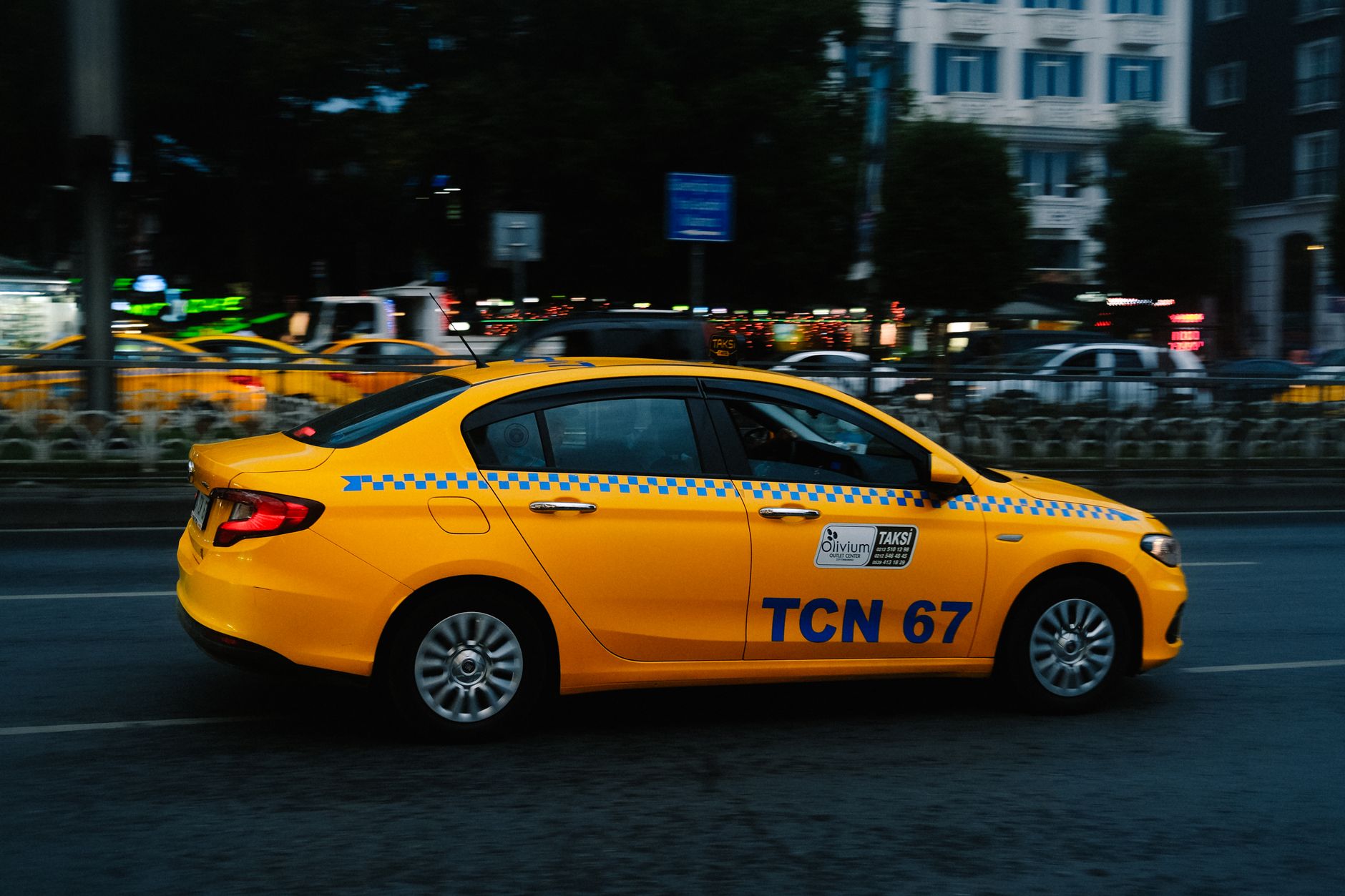
- Taxi and Didi ride-hail drivers: The metered or app-displayed fare is the full final price. Drivers do not expect extra, even if they help load heavy suitcases or navigate tricky traffic. Rounding up to the nearest whole 10 yuan is acceptable only if you do not want to carry small change, but this is a convenience for you, not an expected tip.
- Street food stalls, night market vendors, and casual local restaurants: This includes Guangdong dim sum halls, Sichuan noodle shops, Yunnan cross-bridge rice noodle stalls, and northeast Chinese barbecue spots. Pay the listed price; if you leave extra cash on the table, staff may run after you to return what they assume is overpayment.
- Public transport staff, shop attendants, and attraction ticket sellers: Subway staff, intercity train attendants, high-speed rail staff, souvenir shop workers, and scenic area ticket sellers are paid a set wage and do not receive tips as part of their regular income.
- Spa, massage, and haircut services at local, non-tourist parlors: The quoted price is final. You do not need to add extra for standard service, even if your massage runs over the scheduled time.

When Tipping Is Standard or Appreciated
Tipping only applies to a narrow set of tourist-facing services, mostly those that regularly host international guests. In these scenarios, tips are a recognized way to reward good service, and will not cause confusion or refusal.
Private and Group Tour Guides, Drivers
This is the scenario where tipping is most consistent, especially for international travelers booking structured itineraries. As of November 2026, for private multi-day tours booked through inbound operators such as HXXC Travel, a tip of 100–200 yuan per day total for your entire group for your lead guide, and 50–100 yuan per day total for your entire group for your dedicated private driver, is standard if you feel the service met or exceeded your expectations. Tips are given in cash, in a plain envelope if available, at the end of the tour rather than after each individual day.
For large group bus tours with 15 or more travelers, a collective tip of 20–50 yuan per person per day, pooled and given to the guide and driver at the end of the trip, is typical. You do not need to tip guides for free single-day public tours run by city tourism bureaus or volunteer programs.
International Luxury Hotels
At 5-star international chain properties (including Marriott, Hilton, InterContinental, and Shangri-La) in major business and tourism hubs, small tips are standard for front-line service staff. Plan to give 10–20 yuan per bag to bellhops who help carry luggage to your room, and 10–20 yuan per night left on the bedside pillow for housekeeping staff if you receive consistent, attentive service during your stay. This norm does not extend to domestic mid-range hotels, boutique homestays, or chain hotels priced under 500 yuan per night, where tipping remains uncommon.
Upscale Tourist-Focused Restaurants and Bars
In high-end restaurants, cocktail bars, and Western-style cafes located in expat districts or luxury tourist zones, a 10–15% service charge is often added directly to your final bill. If a service charge is listed, no additional tip is required. If no service charge is added, leaving a 5–10% tip for particularly attentive service is appreciated, but never mandatory. This is the only restaurant setting in mainland China where tipping is relatively normalized.
Porters at Airports and Train Stations
If you hire a paid porter to help carry heavy luggage through a major airport (such as Guangzhou Baiyun, Beijing Capital, or Shanghai Pudong) or high-speed rail station, a small tip of 5–10 yuan per bag is appreciated on top of the posted porter fee. You do not need to tip volunteers who offer to help with directions or luggage during peak travel periods.
Common Tipping Mistakes to Avoid
These missteps are common for first-time visitors arriving from countries with strong tipping cultures, and are easy to avoid with basic preparation:
- Don’t offer tips to police, immigration officers, or other government staff: This can be interpreted as an attempted bribe, which carries severe legal penalties in China. Never offer cash or gifts to uniformed official staff at border crossings, police stations, or government service offices.
- Don’t tip with foreign currency: Most service staff will not be able to exchange small amounts of USD, EUR, or GBP easily, and foreign coins cannot be exchanged at all. Always tip in Chinese yuan cash, in small, easy-to-use denominations.
- Don’t over-tip: Giving 15–20% tips as you would in the United States will draw unwanted attention, may make staff uncomfortable, and can create unrealistic expectations for future international travelers. Stick to the ranges listed in this guide.
- Don’t make a show of tipping: Hand tips directly and quietly to the staff member, rather than waving cash around or making a public display. Discretion is appreciated across all service settings in China.
- Don’t push a tip if someone refuses it: If a staff member pushes your offered tip back and politely declines, put it away without insisting. Forcing a tip on someone who does not want it creates unnecessary awkwardness for both parties.
Practical Tips for Carrying Tip Cash
Most tipping scenarios require small-denomination yuan cash, as mobile payment apps (Alipay, WeChat Pay) are set up for fixed transactions, and sending a random tip via transfer can feel impersonal or confusing for staff who do not regularly work with tourists.
- Withdraw 10 and 20 yuan notes when you arrive at the airport ATM, so you do not have to ask for change for large 100 yuan bills when tipping.
- For multi-day tour tips, you can put the total cash amount in a plain envelope and hand it to your guide and driver at the final drop-off; this is a common, low-pressure way to give a tip in China.
- You do not need to carry large amounts of extra cash for tips. For a 10-day private trip for two people, total tip costs will typically run between 1,500 and 3,000 yuan total for both guide and driver, depending on your satisfaction.
As of November 2026, mobile tipping features are available on some international tour booking platforms, but cash remains the most widely accepted and low-friction option for all tipping scenarios. Recheck current payment norms with your tour operator 1–2 weeks before your trip, as digital tipping options are slowly becoming more common in major tourist hubs.
Frequently Asked Questions
Is it rude to tip in China?
It is not rude to tip in the narrow set of tourist-facing scenarios outlined in this guide, but offering unsolicited tips to staff in everyday local settings can cause confusion, as many workers will assume you overpaid by mistake. It is never rude to skip a tip in no-tip settings.
Do you tip taxi drivers in China?
No, as of November 2026 there is no expectation to tip taxi or ride-hail drivers anywhere in mainland China. The metered or app-quoted fare is the full final price, and drivers will not expect extra payment.
How much do you tip a tour guide in China?
For private multi-day tours, tip 100–200 yuan total per group per day for a lead guide, and 50–100 yuan total per group per day for a dedicated driver, if you are happy with the service. For large group tours, tip 20–50 yuan per person per day, pooled for the guide and driver team.
Is a service charge mandatory in Chinese restaurants?
Most local casual restaurants do not add any service charge. A 10–15% service charge is only common at high-end international hotels, expat-focused Western restaurants, and fine dining establishments in major cities. If a service charge is listed on your bill, no extra tip is needed.