
Quick answer: Tap water across mainland China is not safe to drink straight, even in major cities. Bottled water is cheap and widely available, ice is safe at established venues, and high-turnover cooked food carries low risk, as of November 2026.
This guidance is based on 12 years of on-the-ground tour operations from our Jiangmen, Guangdong base, leading more than 4,000 international travelers across 27 Chinese provinces. Most travel-related stomach upset in China comes from preventable small mistakes, not from widespread poor food hygiene, and many common traveler fears are overstated. Always recheck local public health guidance before your trip, as standards can shift slightly between regions.
Tap Water: What Is Safe to Drink?
Tap water across mainland China is treated to meet national standards for washing, bathing and boiling, but it is not rated safe for unboiled direct consumption in any major city as of November 2026. Older pipe infrastructure in many neighborhoods can introduce contaminants between treatment plants and residential taps, and chlorine levels are not calibrated for direct drinking without boiling. This is true even in new, high-income districts of cities like Shanghai, Beijing, Shenzhen and Guangzhou; almost all local residents boil tap water before drinking or buy bottled water, even in areas with brand-new plumbing.
When sourcing drinking water, these options are universally safe:
- Boiled tap water: Every hotel, guesthouse, train carriage and long-distance bus provides free boiled water, either via in-room electric kettles or public hot water dispensers. Boiled tap water is what most local residents drink at home, and it carries zero risk of waterborne illness.
- Commercially bottled water: A standard 500ml bottle of water from national brands like Nongfu Spring, Cestbon or Wahaha costs 2 to 3 RMB at convenience stores, street stalls and hotel front desks. Check that the plastic seal around the cap is unbroken before purchasing. Bottled water is available within a 2-minute walk in every urban area and most popular tourist sites, even along remote Great Wall sections and in rural Yunnan villages.
- Filtered water stations: Mid-range and high-end hotels, international chain restaurants and co-working spaces almost always provide cold filtered water for guests, with filters changed on a fixed commercial schedule. These stations are safe to use.
These water sources carry elevated risk and are best avoided:
- Unboiled tap water from bathroom sinks, public park taps or hotel faucets, even if the water looks clear. A single accidental sip is unlikely to make you sick, but regular consumption can lead to stomach upset. Travelers with very sensitive stomachs may prefer to use bottled water for brushing teeth, but this is not required for most people.
- Unmarked water refill stations at small, unlicensed guesthouses that do not display public health certificates or filter replacement logs, as these stations are rarely maintained.
In our home base of Jiangmen, for example, even new residential compounds with updated plumbing do not promote tap water as safe for direct drinking; local residents rely almost exclusively on boiled water or bottled water for daily use.
Ice: When It Is Safe (and When to Skip It)
Ice is one of the most common sources of traveler anxiety in China, and the common assumption that all ice is made from unsafe tap water is outdated as of 2026. Most commercial venues now use ice produced in licensed factories from purified water, delivered in sealed bags to meet public health inspection requirements.
Ice is reliably safe at these locations:
- International and national chain cafes and fast food outlets, including Starbucks, McDonald’s, KFC, Luckin Coffee and Tim Hortons. In 12 years of operating tours, we have never received a report of a guest getting sick from ice at these venues, all of which are subject to strict national food safety audits.
- Mid-range and high-end restaurants located in shopping malls, tourist areas and hotel dining rooms. These venues almost exclusively use commercially sourced purified ice, as health inspectors test ice quality during routine checks.
- Bars and nightlife venues in major city entertainment districts, which use commercial bagged ice for both quality and food safety compliance.
It is best to skip ice at these locations:
- Small street stalls, rural roadside eateries and very low-cost local canteens with no displayed health inspection grade. A small share of these venues make ice from unboiled tap water in household freezers, with no regular cleaning of ice trays.
- Venues that store ice in open, uncovered bins with no dedicated scoop, as this creates risk of cross-contamination from hands or nearby food.
If you are unsure about ice safety, you can ask for your drink without ice using the simple Mandarin phrase “bu yao bing” (pronounced boo yow bing), and staff will accommodate the request with no pushback.
Food Safety: Practical Rules for Restaurants and Street Stalls
Food safety standards across China have improved substantially over the past decade, with mandatory public health inspection grading for all licensed restaurants displayed near the entrance as of November 2026. Grades run from A (excellent) to C (passing, with required improvements); we recommend prioritizing venues with an A or B grade posted if you have a sensitive stomach.
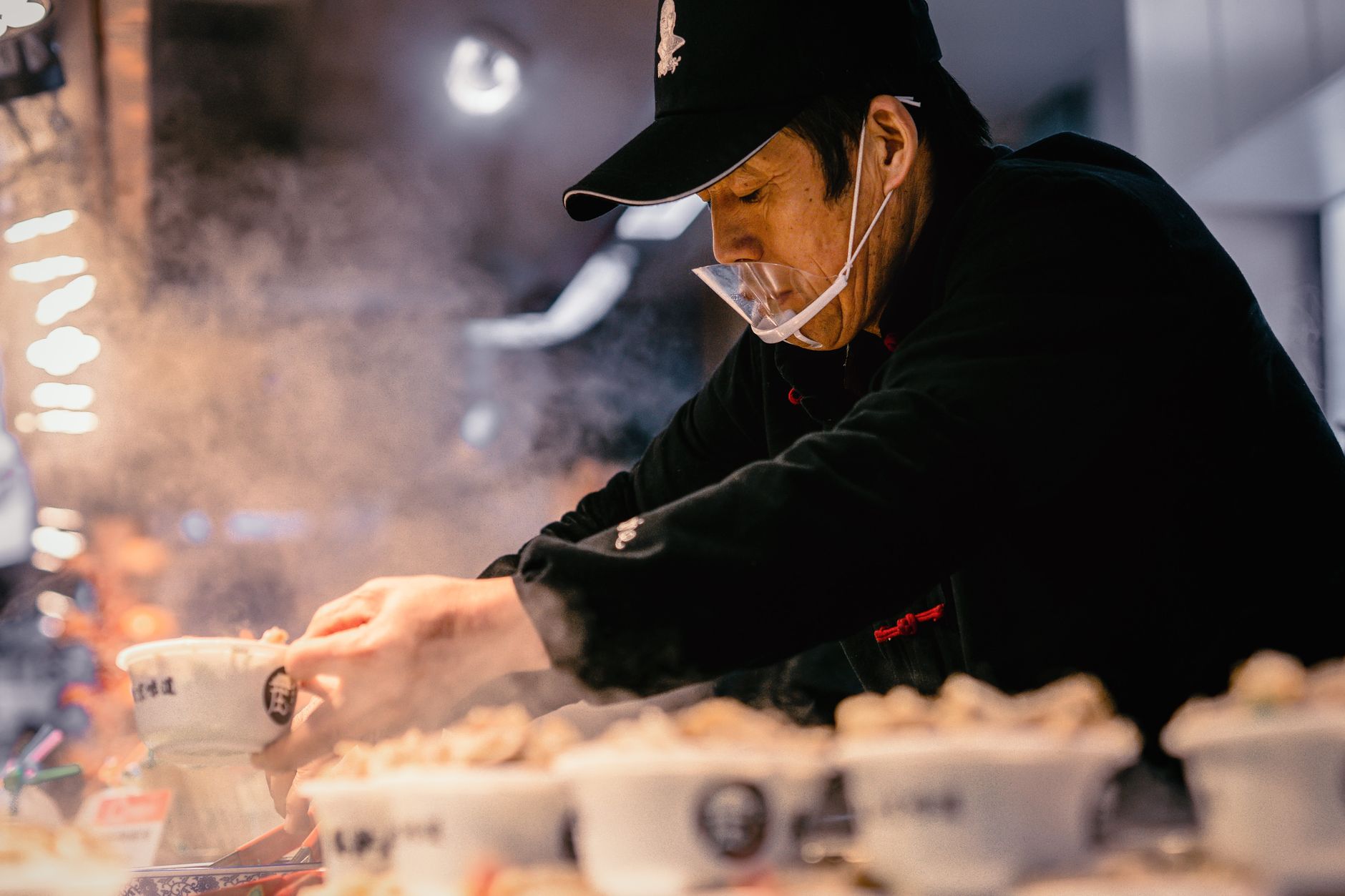
The single most reliable predictor of safe food is customer turnover. Stalls and restaurants that cook food to order and serve a constant stream of local customers almost never have food sitting at unsafe temperatures — the leading cause of foodborne illness globally, far more common than poor hand hygiene or contaminated ingredients.
Safe Food Choices for First-Time Travelers
These options carry minimal risk across all regions of China:
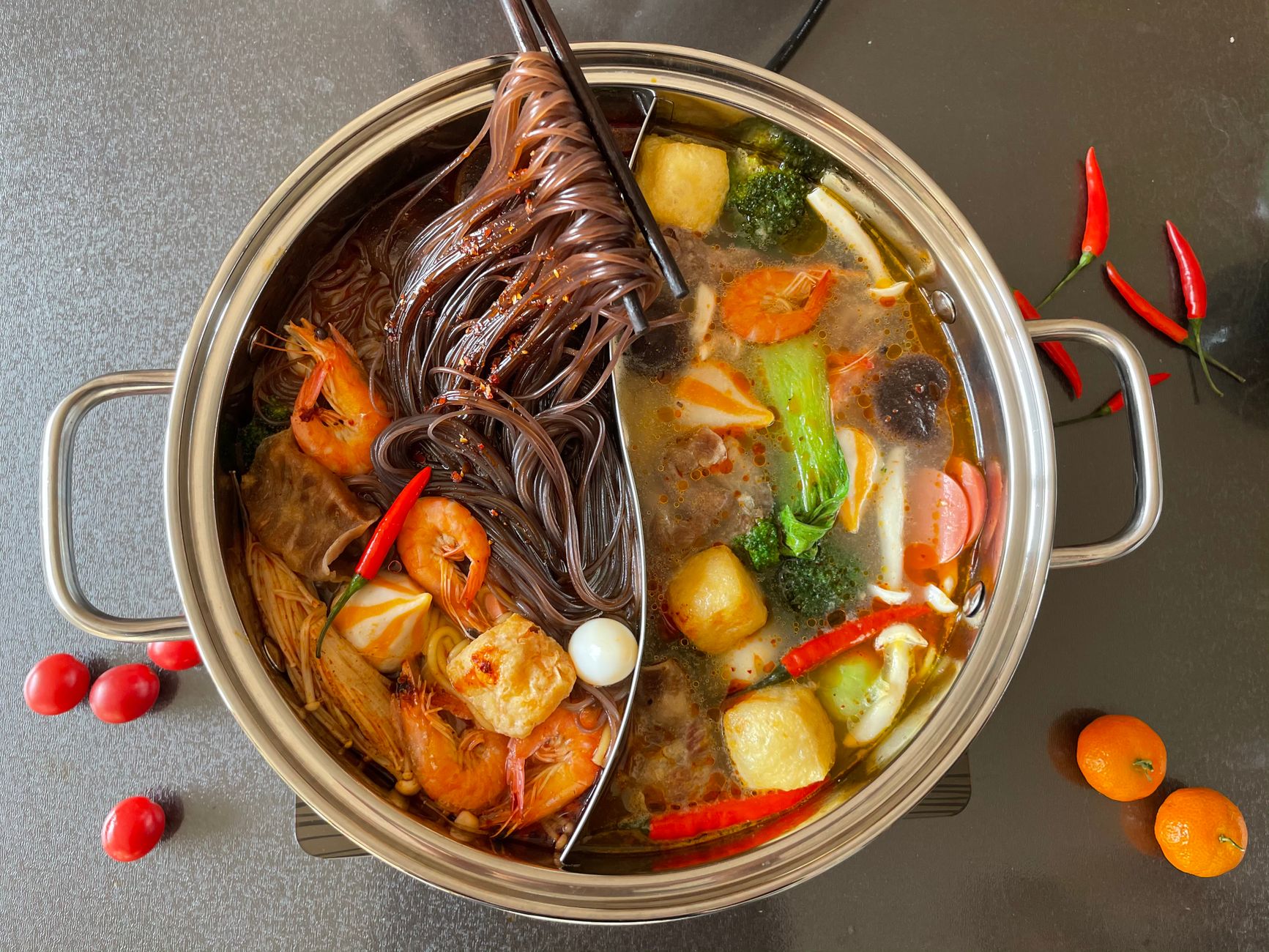
- All fully cooked, hot dishes served immediately after preparation: This includes stir-fries, steamed buns, boiled dumplings, hot pot, noodle soups, roasted sweet potatoes from street carts, and grilled skewers cooked over high heat in front of you. When eating hot pot, simply ensure all meat and vegetables are fully cooked through before eating, just as you would at any hot pot restaurant in other parts of the world.
- Peeled fruit prepared in front of you: Pineapple, mango, pomelo and sugarcane sold by street vendors and peeled on demand is safe to eat.
- Packaged food from national convenience store chains: 7-Eleven, FamilyMart, Lawson and local brand Meiyijia sell pre-packaged rice balls, sandwiches, steamed buns and refrigerated drinks that meet national food safety standards, making them a reliable fallback if you are unsure about local restaurant options. These stores are ubiquitous in every city and most large tourist towns.
- National restaurant chains: Brands like Haidilao Hot Pot, Din Tai Fung, Goubuli Steamed Buns and Tim Ho Wan have standardized food safety protocols across all locations, with regular internal audits to reduce risk.
Food and Drink to Approach With Caution
These items carry elevated risk, especially at smaller venues:
- Raw or undercooked meat and seafood, including rare beef, raw fish outside of established high-end sushi restaurants, and raw shellfish at small coastal stalls. These items require consistent cold chain storage to be safe, which small, low-budget venues may not have.
- Unpeeled raw fruit and vegetables washed in unboiled tap water, including raw salads at small local eateries. Raw salads are not a standard part of most local Chinese diets, so they are rarely found outside of tourist hotels and international restaurants, where they are prepared with purified water.
- Wild-harvested mushrooms, wild herbs and unlicensed game meat sold at rural roadside stalls, especially in Yunnan, Guizhou and Sichuan during the summer rainy season. Even local residents occasionally experience illness from misidentified toxic wild mushrooms, so stick to farmed, clearly labeled ingredients unless you are traveling with a local guide who can verify safety.
- Homemade fermented or preserved foods sold by unlicensed street vendors, which can develop harmful bacteria if stored at incorrect temperatures. Commercially packaged fermented foods, including stinky tofu from licensed stalls and fermented bean curd, are perfectly safe.

Common Myths About Eating and Drinking in China
Many first-time travelers arrive with outdated or exaggerated ideas about food and water risk in China, often based on travel stories from 20 or more years ago. Standards have changed dramatically as domestic tourism has grown and national food safety regulations have been tightened.
One of the most persistent myths is that street food is always unsafe. In reality, many long-running street food stalls in cities like Chengdu, Xi’an and Guangzhou have operated for decades, serve hundreds of customers a day, and have fresher ingredients (and higher turnover) than quiet sit-down restaurants located inside tourist areas. For example, the famous street food stalls in Xi’an’s Muslim Quarter serve thousands of customers a day, including large numbers of local residents, and reports of foodborne illness there are extremely rare. The street stalls to avoid are those with no line of customers, food sitting out in the open without heating or cooling, and no visible handwashing station for staff.
A second common myth is that travelers need to bring bulky water filters or iodine tablets for their entire trip. For 99% of itineraries covering cities, major tourist sites and established rural towns, this is unnecessary. Bottled water is cheaper than most soda in China, and available everywhere. For multi-day treks in very remote areas of western Sichuan, Tibet or Inner Mongolia, tour operators (including HXXC Travel) provide bulk bottled water for all guests, so there is no need to source water from natural sources.
A third myth is that spicy food causes food poisoning. Spicy dishes from Sichuan, Hunan and Guizhou do not cause illness if ingredients are fresh; capsaicin in chili peppers actually has mild antimicrobial properties. If you are not used to high levels of spice, start with mild dishes to avoid stomach irritation from capsaicin, which can feel similar to food poisoning but is not a food safety issue.
We regularly see travelers overpay for low-quality set meals at designated tourist restaurants because they are afraid to eat at local stalls, when those tourist restaurants often have lower customer turnover and weaker food safety practices than the busy local stalls just outside scenic area entrances.
What to Do If You Experience Mild Stomach Upset
Even if you follow all safety guidance, you may experience mild stomach upset when traveling anywhere new, including China, as your gut adjusts to different local bacteria and unfamiliar ingredients. Most mild cases resolve in 24 to 48 hours with rest and hydration.
Follow these simple steps if you feel unwell:
- Stay hydrated with bottled water or oral rehydration solution, which is available over the counter at every pharmacy in China for 5 to 10 RMB per sachet. Most pharmacists are familiar with common traveler stomach issues and can provide basic advice even if you do not speak Mandarin.
- Stick to plain, mild foods while you recover: plain congee (rice porridge), steamed buns, plain white rice and hot tea are widely available and gentle on the stomach.
- Seek medical care if you have a fever over 38.5C, bloody stools, or symptoms lasting longer than 72 hours. As of November 2026, all major city hospitals have international clinics with English-speaking staff, and standard travel insurance policies cover care for foodborne illness.
- If you are traveling on an HXXC Travel itinerary, your guide carries a basic first aid kit with oral rehydration sachets and over-the-counter stomach medication, and can help coordinate a doctor visit if needed.
Quick Regional Notes From Our Team
As a Jiangmen-based operator, we have led tours across every province in mainland China, and have noted small regional differences in safety standards to plan for:
- In Guangdong province, local restaurants serve free hot tea with every meal, made with boiled water and completely safe to drink. Local dim sum restaurants typically open at 6am for morning tea service, with very high customer turnover and low food safety risk. A typical dim sum meal at a local Jiangmen restaurant costs 40 to 60 RMB per person, with dishes like har gow (shrimp dumplings), siu mai (pork dumplings) and cheong fun (rice noodle rolls) steamed to order.
- In northwest China, including Xi’an and the Gansu Corridor, most small eateries serve hand-pulled noodles and lamb skewers cooked over high heat in front of customers. The dry, cool climate reduces bacteria growth on food, even at street stalls. Tap water in parts of Gansu and Qinghai has higher natural mineral content than water in eastern China, so even boiled water may have a distinct taste; bottled water is the most reliable option for travelers with sensitive palates.
- In southwest China, including Chengdu, Chongqing and Yunnan, cold noodle dishes and spicy cold appetizers are popular menu items. These are safe to eat at busy stalls with high turnover, where dishes are mixed to order and kept refrigerated. Avoid cold dishes at quiet restaurants where food appears to have been sitting out for several hours.
- In high-altitude areas of Tibet and western Sichuan, water boils at a lower temperature due to reduced air pressure, so boiled water may not reach temperatures high enough to kill all pathogens. We recommend sticking exclusively to bottled water in these areas, which our tour teams provide for all guests on high-altitude itineraries.
- At major scenic areas including the Forbidden City, Zhangjiajie National Forest Park, and the Great Wall sections at Badaling and Mutianyu, all on-site food vendors are required to hold valid food safety licenses as of November 2026. Hot cooked food and pre-packaged snacks sold within official scenic boundaries are held to the same safety standards as city restaurants.
Frequently Asked Questions
Can I brush my teeth with tap water in China?
For most travelers, brushing teeth with tap water is completely safe, as the small amount of water you might accidentally swallow is not enough to cause illness for people with average gut sensitivity. If you have a very sensitive stomach, or are traveling in remote rural areas with older water infrastructure, you can use bottled water for brushing to eliminate even minor risk.
Is ice in Chinese hotels safe to use in drinks?
Most mid-range and high-end hotels produce ice for guest use from filtered or purified water, stored in covered, regularly cleaned ice machines. If you are staying at a budget guesthouse or hostel, ask the front desk if the ice is made from purified water; if staff cannot confirm, skip it or make your own ice with bottled water using the in-room freezer.
Is it safe to eat street food in China?
Street food is safe when it is cooked to order, served hot, and sold by a licensed vendor with a steady stream of local customers. Avoid street food that sits out at room temperature, is sold by a vendor with no customers, or is offered by a seller with no displayed health inspection certificate.
How much does bottled water cost in China?
A 500ml bottle of nationally branded bottled water costs 2 to 3 RMB (roughly 0.28 to 0.42 USD) at convenience stores and street stalls. A 1.5L bottle costs 4 to 6 RMB. Vendors inside scenic areas may charge a small premium, usually 5 RMB for a 500ml bottle, but prices are not inflated to the levels common at tourist sites in many other countries.
Do I need to bring water purification tablets to China?
For most travelers visiting cities, major tourist sites and established rural towns, water purification tablets are unnecessary, as bottled water is cheap and widely available. If you are planning multi-day backcountry treks far from shops or settlements, you can bring a portable filter or purification tablets as a backup, but your tour operator will typically provide sufficient bottled water for the full duration of the trip.
Related private tours
- Best Of China — 20-Day Private Tour — 20 days
- Best Tour In China - 19 Days Trip — 19 days · From US$2,896
- Six Cities, One China — 15-Day Family Circuit — 15 days