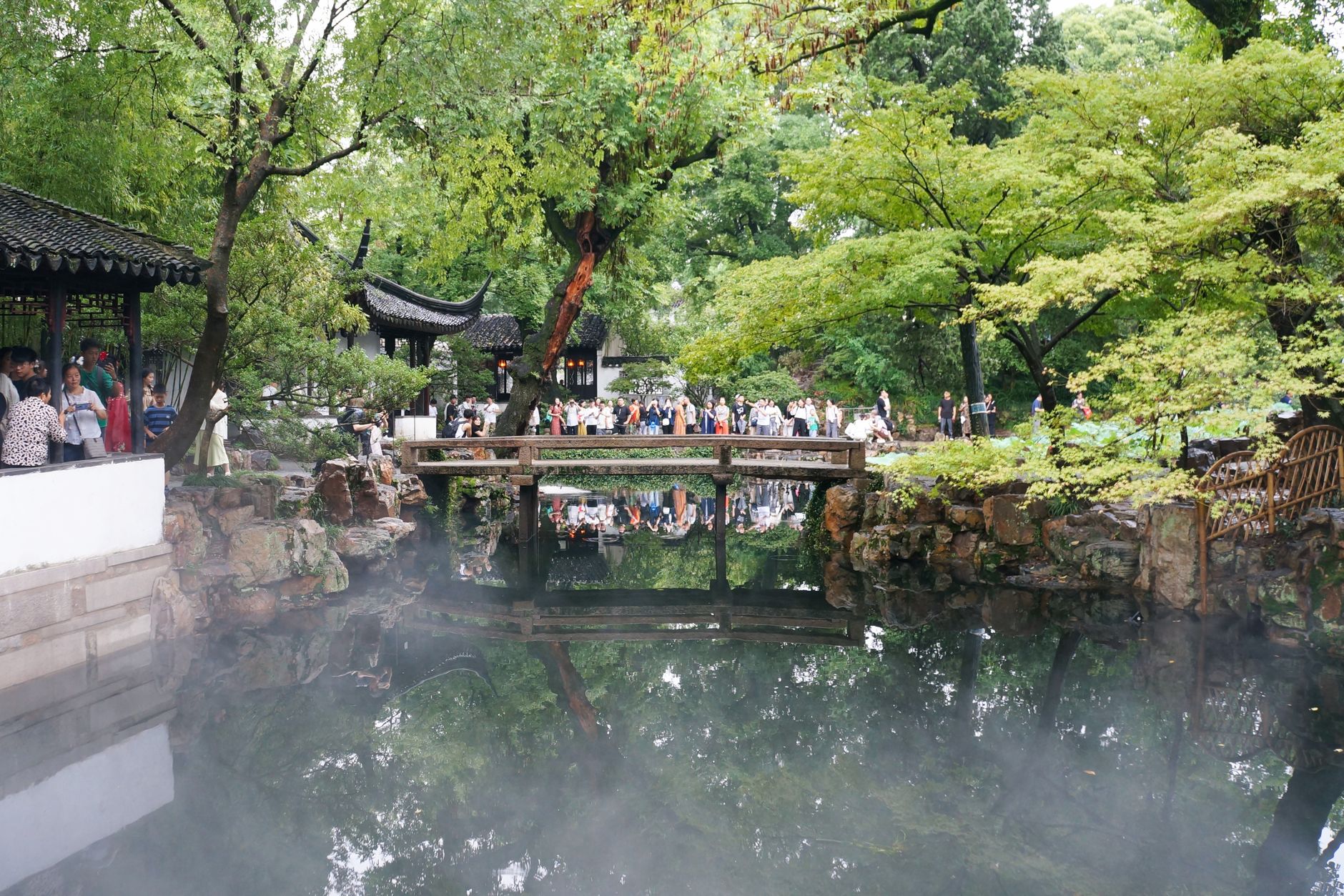
Quick answer: Most travelers need 2 full days to see Suzhou’s top classical gardens, walk its historic canal streets, and visit a working silk workshop, with easy day-trip access from Shanghai via 25-minute high-speed rail.
Suzhou sits 100 kilometers west of Shanghai in Jiangsu province, on the eastern stretch of the Grand Canal. Founded in 514 BCE, the city retains a grid of narrow waterways and lane houses that date back centuries, alongside its UNESCO-listed collection of classical gardens and a continuous silk production tradition stretching back 2,000 years. As on-the-ground China travel specialists, HXXC Travel bases this guide on regular site checks and feedback from our guided groups traveling through the Yangtze River Delta.
Best Time to Visit
Spring (late March to early May) brings mild temperatures between 12C and 22C, with wisteria and peony blooms across the garden courtyards. Autumn (mid-September to early November) has matching temperature ranges and clear skies, with maple foliage and chrysanthemum displays from late October onward.
Summer (June to August) brings consistent 30C+ heat and heavy rainfall during the mid-June to mid-July plum rain season, while winter (December to February) sees cold temperatures between 0C and 8C and far fewer crowds at major sites. As of November 2026, visitor numbers peak during national public holidays (first week of May, first week of October, Spring Festival), when entry wait times can exceed 90 minutes. Plan visits on weekdays outside these windows for the shortest lines.

Classical Gardens: What to Prioritize
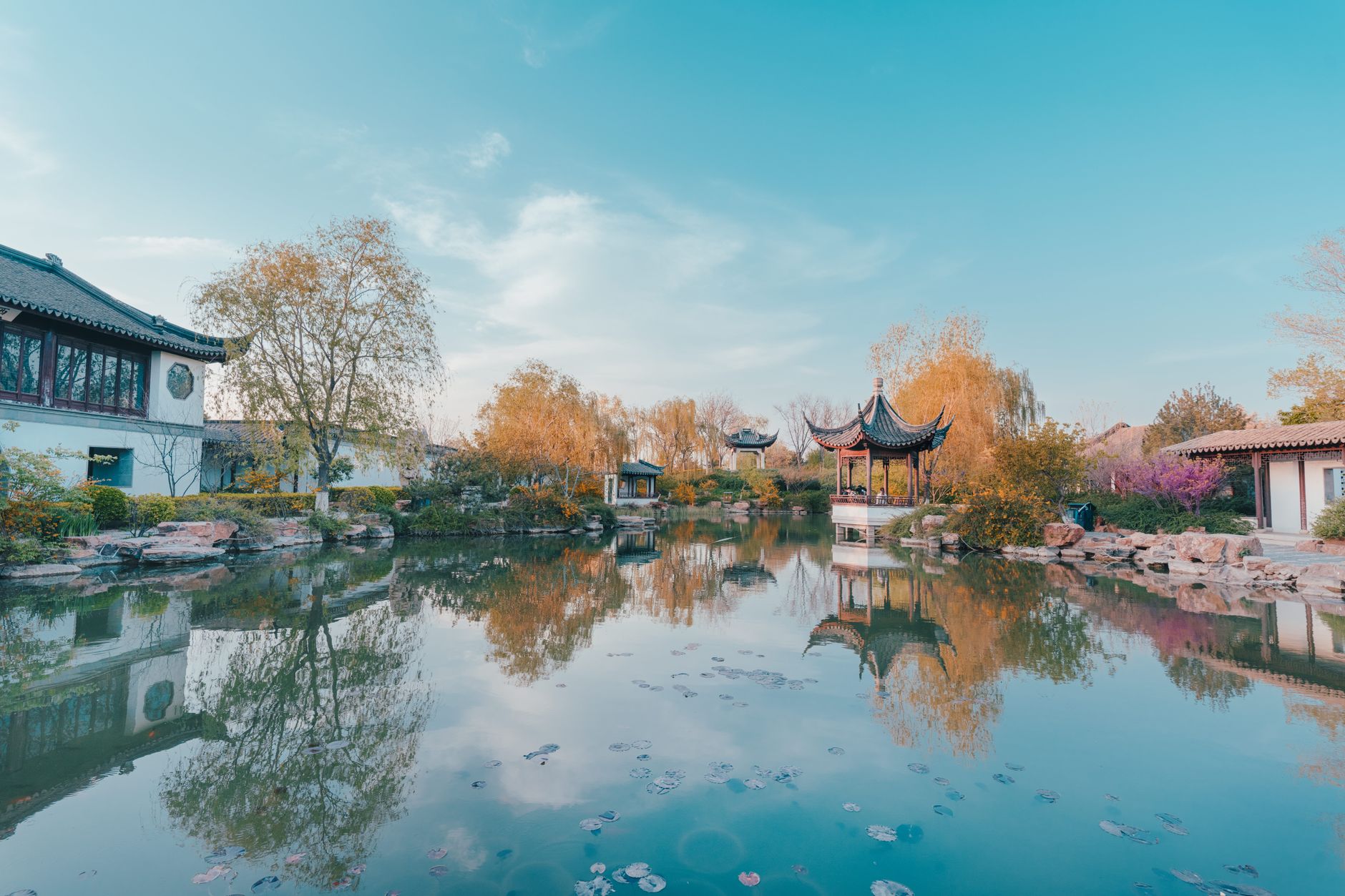
There are more than 60 preserved classical gardens within Suzhou’s old city, 9 of which are inscribed on the UNESCO World Heritage List as masterworks of Chinese landscape design. Most first-time visitors do not need to see all 9; visiting 3 to 4 gardens over two days avoids the fatigue of seeing repeated pavilion, rock, and pond arrangements without time to notice individual design details.
All listed ticket prices and opening hours are current as of November 2026; recheck official channels before travel, as schedules may shift for maintenance or special events.
- Humble Administrator’s Garden (Zhuozheng Yuan): The largest and most visited garden, built in the early 16th century, covering 5.2 hectares with interconnected ponds, pavilions, and a dedicated bonsai display area. Off-peak entry (January, February, June, July, August, December) costs 70 RMB per person; peak entry (March to May, September to November) costs 80 RMB. Opening hours are 07:30 to 17:30 from March to November, 07:30 to 17:00 from December to February, with last entry 45 minutes before closing.
- Lingering Garden (Liu Yuan): Built in the late 16th century, this garden is known for its collection of eroded Taihu scholar stones and covered walkways connecting residential halls, small courtyards, and a central reflecting pond. Off-peak entry is 55 RMB, peak entry is 70 RMB, with matching opening hours to the Humble Administrator’s Garden.
- Master of the Nets Garden (Wangshi Yuan): A smaller, compact 12th-century garden, best known for its seasonal evening traditional music performances held in spring and autumn. Daytime entry is 40 RMB; evening performance tickets (when running) cost 100 RMB.
- Lion Grove Garden (Shizi Lin): Famous for its maze of tall, eroded Taihu rock formations, built in the 14th century by a Zen Buddhist monk. Off-peak entry is 30 RMB, peak entry is 40 RMB.
The most common visitor mistake is trying to see more than two large gardens in a single day. Each garden is designed for slow walking, with deliberately framed views that reward spending 1.5 to 2 hours per site. HXXC Travel recommends booking timed entry tickets 1 to 2 days in advance via the official Suzhou Gardens ticketing platform, as same-day tickets often sell out during peak season.
Canal Streets and Water Towns
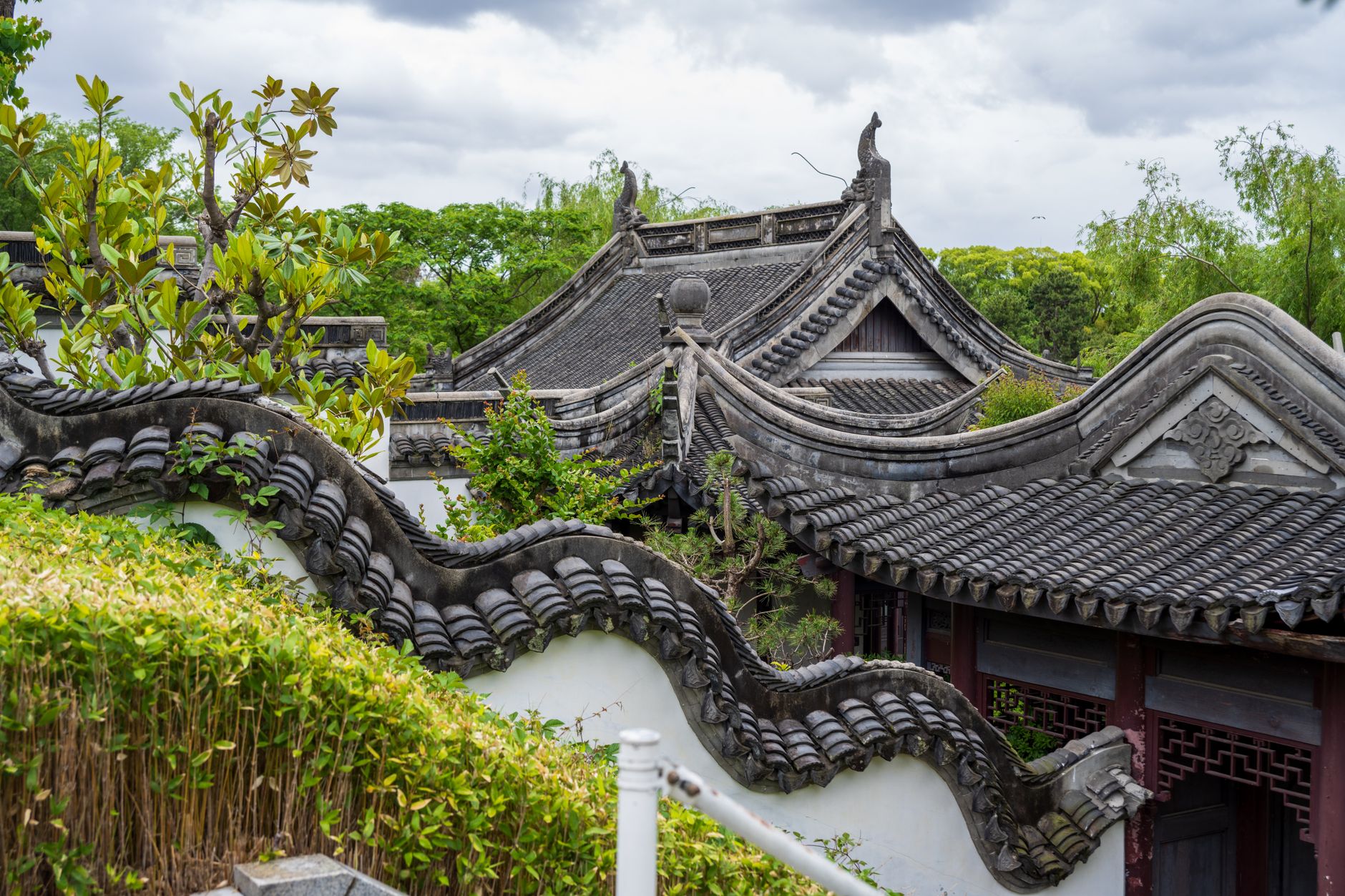
Suzhou’s canal network forms part of the Grand Canal, the 1,700-kilometer man-made waterway that linked northern and southern China for imperial grain transport, which holds separate UNESCO World Heritage status. The city’s old town is crisscrossed by 35 kilometers of narrow canals, with stone bridges, waterside lane houses, and public wharves that remain in active use by local residents.
Two central canal districts are accessible without long travel from the old city core:
- Pingjiang Road: A 1.6-kilometer stone-paved pedestrian street running along an 800-year-old canal, lined with restored courtyard homes, teahouses, and small craft shops. It is free to access 24 hours a day, with small paid exhibits in a handful of historic homes along the route.
- Shantang Street: A 3.8-kilometer canal street built in the 8th century to connect the old city to Tiger Hill. The 1-kilometer restored eastern section closest to Changmen Gate is heavily commercial, while the western stretches remain largely residential.
Three historic water towns sit within a 1-hour travel radius of central Suzhou, popular as half or full-day trips:
- Tongli: 18 kilometers from central Suzhou, built around 15 canals with 49 preserved stone bridges. As of November 2026, combined entry for the town and its key courtyard sites costs 100 RMB, with direct access via Suzhou Metro Line 4.
- Zhouzhuang: 40 kilometers southeast of Suzhou, one of the earliest water towns opened to tourism, known for its twin 16th-century stone bridges. As of November 2026, combined entry costs 100 RMB, reached by direct public bus from Suzhou North Bus Station in around 1 hour.
- Luzhi: 25 kilometers east of Suzhou, with fewer international visitors, home to the 1,500-year-old Baosheng Temple and more than 40 historic stone bridges. As of November 2026, combined entry costs 78 RMB.
For visitors short on time, Pingjiang Road gives a representative experience of Suzhou’s canal-side architecture without the 1+ hour travel time to outlying water towns. If you do visit an outlying water town, arrive before 9am to avoid large day-tour crowds from Shanghai and Suzhou.
Silk Heritage and Workshops
Suzhou served as an imperial silk production center for more than 1,000 years, with local Song brocade weaving and Suzhou hand embroidery listed as national intangible cultural heritage. Two key sites offer public access to silk production processes:
- Suzhou Silk Museum: Located in the old city, free to enter as of November 2026, with exhibits on 2,000 years of local silk production history, working looms demonstrating Song brocade weaving, and displays of silk garments from the Ming and Qing dynasties. Opening hours are 09:00 to 17:00, closed Mondays except public holidays.
- No. 1 Silk Mill: A working silk factory originally founded in the 1920s, with public tours showing the full production process from silkworm cocoon boiling to silk reeling, weaving, and finished products. As of November 2026, guided tour entry costs 60 RMB per person.
When purchasing silk in Suzhou, legitimate 100% mulberry silk products typically cost 200-400 RMB for a standard silk scarf, and 1,500-3,000 RMB for a queen-size silk duvet. Avoid heavily discounted silk products sold by street vendors near major tourist sites, as these are almost always synthetic blends. HXXC Travel can arrange visits to small, family-run embroidery workshops for travelers interested in seeing hand embroidery work rather than large-scale factory production.
Local Food to Try
Suzhou cuisine is known for its mild, sweet flavors and emphasis on seasonal, fresh ingredients. Key dishes to look for include:
- Songshu Guiyu (squirrel-shaped mandarin fish): A signature local dish, where whole mandarin fish is scored, deep-fried until crisp, and coated in a sweet and sour tomato-based glaze. It is served at most traditional Suzhou restaurants, with a typical price of 120-180 RMB per whole fish.
- Su-style noodles: Thin wheat noodles served in light, savory broth, with seasonal toppings such as braised pork, freshwater shrimp, or shredded eel. Most local noodle shops serve noodles for breakfast and lunch, with a standard bowl costing 15-30 RMB.
- Osmanthus glutinous rice cake: A sweet seasonal snack made with steamed glutinous rice and fresh osmanthus flowers, sold by street vendors and pastry shops along canal streets in autumn, typically costing 5-10 RMB per piece.
- Biluochun tea: A delicate green tea grown in the hills west of Suzhou, harvested in early spring. It is served in most canal-side teahouses, with a pot of tea costing 30-60 RMB.
Practical Transport Tips
All transport details are current as of November 2026; recheck schedules before travel, as train timetables and metro routes may see seasonal adjustments.
- From Shanghai: High-speed G-series trains run from Shanghai Hongqiao Station to Suzhou Station (the closest rail stop to the old city) every 10 to 15 minutes between 06:00 and 22:30, with a travel time of 23 to 30 minutes and a second-class ticket price of 39.5 RMB. Slower D-series trains take 45 minutes and cost 26 RMB. Avoid arriving at Suzhou North Station if your primary destination is the old city, as it sits 10 kilometers north of central sites and requires a 40-minute metro ride to reach the garden district.
- Getting around Suzhou: The city’s metro system has 9 lines as of November 2026, with Line 1 and Line 4 connecting the main railway station, old city gardens, Pingjiang Road, and Tongli water town. Single metro rides cost 2 to 7 RMB depending on distance. Taxis start at 13 RMB for the first 3 kilometers, with a 2.5 RMB per kilometer surcharge after that. Shared bicycles are available across the old city, but note that many core streets are restricted to pedestrians only, so cycling is only practical on roads outside the central pedestrian zones.
- Visa note: As of November 2026, citizens of 57 countries qualify for the 240-hour transit visa exemption when entering China via Shanghai Pudong, Shanghai Hongqiao, or nearby Sunan Shuofang International Airport, allowing travel within Jiangsu, Shanghai, and Zhejiang province without a full tourist visa. Always recheck the latest entry and visa requirements before booking travel, as policies may change with little notice.
Suggested 2-Day Itinerary
This itinerary avoids backtracking across the old city and schedules garden visits for early morning, when tour group crowds are lightest and natural light is best for viewing garden landscapes.
- Day 1: Start early at Humble Administrator’s Garden (arrive by 08:00 to beat tour groups), walk 10 minutes to Lion Grove Garden, then visit the Suzhou Silk Museum in the late morning. Spend the afternoon and early evening walking Pingjiang Road, stopping for Su-style noodles for lunch and osmanthus cake for a snack. If traveling in spring or autumn, book evening performance tickets at the Master of the Nets Garden.
- Day 2: Start at Lingering Garden when it opens at 07:30, then take a 30-minute taxi or metro ride to Tiger Hill (a historic hilltop site with a 1,000-year-old leaning pagoda, entry 60 RMB peak season as of November 2026). In the afternoon, either walk Shantang Street or take a day trip to Tongli water town, returning to Suzhou Station in time for an evening train to Shanghai or onward to Hangzhou.
If you have a third day, add a day trip to one of the more distant water towns, visit the Taihu Lake shore west of the city, or book a half-day hand embroidery workshop.
References & Updates
This guide is reviewed monthly by HXXC Travel’s on-the-ground team in Jiangsu and our home office in Jiangmen, Guangdong, to reflect changes to ticket prices, opening times, transport routes, and entry policies. The most recent update was completed on October 23, 2026. All time-sensitive details (prices, schedules, visa rules) are marked as current as of November 2026; we recommend cross-checking official site channels for last-minute changes, such as temporary garden closures for maintenance or holiday schedule adjustments, 1 week before your trip.
Frequently Asked Questions
Is Suzhou worth a day trip from Shanghai?
Yes, for travelers with limited time, a 1-day day trip from Shanghai is feasible if you depart Shanghai Hongqiao by 07:30, allowing 8 to 9 hours in Suzhou to see one major garden, walk Pingjiang Road, and visit a silk workshop before returning to Shanghai in the evening. For a less rushed experience, plan one overnight stay in Suzhou.
How much does a Suzhou trip cost?
As of November 2026, a budget independent traveler can expect to spend 400-600 RMB per day in Suzhou, covering dormitory accommodation, public transport, food, and entry to one garden. Mid-range travelers staying in a 3 or 4-star hotel near the old city can expect to spend 800-1,500 RMB per person per day, including taxi fares, restaurant meals, and entry fees. Guided private day trips from Shanghai with HXXC Travel typically start at 1,200 RMB per person for groups of two, including train tickets, entry fees, a local guide, and lunch.
What is the best month to visit Suzhou gardens?
April and October are the most consistent months for garden visits, with mild temperatures, low rainfall, and seasonal plant displays. Avoid visiting during national holiday weeks in early May and early October, when garden sites operate at maximum capacity.
Related private tours
- Chongqing After Dark — Mountain City Lights & Ancient Streets — 4 days
- China Tour — 8 days · From US$1,650
- Shanghai to the Mountains — Wangxian Valley & Furong Town — 18 days