Quick Answer: Which Connectivity Option Is Best for China?
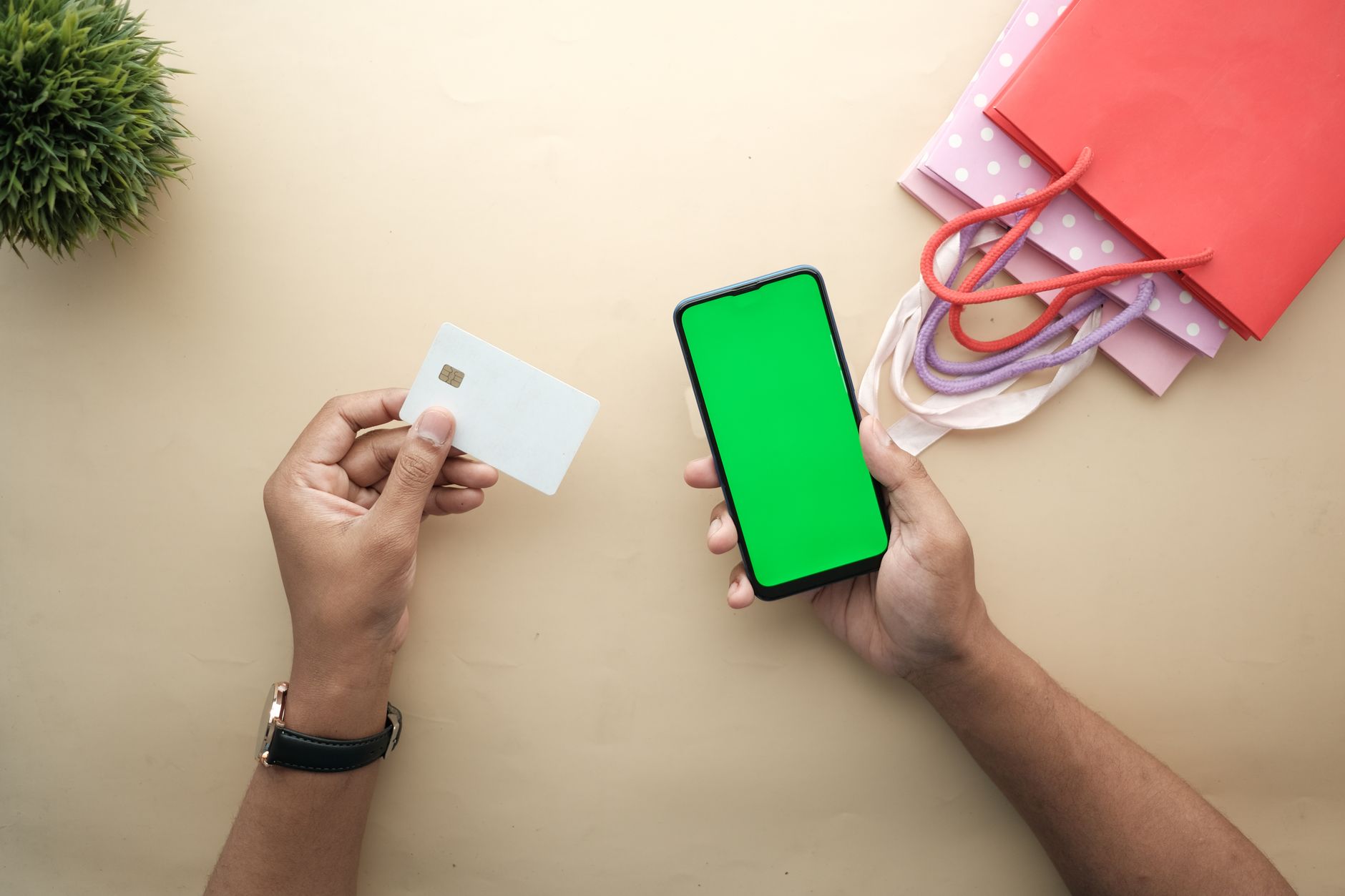
For most 2026 China travelers, eSIM is the top choice: it’s low-cost, activates instantly on landing, and works nationwide. Pocket WiFi is best for groups, while physical SIMs suit long stays or older phones.

Key Background: Internet and Mobile Networks in China
As of November 2026, mainland China has three state-owned mobile carriers: China Mobile, China Unicom, and China Telecom. All three offer 5G coverage in most cities and major tourist destinations, with 4G available in nearly all populated areas, including remote sites like Zhangjiajie and Lhasa.
A common point of confusion for first-time visitors: all three connectivity options (SIM, eSIM, pocket WiFi) provide access to China’s domestic internet. Foreign platforms including Google Search, WhatsApp, Instagram, X, and Facebook are blocked in mainland China, so you will need a separate VPN service set up before your trip to access these. None of the connectivity options included in this guide bypass content restrictions.
Note that all mobile services in China require real-name registration with a valid passport, as of November 2026. This applies to physical SIMs, eSIMs, and pocket WiFi rentals.
Prepaid SIM Cards for China
How to Get a China SIM Card
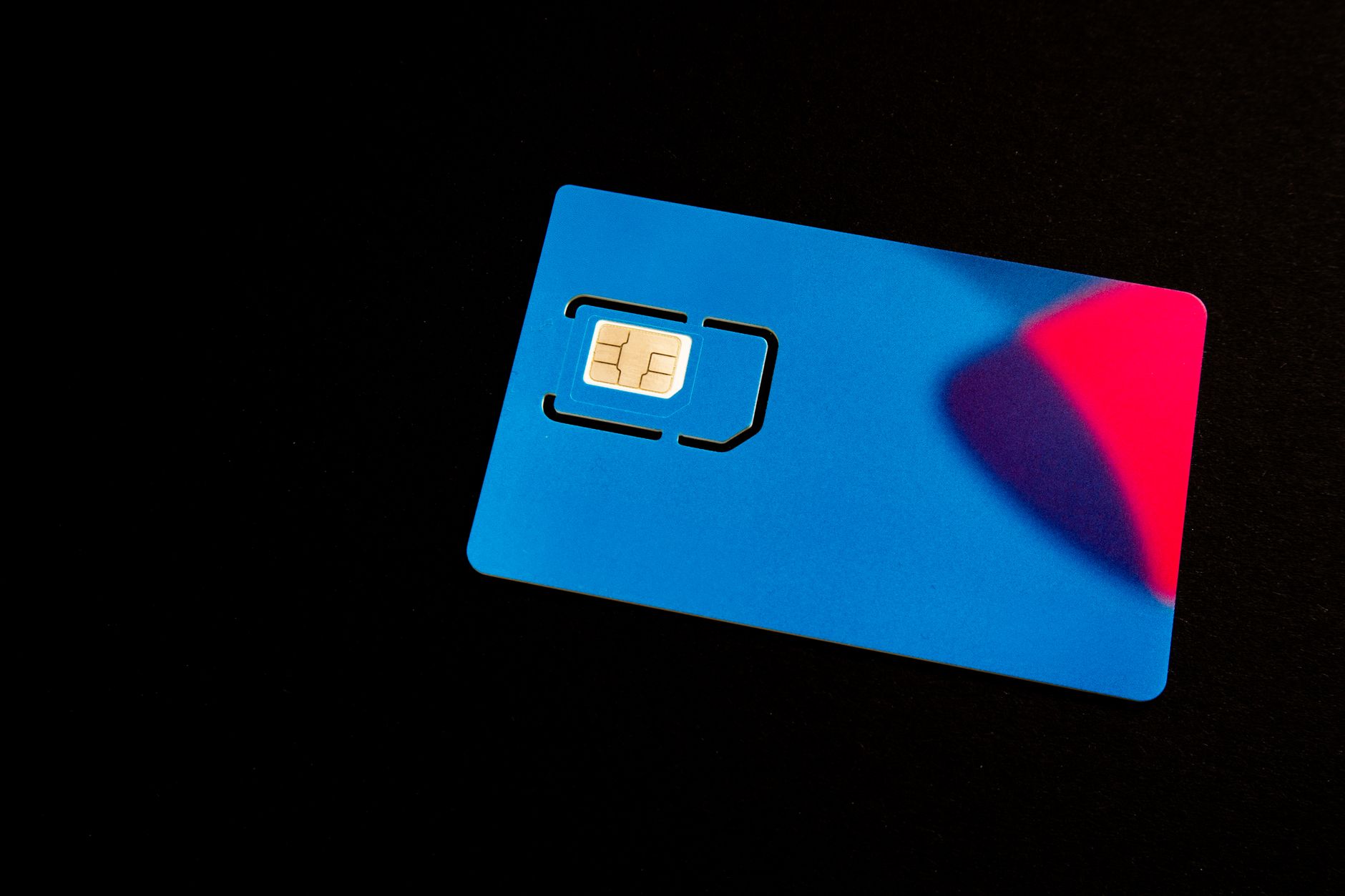
You can buy a prepaid tourist SIM card at most major international airports in China, including Guangzhou Baiyun, Shanghai Pudong, Beijing Capital, and Shenzhen Bao’an. Airport counters are usually located in the arrivals hall, near baggage claim, and staff often speak basic English.
You can also purchase SIM cards at carrier retail stores in cities, but airport locations are the most convenient for arriving travelers. You will need to present your passport and have a photo taken for real-name registration, as of November 2026. Activation usually takes 5-10 minutes.
2026 Prepaid SIM Card Pricing (as of November 2026)
Pricing varies by carrier, data allowance, and validity period. Typical tourist plans include:
- 7 days / 10GB high-speed data: 40-60 RMB ($5.50-$8.50 USD)
- 14 days / 20GB high-speed data: 70-100 RMB ($9.50-$14 USD)
- 30 days / 30GB high-speed data: 100-160 RMB ($14-$22 USD)
Most plans include free incoming calls and a small amount of domestic call minutes. Data speeds are throttled to 2G or 3G after you use your high-speed allowance.
Always confirm current pricing and plan details before travel, as offers change periodically.
Pros of Physical SIM Cards
- Lower cost for long stays (1+ month) compared to short-term plans
- Wide compatibility with any unlocked phone, including older models that don’t support eSIM
- Reliable coverage, especially if you choose China Mobile for remote areas
- No need to worry about battery life (uses your phone’s battery)
Cons of Physical SIM Cards
- Requires a trip to a retail counter or airport store to purchase and activate
- You need to swap out your home SIM card, which means you won’t receive calls or texts to your regular number unless you forward them
- If your phone uses a nano-SIM and you lose the SIM, it can be hard to replace while traveling
- Real-name registration requires in-person ID check at the point of purchase
eSIM for China: Pros, Cons, and 2026 Pricing
How China eSIMs Work
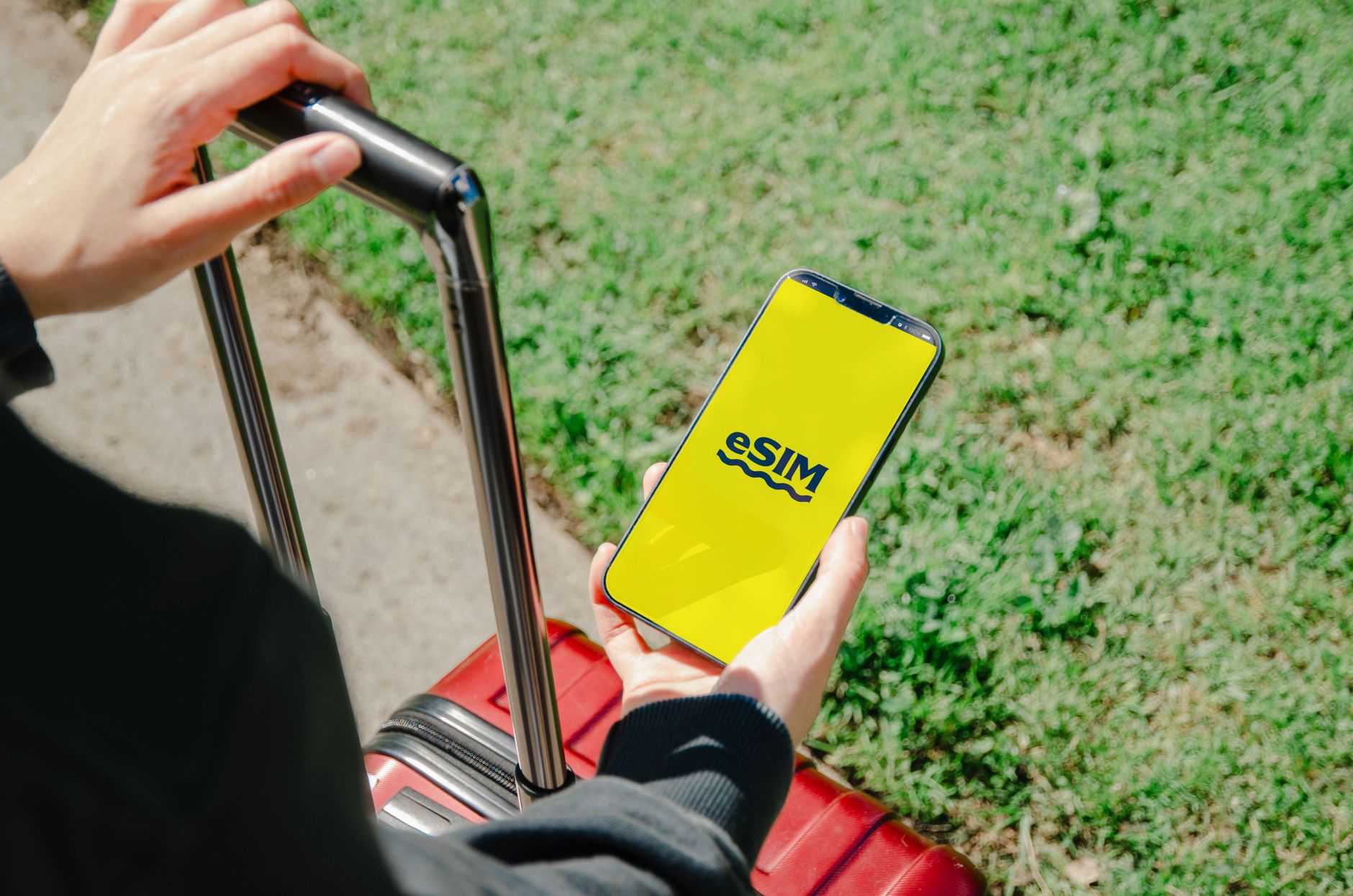
eSIMs are digital SIM cards that you download directly to your compatible phone, no physical card required. For China travel, you can purchase eSIM plans from two types of providers: international eSIM resellers (like Airalo, Nomad) or local Chinese carriers (China Unicom, China Telecom).
International eSIMs can be purchased online before your trip, and you activate them as soon as you land in China. Most require you to upload a photo of your passport for real-name registration during the purchase process, as of November 2026. Local carrier eSIMs are often cheaper but may require a Chinese phone number or more complex verification for foreign travelers.
2026 China eSIM Pricing (as of November 2026)
Pricing depends on the provider, data allowance, and validity. Typical tourist eSIM plans for China include:
- 7 days / 10GB data: $7-$12 USD
- 14 days / 20GB data: $11-$18 USD
- 30 days / 30GB data: $16-$25 USD
International reseller plans are usually slightly more expensive than local carrier plans, but offer easier signup for non-Chinese speakers and English support.
Always verify current pricing and coverage before booking, as plan terms change regularly.
Pros of China eSIM
- Instant activation: you can buy and set up the eSIM before your trip, and it activates automatically when you turn on your phone in China
- No need to swap physical SIM cards: you can keep your home SIM active for calls and texts, and use the eSIM for data
- No risk of losing a physical SIM card
- Lower cost for short trips (1-2 weeks) compared to pocket WiFi
- Wide coverage on major Chinese carrier networks
Cons of China eSIM
- Only works with eSIM-compatible phones: iPhone XS/XR and newer, Samsung Galaxy S20 and newer, Google Pixel 3 and newer, and select other models. Older phones are not compatible.
- Some eSIM plans have stricter fair usage policies than physical SIMs
- If you have trouble activating the eSIM, customer support may be limited if you’re already traveling
- You can’t transfer the eSIM to another device easily if your phone breaks
Pocket WiFi for China: Pros, Cons, and 2026 Pricing
How Pocket WiFi Works in China
Pocket WiFi is a small, portable router that connects to China’s mobile networks and creates a personal WiFi hotspot. You can connect multiple devices (phones, tablets, laptops) to the same hotspot at once.
You can rent pocket WiFi online before your trip and pick it up at the airport upon arrival, or have it delivered to your first hotel. Most rentals include a charger, and some include a power bank. You return the device at the end of your trip, either at the airport or by mail.
As of November 2026, all pocket WiFi rentals require a valid passport for registration and a refundable deposit.
2026 Pocket WiFi Pricing (as of November 2026)
Rental costs are typically charged per day, with discounts for longer rentals. Typical pricing for China pocket WiFi:
- Daily rate: $2.50-$5 USD per day
- 7-day rental: $18-$30 USD
- 14-day rental: $30-$55 USD
- Refundable deposit: $50-$100 USD
Most plans offer unlimited data, but with a fair usage cap of 30-50GB of high-speed data per day, after which speeds are throttled.
Always confirm current rates, deposit amounts, and return policies before booking.
Pros of Pocket WiFi
- Connects multiple devices at once (usually 5-10 devices), making it the cheapest option for groups or families
- No need to change SIM cards or modify your phone settings
- Works with any WiFi-enabled device, including older phones, tablets, and laptops
- Most devices have a battery life of 8-12 hours on a full charge
Cons of Pocket WiFi
- More expensive for solo travelers than eSIM or physical SIM
- You have to carry an extra device with you, and remember to charge it daily
- If you lose the device, you will forfeit your deposit
- Signal depends on the carrier the rental company uses, which may not be the best for remote areas
- You have to arrange pickup and return, which can add time at the airport
Head-to-Head Comparison: SIM vs eSIM vs Pocket WiFi
To help you decide at a glance, here’s how the three options stack up across key categories:
- Cost (10-day solo trip): Physical SIM ($8-$12) < eSIM ($10-$15) < Pocket WiFi ($25-$40)
- Ease of setup: eSIM (pre-setup before trip) > Pocket WiFi (airport pickup) > Physical SIM (in-person activation)
- Number of devices supported: Pocket WiFi (5-10) > eSIM (1) = Physical SIM (1)
- Device compatibility: Pocket WiFi (all WiFi-enabled devices) > Physical SIM (all unlocked GSM phones) > eSIM (only eSIM-compatible phones)
- Coverage flexibility: Physical SIM (choose your carrier) = eSIM (select provider with preferred network) > Pocket WiFi (fixed carrier per rental company)
- Best for remote areas: Physical SIM (China Mobile) > eSIM (China Mobile network) > Pocket WiFi (varies by provider)
Which Option Should You Choose?
The best connectivity option depends on your travel style, group size, and itinerary:
- Solo travelers on short trips (1-2 weeks): eSIM is the most convenient choice. You can set it up before your trip, avoid airport lines, and keep your home SIM active for important calls.
- Groups or families of 3+ people: Pocket WiFi offers the best value, as you can split the cost across multiple people and connect all your devices at once.
- Long-term travelers (1+ month): Physical SIM cards have the lowest cost per GB, and you can top up data easily at convenience stores or carrier apps.
- Travelers with older or locked phones: Choose a physical SIM if your phone is unlocked, or pocket WiFi if your phone is locked or doesn’t support eSIM.
- Travelers visiting remote areas (Tibet, western Sichuan, Inner Mongolia): Opt for a China Mobile physical SIM or eSIM, as China Mobile has the most extensive rural coverage in China.
If you book a custom tour with HXXC Travel, we can pre-arrange a China Mobile eSIM or pocket WiFi for you, with pickup available at Guangzhou Baiyun Airport, Shenzhen Bao’an Airport, or your first hotel in Guangdong. We can also help you select the right plan based on your specific itinerary, including trips to remote destinations.
Important Tips for Staying Connected in China
- VPN requirement: As of November 2026, foreign social media, search engines, and messaging apps (Google, WhatsApp, Instagram, X, Facebook) are blocked in mainland China. None of the connectivity options in this guide bypass these restrictions. Download and test a reliable VPN service before your trip, as you cannot download VPN apps from Chinese app stores.
- Avoid unofficial vendors: Only buy SIM cards or eSIMs from official carrier stores, airport counters, or reputable resellers. Unofficial street vendors may sell unregistered SIMs that get deactivated without notice.
- Check your phone’s compatibility: Most unlocked GSM phones work with Chinese networks, but CDMA-only phones (rare outside of North America) may have limited compatibility. Verify your phone’s band support before your trip.
- Data top-ups: For physical SIMs and eSIMs, you can top up data through carrier apps if you have a Chinese payment method, or via third-party resellers. HXXC Travel can assist with top-ups for guests on our tours.
Frequently Asked Questions
Do I need a VPN with a China SIM card, eSIM, or pocket WiFi?
Yes. All three connectivity options connect to China’s domestic internet, which blocks access to many foreign websites and apps as of November 2026. You will need a separate VPN service to access Google, WhatsApp, Instagram, and other blocked platforms. Set up and test your VPN before you leave for China, as VPN apps are not available for download in Chinese app stores.
Can I use my regular phone plan in China?
Most international phone plans offer roaming in China, but rates are typically very high – often $10-$20 per day for unlimited data, or $2-$5 per MB for pay-as-you-go. For most travelers, a local SIM, eSIM, or pocket WiFi is much cheaper. Check with your home carrier for current roaming rates before your trip.
How much does data cost in China for tourists?
As of November 2026, a 10-day tourist data plan costs roughly $8-$15 USD for a SIM or eSIM, and $25-$50 USD for pocket WiFi. The exact cost depends on data allowance, validity, and provider. Long-term 30-day plans cost $14-$25 USD for SIM or eSIM.
Can I buy a China eSIM before arrival?
Yes. Most international eSIM resellers allow you to purchase and download a China eSIM before your trip. The eSIM will activate automatically once you connect to a Chinese network upon landing. You will need to upload a photo of your passport for real-name registration during the purchase process, as of November 2026.
Will my phone work with a China SIM card?
Most unlocked GSM phones work with China’s mobile networks. China Mobile and China Unicom use GSM/4G/5G bands that are compatible with most international phones. If you have a CDMA-only phone (rare outside of North America), it may not work with all carriers. Check your phone’s band compatibility before your trip.
Is pocket WiFi better than SIM for China?
Pocket WiFi is better than a SIM card if you’re traveling in a group, need to connect multiple devices, or have a locked phone that doesn’t support eSIM. For solo travelers, a SIM or eSIM is usually cheaper and more convenient, as you don’t have to carry an extra device or remember to charge it.
Related private tours
- Lhasa, Nyingchi & Shigatse — 10-Day Tibet Tour — 10 days
- Six Cities, One China — 15-Day Family Circuit — 15 days
- Best of China — 19-Day Private Tour — 19 days · From US$2,450