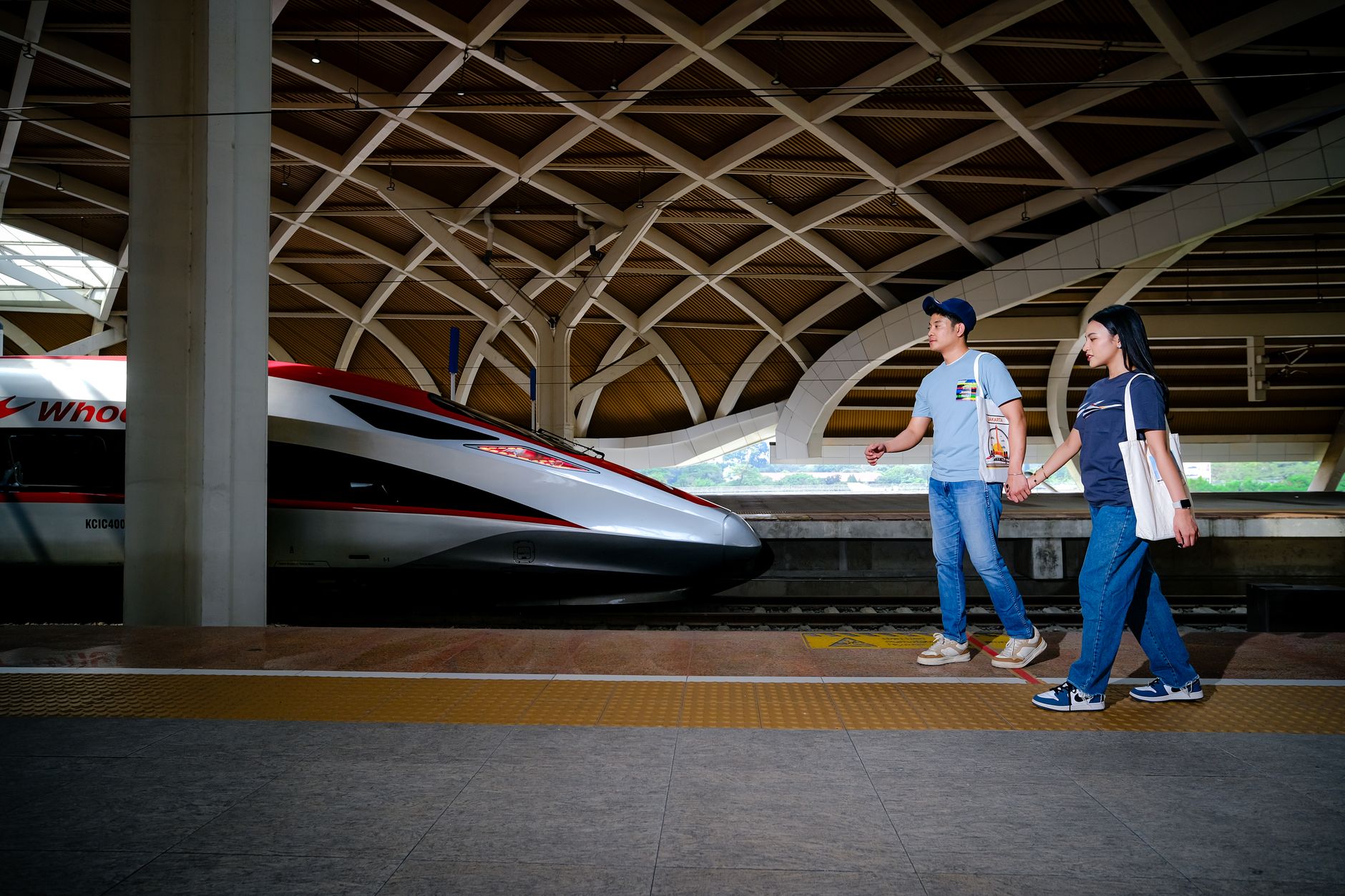
The best shoulder-season months for China travel are March and November. March offers mild temperatures and spring blossoms in eastern China, while November delivers crisp autumn weather and fall colors across central and southern regions. Both months see fewer crowds and lower prices than peak summer and the October National Day holiday.
Why March and November Are the Smartest Months to Visit China
China's peak tourist periods are the National Day holiday (October 1-7), Chinese New Year (January or February), and the summer school holidays (July-August). March and November fall outside these windows, meaning shorter queues at major attractions, better hotel availability, and airfare that can be 20-40% lower than peak months.
As of November 2026, international visitor numbers to China are still below pre-2020 levels, making shoulder seasons even quieter. HXXC Travel, a China inbound tour operator based in Jiangmen, Guangdong, has seen March and November bookings grow as travelers discover the advantages of avoiding both extreme weather and domestic holiday crowding.
Weather Overview
March in eastern China (Shanghai, Hangzhou, Suzhou) typically ranges from 7-17°C during the day, with occasional rain. Northern cities like Beijing are cooler at 2-14°C but warming steadily. Trees begin blossoming in mid-to-late March.
November reverses the pattern. Beijing cools to 0-12°C with clear, dry skies. Shanghai and Hangzhou stay comfortable at 8-17°C. Central China destinations like Zhangjiajie see daytime highs of 10-18°C, ideal for hiking.
Cost Differences
Hotel rates in Shanghai and Beijing during March and November typically run 20-35% lower than during April, October, and the summer months. Domestic flights within China also drop outside holiday periods. International airfare to China varies by origin city, but March and November are generally cheaper than December and June-August on most routes from North America, Europe, and Australia.
Reviewed October 2026 by the HXXC Travel planning team. All prices and policies below were current as of November 2026 but should be rechecked before booking.

March Route: Beijing to Hangzhou Spring Blossom Trail (8-10 Days)
This route follows the spring bloom from north to south, starting in Beijing and ending at Hangzhou's West Lake. Allow 8-10 days for a comfortable pace.
Days 1-3: Beijing
Beijing in early March is crisp and uncrowded. The Forbidden City and Temple of Heaven see far fewer visitors than in April or October. Daytime temperatures of 5-12°C are fine for walking if you bring layers.
Visit the Great Wall at Mutianyu rather than Badaling. Mutianyu is less crowded year-round and especially quiet in March. The cable car up and toboggan down costs approximately 120-160 CNY per person as of November 2026; confirm current pricing before travel.
Take the high-speed train from Beijing South to Shanghai Hongqiao. G-series trains cover the 1,318 km route in about 4.5 hours. Second-class tickets cost roughly 553 CNY. Book through China Railway's 12306 platform or via HXXC Travel's booking service.
Days 4-6: Shanghai
Shanghai in mid-March averages 8-16°C. The Bund waterfront promenade is pleasant without summer humidity. Yu Garden and the former French Concession streets are ideal for walking in this weather.
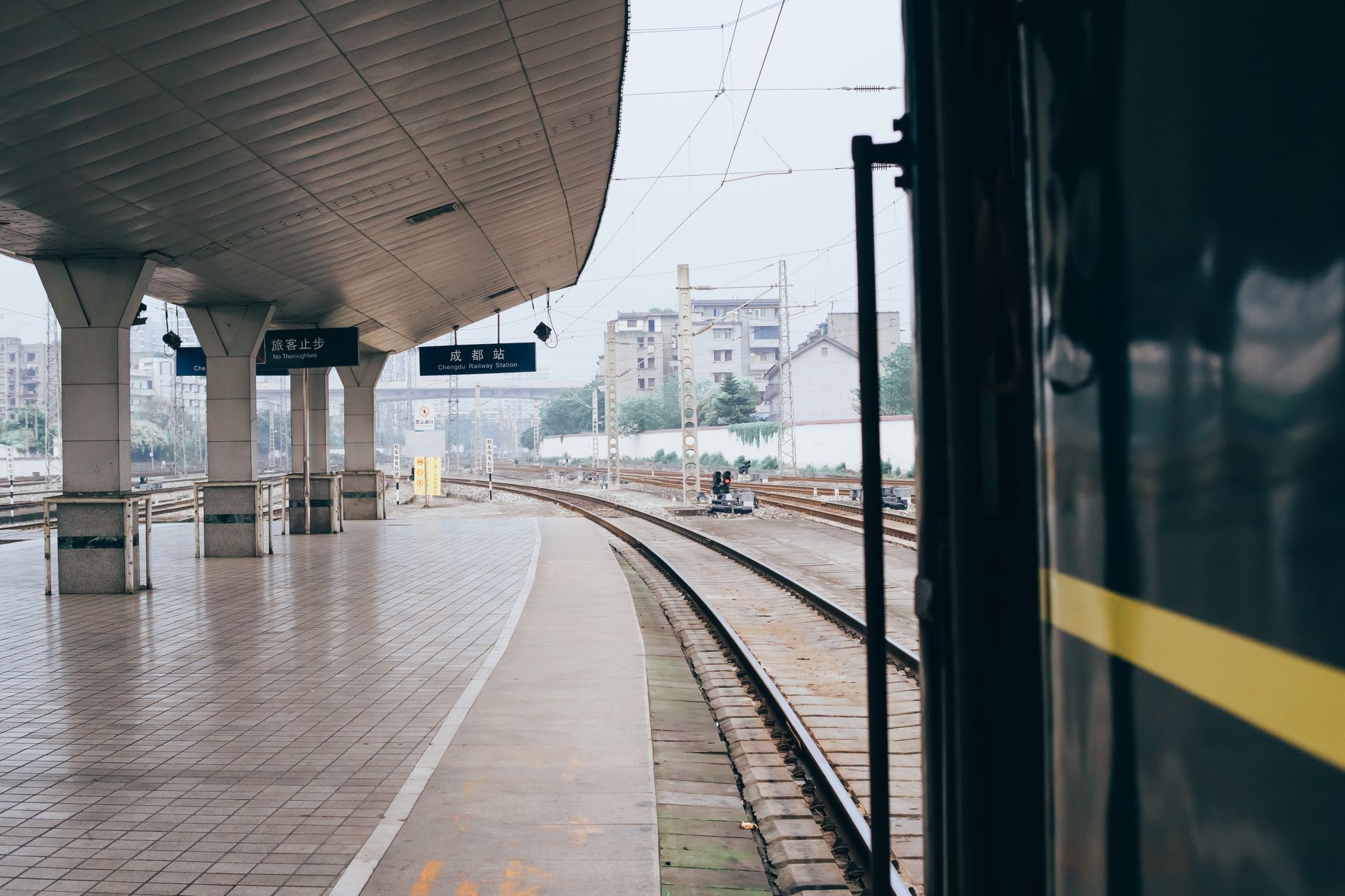
From Shanghai, take the high-speed train to Hangzhou. The journey takes about 45-60 minutes from Shanghai Hongqiao to Hangzhou East, with second-class tickets from around 73 CNY.
Days 7-9: Hangzhou and West Lake
Hangzhou's West Lake is the highlight of a March visit. Plum blossoms appear from late February through mid-March, followed by early cherry blossoms and willow trees leafing out along the lake's causeways. The Su Causeway and Bai Causeway are at their best from mid-to-late March.
West Lake has no entrance fee. Boat rides on the lake cost approximately 50-70 CNY per person. Lingyin Temple, one of China's oldest Buddhist temples, is a short taxi ride from the lake and charges an entry fee of about 30 CNY for the temple plus 30 CNY for the Feilai Peak scenic area as of November 2026.
HXXC Travel can arrange a Hangzhou local guide for day trips to nearby water towns like Wuzhen or Xitang, which are 60-90 minutes by car from Hangzhou and see fewer visitors in March than in spring peak.
November Route: Zhangjiajie to Shanghai Autumn Circuit (7-9 Days)
November is the ideal month for Zhangjiajie. The sandstone pillars that inspired the floating mountains in the film Avatar are framed by autumn foliage, temperatures are comfortable for hiking, and summer domestic crowds have thinned.
Days 1-3: Zhangjiajie
Fly into Zhangjiajie Hehua Airport. Direct flights connect from Shanghai Pudong, Beijing Capital, and Guangzhou Baiyun airports. Alternatively, high-speed trains serve Zhangjiajie West Railway Station from Changsha South in about 1.5 hours.

Zhangjiajie National Forest Park is the core attraction. A 4-day entrance ticket costs approximately 225 CNY per person as of November 2026, with an additional 38 CNY for the eco-bus within the park. The Bailong Elevator, a glass elevator built into the cliff face, costs about 72 CNY for a single ride. The Tianmen Mountain cable car, departing from Zhangjiajie city center, costs approximately 238 CNY including the glass walkway and escalator as of November 2026.
Spend two full days in the national park. Key viewpoints include Yuanjiajie (where the Hallelujah Mountain replica stands), Tianzi Mountain, and Golden Whip Stream. The park covers 397 square kilometers, so prioritize the western and central areas for the most dramatic pillar formations.
Days 4-5: Fenghuang Ancient Town
From Zhangjiajie, take a bus or private transfer to Fenghuang Ancient Town, about 4 hours by road. Fenghuang is a well-preserved riverside town with stilt houses along the Tuojiang River. November evenings are cool at 8-12°C, which suits the town's pace. Entrance to the old town area costs approximately 148 CNY for a combined ticket covering nine attractions as of November 2026.
Days 6-8: Shanghai
Fly from Zhangjiajie to Shanghai Pudong, or take the high-speed train via Changsha (total journey about 7-8 hours with transfers). Spend two days in Shanghai. November weather of 8-17°C is ideal for walking the Bund, exploring Yu Garden, and visiting the Shanghai Museum, which has free admission.
HXXC Travel offers private airport transfers and English-speaking guide services from both Shanghai Pudong and Hongqiao airports, designed for first-time international visitors to China.
Key Facts at a Glance
- March temperature range: 2-17°C across Beijing, Shanghai, and Hangzhou
- November temperature range: 0-18°C across Beijing, Shanghai, and Zhangjiajie
- Beijing to Shanghai high-speed rail: approximately 4.5 hours, from 553 CNY second class
- Shanghai to Hangzhou high-speed rail: approximately 45-60 minutes, from 73 CNY
- Zhangjiajie National Forest Park 4-day ticket: approximately 225 CNY as of November 2026
- West Lake Hangzhou: free admission year-round
- China rail booking platform: 12306 (recheck schedule and pricing before travel)
- Alipay and WeChat Pay are the dominant payment methods; international Visa and Mastercard can be linked to both
- As of November 2026, China offers visa-free entry of 15-30 days to citizens of selected countries including France, Germany, Italy, Spain, Malaysia, Australia, and New Zealand. Confirm current policy with your nearest Chinese embassy before booking.
Practical Tips for Shoulder Season Travel
Packing
March in northern China requires a warm jacket, layers, and a light rain shell. By late March in Shanghai and Hangzhou, a light jacket is enough during the day. November in Zhangjiajie and Shanghai needs a medium jacket, while Beijing in November requires a winter coat, especially in the evenings when temperatures can drop below 5°C.
Payment
China is nearly cashless. Download Alipay and WeChat before arrival and link an international Visa or Mastercard. Some smaller merchants do not accept international cards even through these apps, so carry 500-1,000 CNY in cash as backup. ATMs that accept foreign cards are available at all major airports and in city centers.
Booking Trains
Book high-speed rail tickets as soon as they become available, which is 15 days before departure on the 12306 platform. During shoulder season, tickets are easier to secure than during holidays, but popular routes like Beijing-Shanghai can still sell out on weekends. HXXC Travel can handle rail bookings for clients who find the Chinese-language 12306 system difficult to navigate.
Holiday Avoidance
Check the Chinese holiday calendar before finalizing dates. The Qingming Festival (Tomb Sweeping Day) falls in early April, just after the March shoulder window. Avoid the first week of October (National Day) entirely. Chinese New Year dates shift between January and February depending on the lunar calendar, so check specific dates for your travel year.
Frequently Asked Questions
Is March too cold to visit China?
March is not too cold for most of China's major tourist cities. Beijing averages 2-14°C, which is comfortable for sightseeing with a warm jacket. Shanghai and Hangzhou average 7-17°C, pleasant for walking. Northern China and high-altitude areas like Tibet remain cold in March, but eastern and central China routes work well.
Is November a good time to visit Zhangjiajie?
November is one of the best months to visit Zhangjiajie. Daytime temperatures of 10-18°C are ideal for hiking, autumn foliage adds color to the sandstone pillars, and summer crowds have dispersed. Visibility is generally good, though morning fog is common and can actually enhance the dramatic mountain views.
How long can I stay in China visa-free?
As of November 2026, citizens of selected countries including France, Germany, Italy, Spain, Malaysia, Australia, and New Zealand can enter China visa-free for up to 30 days depending on nationality. China also offers a 240-hour (10-day) transit visa exemption for citizens of 57 countries at designated international airports and ports. Always confirm the current policy with your nearest Chinese embassy or consulate before booking, as these policies change frequently.
What is the cheapest way to travel between cities in China?
High-speed rail is the most cost-effective and reliable way to travel between major Chinese cities. Beijing to Shanghai costs from 553 CNY in second class, Shanghai to Hangzhou from 73 CNY. Domestic flights are sometimes cheaper for longer routes like Shanghai to Zhangjiajie, especially when booked 1-2 months ahead. Overnight sleeper trains are the cheapest option but take significantly longer.
Can I use foreign credit cards in China?
Foreign credit cards are not widely accepted at Chinese merchants. Link your Visa or Mastercard to Alipay or WeChat Pay, which are accepted at nearly all restaurants, shops, and transit services. Keep some cash as backup. Major international hotels and upscale restaurants in Shanghai and Beijing may accept foreign cards directly, but this is the exception rather than the norm.
Related private tours
- Best Of China — 20-Day Private Tour — 20 days
- Six Cities, One China — 15-Day Family Circuit — 15 days
- Imperial Beijing, Avatar Mountains & Shanghai — Family Adventure — 11 days · From US$1,250