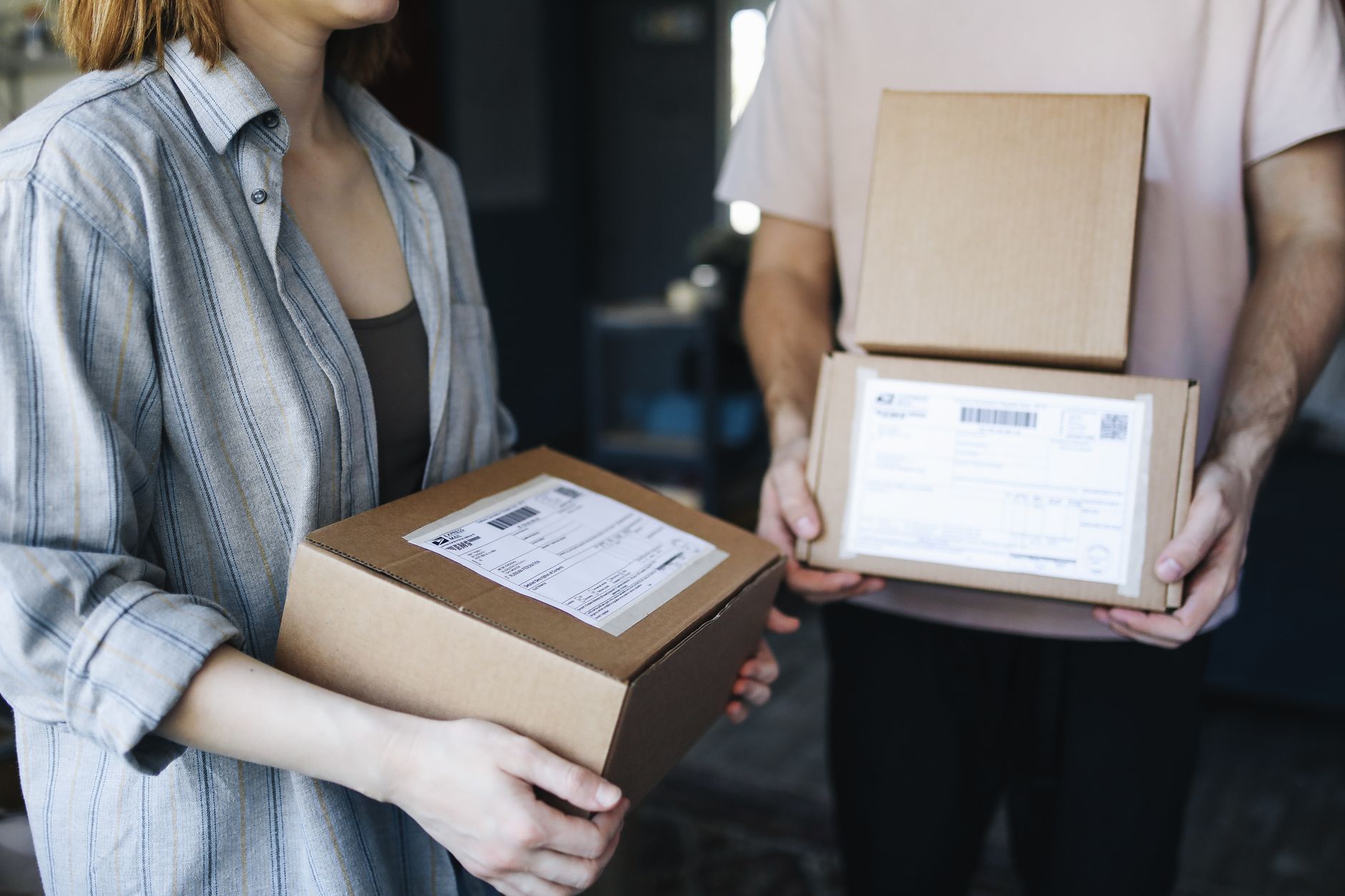
As of November 2026, most international travelers in China can ship personal purchases and souvenirs home via China Post, private couriers, or direct shop shipping in 10 minutes or less at most service points, with costs starting at roughly 80 RMB for a 1kg small parcel to North America, Europe, or Oceania. You do not need a local ID or Chinese bank account to send parcels if you bring your physical passport, and nearly all international services include end-to-end tracking. Rules around prohibited items and customs duty thresholds change periodically, so re-check official guidance for your home country and carrier before dropping off a high-value parcel.
Your Core Shipping Options, Compared
China Post Services
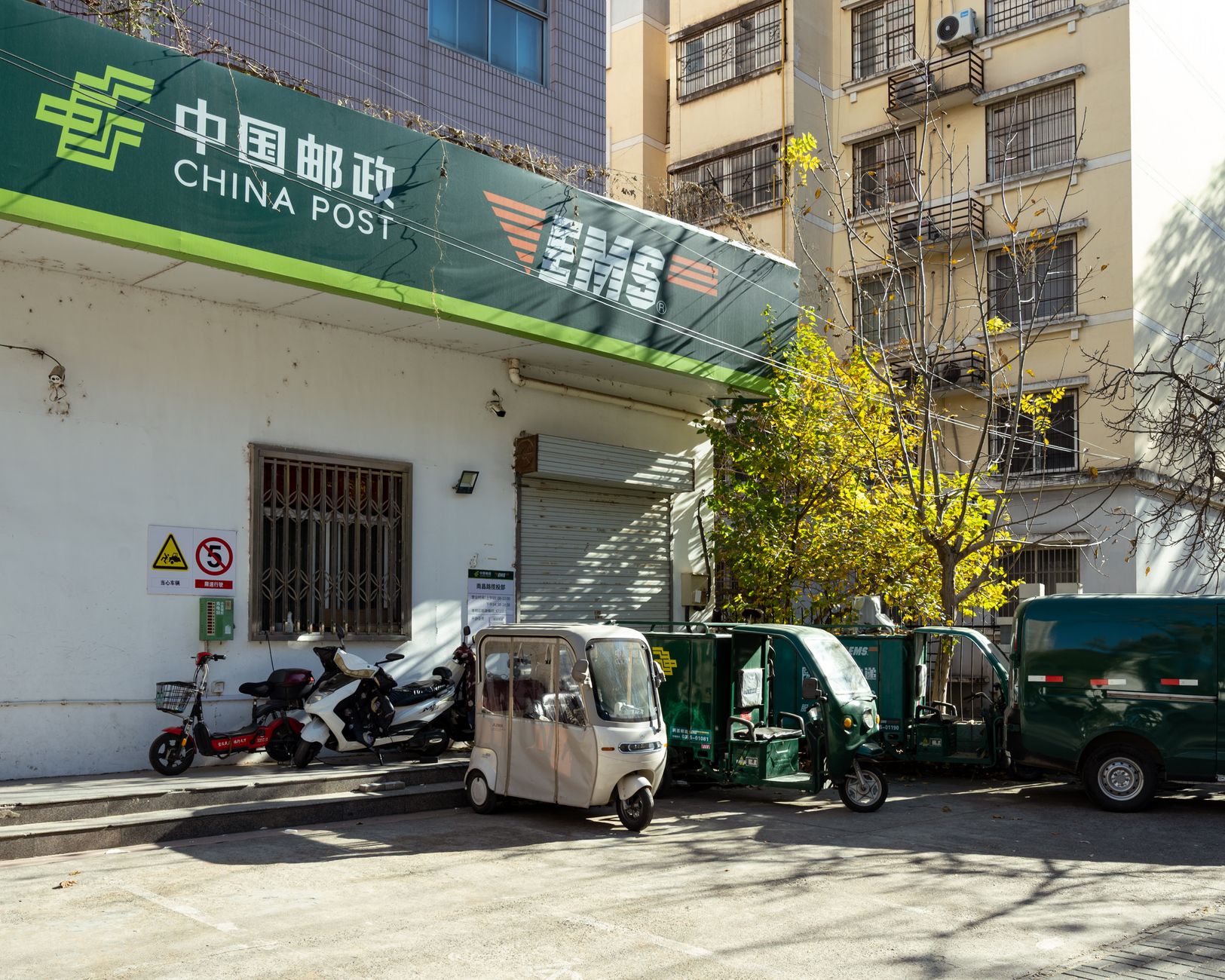
China Post is the most widely accessible option for travelers, with branches in every city, most major train stations, and even some large tourist areas. Staff at branches in popular tourist destinations (including Beijing, Shanghai, Xi’an, Guilin, and Guangzhou) usually have basic English-speaking staff or printed translation cards for international shipping forms.
There are three core international service tiers for personal parcels:
- Air Parcel: The fastest regular China Post option, with delivery to most English-speaking countries taking 7–15 days. Prices start at 83 RMB for the first 1kg to the US, Canada, UK, Australia, or New Zealand, with an additional 40–45 RMB per extra 1kg. Maximum parcel weight is usually 20–30kg depending on destination. All parcels come with a tracking number you can check on the China Post website or your home country’s postal service site.
- SAL (Surface Air Lifted): A middle-tier option that uses land transport for domestic legs and air for international cross-ocean legs. Delivery takes 15–30 days, with prices starting at 60 RMB for the first 1kg and 25–30 RMB per extra kg. This is a good pick for heavier, non-urgent items like clothing, ceramics, or bulk souvenirs.
- Surface Parcel: The slowest and cheapest option, sent entirely by land and sea. Delivery takes 1–3 months, with prices starting at 42 RMB for the first 1kg and 12–18 RMB per extra kg. This is only worth it for very heavy, low-value items where speed is not a concern; tracking updates are less frequent for surface parcels, and loss rates are slightly higher than for air services.
When you send via China Post, you will need to fill out a short customs form declaring the contents, value, and whether the items are personal gifts or commercial goods. For personal items valued under your home country’s duty-free threshold (for example, $800 for the US, £390 for the UK, A$900 for Australia as of November 2026), you will usually not pay any extra import fees if you mark the parcel as 'personal use, non-commercial.'
Private International Couriers
DHL, FedEx, UPS, and SF Express International operate across most major Chinese cities, with drop-off points in central business districts and large shopping malls. These services are faster than China Post air parcels, with delivery to North America, Europe, and Oceania taking 3–7 days, but they cost significantly more: a 1kg parcel typically costs 180–260 RMB, with extra kg costing 60–90 RMB depending on destination.
Couriers are the best option if you are shipping high-value items (like custom clothing, electronics, or fragile artwork) because they offer more robust insurance, more detailed tracking, and lower loss rates than regular postal services. Note that couriers apply stricter customs checks, so you will need to provide an itemized list of contents and accurate value declarations; they also will not ship many items that China Post will accept, including certain food products, liquids, and batteries.
You can book courier pick-up directly from your hotel for no extra fee in most tier-1 and tier-2 cities, which is useful if you are sending heavy luggage and do not want to carry it to a post office. You will still need to show your passport to send a parcel, and most couriers accept international credit cards for payment, unlike some smaller China Post branches which only take local mobile payment or cash.
Direct Shop & Market Shipping
Many shops and market stalls that cater to international travelers offer on-site shipping directly to your home address, which is the most convenient option if you are buying large, fragile, or bulky items. This is common at:
- Jingdezhen ceramic markets, where vendors pack porcelain in custom foam and wooden crates for international shipping
- Guangzhou Baima Clothing Market and other wholesale markets in Guangdong, where vendors regularly send bulk clothing orders overseas
- Yiwu International Trade City, where most stall holders have pre-negotiated rates with freight forwarders for small and large parcels
- Souvenir shops in major tourist areas selling heavy items like tea sets, carved wood, or calligraphy scrolls
When you use shop direct shipping, confirm the total cost up front, including any packing fees, insurance, and customs clearance charges. Most shops will provide a tracking number within 3 days of purchase, but always ask for a printed or digital receipt with the tracking number and the shop’s contact information in case of delays. As of November 2026, typical rates for shop-shipped parcels are 10–20% cheaper than booking China Post directly, because vendors get bulk commercial rates. Be wary of vendors who offer extremely low shipping rates with no tracking; these are often sent via untracked surface mail and have high loss rates. For guests traveling with HXXC Travel in Guangdong, our local guides can help arrange shipping for large purchases from Guangzhou wholesale markets or Jiangmen local craft shops, with pre-negotiated rates and assistance filling out customs forms to avoid processing delays.
What You Can and Cannot Ship Home
Prohibited and restricted item lists vary slightly by destination, but there are consistent rules enforced by Chinese customs on all outbound parcels, regardless of carrier. Note that these rules apply as of November 2026, and you should re-check the latest list from your carrier before sealing your parcel.
Items you can ship without special permission for personal use include:
- Souvenirs like keychains, magnets, postcards, silk products, and paper art
- Packaged, sealed tea leaves (most countries allow up to 1–2kg for personal use)
- Clothing, shoes, and accessories with no counterfeit trademarks
- Ceramic items, wood carvings, and other non-endangered craft goods
- Sealed, non-perishable packaged snacks that contain no meat, dairy, or fresh fruit
Items that are strictly prohibited from outbound international shipping from China include:
- Counterfeit branded goods, which can be seized by customs and result in fines for the sender or recipient
- Any items made from endangered species, including ivory, tortoiseshell, certain types of rosewood, and coral
- Fresh food, meat, dairy products, fresh fruit, and unsealed homemade food items
- Lithium batteries over 100Wh, loose batteries, and power banks (these are only allowed in carry-on luggage on flights, not in mailed parcels)
- Flammable items, including lighters, matches, and most aerosol sprays
- Cash, precious metals over a set value threshold, and negotiable financial instruments
- Liquids over 100ml per container for most courier services, and over 1L for China Post air services
Any antiques or cultural relics produced before 1949 require a special export permit from Chinese cultural heritage authorities, and shipping them without a permit can result in seizure and legal penalties. Most reputable antique shops will help you apply for the permit if you purchase a qualifying item, but avoid buying old-looking items from unlicensed street vendors if you plan to ship them home.
Step-by-Step Process to Send a Parcel as a Traveler
You do not need to speak fluent Chinese to send a parcel home, as long as you follow these simple steps:
1. Pack your items securely before arriving at the post office or courier point, or purchase packing materials (boxes, tape, bubble wrap) on site for 10–30 RMB depending on box size. If you are sending fragile items, bring your own bubble wrap or ask staff to add extra packing material for a small fee.
2. Bring your physical passport; a digital copy or driver’s license will not be accepted for international shipments. You will need to write your home address in English, plus a local contact number (your hotel’s front desk number works if you do not have a local SIM card).
3. Declare all items accurately on the customs form. Do not understate the value of goods to avoid duty, as this can lead to seizure or extra fines if customs opens your parcel. For personal gifts and souvenirs, mark the category as 'personal use' to reduce the chance of extra charges.
4. Choose your shipping speed based on your budget and how soon you need the items to arrive. Pay the fee, get your paper receipt with tracking number, and save a photo of the tracking number on your phone so you can check delivery progress.
5. Share the tracking number with a friend or family member at home, so they can follow up with your local postal service if the parcel is held for customs inspection after it arrives in your country.
Most post offices in tourist areas are open 9am to 6pm Monday to Saturday, with some large central branches open on Sunday afternoons. If you are staying in a smaller town, ask your hotel front desk to write a note in Chinese saying 'I would like to send an international air parcel to [your country]' to show to taxi drivers or post office staff.
Common Mistakes to Avoid
Many first-time travelers run into avoidable issues when shipping items home from China. These are the most frequent problems HXXC Travel guests have reported over the past 3 years:
- Waiting until the last day of your trip to ship parcels. If you bring a parcel to a post office the day before your flight, you may not have time to fill out forms properly, and you will not be able to follow up if there is a problem with the shipment. Plan to send parcels at least 2 days before your departure date.
- Overpacking parcels over the weight limit. Most services charge extra heavy parcel fees for items over 20kg, and parcels over 30kg may be rejected entirely. Split heavy shipments into two smaller boxes to save money and avoid rejection.
- Shipping items you will need immediately after your trip. Always keep essential items, medication, travel documents, and high-value electronics in your carry-on luggage, rather than mailing them home.
- Forgetting to check your home country’s import rules. For example, the US prohibits imports of most food products made with meat, Australia has strict rules on any wood or plant products, and the EU applies VAT to all imported goods valued over 150 euros regardless of use.
- Skipping optional insurance for high-value items. China Post offers insurance for 1% of the declared parcel value, which covers loss or damage up to the declared amount. For fragile items or goods worth more than 1,000 RMB, this small extra cost is almost always worth it.
As a point of comparison, most airlines charge 200–400 RMB per extra kg of checked luggage on international flights out of China, so shipping a 10kg box of souvenirs home via China Post SAL for roughly 285 RMB is usually 70–80% cheaper than paying excess baggage fees.
Frequently Asked Questions
How long does shipping from China take to the US?
For standard China Post air parcels, delivery to the contiguous US takes 7–15 days as of November 2026. Private couriers take 3–7 days, SAL parcels take 18–30 days, and surface parcels take 45–90 days. Delivery to Alaska, Hawaii, or rural areas may add 3–7 days to all service tiers. Timeframes can shift during peak holiday periods (including Chinese New Year, Christmas, and Black Friday), so add 3–5 days of buffer time if shipping in late November, December, or late January/early February.
How much does it cost to ship a 10kg box from China to the UK?
As of November 2026, a 10kg box sent via China Post air to the UK costs roughly 485 RMB, while SAL service costs 280 RMB, and surface service costs 150 RMB. Private courier services for the same 10kg box cost 720–970 RMB. These rates do not include optional insurance, which costs 1% of the declared parcel value for coverage against loss or damage.
Do I have to pay customs duty on parcels I send home from China?
You only pay customs duty if the total declared value of the parcel exceeds your home country’s personal duty-free threshold. As of 2026, these thresholds are $800 for the US, £390 for the UK, A$900 for Australia, and C$20 for Canada. Marking parcels as 'personal use, non-commercial' reduces the chance of extra assessment, but never falsify declared values to avoid fees, as this can lead to seizure of the parcel and financial penalties.
Can I ship tea from China home to my country?
Most countries allow sealed, commercially packaged tea for personal use in quantities up to 1–2kg without special permits. Loose, unpackaged tea may be seized by agricultural customs in countries like Australia, New Zealand, and the US, so always keep tea in its original sealed packaging when shipping. Avoid shipping tea that contains fruit, seeds, or dairy additives, as these are restricted in most countries.
Is it safe to ship fragile items like porcelain from China?
Porcelain and other fragile items can be shipped safely if packed correctly with foam, bubble wrap, and a sturdy outer box. Most shops in Jingdezhen and other craft centers specialize in packing fragile items for international shipping, and adding postal insurance covers damage if the parcel is mishandled. Avoid shipping very thin or high-value porcelain via untracked surface mail, as loss and damage rates are higher for these services.
Related private tours
- Best Of China — 20-Day Private Tour — 20 days
- Grand China Explorer — 15 Days — 15 days · From US$1,500
- Six Cities, One China — 15-Day Family Circuit — 15 days