
Quick Facts for First-Time Visitors
Pingyao Old City and the Hanging Monastery are Shanxi’s top historical sites, best visited over 2–3 days. Reach the area via high-speed train to Pingyao, then a 2.5-hour private car to the cliffside monastery.
- Location: Pingyao Old City is in central Shanxi, 100 km south of Taiyuan. The Hanging Monastery (Xuankong Temple) sits at the foot of Mount Heng in Hunyuan County, 180 km northeast of Pingyao.
- Best time to visit: April–June and September–October, when temperatures range 10–25°C and rainfall is low.
- Typical trip duration: 2 full days (1 day Pingyao, 1 day Hanging Monastery) or 3 days for a slower pace with Mount Heng included.
- Ticket costs (as of November 2026): Pingyao Old City through ticket RMB 125 (valid 3 days, includes 22 attractions); Hanging Monastery admission RMB 130 (peak season) / RMB 110 (off-peak, November–March). Prices are subject to change; re-check before travel.
- Main transport hub: Pingyao Gucheng Station (high-speed rail) and Taiyuan Wusu International Airport.
Pingyao Old City: What to See and Do
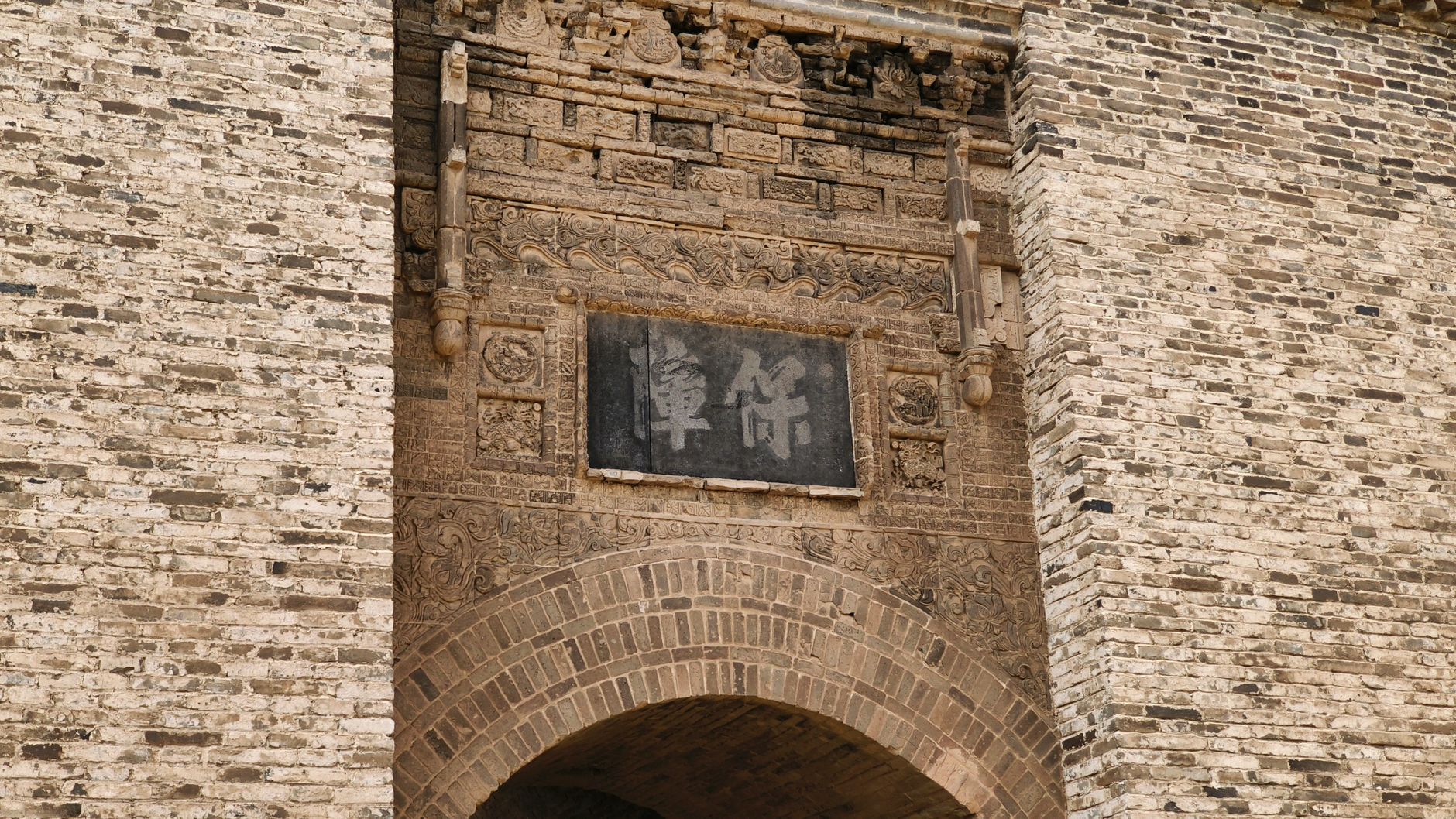
Pingyao is one of China’s best-preserved Ming and Qing dynasty walled cities, named a UNESCO World Heritage Site in 1997. It was a major financial hub during the Qing dynasty, home to China’s first draft bank (piaohao). The entire old city covers 2.25 square km, with 6 km of intact city walls, and is car-free for visitors.
City Walls and Gates
The 6-km-long city wall was built in 1370 during the Ming dynasty, with 6 gates, 72 watchtowers, and 3,000 crenellations. Visitors can walk or rent a bike on top of the wall; a full loop takes roughly 2 hours on foot. The south gate (Yingxun Gate) is the most photographed, and the wall is especially quiet at sunrise. Bicycles are not allowed on the wall during peak holiday periods, as of November 2026.
Ming-Qing Street and Local Food
Ming-Qing Street (also called South Street) is the main pedestrian thoroughfare, lined with 17th–19th century shopfronts selling local snacks, handicrafts, and Shanxi vinegar. Side alleys lead to preserved siheyuan (courtyard homes) that once belonged to wealthy merchants; many have been converted into boutique guesthouses. Local specialties to try include Pingyao cured beef, wantuo (cold buckwheat jelly), and hand-pulled Shanxi noodles.
Rishengchang Exchange Shop
Rishengchang was China’s first draft bank, founded in 1823. It operated a nationwide network of branches and is considered the birthplace of China’s modern banking system. The site is now a museum with exhibits on Qing dynasty financial practices, original account books, and banknote printing tools. It is included in the Pingyao through ticket.

The Hanging Monastery (Xuankong Temple)
The Hanging Monastery is a 1,500-year-old multi-religious temple built into the side of a cliff 75 meters above the ground at the foot of Mount Heng, one of China’s Five Great Mountains. It was constructed in 491 AD during the Northern Wei dynasty and is held in place by wooden beams inserted into the cliff face, plus support pillars that touch the valley floor below. It enshrines figures from Buddhism, Taoism, and Confucianism, a rare combination in Chinese religious sites.
What to Expect During Your Visit
- The monastery has 40 halls and pavilions connected by narrow wooden walkways and staircases.
- Visits are limited to 30–45 minutes per group during peak season to prevent overcrowding on the narrow structures, as of November 2026.
- Visitors with a fear of heights may want to stick to the lower levels, as upper walkways have visible gaps between planks.
- The best time to visit is early morning, when light hits the cliff face and crowds are smallest.
Nearby Mount Heng
Most visitors combine the Hanging Monastery with a trip to Mount Heng (Beiyue), the northernmost of China’s Five Great Mountains. The main peak is 2,016 meters high, and a cable car runs to the summit for those who do not want to hike. A half-day trip to Mount Heng adds 3–4 hours to the itinerary. Mount Heng entry costs RMB 55 as of November 2026, and is not included in the Hanging Monastery ticket.
How to Get There and Get Around
Getting to Pingyao
- By high-speed train: Pingyao Gucheng Station is on the Datong–Xi’an high-speed railway. Direct trains run from Beijing (3.5–4 hours, RMB 280–380), Xi’an (2–2.5 hours, RMB 180–260), and Taiyuan (30–40 minutes, RMB 50–70) as of November 2026. The station is 8 km west of the old city; a taxi takes 15 minutes and costs roughly RMB 20.
- By flight: The nearest airport is Taiyuan Wusu International Airport, 100 km north of Pingyao. A private transfer from the airport to Pingyao takes 1.5 hours.
- HXXC Travel offers meet-and-greet services at both the train station and airport for international travelers, with English-speaking staff.
Getting from Pingyao to the Hanging Monastery
The Hanging Monastery is 180 km northeast of Pingyao, about 2.5 hours by car. There is no direct public bus between the two sites. Options include:
- Private car and driver: The most convenient option for international travelers. HXXC Travel offers private transfers with English-speaking drivers, with prices starting at RMB 600 for a round-trip day trip including waiting time.
- Group tour: Local agencies offer one-day group tours from Pingyao to the Hanging Monastery, starting at RMB 250 per person (transport and guide included, entry tickets separate).
- Train + bus: Take a high-speed train from Pingyao Gucheng to Hunyuan Station (1.5 hours, RMB 80–100), then take a local taxi 15 km to the monastery. This option requires basic Chinese language skills, as most local drivers do not speak English.
Recommended Itineraries
2-Day Itinerary (Fast Pace)
- Day 1: Arrive in Pingyao by mid-morning. Pick up the through ticket and walk the south section of the city wall. Visit Rishengchang Exchange Shop, Ming-Qing Street, and a traditional courtyard home. Eat dinner at a local restaurant serving Pingyao beef. Stay in a boutique guesthouse inside the old city.
- Day 2: Early morning private transfer to the Hanging Monastery (arrive by 9:00 AM to avoid crowds). Tour the monastery, then visit the lower slopes of Mount Heng if time allows. Return to Pingyao in the late afternoon, or continue to Taiyuan or Datong for onward travel.
3-Day Itinerary (Slow Pace)
- Day 1: Arrive in Pingyao in the afternoon. Walk the north section of the city wall at sunset. Explore the old town’s back alleys and have dinner at a family-run restaurant.
- Day 2: Full day in Pingyao. Visit Rishengchang, the City God Temple, the Ancient Yamen (government office), and two courtyard homes. Optional: take a half-day cooking class to learn to make Shanxi hand-pulled noodles.
- Day 3: Day trip to the Hanging Monastery and Mount Heng. Take the cable car to the Mount Heng summit for views of the surrounding mountains. Return to Pingyao in the evening, or depart for your next destination.
Practical Tips for International Travelers
- Language: Very few people inside Pingyao Old City or at the Hanging Monastery speak fluent English. HXXC Travel provides English-speaking guides for all private tours, which can help with navigation, ordering food, and understanding historical context.
- Accommodation: Staying inside the old city walls is recommended for the full experience. Boutique guesthouses cost RMB 300–800 per night for a double room, as of November 2026. Mid-range hotels outside the walls cost RMB 200–500 per night.
- Crowds: Both sites are very crowded during Chinese national holidays (Spring Festival, May Day, National Day in early October). Visit on weekdays or arrive before 9:00 AM to avoid the largest crowds.
- Visa: Most international travelers need a Chinese visa to enter Shanxi. As of November 2026, citizens of 57 countries can use the 240-hour transit visa exemption if arriving via Taiyuan Wusu International Airport and staying within Shanxi province. Confirm your eligibility with the nearest Chinese embassy or consulate before travel.
References & Updates
This guide is reviewed and updated monthly by HXXC Travel’s on-the-ground advisors in China to ensure accuracy. The current version was updated on October 23, 2026. All time-sensitive details (ticket prices, opening hours, transport schedules, visa policies) are marked with their effective date, and travelers should re-confirm these details directly with official providers before their trip.
FAQ
How much time do I need to visit Pingyao Old City?
Most visitors spend 1–2 full days exploring Pingyao Old City. One day is enough to see the main attractions (city wall, Rishengchang, Ming-Qing Street), while two days allow for a slower pace, visiting smaller temples and courtyard homes.
Is the Hanging Monastery safe to visit?
Yes, the Hanging Monastery is regularly inspected and maintained by local cultural heritage authorities. The walkways have railings, and visitor numbers are limited during peak times to prevent overloading the structure. Visitors with severe mobility issues or a strong fear of heights may prefer to view the monastery from the ground below.
Can I visit Pingyao and the Hanging Monastery on a day trip?
It is technically possible to visit both in one day if you leave Pingyao by 6:30 AM, but it is not recommended for a relaxed trip. The drive between the two sites takes 2.5 hours each way, so a day trip leaves only 2–3 hours to explore the monastery. Most travelers prefer to spend at least one night in Pingyao.
Do I need a guide to visit Pingyao and the Hanging Monastery?
A guide is not required, but it is highly recommended for international travelers with limited Chinese language skills. Many of the historical exhibits have no English signage, and a guide can explain the significance of the sites and help with local logistics. HXXC Travel’s local guides are based in Shanxi and have in-depth knowledge of the region’s history and culture.