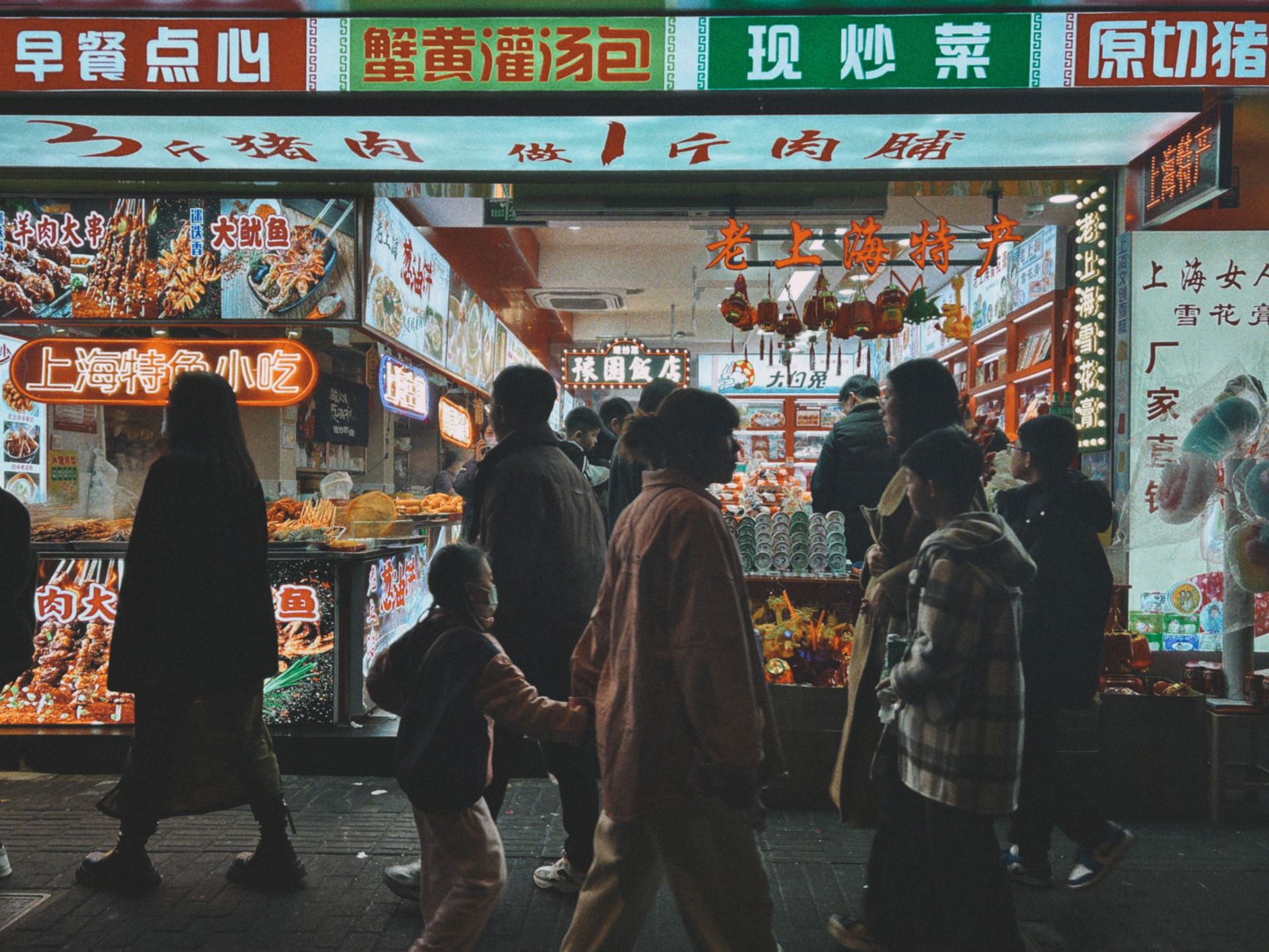
The best local spots in Shanghai outside the Bund include the former French Concession, Hongkou street food hubs, residential Pudong wet markets, and west-side parks where few international tourists venture. As of November 2026, these areas retain their local character, with lower prices, shorter waits, and a more accurate sense of daily life in the city than the heavily promoted core tourist zones. This guide is reviewed by HXXC Travel’s on-the-ground China travel team, with input from long-term Shanghai residents, to avoid overhyped tourist traps and share only spots locals regularly visit. All time-sensitive details (ticket prices, transit rules, opening hours) are current as of November 2026; travelers should re-check official sources before departure, as policies can change without notice.
Key facts at a glance
- Shanghai spans 6,340 square kilometers across 16 districts; the Bund and Yuyuan sit in central Huangpu district, which makes up less than 4% of the city’s total land area.
- As of November 2026, a single Shanghai Metro ride costs 3–15 RMB depending on distance, covering 831 km of track across 20 lines serving all major residential and commercial areas.
- Average meal prices at non-tourist local stalls and neighborhood restaurants range from 15–40 RMB per person, compared to 80–200 RMB per person at restaurants in the core Bund and Yuyuan tourist zones.
- Most neighborhood spots do not have English menus, and staff rarely speak fluent English; camera translation apps work reliably for menu scanning as of 2026.
- As of November 2026, nationals of 50 countries can enter Shanghai visa-free for stays of up to 30 days for tourism, per China National Immigration Administration policy.
What most first-time Shanghai itineraries miss
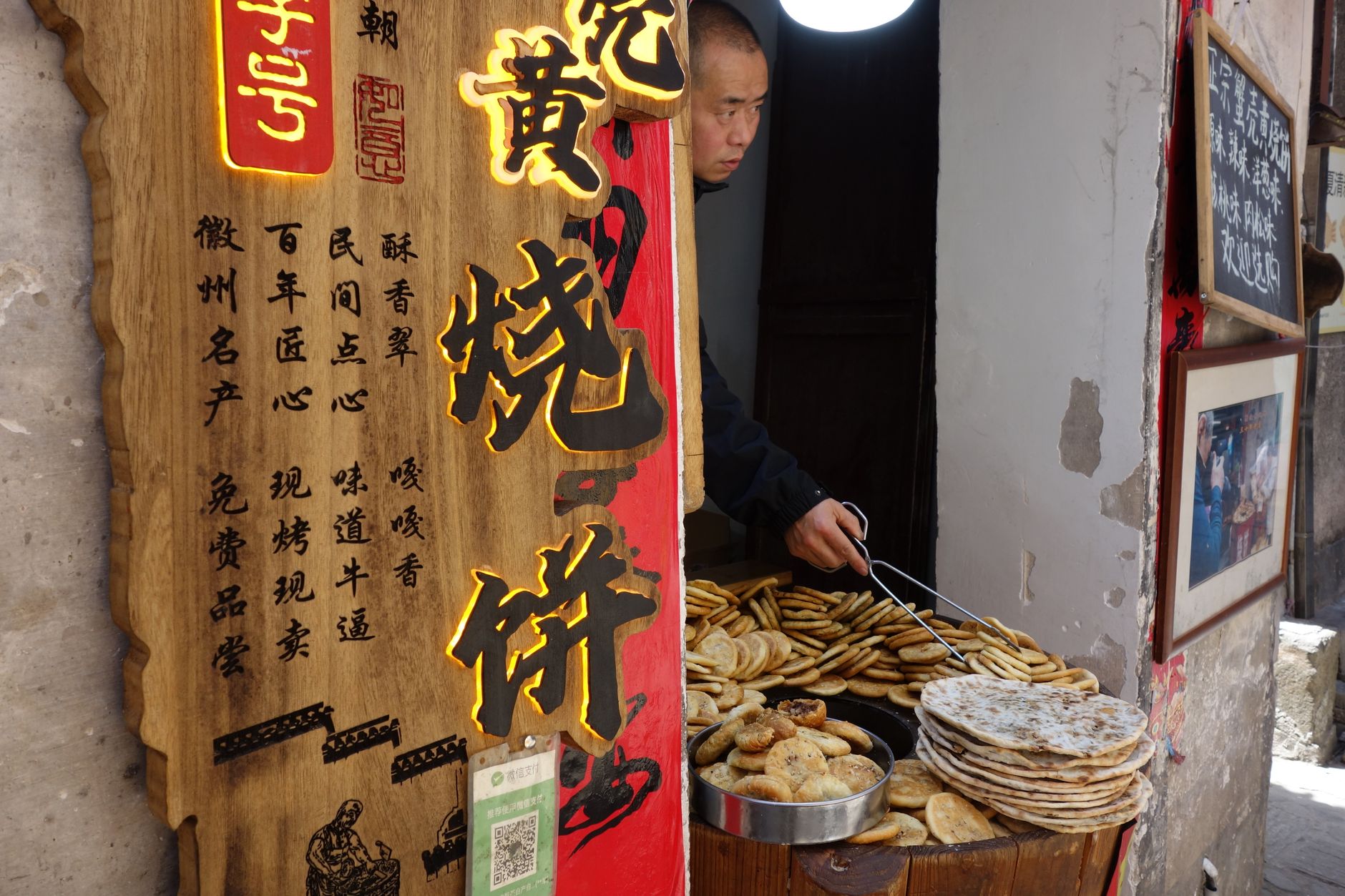
Most standard Shanghai itineraries allocate 1–2 days to the Bund waterfront, Yuyuan Garden, and the pedestrian stretch of East Nanjing Road. These sites hold historic value, but they are heavily oriented toward tourism in 2026: 70% of Bund visitors during peak weekend hours are domestic and international tourists, per 2026 Shanghai Culture and Tourism Bureau data, and restaurant and souvenir prices in the immediate area are marked up 200–300% over standard local rates.
Local-approved neighborhoods to visit instead
Former French Concession (Xuhui and former Luwan districts)
The former French Concession, centered around Hengshan Road, Wukang Road, and Anfu Road, is a residential area where locals walk dogs, pick up coffee, and run daily errands. Wide, plane-tree-shaded sidewalks line the streets, alongside small independent bookshops, neighborhood noodle shops, and produce stalls serving long-term residents. Standout local stops include the long-running Wukang Road scallion oil pancake stall (operating since 1992, 8 RMB per pancake) and the 2 RMB Dongchang Road cross-river ferry, used primarily by local commuters rather than tour groups. No entry ticket is required to walk the neighborhood, and most small cafes and shops are open 10am–10pm daily. Transport: Take Metro Line 1 or 10 to Shanghai Library Station, Exit 3, to access core residential streets without passing through crowded tourist entry points.
Hongkou District, north of Suzhou Creek
Hongkou sits north of Suzhou Creek, a 20-minute metro ride from the Bund, with far lower tourist footfall than central Huangpu. This historic neighborhood is home to generations of working-class Shanghai families, with a dense network of street food stalls, old lane houses (longtang), and small local parks. The morning food market on Sichuan North Road sells shengjianpan (pan-fried pork buns) for 6 RMB for four, unsweetened soybean milk for 3 RMB a cup, and youtiao (fried dough sticks) for 2 RMB each, with no tourist markup. The Duolun Road cultural stretch, while sometimes listed on tourist itineraries, is mostly used by local retirees playing chess and practicing water calligraphy on weekday mornings, before small tour groups arrive in the early afternoon. Transport: Take Metro Line 3 or 8 to Hongkou Football Stadium Station, Exit 2, to reach the neighborhood’s core market and residential streets.
Residential Pudong, east of the Lujiazui skyscrapers
Most visitors only see Pudong’s Lujiazui financial zone, home to the Oriental Pearl Tower and Shanghai Tower, but neighborhoods 2–3 stops east on Metro Line 2 are where most Pudong residents live, shop, and eat. Zhangqiao Wet Market, a 10-minute walk from Century Avenue Station, is a standard local wet market selling fresh vegetables, live seafood, hand-pulled noodles, and ready-to-eat cooked dishes at regular local prices. Unlike tourist-facing food halls in Lujiazui, most vendors sell to nearby apartment residents, with a full steamer of xiaolongbao (soup dumplings) costing 18 RMB, and a serving of stir-fried rice cakes costing 12 RMB. Century Park, central Pudong’s largest public park, charges a 10 RMB entry fee as of November 2026; on weekends, local families picnic, fly kites, and rent paddle boats on the lake, with very few international tourists in attendance.
Further west, near the Hongqiao terminal of Metro Line 10, Shanghai Zoo and adjacent neighborhood green spaces draw mostly local families on weekends. As of November 2026, zoo entry costs 40 RMB per person, with free access to the surrounding tree-lined walking paths. The area has a high concentration of small Shanghainese restaurants serving home-style cooking, with almost no international tourist traffic.
Navigating popular sites without the tourist markup
Even well-known sites like Yuyuan Garden can be visited without crowds, if you arrive during local hours. The core Yuyuan tourist bazaar is busiest between 11am and 4pm daily, when tour groups pack narrow walkways and souvenir shops sell mass-produced trinkets at marked-up prices. Arrive at 7am, before tour buses pull in, and you will find local residents doing morning tai chi in the outer courtyards, vendors selling breakfast snacks to commuters, and almost no crowds. As of November 2026, entry to the inner historic Yuyuan Garden costs 40 RMB per person; surrounding public walkways are free to access at any hour.
Practical tips for visiting local Shanghai spots
- Payment: Most small street stalls and neighborhood shops accept Alipay or WeChat Pay, which international visitors can set up with a foreign bank card as of 2026. Carry 100–200 RMB in small 10 and 20 RMB notes for stalls that do not accept foreign digital payment accounts.
- Etiquette: When eating at local street stalls, it is common to share small tables with other diners during peak meal hours. Tipping is not expected at any local restaurant or stall in Shanghai.
- Timing: Local markets and breakfast stalls are busiest between 6am and 9am, when residents stop for food on their way to work. Neighborhood restaurants are busiest 12pm–1pm and 6pm–7:30pm for lunch and dinner. Visiting during these windows means you will get the freshest food, rather than arriving when stalls are quiet and serving leftover stock.
- Transit: The Shanghai Metro runs roughly 5:30am to 11pm daily, with trains arriving every 2–8 minutes depending on line and time of day. Single-journey tickets can be purchased from station vending machines, which accept foreign credit cards as of November 2026, or via the official Metro Metropolis app.
HXXC Travel, a China inbound tour operator based in Jiangmen, Guangdong, can arrange guided Shanghai itineraries that prioritize these local neighborhood spots, with city-based local guides who support with translation, food ordering, and transit navigation for travelers who prefer structured support. All pricing and transit details listed are current as of November 2026. Travelers should re-check official Shanghai Metro and National Immigration Administration sources in the 72 hours before their trip, as fares, entry requirements, and opening hours can adjust for holidays, maintenance, or policy changes.
Frequently asked questions
How long can I stay in Shanghai visa-free?
As of November 2026, nationals of 50 eligible countries can enter Shanghai (and all other mainland China ports of entry) visa-free for up to 30 days for tourism, business, family visits, or transit, per China National Immigration Administration policy. Travelers under this policy must hold a valid passport with at least 6 months of remaining validity, and may be asked to show proof of onward travel. Eligibility and stay duration can change, so re-check the latest official policy before booking.
What is the cheapest way to get around Shanghai?
The cheapest way to get around Shanghai is the metro, with fares starting at 3 RMB for short trips and capping at 15 RMB for cross-city trips. Cross-river public ferries cost 2 RMB per ride, far cheaper than the 100+ RMB tourist Huangpu River cruises. Bus fares are a flat 2 RMB per ride, but routes are less accessible for non-Chinese speakers due to limited English signage.
Do local Shanghai restaurants have English menus?
Most neighborhood restaurants and street stalls outside core tourist zones do not have printed English menus, and most front-of-house staff do not speak fluent English. As of 2026, mainstream translation apps with camera scan functionality work reliably for translating Chinese menus, and many stalls display picture menus above the counter to simplify ordering.
How much should I budget for food per day in Shanghai if I eat where locals eat?
If you eat at local neighborhood stalls and restaurants, you can budget 80–120 RMB per person per day for three meals, including drinks. This is roughly 70% cheaper than eating at restaurants in the core Bund and Yuyuan tourist zones, where a single meal often costs 100 RMB or more per person before drinks.
Related private tours
- Shanghai in Four Days — Old Town to Neon Skyline — 4 days
- Zhangjiajie & Shanghai — 8 Days & 7 Nights — 8 days · From US$599
- Lingnan Charm & Shanghai Lights — 7 Days — 7 days