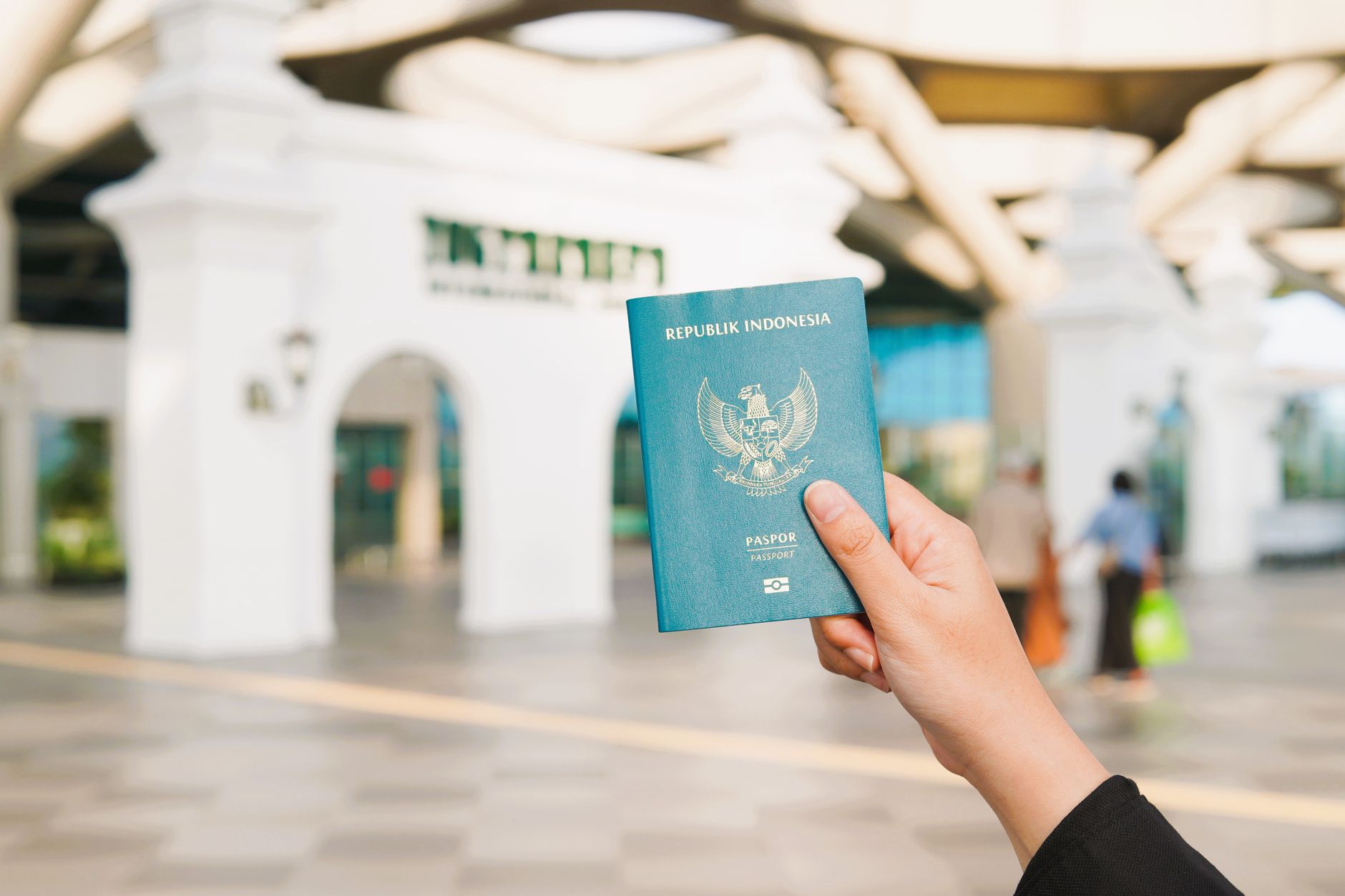
Do I Need to Prove Onward Travel for a China Visa?
Quick answer: Most China visa applicants and arriving travelers must show confirmed proof of departure from mainland China before their visa or visa-free stay expires. Accepted proof includes paid flight, train, or ferry tickets in your full legal name, matching the name in your passport.
As of November 2026, onward travel proof is a standard requirement for most short-term Chinese visa categories, including tourist (L), business (M), visit (F), family visit (Q2), and private visit (S2) visas. Long-term visas that lead to residence permits (such as work Z, student X1, or family reunion Q1 visas) typically do not require onward travel proof, as holders apply for residence permits after arrival.
Even if you already have a valid visa, you may be asked for onward travel proof at two points: during check-in for your flight to China, and at Chinese border control upon arrival. Airlines often check this to avoid fines for transporting passengers who are denied entry.

When You Will Be Asked for Proof
During Visa Application
Most Chinese embassies, consulates, and visa application centers (like CVASC) list round-trip or onward tickets as a mandatory document for short-term visa applications. Some offices may waive this requirement if you provide a detailed itinerary and proof of sufficient funds, but this is not guaranteed. Requirements can vary by consulate and your nationality, so always check the specific rules for your local application center.
At Port of Entry
Border control officers have the right to ask for onward travel proof from any arriving traveler, even those with pre-approved visas. This check is most common for travelers using visa-free entry or transit policies, but it can happen to anyone. If you cannot show valid proof, you may be denied entry and sent back on the next available flight.
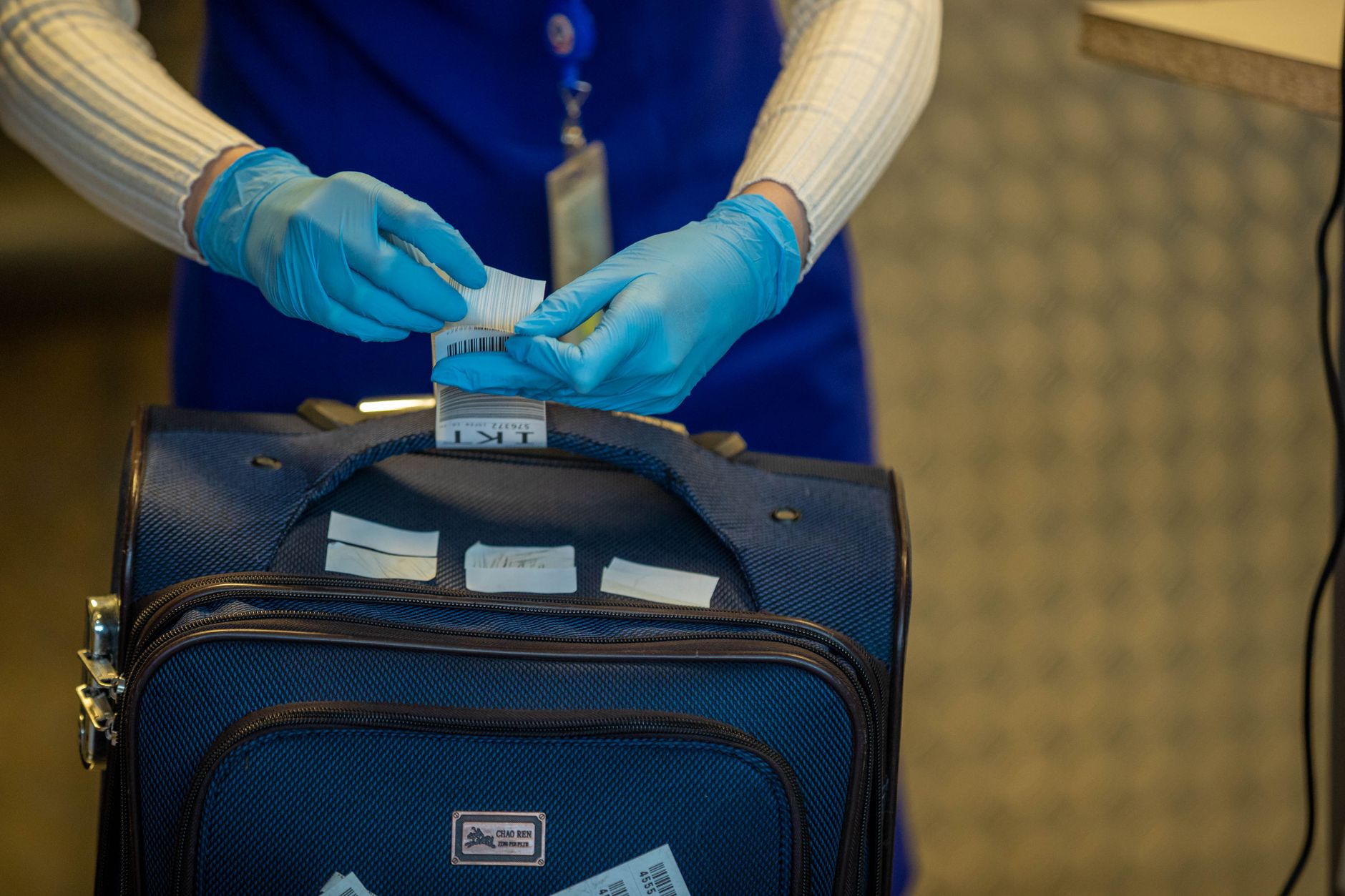
Accepted Forms of Onward Travel Proof
All valid proof must show your full legal name (matching your passport), a confirmed departure date from mainland China, and a destination outside mainland China. As of November 2026, the following are officially accepted:
- Confirmed flight ticket: A paid, ticketed reservation for an international flight departing from any mainland Chinese airport. The destination can be your home country or a third country, including Hong Kong, Macau, or Taiwan.
- International train ticket: A confirmed ticket for a cross-border train, such as the Kunming-Vientiane Railway, the Nanning-Hanoi train, or the Beijing-Moscow Trans-Siberian Railway. E-tickets linked to your passport number are accepted at most major train borders.
- Ferry ticket: A confirmed ticket for an international ferry, such as the Shanghai-Osaka ferry, Xiamen-Kinmen ferry, or Zhuhai-Hong Kong-Macau ferry routes.
- Cruise itinerary: A confirmed cruise booking showing your arrival and departure dates from Chinese ports, if you are traveling by cruise ship.
- Overland bus ticket: A confirmed, paid ticket for an international bus service crossing a Chinese land border, such as buses from Pingxiang to Hanoi or Erenhot to Ulaanbaatar.
What Does Not Count as Valid Proof?
Many applicants and travelers have their visa applications delayed or are denied entry because they bring the wrong documents. These are not accepted as valid onward travel proof:
- Unpaid flight holds, reservation quotes, or "dummy tickets": A travel agent's itinerary that is not fully paid and ticketed is usually rejected, especially at border control.
- Hotel bookings or proof of accommodation alone: Confirmation of where you will stay does not replace proof that you will leave the country.
- Written plans or personal itineraries: A typed or handwritten note of your intended travel dates is not sufficient.
- Tickets in a different name: The name on your ticket must match the name in your passport exactly, including all middle names and suffixes.
- Expired or cancelled tickets: You must show a ticket that is valid for the duration of your trip.
Common Scenarios and Solutions
Travelers often face questions about onward travel when their plans do not fit a standard round-trip itinerary. Below are solutions for common situations.
I only have a one-way ticket to China
If you plan to enter China with a one-way ticket, you will still need to show proof of onward departure before you can board your flight and pass border control. If your exit plans are flexible, you can book a fully refundable onward ticket and cancel it after you enter China, as long as you depart before your visa expires. Be sure to check the refund policy carefully, as some low-cost carrier tickets are non-refundable.
If you are not ready to commit to a final ticket, we can help you pick a fully refundable fare or a date-changeable ticket — consulates and border officers accept a real booking, not an unpaid hold. We do not supply unpaid "dummy" itineraries, because airlines and border control routinely reject them.
I'm exiting China overland
International train and bus tickets are valid proof of onward travel, but it is important to have a clear, official ticket that shows your cross-border departure. For popular routes like the Kunming-Vientiane train, you can use your e-ticket and passport to pass border control. For smaller overland borders, consider carrying a printed copy of your ticket, as some remote posts may not have access to digital ticketing systems.
I'm using visa-free transit
For 24-hour or 240-hour visa-free transit, you must show proof of onward travel departing within the allowed transit window, and your final destination must be a third country (not the same country you departed from to reach China). As of November 2026, 240-hour visa-free transit is available at 65 ports of entry across China, including Shanghai Pudong, Beijing Capital, Guangzhou Baiyun, and Chengdu Tianfu airports.

I'm visiting Hong Kong or Macau during my trip
A one-way ticket from mainland China to Hong Kong or Macau counts as valid onward travel from mainland China, even if you plan to return to mainland China later on a separate visa or visa-free entry. You are responsible for meeting the entry requirements for Hong Kong or Macau, including any necessary visas for your nationality.
Tips to Avoid Delays or Denial
- Book your onward ticket before submitting your visa application: Most consulates require it as part of your application package, so having it ready will prevent processing delays.
- Double-check name matching: Make sure the name on your ticket matches your passport exactly. Even a missing middle name can cause issues at check-in or border control.
- Carry both digital and printed copies: Save a PDF of your ticket on your phone and carry a printed copy as a backup, especially for overland border crossings.
- Make sure your departure date falls within your visa validity: Your onward ticket must depart mainland China before your visa expires and before your maximum allowed stay duration ends. For example, if you have a 30-day single-entry L visa, your departure date must be within 30 days of your entry date.
- Confirm with your airline: Airlines may have stricter requirements than Chinese border control, so check their policy before you arrive at the airport.
- Get professional help if you're unsure: If you have a complicated itinerary or are not sure if your proof is valid, HXXC Travel's visa advisors can review your documents and provide guidance based on the latest 2026 rules.
References & Updates
This guide is reviewed monthly by HXXC Travel's local visa advisory team in Jiangmen, Guangdong, to ensure alignment with official Chinese immigration and visa policies. It was last updated on November 2, 2026.
Visa and entry rules can change with short notice. Always cross-check requirements with your local Chinese embassy or consulate before submitting your application, and confirm the latest border rules with your airline or transport operator before travel.
FAQ
Can I use a bus ticket as proof of onward travel for China?
Yes, a confirmed, paid international bus ticket that crosses a Chinese land border is generally accepted as proof of onward travel. The ticket must show your full name, passport number, departure date from mainland China, and the cross-border route. Some smaller, remote border posts may require a printed copy of your ticket, so carry one with you as a backup.
Do I need onward travel proof for a 10-year China visa?
As of November 2026, yes, you still need to show proof of onward travel for each trip to China, even if you have a 10-year multiple-entry tourist visa. Border control officers may ask to see it upon arrival, and you must prove you will leave before your allowed stay per entry (usually 60 or 90 days, depending on your nationality) expires. The 10-year validity refers to the visa's overall validity, not the length of each individual stay.
What if I don't have fixed exit plans for my China trip?
If your itinerary is flexible, you can book a fully refundable onward ticket and cancel it after your visa is approved or after you enter China, as long as you depart before your allowed stay ends. Be sure to read the refund terms carefully, as some tickets have cancellation fees or strict deadlines. You can also use a reputable travel service to arrange a verified flight reservation for visa application purposes. HXXC Travel offers this service for our clients, with documents that meet official consulate requirements.
Is a flight itinerary the same as a confirmed ticket for China visa?
No, a flight itinerary (also called a travel plan or reservation quote) that is not fully paid and ticketed is usually not accepted as proof of onward travel for a China visa application or entry. Most consulates and border control officers require a fully paid, confirmed ticket with a specific departure date. Some consulates may accept a temporary hold from an authorized travel agent, but this is not guaranteed and varies by location.
Do children need proof of onward travel for China?
Yes, all travelers, including children and infants, must have their own proof of onward travel that matches the name in their passport. The ticket can be part of the same reservation as an adult, but it must clearly show the child's full name and passport details.
Related private tours
- Best Of China — 20-Day Private Tour — 20 days
- Grand China Explorer — 15 Days — 15 days · From US$1,500
- Best Tour In China - 19 Days Trip — 19 days · From US$2,896