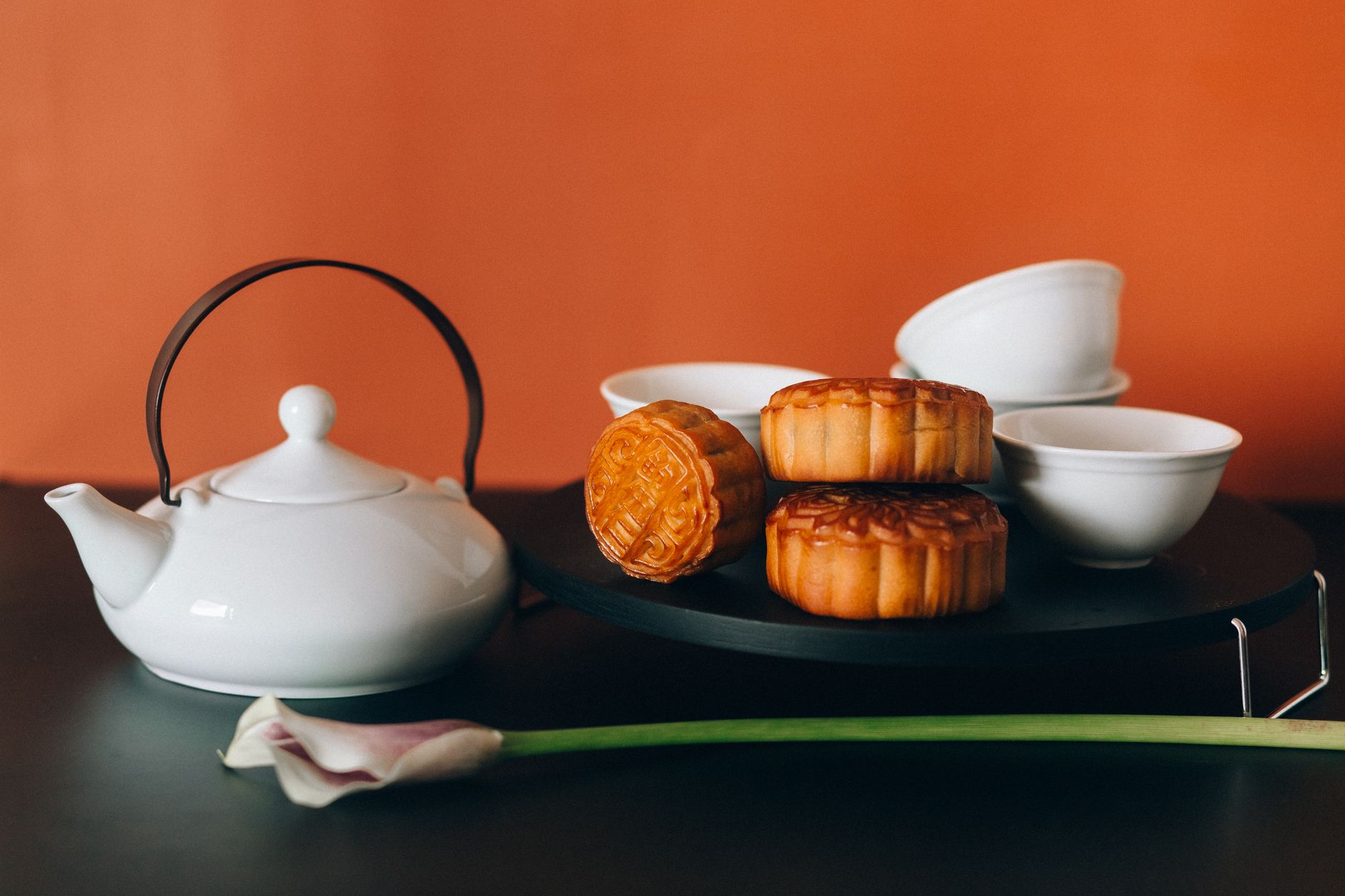
What Is Mid-Autumn Festival?
Mid-Autumn Festival is China’s annual harvest and family reunion holiday, held on the 15th day of the 8th lunar month (usually September or early October). It is the second most widely celebrated Chinese holiday after Spring Festival, and mooncakes are its most iconic food. As of November 2026, the most recent Mid-Autumn Festival fell on September 25, 2026, and the 2027 holiday is expected to land in mid-September.
The holiday has roots in ancient moon worship rituals tied to agricultural harvests, and has evolved over more than 2,000 years into a family-focused celebration. Core traditions include gathering with extended family for a reunion dinner, gazing at the full moon, lighting and displaying paper lanterns, and sharing boxes of mooncakes. For international travelers, the holiday is less disruptive than Spring Festival: most major tourist attractions remain open, though some small family-run shops and restaurants may close for 1-2 days. As of November 2026, the national public holiday for Mid-Autumn is 1 day, typically combined with adjacent weekend days to make a 3-day break, which can increase crowds and transport prices at popular destinations.
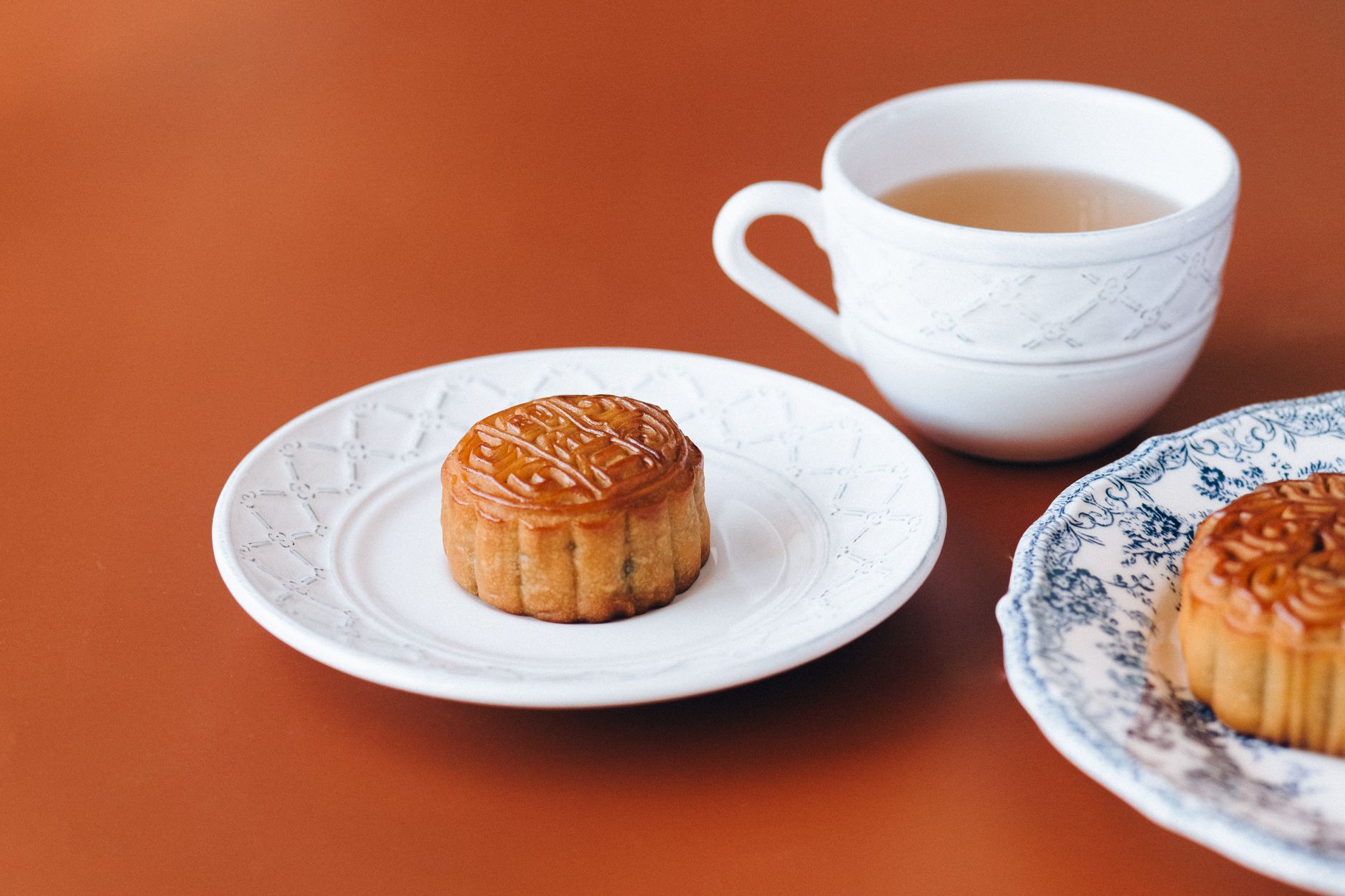
Mooncake 101: What to Expect as a First-Timer
Mooncakes are dense, round or square pastries, typically 5-10 centimeters across, with a baked crust and thick, rich filling. They are traditionally sold and shared in boxes of 4 or 8, both numbers considered lucky in Chinese culture. The round shape of the cake and the salted duck egg yolk often found at its center both represent the full moon, a symbol of wholeness and family unity.
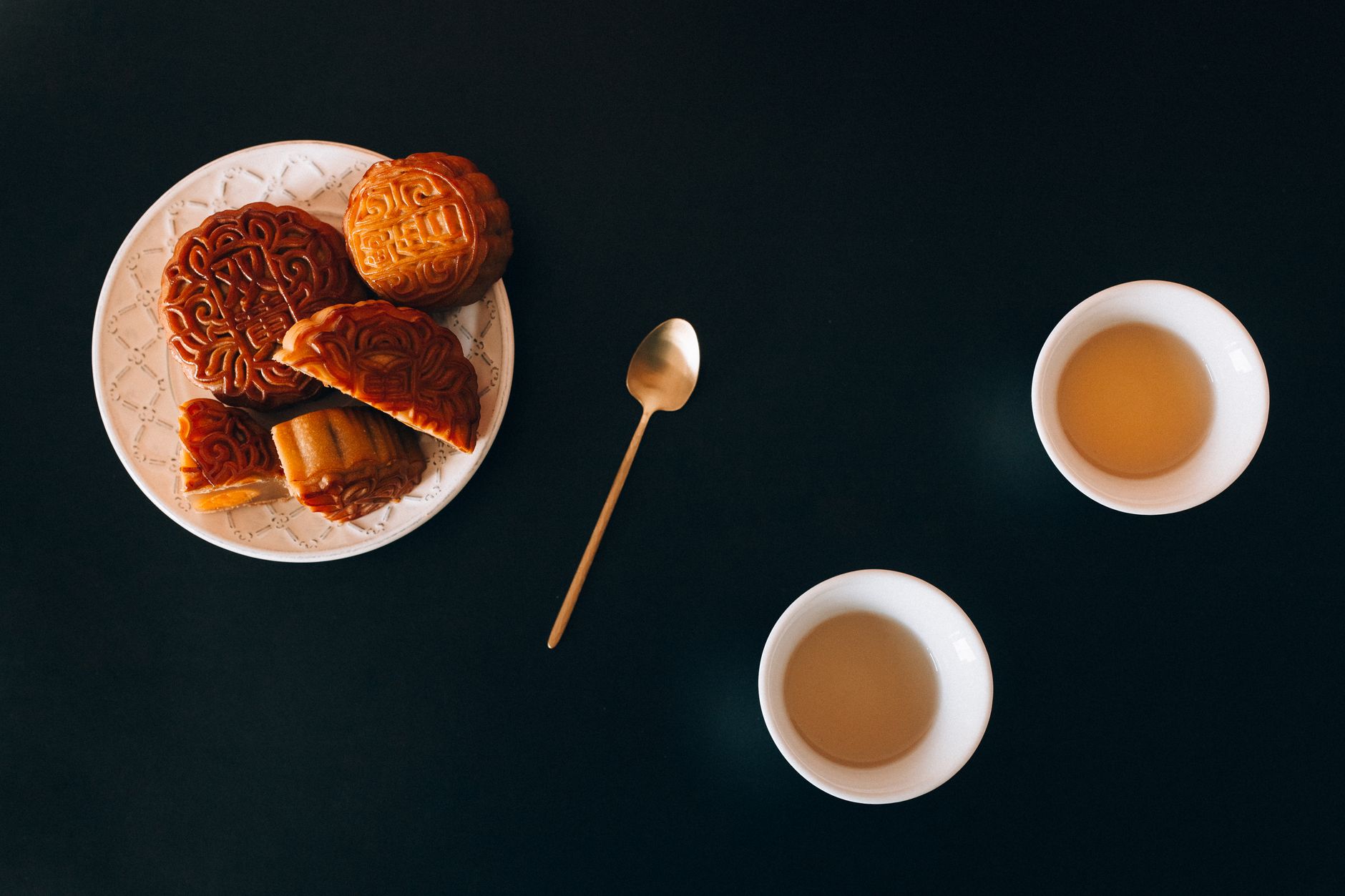
To eat mooncakes the traditional way, cut them into small wedges (usually 4-8 pieces per cake) and share among a group, paired with hot tea to cut through the richness. A single standard mooncake can contain 300-500 calories, so sharing is practical as well as traditional.
Common Mooncake Flavors to Try
- Lotus seed paste (lianrong): The most classic Cantonese mooncake filling, made from ground lotus seeds and sugar. It is often paired with one or more salted duck egg yolks, and is the variety most commonly exported overseas.
- Red bean paste (hongsha): A smooth, earthy sweet filling made from red adzuki beans, popular across northern and eastern China.
- Five kernel (wuren): A savory-sweet filling mixed with chopped nuts, seeds, dried fruit, and sometimes cured pork or sesame. It is a traditional favorite among older generations, though many first-time visitors find it an acquired taste.
- Custard (naihuang): A creamy, sweet egg custard filling, a modern variant that first gained popularity in Hong Kong and Guangdong before spreading nationwide.
- Snow skin mooncakes: A no-bake style with a chewy glutinous rice crust, served chilled. Fillings often include mung bean paste, fruit, or matcha, and they are especially popular in southern China.
- Savory variants: Regional options include Sichuan-style spicy pork floss mooncakes, Beijing-style hawthorn filled cakes, and Suzhou-style flaky crust cakes with minced pork.
How to Buy Mooncakes (and Avoid Tourist Traps)
- Local supermarkets (chains like Yonghui, Carrefour, or regional brands) sell pre-packaged mooncake boxes at fixed, transparent prices, usually ¥50-¥200 for a box of 4-6 cakes, depending on brand and fillings.
- Bakery chains (such as Taosu, Holiland, or local time-honored brands) sell fresh, loose mooncakes for ¥10-¥30 per cake, with higher turnover meaning fresher stock.
- Luxury hotel mooncake boxes are a popular corporate and personal gift in China, priced from ¥300 to over ¥800 per box. They are often packaged elaborately, but the cake quality is rarely significantly better than top bakery options.
- As of November 2026, street stalls and tourist-area shops sell individual mooncakes for ¥15-¥40 each, but quality can be inconsistent. Stick to busy shops with high customer turnover to avoid stale stock.
- If you have dietary restrictions, look for su (vegetarian) labeled mooncakes, which do not contain lard, egg, or meat. Most large supermarkets and chain bakeries carry at least a few vegetarian options.
Where to Experience Mid-Autumn Festival in China
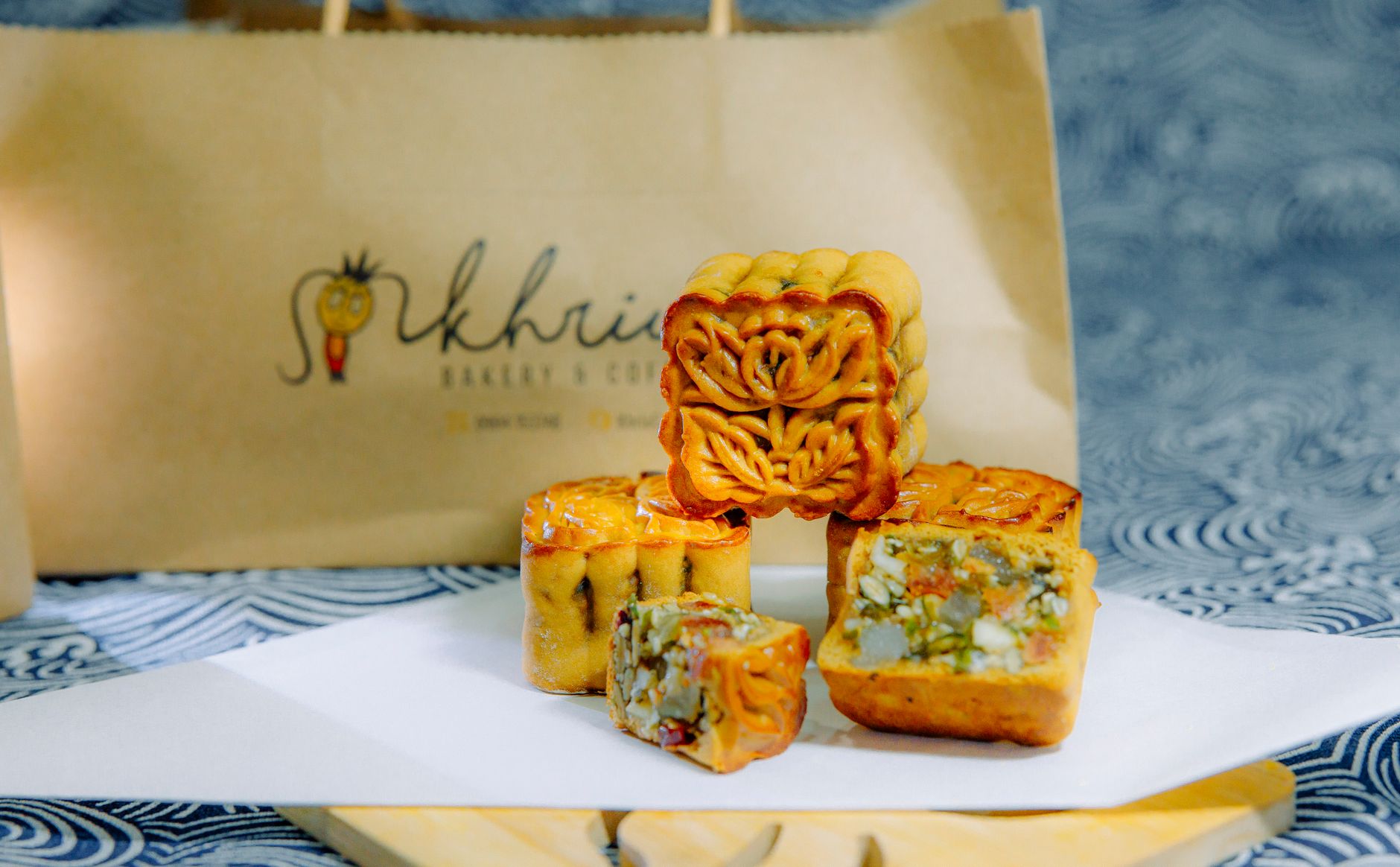
Mid-Autumn traditions vary by region, with different local foods, events, and customs. These are some of the most interesting places for travelers to join the celebrations, whether you visit during the holiday itself or in the 1-2 weeks leading up to it (when most shops already sell mooncakes and cities put up decorations).
- Guangzhou, Guangdong: The birthplace of Cantonese-style mooncakes, the most internationally recognizable variety. The city hosts large lantern displays at Yuexiu Park and Huacheng Square, and Pearl River night cruises add special moon-viewing sessions during the festival. HXXC Travel, based in nearby Jiangmen, can arrange private mooncake-making workshops with local bakers, as well as family-style dim sum dinners paired with traditional tea.
- Hong Kong: Home to the Tai Hang Fire Dragon Dance, a 100-year-old tradition where a 67-meter dragon covered in burning incense sticks is paraded through the Tai Hang neighborhood over three nights. Hong Kong also has some of the most innovative mooncake flavors, from truffle and matcha to durian and mango pomelo sago.
- Suzhou, Jiangsu: Suzhou-style mooncakes have a flaky, layered crust, with fillings ranging from sweet red bean to savory minced pork. The city’s Jinji Lake holds a large annual lantern festival, with thousands of hand-painted lanterns displayed along the waterfront and traditional opera performances each night.
- Chengdu, Sichuan: Sichuan’s take on mooncakes often includes spicy or savory fillings, such as pork floss with Sichuan peppercorn or spicy beef. Jinli Ancient Street hosts a nightly lantern fair during the festival season, with street food stalls, traditional music, and community moon-gathering events.
- Beijing: Beijing-style mooncakes have a thick, crumbly crust and often use five kernel or hawthorn fillings. The Summer Palace hosts special night-time moon-viewing events during the holiday, with guided garden walks, traditional instrument performances, and mooncake and tea sets available for purchase.
Practical Travel Tips for Mid-Autumn Visits
- As of November 2026, Mid-Autumn is a 1-day national public holiday, usually adjusted to create a 3-day weekend. Train and flight prices typically rise 10-30% in the 2 days before the holiday, and popular tourist sites see 20-50% more visitors during the break. If possible, travel a few days before or after the official holiday to avoid crowds.
- Most major attractions, museums, and chain restaurants stay open during the holiday, but small family-run shops and local eateries may close for 1-2 days so owners can gather with family.
- If you are invited to a local family’s Mid-Autumn dinner or moon-watching gathering, bring a small gift such as a box of mooncakes, fresh fruit, or tea. It is considered polite to refuse a few times before accepting food or drinks offered to you.
- Tea houses are a low-pressure way to try mooncakes and join local celebrations. Most Cantonese and Jiangnan-style tea houses offer special mooncake and tea sets during the festival season, usually priced from ¥30-¥100 per person.
- HXXC Travel offers custom Mid-Autumn cultural tours across Guangdong and other regions, including access to local community events, mooncake-making classes, and home-stay dinner experiences.
Frequently Asked Questions
When is Mid-Autumn Festival in 2027?
As of November 2026, the 2027 Mid-Autumn Festival is expected to fall on September 15, based on the lunar calendar. The Chinese government announces official public holiday dates for the following year in late December, so re-check closer to your travel dates to confirm exact holiday schedules.
Are mooncakes vegetarian?
Some mooncakes are vegetarian, including plain lotus seed paste, red bean paste, and most fruit-filled snow skin varieties. However, many traditional mooncakes use lard in the crust and contain salted duck egg yolk or cured meat in the filling. Look for mooncakes labeled su (vegetarian) at large supermarkets and chain bakeries, or ask staff directly if you have strict dietary requirements.
Can I bring mooncakes back to my home country?
Customs rules vary widely by country. Many countries (including the US, Canada, Australia, and New Zealand) ban or restrict mooncakes containing egg yolk, meat, or dairy products to prevent the spread of animal diseases. Plain sweet mooncakes without animal ingredients are usually allowed, but always check your home country’s customs regulations before purchasing mooncakes to bring back. As of November 2026, China’s exit customs do not restrict mooncakes for personal use.
Is Mid-Autumn a good time to visit China?
Mid-Autumn is a strong time to visit China for travelers interested in local culture. Weather is mild and comfortable across most of the country in September and early October, and festival events offer unique access to local traditions. The main drawback is higher transport and accommodation prices during the 3-day public holiday break, as well as larger crowds at top attractions.
Do I need to book Mid-Autumn event tickets in advance?
Most public lantern displays, community moon-watching events, and street fairs are free and do not require tickets. Popular paid events (such as Summer Palace night viewings, Pearl River moon-viewing cruises, or the Tai Hang Fire Dragon Dance viewing areas) often sell out 1-2 weeks in advance. HXXC Travel can help book tickets and arrange access to smaller, local festival experiences that are not widely advertised to international travelers.
Related private tours
- Guangzhou Heritage & Wildlife — Lingnan Culture Meets Chimelong Safari — 5 days
- Beijing Icons, Avatar Peaks & Panda Trails — 8 Days — 8 days · From US$1,628
- Pandas, Peaks & Palaces — 12-Day Family Journey — 12 days