To visit Lhasa and the Tibet Autonomous Region as an international traveler, you need a valid Chinese visa plus a separate Tibet Entry Permit arranged in advance, must build 2–3 full acclimatization days in Lhasa before ascending further, and should plan no more than 4–5 hours of active sightseeing per day for the first half of your trip.
Unlike most destinations in mainland China, Tibet requires structured advance planning, fixed itinerary approval, and a slower travel rhythm to account for its extreme average elevation. Rushing permits, skipping acclimatization, or packing too many stops into each day leads to preventable issues, from denied boarding at the train station or airport to severe altitude sickness that cuts trips short. As a China inbound tour operator with on-the-ground teams across the country, including long-standing local partners in Lhasa, HXXC Travel processes all required Tibet permits as part of every booked Tibet itinerary.
Required Permits for Tibet Travel (as of November 2026)
International travelers cannot enter the Tibet Autonomous Region using only a Chinese visa. A tiered set of additional permits is required, and none of these permits can be applied for directly by individual travelers; all applications must be submitted by a registered Chinese travel agency, tied to a confirmed, day-by-day itinerary listing every overnight stop and attraction you plan to visit.
As of November 2026, the permit requirements break down as follows:
- Travel within Lhasa city limits only: Valid Chinese tourist (L) visa + Tibet Entry Permit (TTB permit, issued by the Tibet Tourism Bureau)
- Travel to Lhasa plus nearby prefectures including Shigatse, Nyingchi, and Tsedang: Add an Alien Travel Permit, issued by the Tibet Public Security Bureau
- Travel to border or restricted areas including Everest Base Camp, Mount Kailash, Guge Kingdom ruins, and the Yarlung Tsangpo Grand Canyon core zone: Add a Military Area Entry Permit and Foreign Affairs Office permit
Key permit rules to note:
- The Tibet Autonomous Region is excluded from all China visa-free transit policies, including the 240-hour and 240-hour transit exemptions, as of November 2026. You must hold a valid, pre-obtained Chinese tourist visa to enter; you cannot arrive in China on a transit exemption and travel to Tibet.
- Permit processing takes 8–15 working days from the date you submit clear scanned copies of your passport photo page and valid Chinese visa. We recommend finalizing your Tibet booking at least 3 weeks before your planned entry date to avoid delays.
- You will receive the original physical copy of your Tibet Entry Permit before you board your flight or train to Lhasa, usually delivered to your hotel in your China entry city (such as Chengdu, Xining, or Guangzhou). Digital copies are not accepted for check-in or roadside police checks, so keep the paper permit with you at all times during your trip.
- If you enter Tibet via the overland border from Nepal, you will need a separate group Chinese visa issued by the Chinese Embassy in Kathmandu, rather than a standard tourist visa obtained in your home country. Your travel agent can coordinate this process with Nepali partner operators.
Permit rules are adjusted periodically, so re-confirm the latest requirements with your travel operator two weeks before your departure date.

Altitude: Realistic Risks and Proven Acclimatization Steps
Lhasa sits at 3,650m (11,975ft) above sea level, higher than Cusco, Peru. Most other popular destinations in Tibet are even higher: Shigatse is 3,840m, Namtso Lake is 4,718m, and Everest Base Camp (Tibet side) is 5,200m. At these elevations, oxygen levels are 30–40% lower than at sea level, so even very fit travelers will experience physical effects if they do not acclimatize properly.
Mild altitude symptoms affect roughly 70% of first-time visitors to Lhasa, and usually start 6–12 hours after arrival. Common symptoms include mild headache, shortness of breath when walking quickly, fatigue, slightly disturbed sleep, and reduced appetite. These symptoms typically fade within 24–48 hours with rest, and do not require medical intervention for most people.
Severe altitude sickness, including high altitude pulmonary edema (HAPE) and high altitude cerebral edema (HACE), is rare for travelers who follow a slow acclimatization schedule, but can be life-threatening if ignored. Symptoms to take seriously include persistent vomiting, confusion, a persistent rattling cough, and difficulty breathing even when sitting still. The only reliable immediate treatment for severe altitude sickness is descent of 500m or more, which resolves most symptoms quickly.
Follow these acclimatization rules to reduce your risk:
- Build in 2–3 full, low-activity days in Lhasa before traveling to any destination higher than 3,800m. Travelers with pre-existing heart or lung conditions, or a history of severe altitude sickness, should plan for 3 full acclimatization days.
- Avoid heavy exercise, alcohol, smoking, and long hot showers for the first 48 hours in Lhasa. All of these increase oxygen demand and can worsen symptoms.
- Drink 3–4 liters of water per day, and eat light, carbohydrate-heavy meals. Avoid overeating on your first two days.
- If you choose to take Diamox (acetazolamide) as a preventative, start the medication 24 hours before you arrive in Lhasa, and consult your doctor before use.
- Portable oxygen canisters are available at every Lhasa convenience store for 15–25 RMB per can as of November 2026, and most mid-range and upscale hotels offer in-room oxygen units for an extra 50–100 RMB per night. These are useful for relieving mild symptoms, but do not use oxygen as a substitute for acclimatization to push yourself to higher elevations faster.
How to Pace Your Itinerary Without Rushing
The single most common mistake first-time Tibet travelers make is booking an over-ambitious itinerary that moves too high too fast. The goal of pacing is to give your body time to adjust to elevation while still seeing the sites you want to visit, without wasting days recovering from over-exertion.
We recommend a minimum of 7 days for a Lhasa-focused trip, plus travel time to reach Lhasa from other parts of China. For itineraries including Everest Base Camp or eastern Tibet (Nyingchi), plan for 10–12 days total.
A sample well-paced Lhasa and nearby itinerary looks like this:
- Day 1 (Lhasa, 3,650m): Arrive by flight or train, check into your hotel, rest for 4–5 hours. Take a slow, 30-minute walk around the old town in the late afternoon, but avoid climbing stairs or long walks. Do not schedule any ticketed attractions on arrival day.
- Day 2 (Lhasa): Visit Jokhang Temple in the morning, followed by a slow walk around the Barkhor kora path. In the afternoon, visit Sera Monastery to watch the afternoon monk debates, which involve sitting and standing rather than strenuous walking. Return to your hotel for a 2-hour rest in the middle of the day.
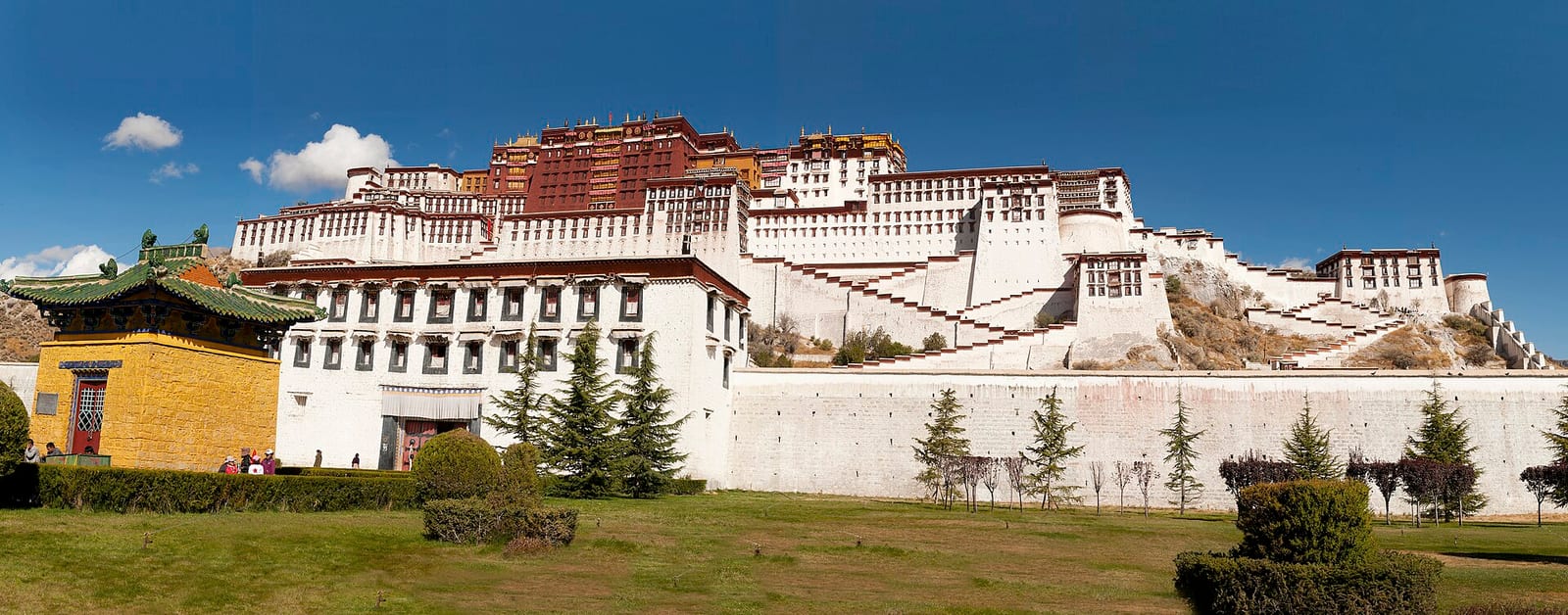
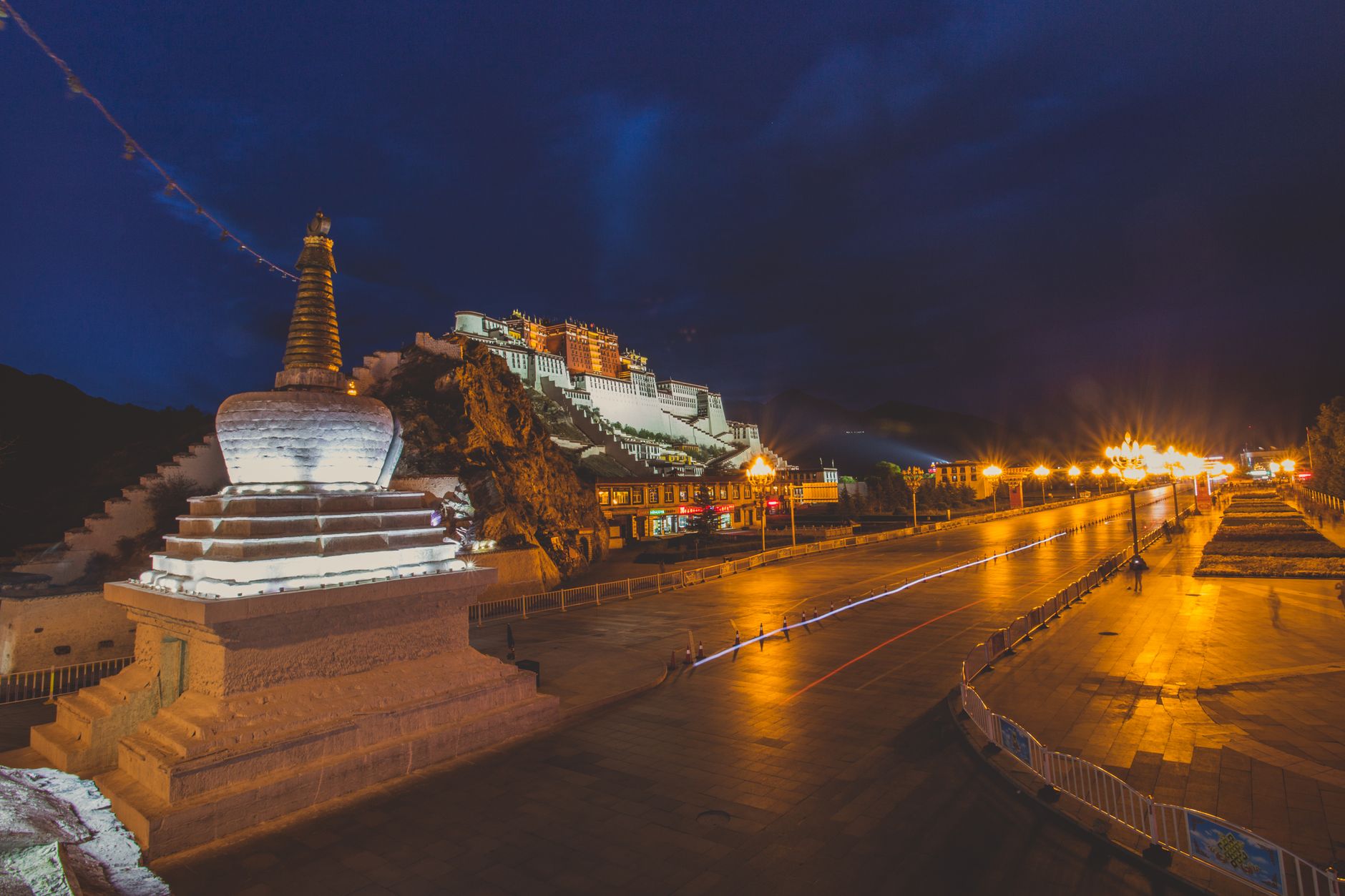
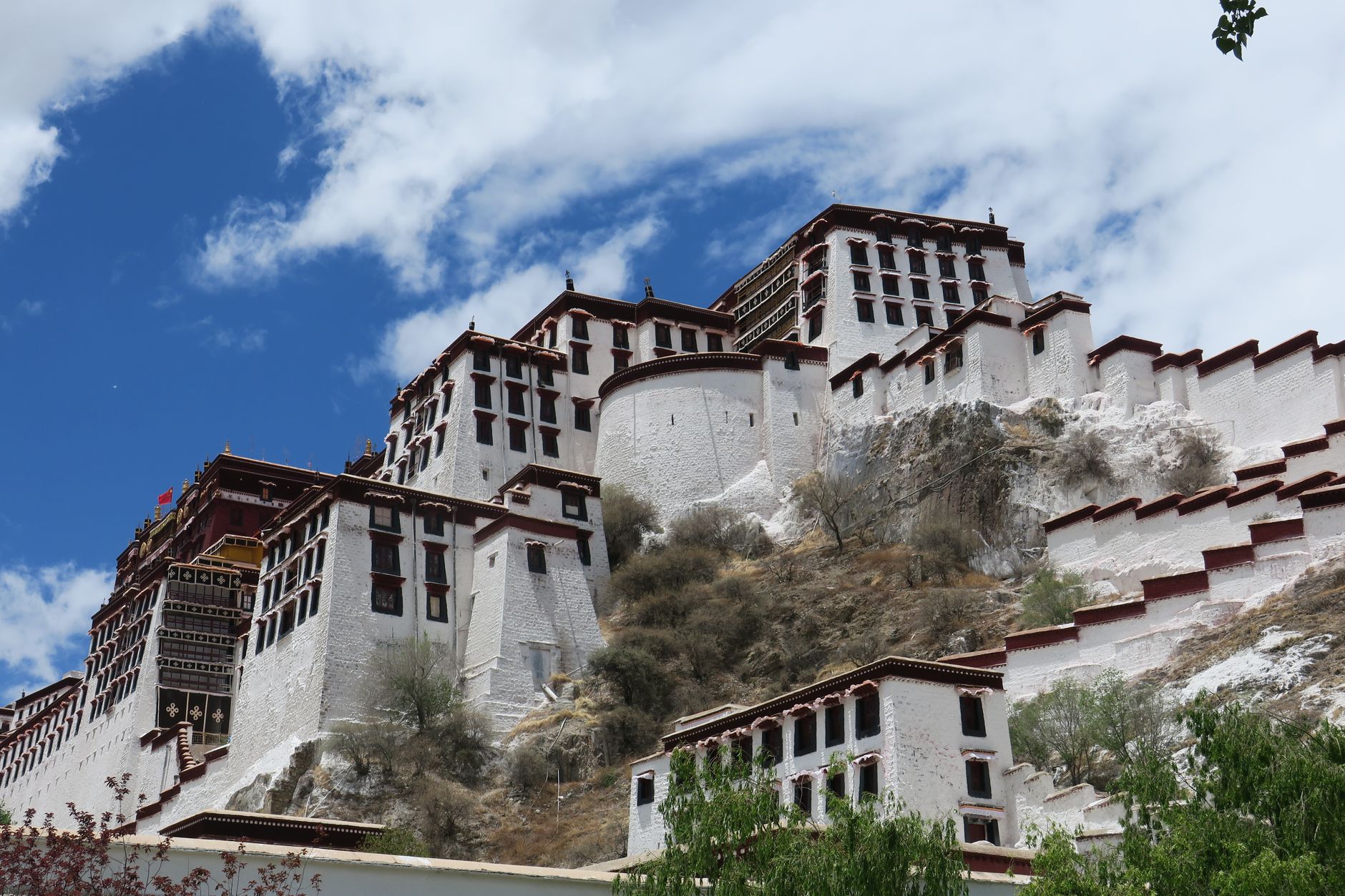
- Day 3 (Lhasa): Visit Potala Palace. The palace requires climbing roughly 300 gentle steps, so scheduling this on day 3 ensures you are partially acclimatized before tackling the climb. After your Potala visit, stop at Norbulingka, the former summer palace, which is set in flat parkland. As of November 2026, Potala Palace tickets cost 200 RMB per person in peak season (May–October) and 100 RMB per person in off-season (November–April), with timed entry slots to avoid overcrowding.
- Days 4–5 (near Lhasa): Take day trips to sites at similar or slightly lower elevation, such as Drepung Monastery, Drak Yerpa hermitage, or the lower Nyingchi valley (2,900m), where lower elevation often helps resolve lingering mild altitude symptoms. Limit driving time to 2 hours each way per day trip.
- Days 6–8 (if extending beyond Lhasa): Travel to Shigatse (3,840m) first, spending one full night acclimatizing before moving higher to destinations like Everest Base Camp or Namtso Lake. Limit driving time to 3–4 hours per day, with stops every hour to stretch and walk around. Never sleep at an elevation more than 500m higher than your previous night’s stop, whenever possible.
Avoid itineraries that promise Lhasa to Everest Base Camp and back in 4 days or less. These routes rush travelers from 3,650m to 5,200m in 48 hours or less, leading to severe altitude symptoms for roughly half of all participants, according to data from local Lhasa guides. HXXC Travel’s EBC itineraries include a mandatory acclimatization stop in Shigatse to reduce this risk.
For all days during the first half of your trip, limit active sightseeing to 4–5 hours per day, with a 2–3 hour rest break in the middle of the day, when high-altitude UV exposure is strongest and fatigue sets in fastest.
Transport to and Around Lhasa
As of November 2026, there are three main entry routes to Lhasa, each with different tradeoffs for acclimatization and convenience:
- Flights: Direct flights operate to Lhasa Gonggar Airport from Chengdu (2 hours), Chongqing (2.5 hours), Xining (2 hours), Kunming (3 hours), Guangzhou (4.5 hours), and Beijing (4.5 hours). Flying is the fastest option, but it means you ascend from near sea level to 3,650m in a matter of hours, with no gradual acclimatization, so you must be extra strict about rest on your first day.
- Qinghai-Tibet Railway: Pressurized, oxygen-equipped trains run to Lhasa from Xining (21 hours), Chengdu (36 hours), Beijing (40 hours), and Guangzhou (53 hours). The route climbs gradually over the Tanggula Pass (5,072m), which many travelers find reduces initial altitude shock, though it does not eliminate altitude risk entirely. As of November 2026, soft sleeper tickets from Xining to Lhasa cost roughly 1,295 RMB per person, hard sleeper tickets cost 735 RMB per person. You must show your original Tibet Entry Permit to collect train tickets and board, no exceptions.
- Overland from Nepal: The route from Kathmandu to Lhasa via the Gyirong border crossing takes 5–6 days of driving, and requires additional cross-border permit processing.
Within Lhasa, taxis charge a flat 10 RMB for most trips within the city center, and public buses cost 1–2 RMB per ride, though routes are not well signposted in English. All travel outside Lhasa city limits requires a licensed guide and private vehicle, as private cars without TAR registration are not allowed on most intercity roads in the region, and roadside permit checks are frequent. HXXC Travel includes private licensed vehicles, English-speaking guides, and all intercity transport in our Tibet itineraries, to avoid delays at checkpoints.
Practical On-the-Ground Tips
- Food: Lhasa’s local cuisine centers on tsampa (roasted barley flour), yak butter tea, thukpa (hand-pulled noodle soup), momos (steamed beef or yak dumplings), and slow-cooked yak meat. For the first two days, stick to mild, familiar dishes where possible, as stomach upset can worsen altitude symptoms. Most hotels and restaurants in the old town serve standard Sichuan, Cantonese, and Western food for travelers who prefer familiar meals.
- Sun protection: UV radiation at 3,650m is 40% stronger than at sea level, even on cloudy days. Bring SPF 50+ sunscreen, lip balm with SPF, a wide-brimmed hat, and UV-blocking sunglasses to avoid severe sunburn and snow blindness.
- Cash: Large hotels, restaurants, and ticket offices accept mobile payment and major international credit cards, but small shops, teahouses, and roadside stops outside Lhasa only accept cash in RMB. Plan to carry 500–1,000 RMB in small 10, 20, and 50 RMB bills for incidentals.
- Cultural etiquette: Walk clockwise around all kora paths and monastery courtyards, as this is the traditional direction for Tibetan Buddhist pilgrims. Ask permission before taking photos of monks or pilgrims, and do not touch religious statues or artifacts inside monastery halls.
Frequently Asked Questions
Can I travel to Tibet independently without a tour?
As of November 2026, international travelers cannot travel independently in the Tibet Autonomous Region. You must book your trip through a registered Chinese travel agency, which will arrange all required permits and assign a licensed local guide for all travel outside your hotel. You can book a fully private, custom itinerary tailored to your pace and interests, rather than joining a large group tour, but you cannot travel without pre-approved permits and a registered guide.
How much does a typical 7-day Lhasa trip cost?
As of November 2026, a 7-day private Lhasa and Shigatse trip including all permits, private transport, English-speaking guide, 4-star accommodation, and main attraction tickets costs 5,500–8,500 RMB per person based on double occupancy. Fixed-route group tours cost 3,000–5,000 RMB per person, though these follow faster, less flexible schedules. Prices are 20–30% higher during the peak season (June to early October) and lower during the off-season (December to March).
Is it safe to visit Lhasa if I have no prior high-altitude experience?
Yes, most travelers with no prior high-altitude experience visit Lhasa safely, as long as they follow proper acclimatization rules. Travelers with pre-existing heart conditions, severe asthma, or chronic respiratory issues should consult their doctor before planning a trip, and may want to choose lower-elevation destinations in China if altitude poses a significant health risk.
Do I need extra travel insurance for Tibet?
We recommend purchasing travel insurance that covers high-altitude trekking and emergency medical evacuation up to 6,000m, as standard travel insurance policies often exclude coverage for altitude-related illness above 3,000m. Confirm your policy details before departure.
References & Updates
This guide is reviewed monthly by HXXC Travel’s on-the-ground team based in Jiangmen, Guangdong, with input from our local Lhasa-based guides and permit specialists. It was last updated October 23, 2026. Permit policies, ticket prices, transport schedules, and entry rules are time-sensitive and subject to change, so re-confirm all details with your travel advisor two weeks before your planned departure date.