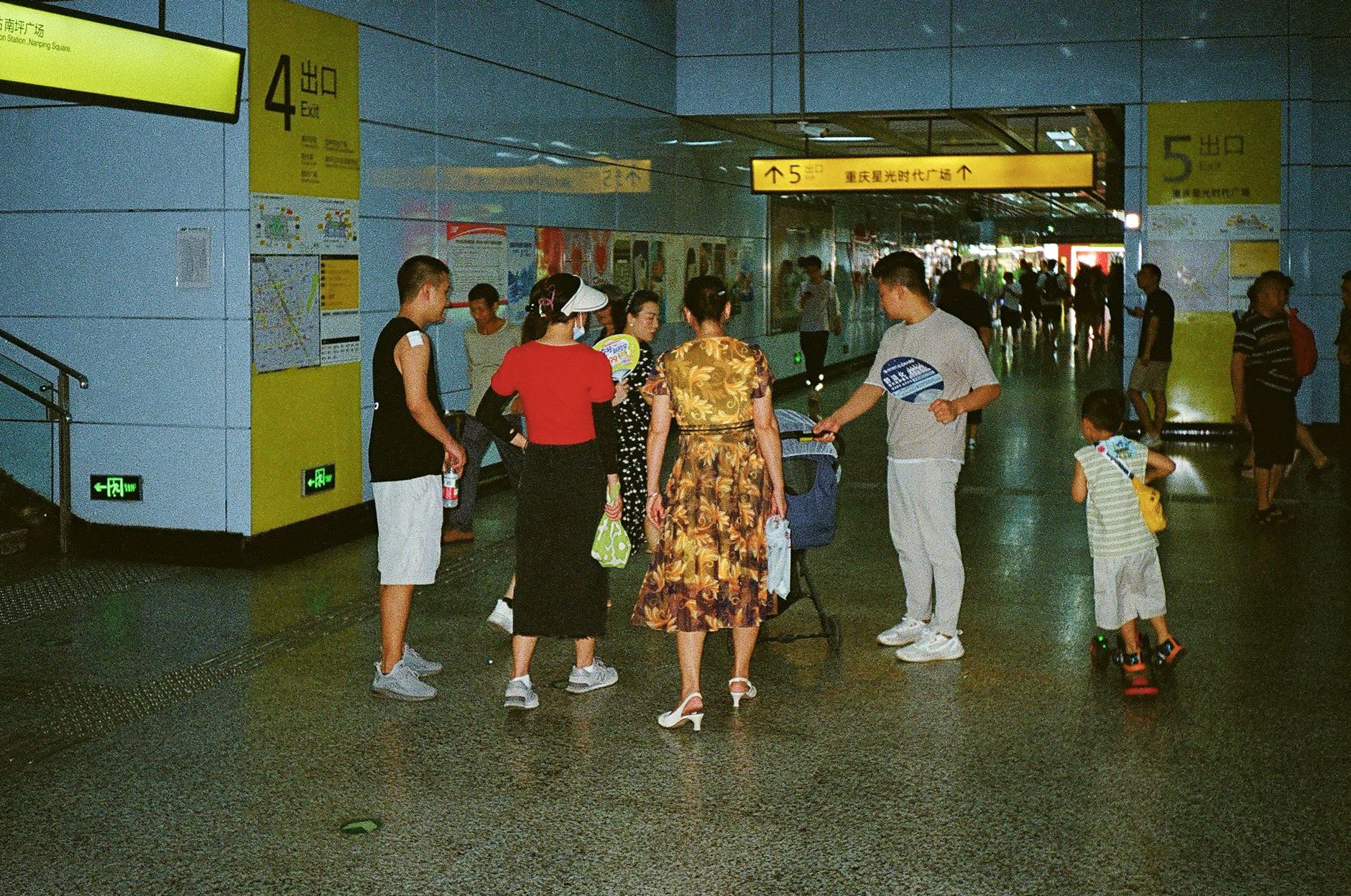
Quick answer: As of November 2026, same-sex sexual activity is not criminalized in mainland China, no entry rules target LGBTQ+ travellers, and most tourists face no explicit legal risk related to their sexual orientation or gender identity on a standard trip. Social acceptance varies sharply by location and context, so low-key, context-aware behaviour is the most reliable way to avoid awkward or unsafe interactions.
All guidance below is current as of November 2026; always re-check official policy updates before departure, as rules for foreign visitors can shift with little notice. This guide draws on HXXC Travel’s on-the-ground experience operating inbound tours from our Jiangmen, Guangdong base for international guests, including many LGBTQ+ couples and solo travellers.
Legal Status for LGBTQ+ Visitors, as of November 2026
No national law criminalizes consensual same-sex relations between adults in mainland China. The last explicit sodomy provision was removed from the criminal code in 1997. There are no immigration or customs forms that ask about sexual orientation or gender identity, and no recorded cases of foreign tourists being denied entry, detained, or deported solely on the basis of being LGBTQ+ as of November 2026.
Same-sex marriage is not legally recognized in mainland China, so foreign same-sex spouses cannot apply for dependent visas, and joint hotel bookings for same-sex couples are handled at the discretion of individual properties, not as a guaranteed legal right.
For transgender travellers, there are no specific entry bans, but official documents (passports, visas, train tickets, hotel registrations) must include consistent name and gender marker information to pass security and check-in checkpoints. If you have updated your passport gender marker to match your identity, you will face no extra screening related to that update as long as all your travel documents align. Re-check the latest Ministry of Public Security entry guidance 2–4 weeks before travel, as document verification rules for foreign visitors are updated periodically.
Social Acceptance, by Location and Context
Social norms around LGBTQ+ identity differ sharply across China, with no single universal experience for travellers. Major tier-1 cities (Shanghai, Beijing, Guangzhou, Shenzhen, Chengdu) have the most visible, established LGBTQ+ communities, with dedicated queer bars, low-key community events, and widespread casual exposure to out queer people among residents under 35. In these cities, same-sex couples holding hands in busy commercial or nightlife areas will rarely draw more than a passing glance, particularly in expat-heavy or university neighbourhoods.
Smaller tier-2 and tier-3 cities, county towns, and rural areas have far less routine exposure to out LGBTQ+ people, and public same-sex affection (even hand-holding) may draw sustained stares, curious questions, or unsolicited comments, even if those interactions do not turn hostile. Most residents in these areas will not assume a foreign same-sex pair travelling together are a couple; it is common for platonic friends of the same gender to travel and share rooms across China, so you will not be automatically outed simply by travelling together.
Across all locations, public displays of affection of any kind — between straight or same-sex couples — are less common in mainstream public spaces (public transit, government buildings, family-focused tourist sites, rural villages) than in most English-speaking Western countries. Loud public arguments, overtly sexual behaviour, or confrontations about identity will draw attention regardless of who you are.
Practical On-The-Ground Tips
Hotel and Accommodation Bookings
Most large international chain hotels (Marriott, Hilton, InterContinental, Hyatt) and major domestic mid-range chains (Home Inn Plus, Atour) will check in same-sex pairs sharing a room with no questions, as long as both guests present valid passports at check-in. Smaller family-run guesthouses, homestays, and rural accommodation may be less familiar with same-sex couples, and a small number may request two separate rooms if they assume you are not family. If you want to avoid this scenario, book chain properties in city centres, or note that you are two friends travelling together if asked — no further disclosure is required.
When booking custom itineraries through HXXC Travel, we pre-confirm all accommodation for same-sex pairs to avoid check-in awkwardness, and we never disclose your sexual orientation or relationship status to hotel staff, drivers, or local guides unless you explicitly ask us to.
Public Behaviour and Personal Safety
Keep public displays of affection low-key across all destinations, matching the behaviour of local couples around you. In most tourist areas, this means brief hand-holding is fine in busy nightlife zones, but extended kissing, cuddling, or overtly romantic gestures are best kept to private spaces.
Avoid engaging in unprompted debates about LGBTQ+ rights with strangers, particularly with older residents or people in official roles (police, border agents, venue staff). Most local people have no personal investment in your identity, and unnecessary arguments can escalate to awkward encounters that are easy to avoid.
If you experience harassment or persistent stares, the most effective de-escalation tactic is to move to a busier, more public area, or to signal that you do not speak Mandarin and keep walking. Violent targeted attacks on foreign LGBTQ+ travellers are extremely rare as of November 2026; most negative interactions are limited to curiosity or awkward comments, not physical harm.
App and Digital Access
As of November 2026, global LGBTQ+ social and dating apps (Grindr, HER, Tinder) are accessible in most parts of mainland China without a VPN, though connection speeds can be slow, and location data may be visible to other users. As with any location-based app, exercise the same caution you would in any other country: meet new contacts in busy, public places, do not share your hotel room number with people you have just met, and avoid sharing detailed personal travel plans with strangers online.
VPN access is a separate consideration for all travellers to China, not just LGBTQ+ visitors: arrange a reliable, paid VPN service before arrival if you need access to blocked global platforms (Google, Instagram, X, Facebook). Do not download unvetted VPN apps after arrival, as many are non-functional or carry data security risks.
Trans and Gender-Diverse Traveller Notes
No legal restrictions apply to gender expression for foreign tourists, and dressing to match your gender identity will not cause issues in tourist areas, major cities, or hotels. The main practical friction point comes from official document checks: all train, plane, and high-speed rail tickets in China are tied to your passport number and name, and your appearance will be cross-checked against your passport photo at security checkpoints.
If your gender presentation differs significantly from your passport photo, you may be pulled aside for an extra secondary identity check, but this is a standard document verification step, not a targeted action against trans travellers. Carrying a secondary photo ID (such as a driver’s license) that matches your presentation can speed up these checks if they happen. There are no public bathroom access laws targeting trans people in China; most public restrooms are gender-segregated, and foreign visitors are rarely challenged when using the restroom that matches their presentation, particularly in tourist-facing venues.
Common Misconceptions to Avoid
- Misconception: China actively targets LGBTQ+ foreign visitors for detention or deportation. Reality: No public records exist of tourists facing legal action solely for being LGBTQ+ as of November 2026, and consular guidance from the US, UK, Canada, and Australia lists no unique legal risks for queer travellers to mainland China, beyond standard general safety advice.
- Misconception: All of China is uniformly accepting or uniformly hostile to queer people. Reality: Acceptance is split sharply along generational and geographic lines: most urban residents under 30 view same-sex relationships as a personal matter, while many rural residents over 60 have little exposure to out queer people at all.
- Misconception: You must hide your identity entirely to travel safely. Reality: Many same-sex couples travel China annually without incident by matching local public behaviour norms, as they would in any other country with different social standards. You do not need to pretend to be platonic friends in private settings, with trusted guides, or in explicitly queer-friendly spaces.
- Misconception: Pride events are banned nationwide. Reality: Large unlicensed public protests on any topic are restricted, but small private LGBTQ+ community events run regularly in major cities, hosted by bars, cafes, or university groups, with no official interference as long as they stay low-key and are not advertised to the general public.
Destination-Specific Quick Notes
- Shanghai: Home to mainland China’s most established queer scene, with a dozen dedicated queer bars and event spaces in the former French Concession and Jing’an districts. Same-sex couples will draw minimal attention in most central neighbourhoods.
- Chengdu: Known for relaxed, youth-focused culture, with a growing queer scene around Jinjiang district and high acceptance among local young people.
- Guangzhou and Shenzhen: Major Greater Bay Area cities near Hong Kong, both with active, low-key queer communities and international hotel staff accustomed to same-sex travel pairs.
- Jiangmen: HXXC Travel’s home base, a mid-sized Greater Bay Area city and gateway to the Kaiping Diaolou UNESCO World Heritage Site. The city has no dedicated queer venues, but same-sex pairs visiting local heritage sites and food streets will face no targeted issues with standard low-key public behaviour.
- Rural and remote heritage sites (including parts of Yunnan, Guizhou, Guangxi, and unrestored Great Wall sections): Local communities see very few foreign visitors overall, so any foreign traveller will draw casual curiosity regardless of identity. Keep public affection minimal in these areas to avoid extra unwanted attention.
Frequently Asked Questions
Is it safe for LGBTQ+ travellers to visit China in 2026?
For most tourist itineraries focused on major cities and standard visitor sites, yes, as long as you adjust public behaviour to match local norms. Explicit legal targeting of LGBTQ+ tourists is non-existent as of November 2026, and violent homophobic or transphobic attacks on foreign visitors are extremely rare. As with any international destination, exercise basic situational awareness, avoid unnecessary confrontations, and book reputable accommodation to minimize risk.
Can same-sex couples share a hotel room in China?
In most major chain hotels in city centres, yes, with no extra questions. Smaller family guesthouses or rural homestays may be less familiar with same-sex couples, and a small number may request separate rooms. Avoid this by booking international or major domestic chain properties, or working with a tour operator like HXXC Travel that pre-confirms room arrangements for all guests.
Do I need to disclose my sexual orientation at Chinese border control?
No. Chinese entry forms, visa applications, and border control interviews do not ask about sexual orientation or gender identity as of November 2026. You will never be required to share this information with immigration officials, and volunteering it is unnecessary.
Are LGBTQ+ dating apps blocked in China?
As of November 2026, most major global LGBTQ+ dating and social apps are accessible without a VPN in mainland China, though connection speeds may be inconsistent. General blocked platforms (Google, Instagram, X, Facebook) require a VPN set up before arrival, regardless of identity. App access rules can change without notice, so check recent traveller reports in the week before your trip.
Related private tours
- Best Of China — 20-Day Private Tour — 20 days
- Best of China — 19-Day Private Tour — 19 days · From US$2,450
- Grand China Explorer — 15 Days — 15 days · From US$1,500