
Kashgar and Southern Xinjiang Travel Guide (2026)
The best way to experience Kashgar and Southern Xinjiang is a 7–10 day itinerary combining ancient Silk Road bazaars, Uyghur cultural sites, and high-altitude mountain drives along the Karakoram Highway. This guide includes up-to-date 2026 logistics, sample itineraries, and expert tips from HXXC Travel’s local Xinjiang tour team.
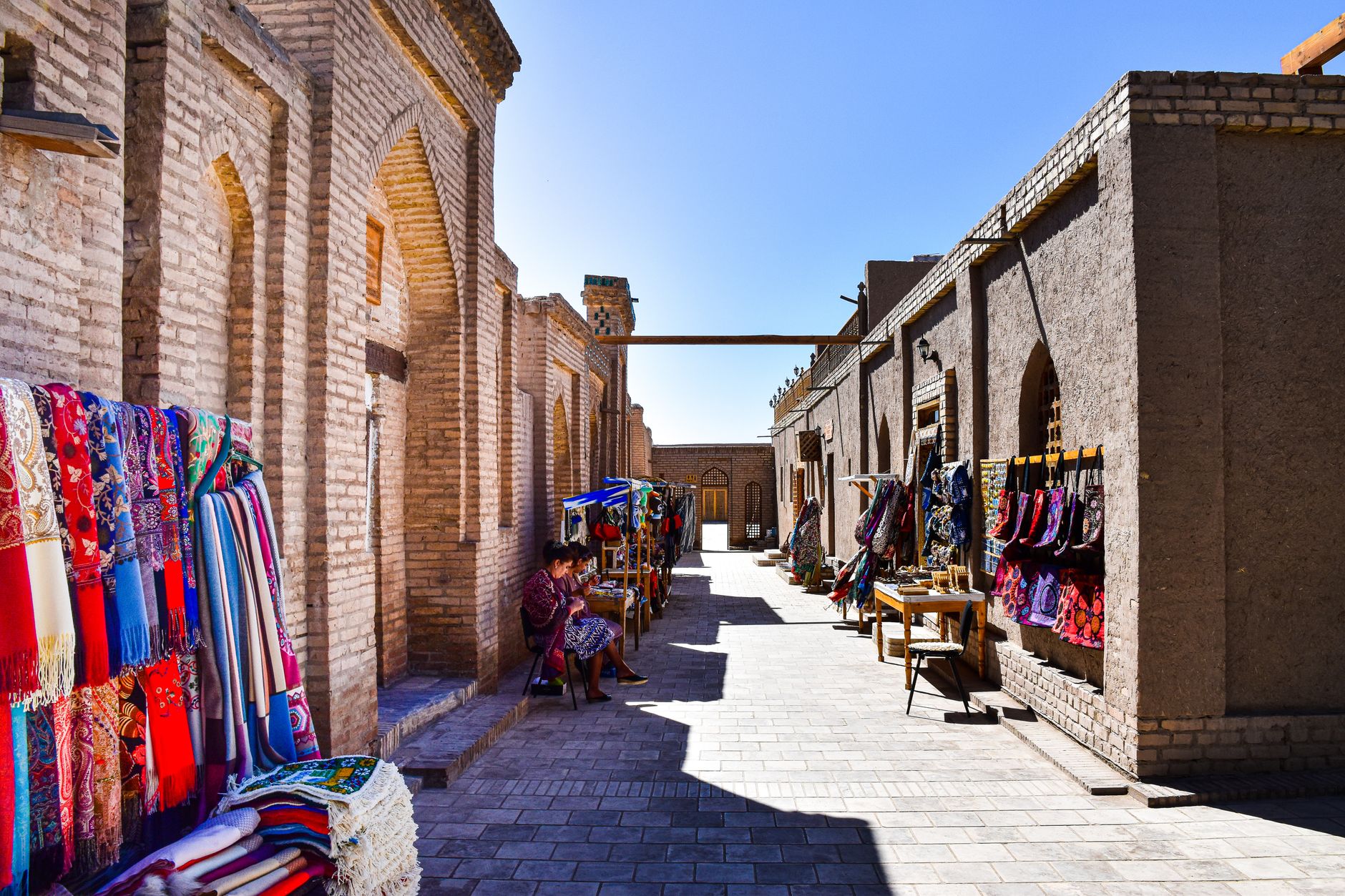
Key facts at a glance
- Best time to visit: April–June and September–early November (mild temperatures, clear mountain roads)
- Typical trip length: 7–12 days for core Kashgar and Karakoram Highway highlights
- Primary airport: Kashgar International Airport (KHG), with direct flights from Ürümqi, Beijing, Shanghai, and Guangzhou as of November 2026
- Main languages: Uyghur, Mandarin Chinese; English is limited outside major hotels and tour groups
- Currency: Chinese yuan (CNY); cash is widely used in smaller bazaars and rural villages
- Visa requirement: Standard Chinese L (tourist) visa required for most nationalities as of November 2026; 240-hour transit visa does not apply to Kashgar
- Border permit: Required for Tashkurgan County and Khunjerab Pass; arranged by local tour operators in advance

Top Experiences in Kashgar
Kashgar is the cultural heart of Southern Xinjiang, with a 2,000-year history as a Silk Road trading hub. The city’s most visited sites cluster in and around the Old Town, within walking distance of each other for most travelers.
Kashgar Old Town
Kashgar Old Town is a walled district of mud-brick courtyard homes, narrow alleyways, and family-run teahouses. It is one of the best-preserved traditional Islamic urban areas in Central Asia. The core pedestrian district has no entry fee as of November 2026; some private heritage homes charge 10–20 CNY for visitors to enter their courtyards. Travelers can join local families for naan-making sessions or Uyghur tea ceremonies through community-run programs, arranged in advance by tour operators like HXXC Travel.
Kashgar Grand Bazaar
Officially called the Kashgar International Grand Bazaar, this is the largest open-air bazaar in Northwest China, with over 4,000 vendors as of November 2026. It operates daily from 10:00 AM to 8:00 PM, with the highest foot traffic on Sundays, when traders from surrounding villages come to sell goods. Vendors sell a range of items: dried apricots and raisins (30–60 CNY per kg), handwoven wool carpets (200–2,000 CNY depending on size), Uyghur silk scarves, copper cookware, and fresh street food such as lamb skewers (5–8 CNY each) and baked naan (3–10 CNY each). Bargaining is expected for higher-priced items like carpets and handicrafts.
Id Kah Mosque
Located on the west side of Kashgar Old Town, Id Kah Mosque is the largest mosque in China and a key religious site for Uyghur Muslims. It was originally built in 1442 and has been expanded several times since. The entry fee is 45 CNY as of November 2026. Non-Muslim visitors may explore the courtyard and outer halls but cannot enter the main prayer hall. Modest dress is required: shoulders and knees must be covered, and women must wear a headscarf (available for free or for a small rental fee at the entrance).
Sunday Livestock Market
Held every Sunday morning on the outskirts of Kashgar, the livestock market (also called the Sunday Animal Bazaar) is a traditional trading event where farmers and herders buy and sell sheep, goats, cattle, and camels. It is one of the few remaining large-scale traditional livestock markets in the region. Entry is 10 CNY as of November 2026, and the market runs from 7:00 AM to 2:00 PM, with the most active trading before 10:00 AM.
Southern Xinjiang Mountain Roads & Scenic Drives
Southern Xinjiang’s most iconic road trip route is the Chinese section of the Karakoram Highway (KKH), also called the China-Pakistan Friendship Highway. It is the highest paved international road in the world, climbing through the Pamir and Karakoram mountain ranges from Kashgar to the Khunjerab Pass on the Pakistan border.
Karakoram Highway (Chinese Section)
The full Chinese section of the KKH runs 415 km from Kashgar to Khunjerab Pass. Most travelers complete the drive over 2–3 days to allow time for sightseeing and acclimatization to high altitude. Key stops along the route include:
- Lake Karakul: a glacial lake at 3,600 m elevation, with views of Muztagh Ata (7,546 m), a snow-capped peak often called the “Father of Glaciers.” Entry to the lake area costs 45 CNY as of November 2026, and basic yurt accommodation is available for overnight stays.
- Tashkurgan Town: a high-altitude border town at 3,100 m, home to the ancient Stone City ruins (a 1,000-year-old Silk Road fortification, entry 30 CNY as of November 2026) and the Pamir Golden Grasslands.
- Khunjerab Pass: the highest border crossing in the world at 4,693 m, marking the end of the Chinese KKH. As of November 2026, a special border area permit is required to visit the pass; this permit is arranged by local tour operators as part of packaged itineraries.

Self-driving the Karakoram Highway is not recommended for first-time international visitors. The road has narrow sections, frequent hairpin turns, and occasional closures due to snow, rockfall, or maintenance. Most travelers book a private car with a local driver and guide through companies like HXXC Travel, who are familiar with road conditions and altitude acclimatization protocols.
Other notable mountain roads in Southern Xinjiang include the Duku Highway (which connects Northern and Southern Xinjiang through the Tianshan Mountains), but its southern end is near Kuqa, a 6-hour drive from Kashgar. The Duku Highway is typically only open from June to October due to heavy snowfall in winter.
Sample 7-Day Kashgar & Southern Xinjiang Itinerary
This itinerary is designed for first-time visitors who want to see Kashgar’s cultural highlights and the most scenic parts of the Karakoram Highway without rushing. HXXC Travel can customize the route to add extra days, adjust the pace, or include additional destinations like Hotan or Kuqa.
- Day 1: Arrive at Kashgar International Airport. Transfer to a hotel in the Old Town area. Take a short evening walk through the Old Town’s alleyways, and eat dinner at a local Uyghur restaurant.
- Day 2: Full-day Kashgar city tour. Visit Id Kah Mosque, Abakh Hoja Tomb, and the Kashgar Grand Bazaar. Join a naan-making workshop with a local Uyghur family in the Old Town.
- Day 3: Visit the Sunday Livestock Market if traveling on a Sunday, or take a half-day trip to a nearby Uyghur village. Spend the afternoon exploring the Old Town’s teahouses or shopping for handicrafts.
- Day 4: Drive the Karakoram Highway to Lake Karakul (about 4 hours from Kashgar). Stop at mountain viewpoints along the way. Overnight in a traditional yurt near the lake.
- Day 5: Drive from Lake Karakul to Tashkurgan Town (2.5 hours). Visit the Stone City ruins and the Pamir Golden Grasslands. Overnight in Tashkurgan.
- Day 6: Day trip to Khunjerab Pass (2.5 hours from Tashkurgan, permit required). Return to Tashkurgan in the afternoon. Optional: visit a local Tajik family home for tea and snacks.
- Day 7: Drive back to Kashgar (6–7 hours with stops). Transfer to the airport for your departure flight, or extend your trip to other Southern Xinjiang destinations.
Practical 2026 Travel Tips
Visa & Permits
As of November 2026, most international travelers need a standard Chinese L (tourist) visa to visit Kashgar and Southern Xinjiang. The 240-hour transit visa policy does not apply to Kashgar, so short visa-free entry is not available. A separate border area travel permit is required to visit Tashkurgan County and Khunjerab Pass. Local tour operators like HXXC Travel arrange this permit for guests, typically requiring a copy of your passport and visa 3–5 working days before your arrival. Always re-check visa and permit requirements with your local Chinese embassy or your tour operator before travel.
Getting There & Around
Kashgar International Airport (KHG) is the main entry point for Southern Xinjiang. As of November 2026, it has direct domestic flights from Ürümqi (1.5 hours), Beijing (4.5 hours), Shanghai (5.5 hours), and Guangzhou (5 hours). There are also overnight passenger trains between Ürümqi and Kashgar, taking 18–22 hours. Within Kashgar city, taxis and Didi (China’s ride-hailing app) are widely available, though most drivers speak only Mandarin or Uyghur. For trips outside Kashgar, such as the Karakoram Highway, most travelers book a private car with a local driver through a tour company, as public transport to remote mountain areas is limited.
Altitude Health
Many popular sites in Southern Xinjiang are at high elevation: Lake Karakul is 3,600 m, Tashkurgan is 3,100 m, and Khunjerab Pass is 4,693 m. To reduce the risk of altitude sickness, acclimatize gradually by spending your first 1–2 days in Kashgar (1,289 m elevation) before traveling to higher areas. Avoid heavy alcohol and strenuous exercise on your first day at high altitude, drink plenty of water, and carry over-the-counter altitude sickness medication if needed. Most people experience mild symptoms like headache or shortness of breath that resolve within 1–2 days. If symptoms worsen, descend to a lower elevation immediately.
Cultural Etiquette
Southern Xinjiang is home to multiple ethnic groups, including Uyghur, Tajik, and Kyrgyz, many of whom practice Islam. Respect local customs by dressing modestly (covering shoulders and knees) when visiting mosques or rural villages. Ask permission before taking photos of local people. Do not drink alcohol in public spaces outside of tourist hotels and restaurants. Avoid discussing sensitive political topics with local residents.
Food & Money
Local cuisine is primarily Uyghur, with popular dishes including lamb pilaf (polu), hand-pulled noodles (laghman), roasted lamb skewers, and crispy naan bread. Dried fruits (apricots, raisins, dates) and nuts (walnuts, almonds) are widely available and affordable. Bottled water is recommended for drinking, as tap water is not safe for consumption. As of November 2026, mobile payments (Alipay, WeChat Pay) are accepted at most large hotels, restaurants, and shops in Kashgar, but cash is still necessary for smaller bazaar vendors and rural villages. Credit cards are accepted at major hotels but not at most smaller businesses.
Safety
As of November 2026, Kashgar and the tourist areas of Southern Xinjiang are generally safe for international visitors, with low rates of violent crime. Take standard safety precautions: keep your valuables secure, carry a copy of your passport and visa at all times, and follow the advice of your local guide when traveling in remote or high-altitude areas.
FAQ
How many days do I need for Kashgar and Southern Xinjiang?
For a basic itinerary covering Kashgar’s main cultural sites and the Karakoram Highway up to Tashkurgan, 7 days is sufficient. If you want to visit additional destinations like Hotan, Kuqa, or travel all the way to Khunjerab Pass, plan 10–14 days. Travelers with more time can extend their trip to include Northern Xinjiang or other Silk Road cities in Gansu.
Is the Karakoram Highway open year-round?
The section of the Karakoram Highway between Kashgar and Tashkurgan is generally open year-round as of November 2026, but it may close temporarily due to heavy snowfall, rockfall, or road maintenance. The road from Tashkurgan to Khunjerab Pass is often closed from November to April due to deep snow and ice. Always confirm current road conditions with your tour operator before your trip.
Do I need a special permit to visit Tashkurgan?
As of November 2026, international travelers need a border area travel permit to enter Tashkurgan County and visit Khunjerab Pass. Most local tour operators, including HXXC Travel, arrange this permit for their guests as part of packaged itineraries. You will need to provide a copy of your passport and Chinese visa 3–5 working days before your arrival in Kashgar.
What is the best time to visit Kashgar and Southern Xinjiang?
The best time to visit Kashgar and Southern Xinjiang is April–June and September–early November. During these months, temperatures in Kashgar range from 15–28°C, mountain roads are mostly clear of snow, and visibility for mountain views is high. Summer (July–August) is hot in Kashgar (up to 35°C) and busy with domestic tourists. Winter (December–February) is cold in Kashgar (0–10°C) and much colder in high mountain areas, with frequent road closures.
Can foreign tourists self-drive in Southern Xinjiang?
Foreign tourists can drive in Xinjiang only if they hold a valid Chinese driver’s license; international driving permits are not recognized in China as of November 2026. Self-driving on high-altitude mountain roads like the Karakoram Highway is not recommended for first-time visitors due to narrow roads, variable weather, altitude risk, and language barriers. Most international travelers book a private car with a local driver and guide through a reputable tour company.