
Jiuzhaigou Valley Quick Guide
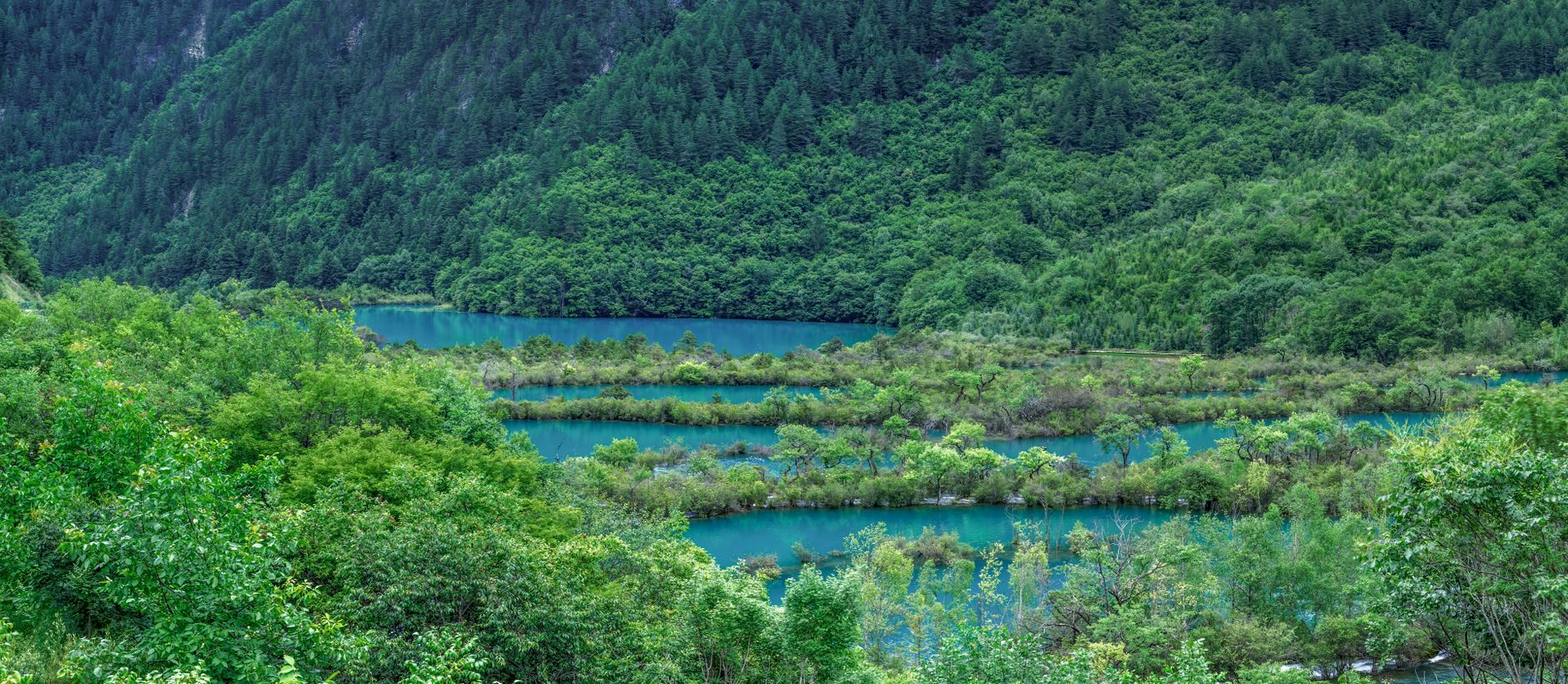
The best time to visit Jiuzhaigou Valley for low crowds and top scenery is mid-April to early June and mid-September to early November, per 2026 data from the Sichuan Provincial Culture and Tourism Department. This UNESCO World Heritage Site in northern Sichuan is famous for its colorful alpine lakes and travertine waterfalls, spread across three connected valleys.
HXXC Travel, a Jiangmen-based China inbound tour operator with 12 years of experience organizing Sichuan trips for international travelers, notes that first-time visitors often underestimate both the park’s size and crowd levels during peak periods. This guide covers all the key details to plan a smooth trip.
Key Facts at a Glance
- Official status: UNESCO World Heritage Site (1992), National Scenic Area of China
- Location: Ngawa Tibetan and Qiang Autonomous Prefecture, northern Sichuan province
- Altitude range: 2,000 meters (park entrance) to 4,500 meters (highest peak)
- 2026 peak season (April 1–November 15) ticket: ¥190 adult entry + ¥90 shuttle bus (¥280 total)
- 2026 off-peak season (November 16–March 31) ticket: ¥80 adult entry + ¥80 shuttle bus (¥160 total)
- Daily visitor capacity: 41,000 people (as of November 2026)
- Recommended visit duration: 1–2 full days
Top Lakes and Waterfalls in Jiuzhaigou Valley
Jiuzhaigou’s landscape formed over millions of years of glacial activity, tectonic movement, and travertine deposition. The park’s three main valleys – Rize, Zechawa, and Shuzheng – are connected by a single park road, with shuttle buses stopping at all major attractions.
Must-See Lakes
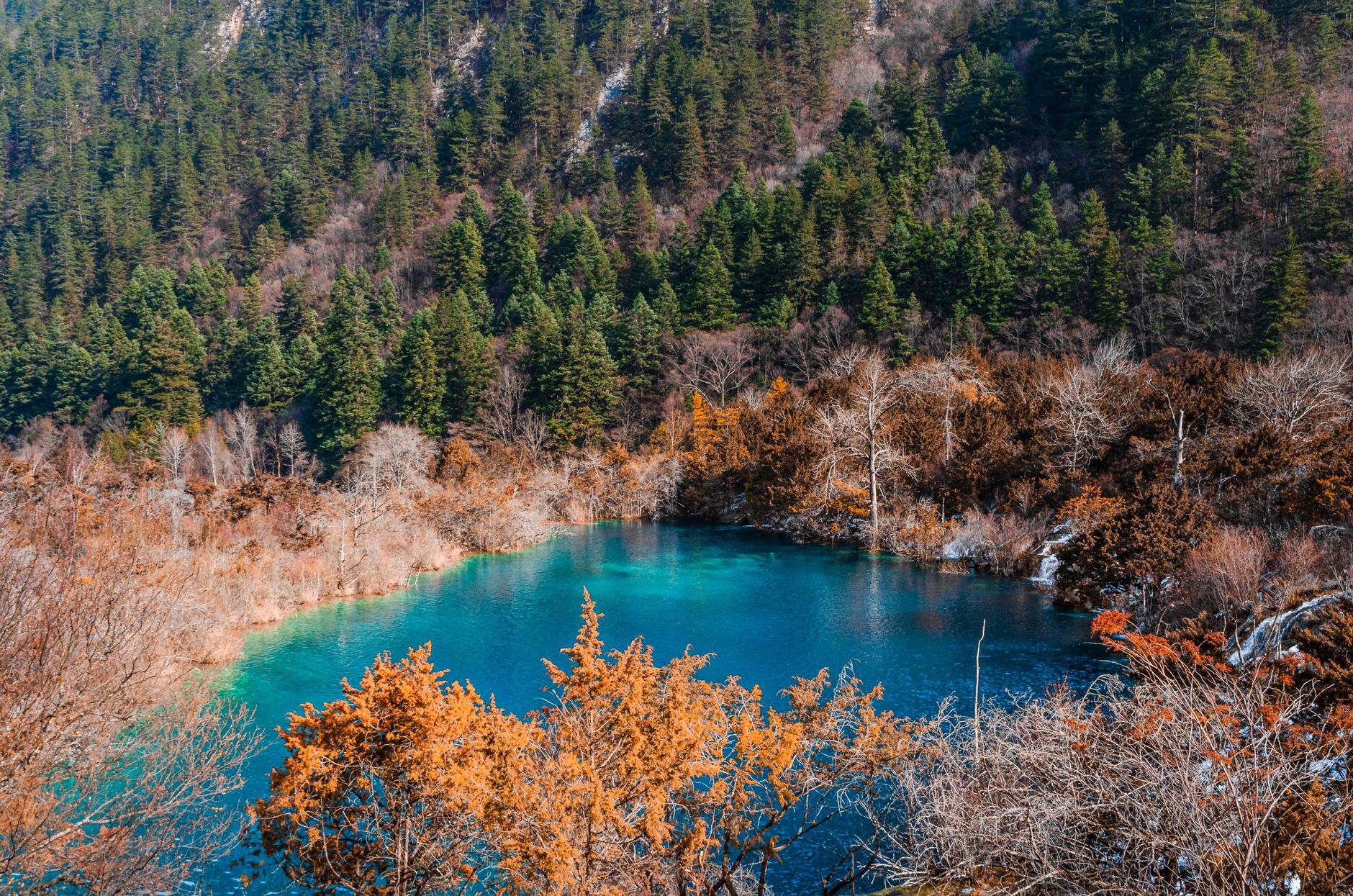
- Five-Color Lake: The park’s most photographed lake, located in Rize Valley at 2,472 meters elevation. Its water shifts between turquoise, sapphire, and emerald hues due to dissolved calcium carbonate, algae, and submerged tree trunks. The lake is 6.6 meters deep at its deepest point, with water clear enough to see individual fallen branches on the lake bed. Best visited between 9 a.m. and 11 a.m., when direct sunlight enhances color contrast.
- Long Lake: The highest and largest lake in Jiuzhaigou, at the end of Zechawa Valley at 3,101 meters elevation. It stretches 8 kilometers long and is surrounded by snow-capped peaks and coniferous forests. Fed by mountain snowmelt, its water is a deep, vivid blue. A 1-kilometer wooden boardwalk runs along the northern shore for walking.
- Mirror Lake: A small, shallow lake in Shuzheng Valley known for its perfectly still surface that reflects surrounding mountains and trees. The best time to visit is within 1 hour of sunrise, when wind is minimal and reflections are clearest. By mid-morning, wind usually disturbs the surface and the effect fades.
- Panda Lake: Located in Rize Valley, this lake is named for historic records of wild giant pandas drinking from its waters. It is surrounded by arrow bamboo forests, a primary panda food source. A 5-meter-high waterfall flows from the lake’s southern end into Arrow Bamboo Lake below.
- Arrow Bamboo Lake: A 7-kilometer-long lake in Rize Valley, lined with dense arrow bamboo groves. It has a maximum depth of 17 meters and features several small, vegetation-covered islands.
Must-See Waterfalls
- Nuorilang Waterfall: The widest travertine waterfall in China, stretching 270 meters across and dropping 24.5 meters into a pool below. It sits at the intersection of Rize, Zechawa, and Shuzheng valleys, making it a central park hub. A large viewing platform on the opposite valley side offers unobstructed views of the full falls width. The waterfall freezes into solid ice formations during winter.
- Pearl Shoal Waterfall: A 200-meter-wide cascade that flows over a gently sloping travertine bed covered in small bumps and ridges. The water breaks into thousands of tiny droplets that glint in sunlight, giving the falls its name. It is located in Rize Valley, just downstream from Pearl Shoal. Best viewed between 10 a.m. and 2 p.m., when sunlight hits the water directly.
- Shuzheng Waterfall: A series of 19 tiered waterfalls in Shuzheng Valley, ranging from 10 to 30 meters high. Water flows over limestone terraces covered in moss and small shrubs, creating a layered effect. The lowest tier is accessible directly from the main park road, and a wooden boardwalk leads up to view upper tiers.

Crowd Timing Tips for 2026
Crowd levels in Jiuzhaigou vary significantly by season, day of the week, and time of day. Planning your visit around these patterns can cut wait times by 50% or more, according to HXXC Travel’s on-the-ground tour guides.
Seasonal Crowd Levels
- Peak crowds: The busiest periods are National Day Golden Week (October 1–7, 2026), summer school holidays (mid-July to late August), and Chinese New Year (dates vary annually; 2027’s falls in mid-February). During Golden Week, the park hits its 41,000 daily capacity by 9 a.m., and popular viewing platforms have 30–45 minute wait times.
- Low-crowd seasons: The quietest months are December, January, and early February (excluding Chinese New Year), when visitor numbers drop to 10–20% of peak season levels. Winter visitors see frozen waterfalls and snow-covered forests, though some higher-elevation trails may close due to ice.
- Shoulder season (best balance): Mid-April to early June brings spring blooms and green forests, with 30–40% fewer visitors than summer. Mid-September to late October offers golden and red autumn foliage, with the lowest crowd levels in this period falling between October 8 and October 20, right after Golden Week. Autumn foliage typically peaks around mid-October, per 2026 park data.
Daily Crowd Strategies
- Enter early: The park opens at 6:30 a.m. during peak season and 7:30 a.m. during off-peak. Arriving 30 minutes before opening lets you enter before most tour groups, which arrive between 9 a.m. and 11 a.m.
- Top-down itinerary: Take the park shuttle bus directly to the highest point of your planned route (Long Lake in Zechawa Valley or the end of Rize Valley) and work your way down on foot or by shuttle. This puts you ahead of most visitors, who start at lower points and move up.
- Visit popular spots at off-peak hours: Five-Color Lake and Nuorilang Waterfall are most crowded between 10 a.m. and 3 p.m. Visiting before 9:30 a.m. or after 3:30 p.m. means shorter wait times and clearer views.
- Stay inside the park: As of November 2026, visitors staying at designated homestays in Shuzheng Village (inside the park boundary) can get a second-day entry stamp and access the park 1 hour before day-trippers. This lets you watch sunrise at Mirror Lake or Five-Color Lake without crowds.
- Book tickets in advance: During peak periods, tickets sell out 3–7 days ahead. Booking 10–14 days in advance (the maximum allowed as of 2026) guarantees entry. HXXC Travel handles ticket reservations as part of its Jiuzhaigou private tours, so travelers don’t need to navigate the Chinese-language booking system.
Practical Travel Information (2026 Update)
All time-sensitive details below are current as of November 2026. Always re-check official park and transport policies before your trip, as changes can occur with little notice.
Tickets and Reservations
- All Jiuzhaigou park tickets must be purchased online in advance via the official park reservation platform; no walk-up tickets are sold.
- Peak season (April 1–November 15): ¥190 adult entry + ¥90 mandatory shuttle bus = ¥280 total.
- Off-peak season (November 16–March 31): ¥80 adult entry + ¥80 shuttle bus = ¥160 total.
- Discounts: Children under 1.2 meters tall, seniors aged 65 and above, and people with disabilities receive free entry (shuttle bus fee still applies). Children aged 6–18 and full-time students get 50% off entry tickets.
- Second-day entry: Visitors staying in park homestays can request a second-day entry stamp at the main entrance. Day trippers cannot re-enter the park once they leave.
Getting to Jiuzhaigou from Chengdu
Most international travelers fly into Chengdu first, then travel to Jiuzhaigou. There are three main transport options as of November 2026:
- Flight: Jiuzhaigou Huanglong Airport (JZH) is 88 kilometers from the park entrance. Direct flights from Chengdu Shuangliu and Chengdu Tianfu airports take 45–60 minutes, with 5–7 daily departures. Airport shuttle buses to the park take 1.5–2 hours and cost ¥50 per person. Private transfers cost around ¥200–¥300 per car.
- High-speed rail: The Chengdu-Jiuzhaigou section of the Chengdu-Lanzhou High-Speed Railway opened in 2023. Trains depart Chengdu East Station and arrive at Jiuzhaigou Station (in Zhangzha Town, 20 kilometers from the park) in 2.5–3 hours. Second-class tickets cost ¥200–¥230 one way, with 4–6 daily trains. Local buses and taxis from the station to the park take 30–40 minutes and cost ¥10–¥50 per person.
- Long-distance bus: Buses from Chengdu Chadianzi Bus Station take 8–10 hours and cost ¥150–¥200 one way. This option is less popular with international travelers due to long travel times and limited English signage.
HXXC Travel offers private door-to-door transfers from Chengdu to Jiuzhaigou, with optional stops at Huanglong Scenic Area and Tibetan villages along the way, for travelers who prefer a flexible, guided journey.
Altitude Sickness Advice
Jiuzhaigou’s elevation ranges from 2,000 meters at the main entrance to 4,500 meters at the highest peak. Most visitors experience mild altitude sickness symptoms (headache, fatigue, shortness of breath) at higher points, especially when arriving directly from low-altitude cities like Chengdu (500 meters).
- Acclimatization: Arrive in Zhangzha Town (1,800 meters) at least 1 day before entering the park to let your body adjust. Avoid heavy exercise, alcohol, and smoking for the first 24 hours.
- Management: Drink plenty of water, rest when needed, and carry over-the-counter altitude sickness medication if you have a history of symptoms. Severe altitude sickness is rare, but seek medical help immediately if you experience persistent vomiting, chest pain, or confusion.
Recommended Itineraries
- 1-day itinerary (time-constrained travelers): Arrive 30 minutes before park opening. Take the shuttle to Long Lake (Zechawa Valley), walk down to Five-Color Lake, then take the bus to the end of Rize Valley. Walk down past Arrow Bamboo Lake, Panda Lake, and Pearl Shoal Waterfall, then stop at Nuorilang Waterfall. Finish with a quick visit to Shuzheng Waterfall before closing.
- 2-day itinerary (HXXC Travel recommended): Day 1: Enter early, take the shuttle to Rize Valley, visit Five-Color Lake, Pearl Shoal Waterfall, and Nuorilang Waterfall. Stay overnight in Shuzheng Village. Day 2: Watch sunrise at Mirror Lake, explore Long Lake and upper Shuzheng Valley, then leave the park by midday.
- 3-day extension: Add a day trip to Huanglong Scenic Area, 2 hours from Jiuzhaigou, to see its travertine pools and snow-capped peaks. HXXC Travel’s 3-day Jiuzhaigou and Huanglong private tour includes all transport, tickets, and a local English-speaking guide.
Frequently Asked Questions
How long should I spend in Jiuzhaigou Valley?
Most travelers need 1–2 full days to see Jiuzhaigou’s top lakes and waterfalls. A 2-day visit is recommended to avoid rushing and to experience the park during early morning low-crowd hours. Travelers who want to visit nearby Huanglong Scenic Area should plan 3 days total.
Is Jiuzhaigou Valley worth visiting in winter?
Yes, Jiuzhaigou is worth visiting in winter for travelers who prefer quiet, snow-covered scenery and frozen waterfalls. Visitor numbers are 80–90% lower than peak season, and off-peak ticket prices are 57% cheaper. Some higher-elevation trails may be closed due to ice, but the main lakes and waterfalls remain accessible.
Can you stay inside Jiuzhaigou National Park?
As of November 2026, visitors can stay at designated homestays in Shuzheng Village, which is located inside the park’s boundary. Staying overnight allows for a second-day entry stamp and early access to the park before day-trippers arrive. All homestays must be booked in advance along with park tickets.
Do international travelers need a visa to visit Jiuzhaigou?
Most international travelers need a valid Chinese tourist visa (L visa) to visit Jiuzhaigou, as it is located in Sichuan province and not part of any visa-free transit zone. Citizens of a small number of countries may qualify for visa-free entry for short stays, but you should confirm your eligibility with the nearest Chinese embassy or consulate before traveling.
What is the best time of day to visit Five-Color Lake?
The best time to visit Five-Color Lake is between 9 a.m. and 11 a.m., when direct sunlight hits the water and enhances its turquoise, blue, and green hues. Visiting before 9:30 a.m. also means fewer crowds, as most tour groups arrive after 10 a.m.
How do I get from Chengdu to Jiuzhaigou?
The fastest ways to get from Chengdu to Jiuzhaigou are by flight (45–60 minutes) or high-speed rail (2.5–3 hours). Flights arrive at Jiuzhaigou Huanglong Airport, 88 kilometers from the park, while high-speed trains arrive at Jiuzhaigou Station, 20 kilometers from the park. Both options require a connecting bus or taxi to reach the park entrance.
Related private tours
- Chengdu Pandas & Ancient Waterworks — 4 Days — 4 days
- Jiuzhaigou Rainbow Lakes & Chengdu Pandas — 8 Days — 8 days · From US$800
- 13 - Day China Private Tour — 13 days · From US$2,120