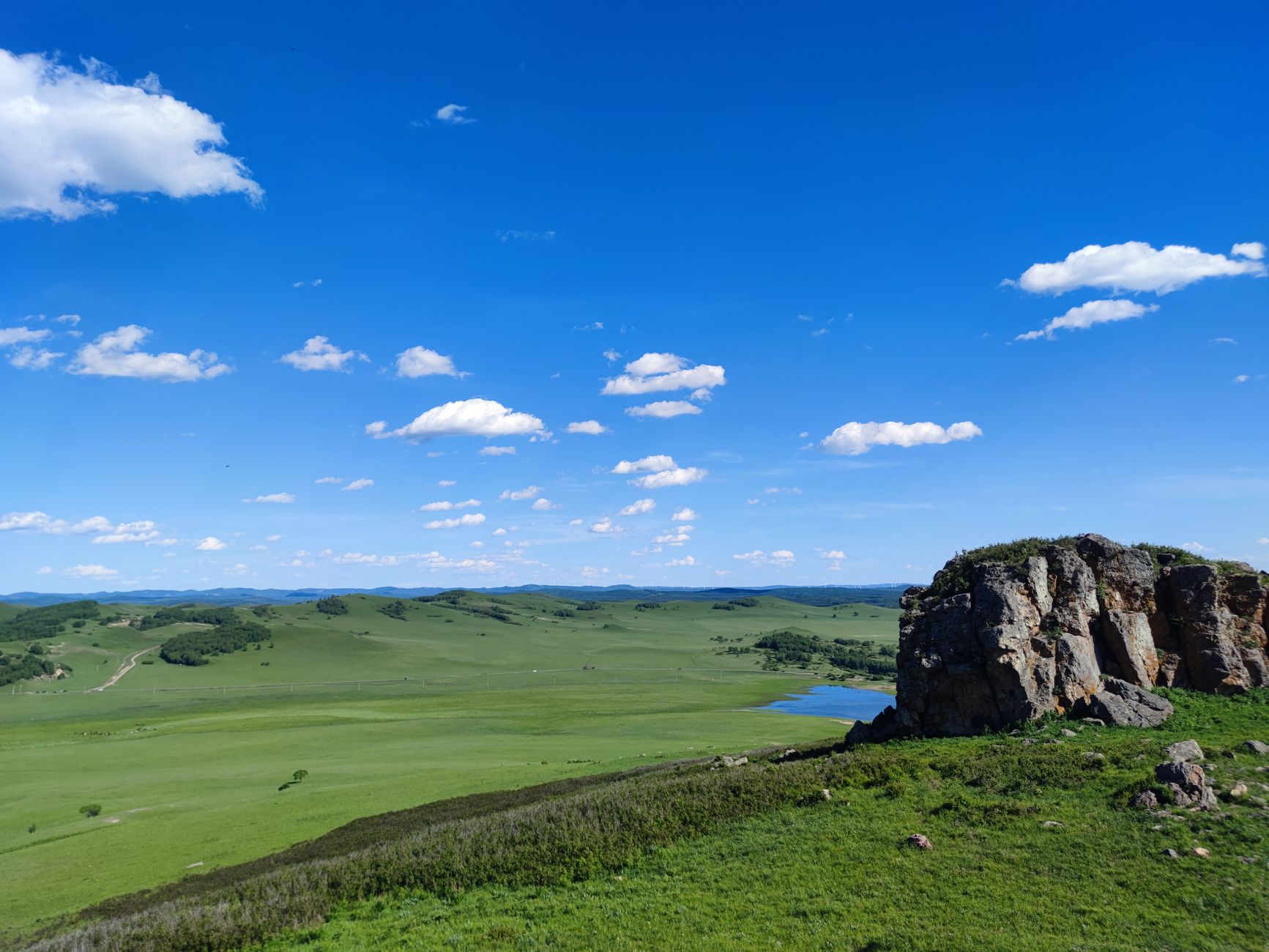
Quick answer: plan Inner Mongolia as a 5-7 day loop from Hohhot - one or two nights in a grassland yurt camp, a day on the Xiangshawan dunes of the Kubuqi Desert, and the Genghis Khan Mausoleum near Ordos. Go between June and early September for green grass, or fly north to Hulunbuir for the widest steppe in China. High-speed trains put Hohhot within 2.5-3 hours of Beijing.
Why Inner Mongolia Belongs on Your China Itinerary
Inner Mongolia is the autonomous region stretching across northern China along the borders of Mongolia and Russia. At roughly 1.2 million square kilometres it is larger than France and Spain combined, yet it receives a fraction of the visitors who crowd Beijing and Xi'an. That means open steppe, singing dunes and Mongolian herding culture within a short train ride of the capital.
- Gateway city: Hohhot, the regional capital, reached in about 2.5-3 hours from Beijing by high-speed train (Qinghe station to Hohhot East).
- Signature sights: Hulunbuir grassland, the Xiangshawan dunes, the Genghis Khan Mausoleum, the Ergun Wetland and the Russian-border city of Manzhouli.
- Food to try: roast lamb, hand-grabbed mutton (shouba yangrou), salted milk tea and Hohhot-style lamb shaomai.
- Trip length: five days for the Hohhot-grassland-desert loop; ten or more if you add Hulunbuir.
When to Go
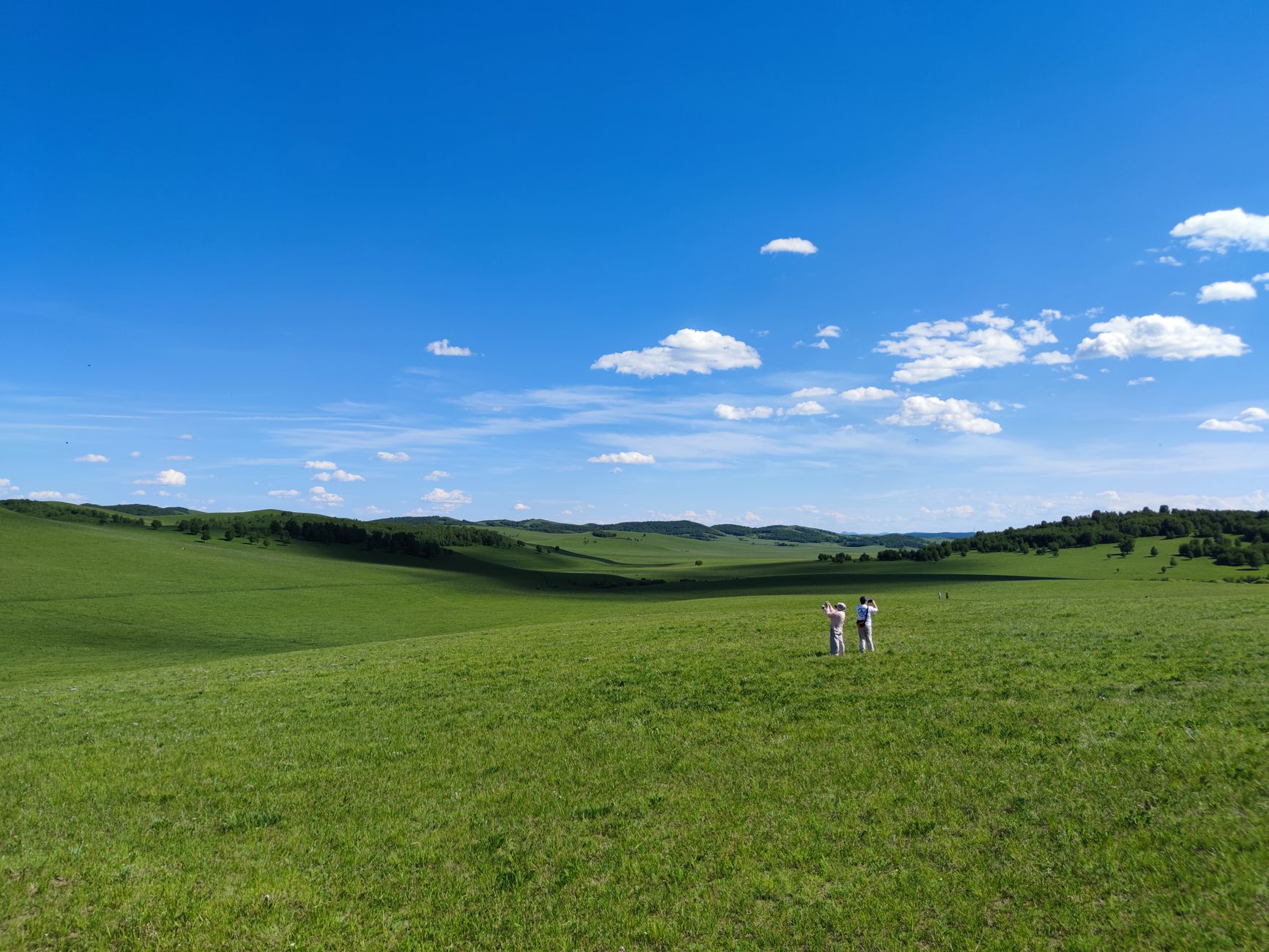
Grassland season runs from June to early September. July and August bring the greenest pasture, daytime highs around 25-28 C and summer Naadam fairs with wrestling, horse racing and archery; they are also the busiest and priciest weeks, so book yurts ahead. Nights stay cold in every month - expect 5-12 C after dark on the steppe even in August.
The desert is most comfortable in May, June and September; on July and August afternoons the Kubuqi sand can exceed 40 C. Late September and October turn the grassland gold with far fewer tour groups, which makes early October a smart shoulder-season choice. Winter travel is possible but severe: Hulunbuir regularly drops below -25 C, and many grassland camps close from November to April.
Hohhot: Your Base for the Region
Hohhot (airport code HET) is where most itineraries start, and one full day covers the highlights. The Inner Mongolia Museum, currently free with a passport and typically closed on Mondays, holds the country's best exhibits on steppe nomad culture alongside dinosaur fossils. Dazhao Temple, founded in 1580, is the city's most important Tibetan Buddhist monastery, and the nearby Great Mosque and Islamic-style streets reflect Hohhot's merchant past.
Food is a reason in itself. Order hand-grabbed mutton, a whole roast lamb for groups, and the local breakfast of lamb shaomai with brick-strong milk tea. A filling lamb dinner typically costs RMB 60-120 per person, well below Beijing prices.
The Grasslands: From Day Trips to the Hulunbuir Steppe
Xilamuren and Huitengxile (easy from Hohhot)
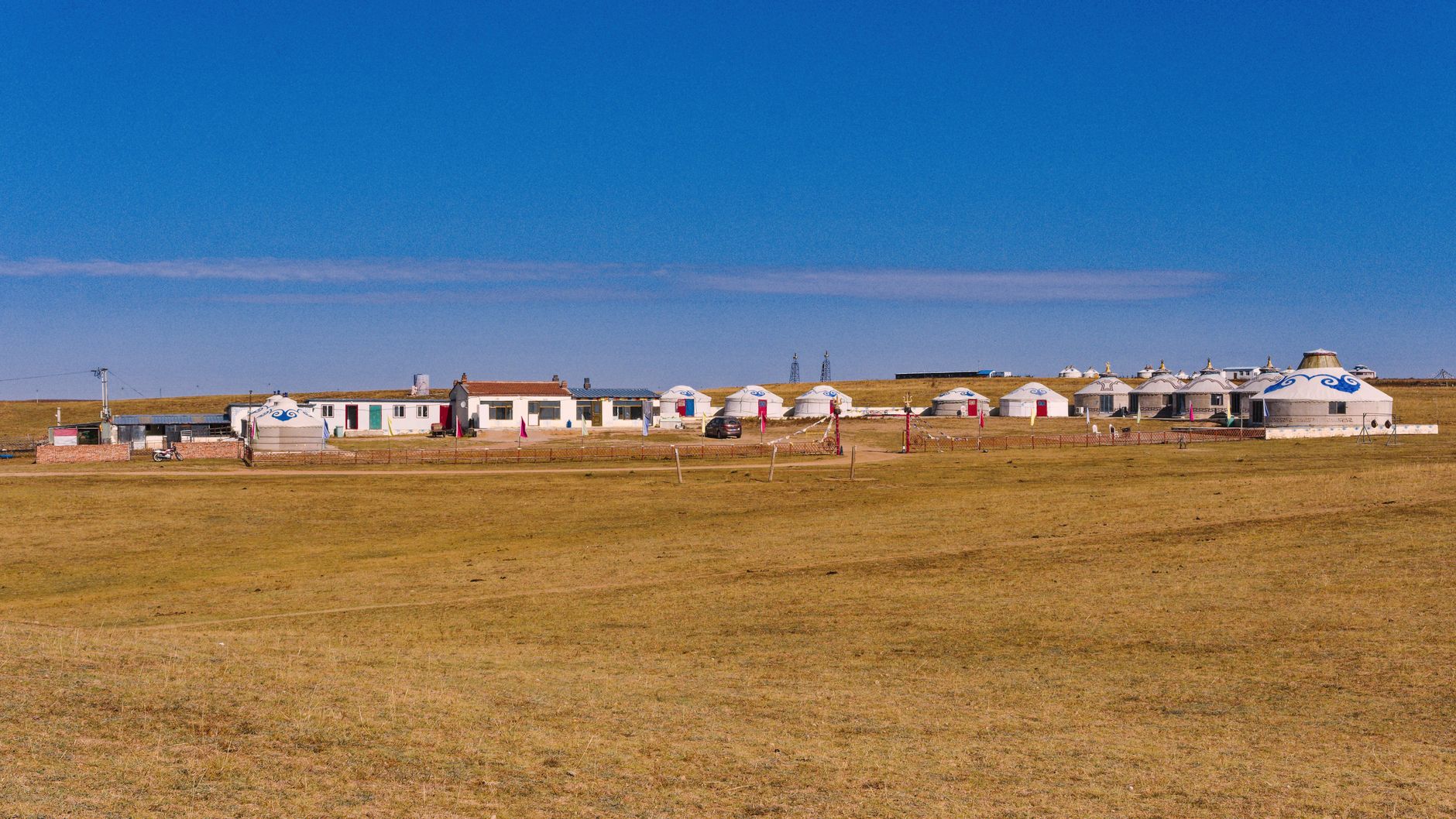
Xilamuren, about a two-hour drive north of Hohhot, is the classic first grassland: rolling hills, horse riding, archery and yurt resorts that put on bonfire parties. Huitengxile, around 2.5 hours away near Ulanqab, sits higher at about 2,100 metres, with cooler air, wildflower meadows in July and the Huanghuagou canyon nearby. Both work as overnight trips, and sleeping in a yurt is the point - modern resort yurts often include private bathrooms, while simpler camps cost less.
Hulunbuir: China's Greatest Grassland
Hulunbuir, in the far northeast, is the steppe you picture on Inner Mongolia postcards - a sea of grass rolling toward the Russian border. Fly from Beijing to Hailar in about 2.5 hours, then spend four to five days on a loop: the Ergun Wetland (often billed as Asia's largest wetland), the Russian-heritage villages of Shiwei and Enhe with their log houses, and Manzhouli, a border city of onion domes and the Matryoshka Square. July and August are ideal; roads and camps are quiet the rest of the year. HXXC Travel arranges this loop with a car and driver, which removes the guesswork of rural transport.
The Desert: Xiangshawan and the Kubuqi Dunes
Xiangshawan, or Whistling Dune Bay, sits on the edge of the Kubuqi Desert about 90 minutes from Baotou. Its name comes from the humming sound dry sand makes as it slides down the dunes. The site is built for visitors: camel trains, sand sledding, a zipline and chairlifts, with entry typically around RMB 80-100 plus activity fees as of November 2026. Come for the afternoon, stay for sunset, and consider the lotus-shaped desert hotel if you want dawn on the dunes. Pack sunglasses and a dust pouch for your phone - fine sand gets everywhere.
For a wilder experience, the Badain Jaran Desert in Alxa League became a UNESCO World Heritage site in 2024. It holds the world's tallest stationary dunes - several topping 400 metres - and more than a hundred spring-fed lakes between them. Reaching it means a 4WD trip from Alxa Right Banner, so it suits travellers with three or four extra days rather than a first China trip.

Genghis Khan Country: Ordos and the Mausoleum
The Genghis Khan Mausoleum in Ejin Horo Banner, roughly an hour's drive from central Ordos, is the most important Genghis Khan shrine in the world - a ceremonial complex guarding relics and sacred objects of Mongol tradition. The conqueror's actual grave has never been found; Mongol custom kept it secret, and this mausoleum serves as the spiritual substitute where herders still make pilgrimage. Ceremonies, horse displays and a large equestrian statue make it a half-day visit.
Pair it with Ordos itself. Kangbashi New District, once labelled a ghost city, now has a striking Ordos Museum and a giant Genghis Khan statue on the central square. Serious history travellers can push on to Xanadu in Xilingol League, the 2012 UNESCO-listed ruins of Kublai Khan's summer capital north of Beijing.
A Six-Day Itinerary: Grassland, Desert and Genghis Khan
Here is the route HXXC Travel typically runs as a private car itinerary for first-time visitors:
- Day 1: Arrive in Hohhot by high-speed train or flight. Inner Mongolia Museum, Dazhao Temple, lamb dinner.
- Day 2: Drive to Xilamuren or Huitengxile. Horse riding, archery, overnight in a yurt with a bonfire.
- Day 3: Sunrise over the grassland, then drive south to Xiangshawan. Camel ride and dune sledding at dusk.
- Day 4: Morning on the dunes, then cross to Ordos and explore Kangbashi's museum and squares.
- Day 5: Genghis Khan Mausoleum in the morning, then return to Hohhot by road or rail (about three hours).
- Day 6: Buffer day for weather or shopping, then fly home or continue to Beijing.
Add four days in Hulunbuir (fly Hohhot-Hailar or route via Beijing) if the open steppe is your priority.
Getting There and Around
- High-speed rail: Beijing Qinghe to Hohhot East in about 2.5-3 hours; trains also link Hohhot with Baotou and Ordos.
- Flights: Hohhot (HET) connects with most major Chinese cities; Hailar (HLD) has frequent summer services from Beijing.
- On the ground: distances are enormous, so hire a car with driver or join a small-group tour. Foreign driving licences are not valid in China without a temporary permit, so self-driving is rarely worth the paperwork.
Visa, as of November 2026: citizens of more than 40 countries, including the UK, most EU states, Australia and New Zealand, can enter China visa-free for up to 30 days under an extended trial policy, and many other nationalities can use the 240-hour visa-free transit scheme at major ports, including Hohhot. Rules change often - confirm the current policy with the Chinese embassy or the National Immigration Administration before booking.
Practical Tips
- Money: Alipay and WeChat Pay accept foreign cards; carry a little cash for rural camps.
- Language: signage is bilingual in Chinese and Mongolian; English is limited outside hotels, so keep your hotel address written in Chinese.
- Packing: layers for cold nights, high-SPF sunscreen, lip balm, and a dust-proof pouch for electronics in the desert.
- Etiquette: ask before photographing herders and their animals, and follow your guide's lead around horses and livestock.
- Booking: reserve yurt stays three to four weeks ahead for July and August; HXXC Travel can bundle trains, cars and camps into one itinerary.
FAQ
Do I need a visa to visit Inner Mongolia?
Inner Mongolia follows China's national visa rules. As of November 2026, passport holders from more than 40 countries - including the UK, most of the EU, Australia and New Zealand - can stay up to 30 days visa-free, and 240-hour visa-free transit covers many other nationalities at major ports including Hohhot. Re-check the latest policy before you book, as the country lists and end dates are updated regularly.
What is the best month to visit the Inner Mongolia grasslands?
July and August are the greenest months and host Naadam-style festivals, but they are also the busiest. June and early September offer nearly as much green with fewer crowds and cheaper yurts; late September and October bring golden grass and cool, clear days.
How many days do you need in Inner Mongolia?
Five to six days covers Hohhot, one grassland night, Xiangshawan and the Genghis Khan Mausoleum at a relaxed pace. Ten to twelve days lets you add the Hulunbuir loop in the northeast without rushing.
Can you stay overnight in a yurt on the grassland?
Yes. Options range from basic herder-family yurts to resort camps with private bathrooms, heating and dining halls. Expect roughly RMB 250-600 per night in high season, and book well ahead for July and August.
Is Inner Mongolia safe for international travellers?
Yes. Petty crime is low and tourism infrastructure is mature around Hohhot, Ordos and Xiangshawan. The real challenges are distance and weather: long drives, strong sun and cold nights. Carry your passport for hotels and trains, and keep a power bank for stretches of steppe with weak phone signal.
Related private tours
- Best Of China — 20-Day Private Tour — 20 days
- Classic China Tour - 13 Days — 13 days · From US$2,050
- Golden Triangle — Beijing, Xi'an & Shanghai — 10 days · From US$1,000