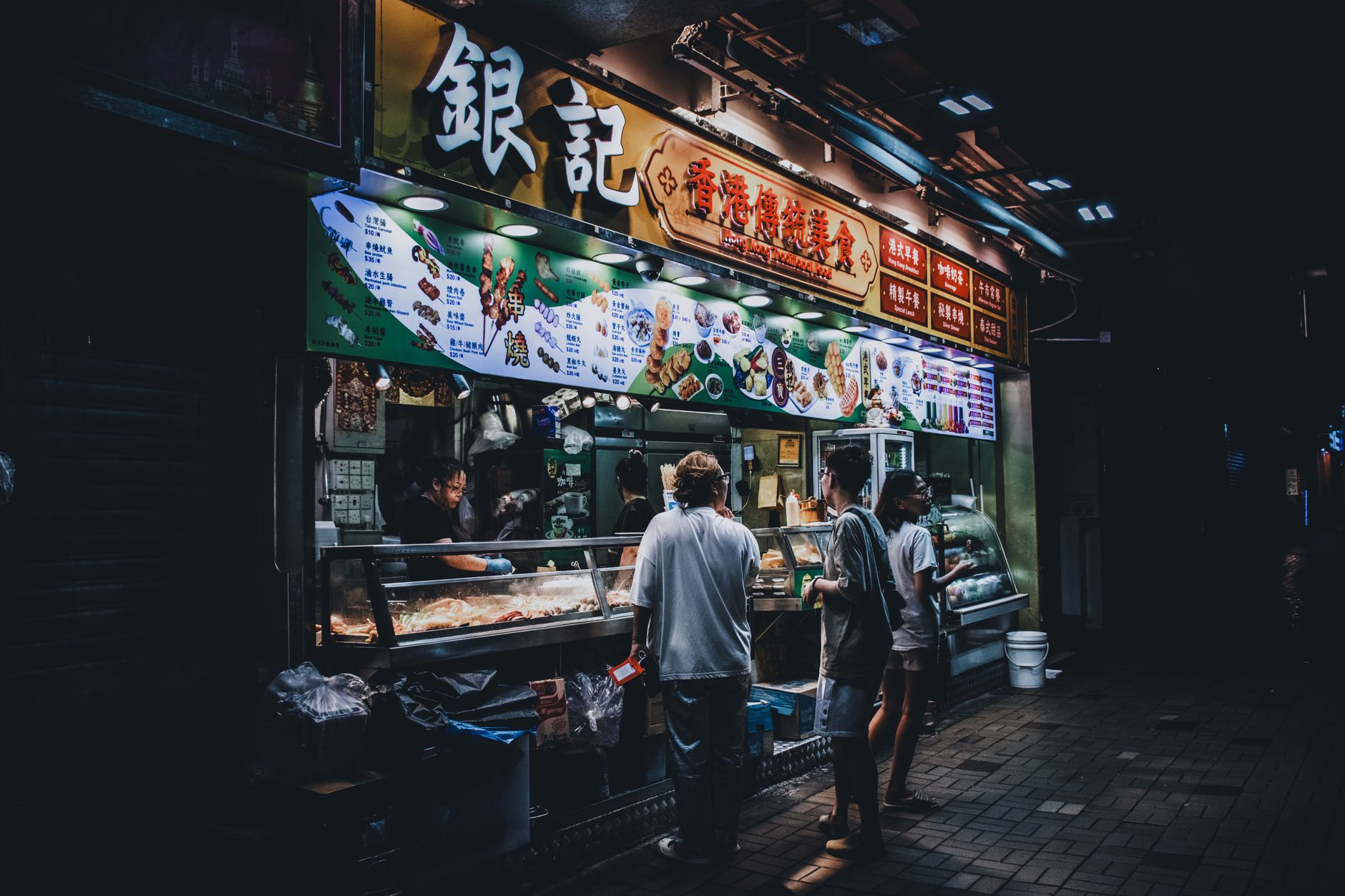
Quick Overview of This 3-Day Hong Kong Itinerary
A first 3-day Hong Kong visit covers the iconic Victoria Harbour skyline, historic Central and Sheung Wan, traditional Kowloon neighbourhoods, and Lantau Island’s Big Buddha, with easy access via the city’s MTR metro system. This itinerary is designed for first-time international travellers, balances famous landmarks with local food experiences, and avoids overpacking days with too many stops. HXXC Travel, a China inbound tour specialist based in Guangdong, recommends this route for visitors pairing Hong Kong with a wider mainland China trip.
Pre-Trip Basics (As of November 2026)
All entry rules, transport fares, and opening times below are current as of November 2026. Always re-check official Hong Kong Immigration Department and transport operator websites before travel, as policies can change with short notice.
Visa & Entry
- Most passport holders from the US, UK, EU member states, Canada, Australia, New Zealand, and Singapore receive 14-day visa-free entry to Hong Kong SAR for tourism.
- If you are entering Hong Kong from mainland China, you will need a valid Hong Kong entry permit (unless you qualify for visa-free transit or hold a multiple-entry permit). HXXC Travel can assist with permit guidance for travellers combining Hong Kong with mainland China itineraries.
- All visitors need a passport valid for at least 6 months beyond your planned departure date from Hong Kong.
Transport & Payment
- The Octopus Card is the most convenient way to pay for MTR trains, ferries, buses, and purchases at convenience stores, supermarkets, and many small shops. A standard adult card costs HK$150, including HK$100 in stored value and a HK$50 refundable deposit, available at all MTR customer service centres.
- The MTR metro system runs from approximately 6am to 1am daily, with trains every 2-5 minutes on most lines. Station signs and announcements are in English, Cantonese, and Mandarin.
- Most chain restaurants, hotels, and large shops accept international credit cards. Small street food stalls, old neighbourhood shops, and some dai pai dongs only accept Hong Kong dollars in cash. International Alipay and WeChat Pay work at most major retailers as of November 2026, but carry cash for small purchases.
Day 1: Victoria Harbour & Central Historic Icons
This day covers Hong Kong’s most famous skyline views and the city’s oldest colonial-era neighbourhoods, all accessible on foot and via short ferry or tram rides.
Morning: Star Ferry & Sheung Wan
Start in Tsim Sha Tsui and take the Star Ferry across Victoria Harbour to Central Pier. The 10-minute crossing costs roughly HK$3 per adult for the upper deck, and offers unobstructed views of the Hong Kong Island skyline.
From Central Pier, walk 10 minutes to the Central Mid-Levels Escalator, the world’s longest outdoor covered escalator system. Ride it uphill to Sheung Wan, then wander Hollywood Road’s antique and curio shops before visiting Man Mo Temple, Hong Kong’s oldest Taoist temple dedicated to the gods of literature and war. Entry to the temple is free; dress modestly (cover shoulders and knees) out of respect.
Afternoon: Victoria Peak
Take the Peak Tram from Garden Road to Victoria Peak, the highest point on Hong Kong Island. Return tickets for the standard tram cost roughly HK$88 per adult as of November 2026; book tickets online in advance to skip 1-2 hour long queues on weekends and public holidays.
At the peak, you can visit the Sky Terrace 428 observation deck (optional, ~HK$128 per adult) or walk the 3.5 km Lugard Road Loop, a flat paved path with free, unobstructed views of the harbour and Kowloon below. Allow 1.5-2 hours for the loop and time at the peak.
Evening: Symphony of Lights
Take the Star Ferry back to Tsim Sha Tsui and walk to the Tsim Sha Tsui Promenade near the Hong Kong Cultural Centre. The Symphony of Lights show runs daily at 8pm, lasts 10 minutes, and is free to watch. It features synchronized light projections, laser beams, and music from buildings on both sides of the harbour.
For a more immersive view, book a 1-hour harbour cruise on a traditional junk boat or Star Ferry tour, which typically costs HK$150-HK$300 per person.
Day 2: Kowloon Neighbourhoods & Local Food
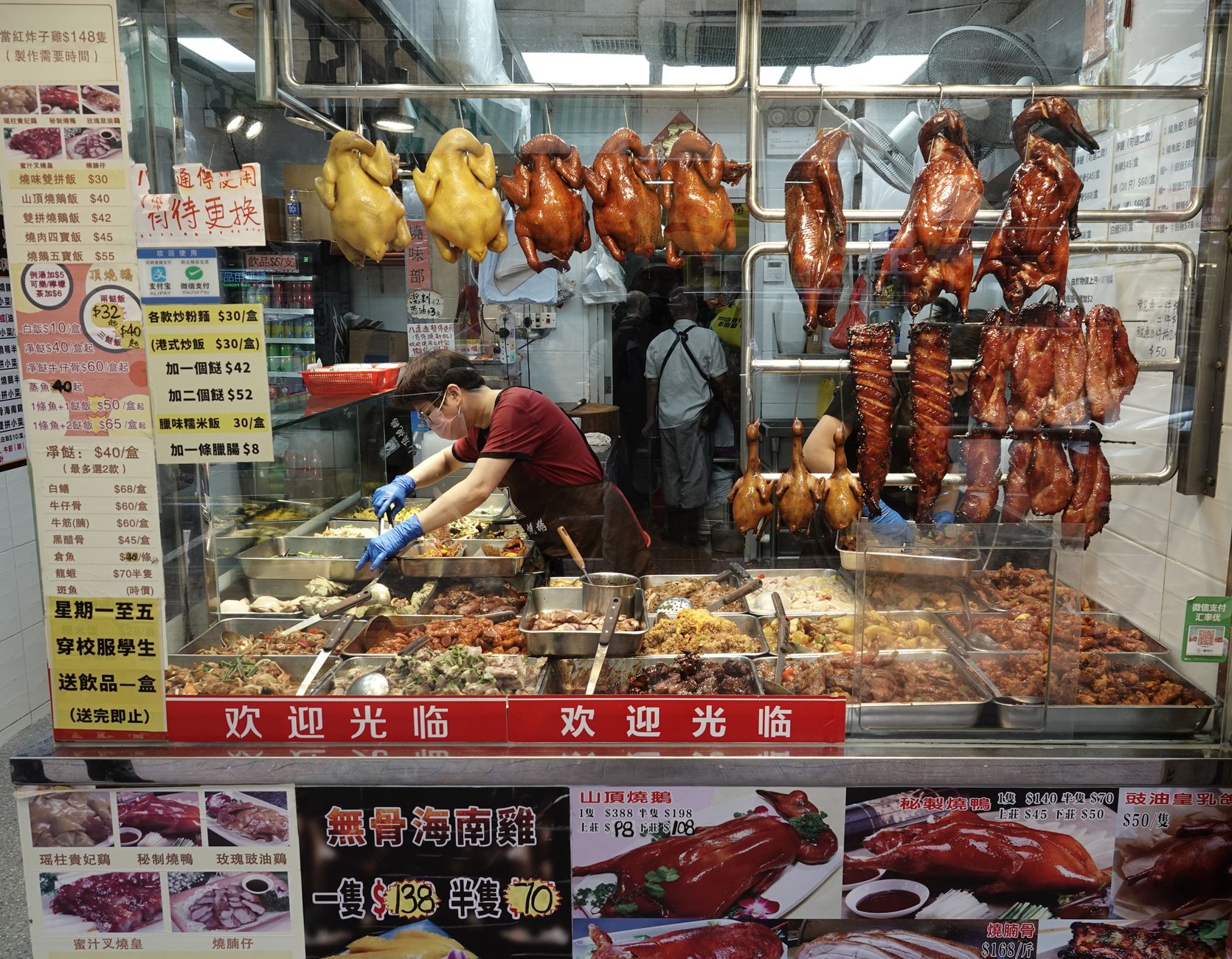
This day focuses on traditional Kowloon, from religious sites to street markets, with plenty of opportunities to try classic Hong Kong street food.
Morning: Wong Tai Sin & Nan Lian Garden
Take the MTR Kwun Tong Line (Green Line) to Wong Tai Sin Station and visit Wong Tai Sin Temple, the most visited temple in Hong Kong, known for fortune stick divination. Entry is free; the temple is open 7am to 5pm daily. You can purchase incense sticks for HK$10-HK$20 at stalls outside if you wish to participate in rituals.
From Wong Tai Sin, take the MTR one stop to Diamond Hill and visit Nan Lian Garden, a 3.5-hectare Tang Dynasty-style garden with pavilions, lotus ponds, and bonsai displays. Entry is free, and the garden is open 7am to 9pm. Adjacent to the garden is Chi Lin Nunnery, a large Buddhist temple complex also with free entry.
Afternoon: Mong Kok Markets & Street Food
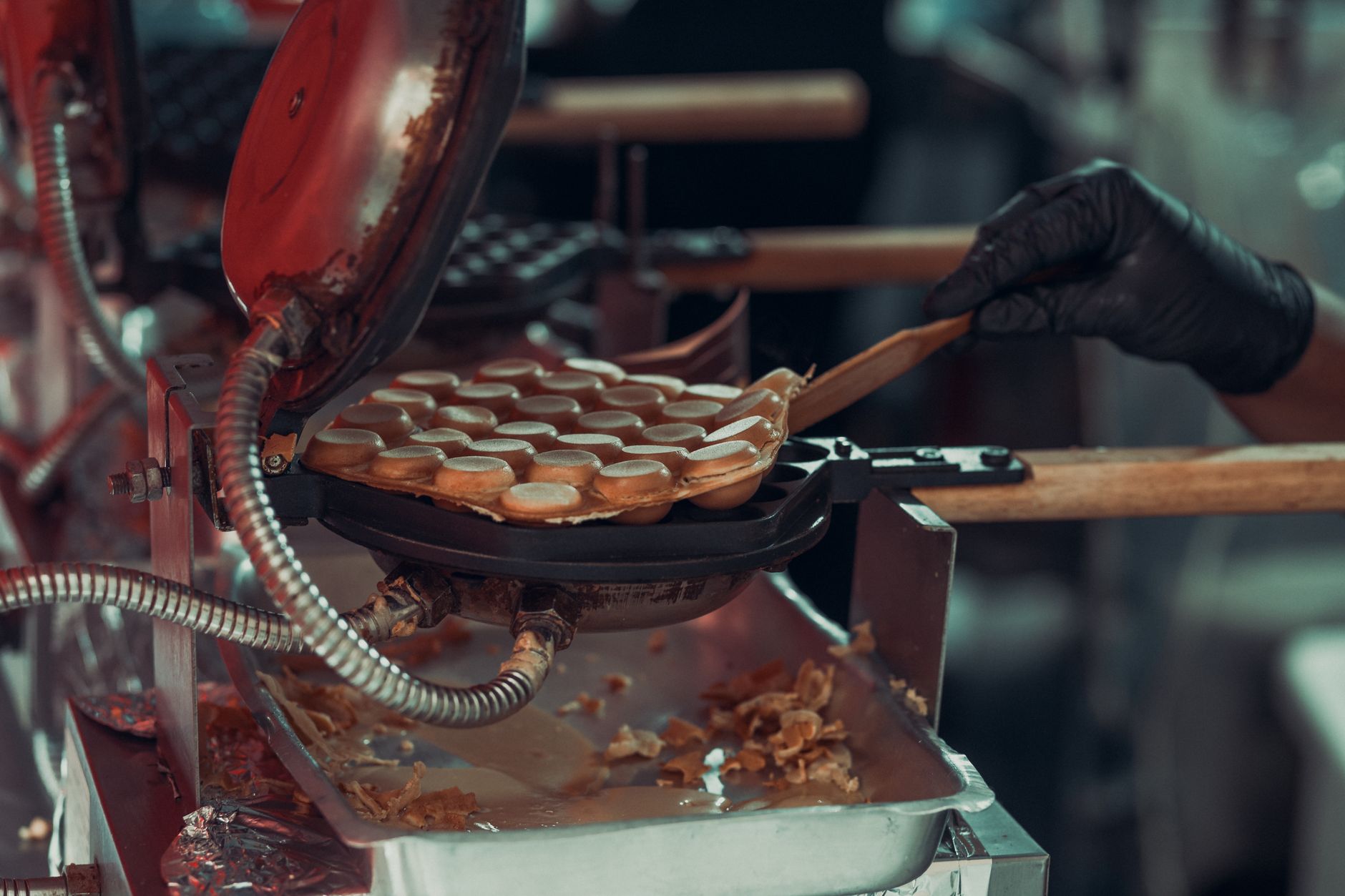
Take the MTR to Mong Kok, one of Hong Kong’s densest residential and shopping neighbourhoods. Walk along Fa Yuen Street, known for affordable clothing and street food stalls. Try classic Hong Kong street snacks: egg waffles (HK$15-HK$25), curry fish balls (HK$10-HK$15 per skewer), and siu mai (pork and shrimp dumplings, HK$10-HK$20 per 6 pieces).
Visit the Ladies Market on Tung Choi Street, a 1 km long street market selling clothing, accessories, and souvenirs. Prices are not fixed, so bargaining is common for larger purchases.
Evening: Temple Street Night Market
Take the MTR to Yau Ma Tei Station and walk to Temple Street Night Market, Hong Kong’s most famous night market. The market runs from 4pm to midnight daily, with stalls selling jade, souvenirs, electronics, and clothing.
Stop at a dai pai dong (open-air food stall) for a cheap, hearty meal. Popular dishes include char kway teow (stir-fried rice noodles), congee with century egg and pork, and Hong Kong-style milk tea. A full meal at a dai pai dong typically costs HK$50-HK$80 per person.
Day 3: Lantau Island & Departure Prep
Lantau Island is Hong Kong’s largest outlying island, home to the iconic Tian Tan Buddha (Big Buddha) and traditional fishing villages. This route is ideal for a final day, as the island is directly connected to Hong Kong International Airport via MTR, making it easy to head to your flight afterward.
Morning: Ngong Ping 360 & Tian Tan Buddha
Take the MTR Tung Chung Line to Tung Chung Station, then ride the Ngong Ping 360 cable car to Ngong Ping Village. A standard round-trip cable car ticket costs roughly HK$235 per adult as of November 2026; book ahead online to skip queues. The 25-minute ride offers views of the South China Sea, Lantau Peak, and the Big Buddha as you approach.
Visit Tian Tan Buddha, a 34-metre tall bronze Buddha statue that sits on a hilltop. Climb the 268 steps to the base of the statue for free; entry to the exhibition hall inside the statue requires a small fee (typically HK$30). Next to the statue is Po Lin Monastery, a Buddhist monastery where you can eat a vegetarian lunch for HK$60-HK$100 per person.
Afternoon: Tai O Fishing Village
Take a 15-minute bus ride (New Lantao Bus route 21) from Ngong Ping Village to Tai O, a traditional fishing village built on stilts along the coast. Wander the village lanes, visit the Tai O Heritage Hotel (a restored old police station), and take a 30-minute boat tour to look for Chinese white dolphins (pink dolphins), which typically cost HK$50-HK$80 per person. Boat tours run most days, but dolphin sightings are not guaranteed.
Evening: Departure or Return to City
From Tai O, take New Lantao Bus route 11 back to Tung Chung MTR Station. If you are flying out that night, Tung Chung is 10 minutes from Hong Kong International Airport via the Airport Express MTR line (fare ~HK$60). If you are staying longer in Hong Kong, take the Tung Chung Line back to Central or Kowloon (roughly 30 minutes).
HXXC Travel can arrange private cross-border transport from Hong Kong to mainland China destinations such as Guangzhou, Shenzhen, or Jiangmen for travellers continuing their China trip after Hong Kong.
FAQ
Do I need a visa to visit Hong Kong for 3 days?
As of November 2026, most passport holders from English-speaking countries (US, UK, Canada, Australia, New Zealand, EU member states) receive 14-day visa-free entry to Hong Kong for tourism. Always verify your specific eligibility with the Hong Kong Immigration Department before travel, as rules can vary by nationality.
How much should I budget for 3 days in Hong Kong?
A mid-range 3-day budget for one traveller is roughly HK$2,000-HK$3,500 (US$255-US$445), excluding flights and accommodation. This covers local transport, meals at casual restaurants and street stalls, entry to major paid attractions, and some souvenirs. Budget travellers can spend less by eating mostly street food and skipping paid observation decks; luxury travellers will pay more for fine dining and private tours.
Is the MTR easy to use for first-time visitors?
Yes, the MTR is very user-friendly for first-time visitors. All station signs, ticket machines, and announcements are available in English. You can use an Octopus Card to tap in and out of stations, and route maps are posted at every platform and inside train cars.
Can I use US dollars in Hong Kong?
Most shops and restaurants do not accept US dollars. You can exchange foreign currency for Hong Kong dollars at banks, airport exchange counters, or licensed money changers in tourist areas. ATMs are widely available and accept most international debit and credit cards to withdraw HKD cash.
What’s the best time of year to visit Hong Kong?
The most comfortable weather is from October to December, when temperatures are 18-25°C (64-77°F) and rainfall is low. Summer (June to August) is hot and humid with frequent rainstorms and occasional typhoons, while winter (January to February) is cool and dry with temperatures around 10-18°C (50-64°F).
Related private tours
- Guangzhou Heritage & Wildlife — Lingnan Culture Meets Chimelong Safari — 5 days
- 25-Day China Cross-Country Travel Itinerary — 25 days
- Best of China — 19-Day Private Tour — 19 days · From US$2,450