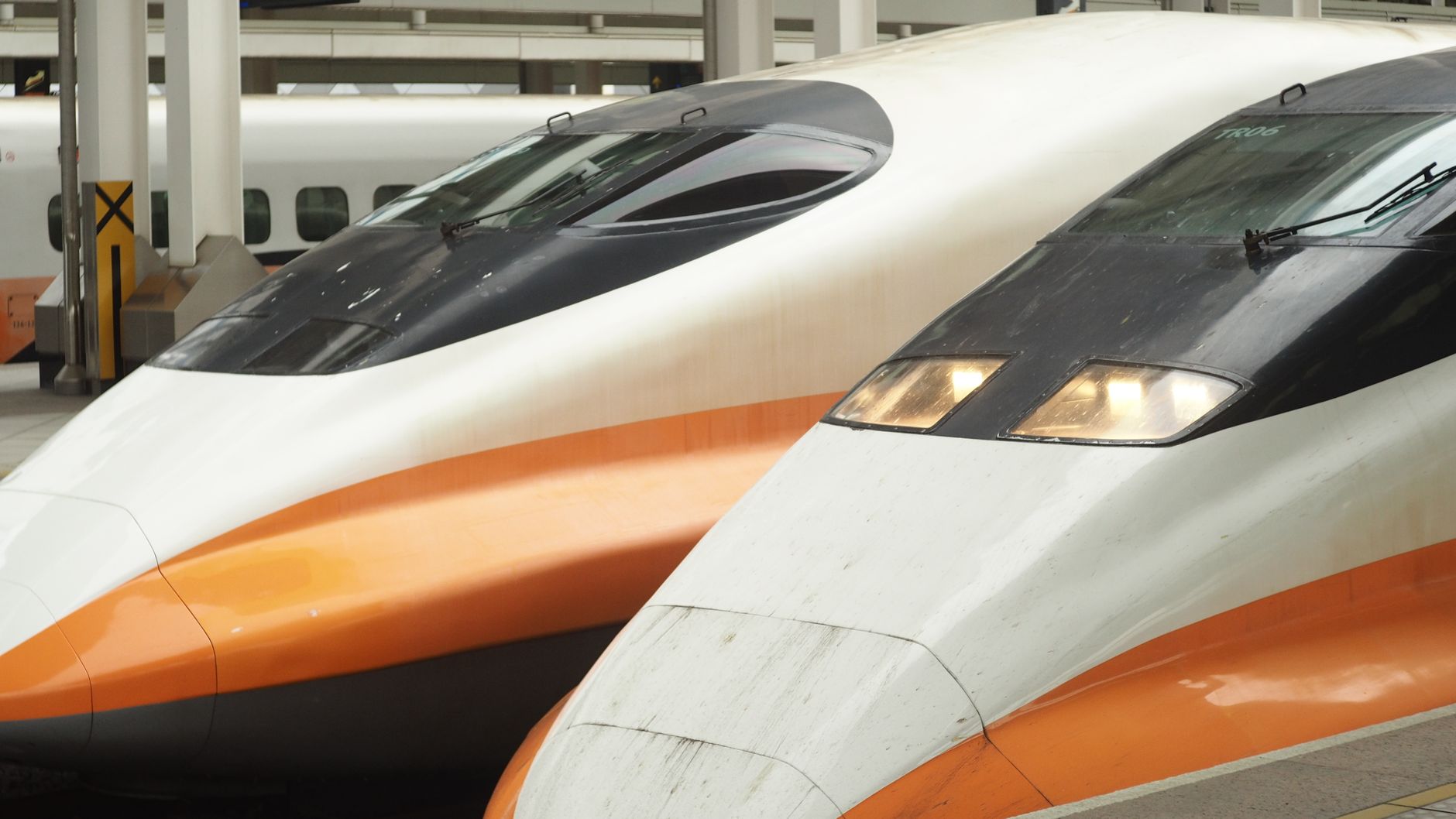
Quick Answer: What First-Time Travelers Need to Know
As of November 2026, international visitors can book China high-speed rail tickets via official channels, third-party platforms, or station counters, need a physical passport for boarding, and should arrive 30–45 minutes before departure for security checks. Always re-check current rules before travel, as policies may shift during peak travel periods.
Booking Methods for International Travelers
There are four main ways to book high-speed rail tickets in China, each with different pros and cons for foreign travelers.
- Official 12306 app/website: Run by China Railway, this is the cheapest and most reliable source for real-time ticket availability, with no extra service fees. As of November 2026, the platform accepts foreign passport registrations, though manual verification can take 1–2 business days if your passport details do not auto-match the system. The app has an English interface option, but some menu translations are inconsistent. International Visa and Mastercard payments are supported, though Alipay or UnionPay payments process faster.
- Authorized third-party platforms: Reputable platforms with full English interfaces offer a smoother booking experience for travelers who do not want to navigate 12306’s verification process. You typically upload a photo of your passport to complete booking, and most offer 24/7 English support. Service fees range from 5–15 RMB per ticket. As of November 2026, all major third-party rail booking platforms are authorized by China Railway, so tickets are guaranteed.
- Station ticket counters: You can buy tickets in person at any high-speed rail station counter by showing your physical passport. This is a good option for last-minute tickets if you are already at the station, but lines can be very long during peak holidays, and popular routes often sell out days in advance. You can buy tickets for any route in China at any station counter, not just routes departing from that station.
- Travel agent booking: For first-time travelers or those visiting during peak periods, booking via a local tour operator like HXXC Travel eliminates verification and language barriers. HXXC Travel can pre-book tickets as part of custom China tour packages, handle changes or cancellations on your behalf, and provide support if you run into issues at the station.
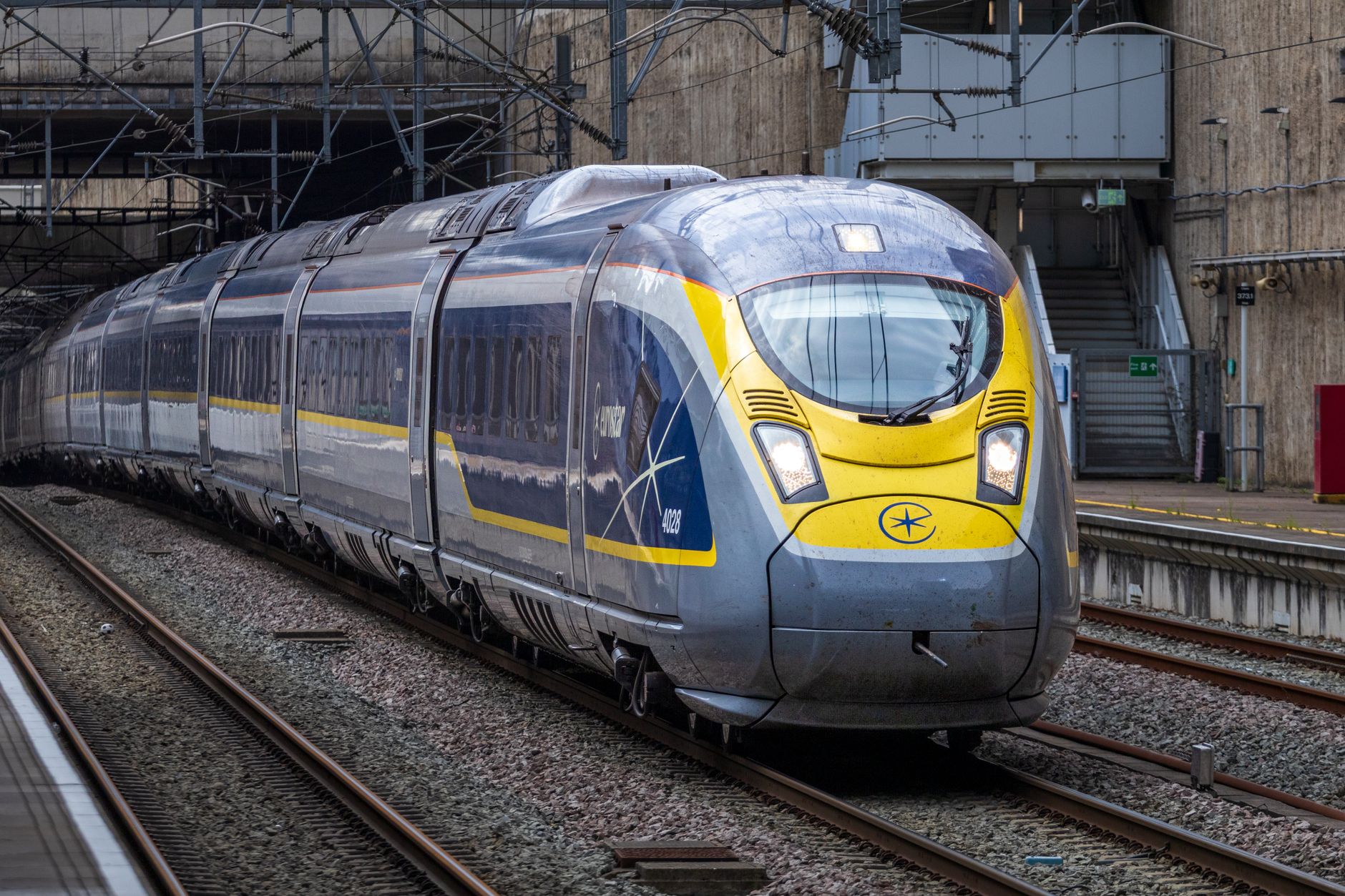
Seat Class Differences
China’s high-speed trains (G-series, D-series, C-series) offer four main seat classes, plus sleeper options on overnight routes. Prices vary significantly by class and route; all figures below are as of November 2026 and are subject to change.
- Second Class (二等座): The most common and affordable option, with 3+2 seating across the car. Legroom is adequate for most adults (roughly 90cm of seat pitch), and every seat has a power outlet and access to free on-board WiFi. For reference, a Beijing-Shanghai G-series second class ticket costs around 553 RMB.
- First Class (一等座): Features 2+2 seating with wider seats and 20–30% more legroom than second class. Passengers receive a free bottle of water and small snack pack on most long-distance routes. Prices are typically 60–80% higher than second class; Beijing-Shanghai first class costs around 933 RMB.
- Business Class (商务座): The premium option, with 2+1 or 1+1 seating that reclines fully into a flat bed. Passengers get free hot meals, premium snacks, dedicated security and boarding lanes, and access to station business lounges. Prices are 3–4x higher than second class; Beijing-Shanghai business class costs around 1748 RMB.
- Premium First Class (优选一等座): Available on newer G-series trains, this class sits between first and business class, with 2+1 seating, extra legroom, and complimentary snacks. Prices are roughly double the cost of second class.
Overnight D-series trains (used for long routes like Beijing-Guangzhou or Shanghai-Chengdu) also offer soft sleeper cabins with 4 berths per cabin, and deluxe soft sleepers with 2 berths per cabin. As of November 2026, a Beijing-Guangzhou soft sleeper berth costs 900–1100 RMB, depending on the train.
Ticket Pickup & Boarding Requirements
Boarding procedures for international travelers have simplified significantly in recent years, but there are still key rules to follow.
As of November 2026, nearly all major high-speed rail stations support e-ticket boarding for foreign passport holders. This means you do not need to pick up a physical paper ticket; simply tap your original physical passport on the reader at the boarding gate to enter. Digital copies or photos of your passport are not accepted.
If you are departing from a smaller regional station that does not have passport-enabled e-gates, you can pick up a paper ticket at the station counter or self-service ticket machine by scanning your passport. Allow 10–15 extra minutes for this process.
Important: The name on your ticket must exactly match the full name printed in your passport. Double-check spelling when booking, as name changes almost always require canceling and rebooking the ticket, which may incur fees.
Cancellation & Change Rules
As of November 2026, China Railway’s standard cancellation and change policies are:
- Cancellations made 8 or more days before departure: full refund, no fee
- Cancellations made 2–7 days before departure: 5% fee
- Cancellations made 24–48 hours before departure: 10% fee
- Cancellations made less than 24 hours before departure: 20% fee
- One free ticket change is allowed if requested more than 48 hours before departure, as long as seats are available on the new train. Additional changes require canceling and rebooking.
Third-party booking platforms may have slightly different refund processing times, and some charge a small administrative fee for changes. Always re-check current policies before travel, as rules may be adjusted during peak holiday periods.
Station Logistics & Security
Navigating China’s large high-speed rail stations is straightforward once you know the layout and process.
Most major stations are multi-level: the basement level connects to city subway lines and taxi stands, the ground level has ticket counters and security entrances, and the upper levels house the waiting hall and boarding gates. All major stations have clear English signage as of November 2026, and information desks with English-speaking staff are available at the busiest hubs.
Security Check Rules
All passengers and luggage must go through airport-style security before entering the waiting hall. Key rules as of November 2026:
- Prohibited items include weapons, fireworks, flammable liquids, and knives with blades longer than 6cm. Small scissors, nail clippers, and disposable razors are allowed.
- Sealed water bottles and non-flammable drinks are allowed, but security may ask you to take a sip to verify contents. You can also buy drinks and food inside the station after security.
- Power banks under 100Wh are allowed in carry-on luggage; larger power banks are not permitted.
Boarding Process
- After security, check the large electronic departure boards for your train number and corresponding boarding gate and platform number. Gates are usually listed 20–30 minutes before departure.
- Boarding gates typically open 15–20 minutes before the train departs, and close 3–5 minutes before departure time. Do not cut it close, as gates close promptly.
- On the platform, stand near the colored ground marker that matches your train car number. Trains stop exactly at these markers, so you will be directly in front of your car door when the train arrives.
- Business class passengers have access to dedicated security lanes and waiting lounges at most major stations, with complimentary drinks and snacks.
Common Pitfalls for First-Time Travelers
These are the most frequent mistakes international travelers make when taking China’s high-speed rail:
- Mixing up stations: Most large cities have multiple high-speed rail stations. For example, Beijing has Beijing South, Beijing West, and Beijing Chaoyang stations; Shanghai has Shanghai Hongqiao, Shanghai Station, and Shanghai South. Stations can be 45–60 minutes apart by subway, so always confirm your departure station when booking.
- Forgetting your physical passport: Digital copies, passport photos, and other forms of ID are not accepted at boarding gates. You must have your original passport to board the train.
- Booking the wrong train type: G-series trains are the fastest (300–350 km/h), while D-series trains run at 200–250 km/h and C-series are suburban commuter trains. D-series tickets are cheaper but take significantly longer for long routes.
- Waiting too long to book during peak periods: During Chinese New Year (January/February) and National Day (October 1–7), popular routes can sell out 10–15 days in advance. Book as early as possible, or use a tour operator like HXXC Travel to secure tickets during peak windows.
- Oversized luggage: Second class passengers are allowed 20kg of carry-on luggage with total dimensions (length + width + height) under 130cm. First class passengers are allowed 25kg. Larger bags can be stored in racks at the end of each car, but space is limited and available on a first-come, first-served basis. You can also check oversized luggage in advance for an extra fee.
Pro Tips for a Smoother Ride
- Bring a portable power bank: While most new trains have power outlets at every seat, older models may only have outlets at the end of each car. Power banks under 100Wh are allowed on board.
- Order food to your seat: Via the 12306 app, you can order meals from station restaurants (including international chains and local noodle shops) that will be delivered directly to your seat when the train stops at that station. As of November 2026, international credit cards are accepted for this service.
- Use the subway for station transfers: Most major high-speed stations are directly connected to the city subway system. Using a transit card or Alipay transit code is much faster than taking a taxi during rush hour.
- HXXC Travel’s custom China tour packages include pre-booked high-speed rail tickets, private station transfers, and 24/7 on-trip support, so you don’t have to worry about logistics if you’re traveling for the first time.
FAQ
Can international travelers book China high-speed rail tickets online?
As of November 2026, yes. You can book via the official 12306 app or website (requires passport registration and verification) or authorized third-party platforms with English interfaces. You will need a valid passport number to book, and your physical passport to board. Always re-check current booking rules before travel.
Do I need a paper ticket to board China high-speed rail?
Most major stations support e-ticket boarding with a physical passport, so no paper ticket is required. If you are departing from a smaller regional station without passport-enabled e-gates, you can pick up a paper ticket at the station counter or self-service machine with your passport.
How early should I arrive at the high-speed rail station?
Arrive 30–45 minutes before departure for regular travel days. During peak holidays like Chinese New Year or National Day, arrive 60 minutes early to account for longer security and boarding lines.
What is the difference between G-series and D-series trains?
G-series trains are China’s fastest high-speed trains, running at 300–350 km/h on main intercity routes. D-series trains run at 200–250 km/h, are often used for regional or overnight routes, and are typically 30–50% cheaper than G-series tickets for the same route.
Can I bring large luggage on China high-speed rail?
Second class passengers can bring up to 20kg of luggage with total dimensions under 130cm; first class passengers can bring up to 25kg. Larger bags can be stored in dedicated racks at the end of each car (space is limited) or checked in advance for an additional fee.
Related private tours
- Best Of China — 20-Day Private Tour — 20 days
- Grand China Explorer — 15 Days — 15 days · From US$1,500
- Best Tour In China - 19 Days Trip — 19 days · From US$2,896