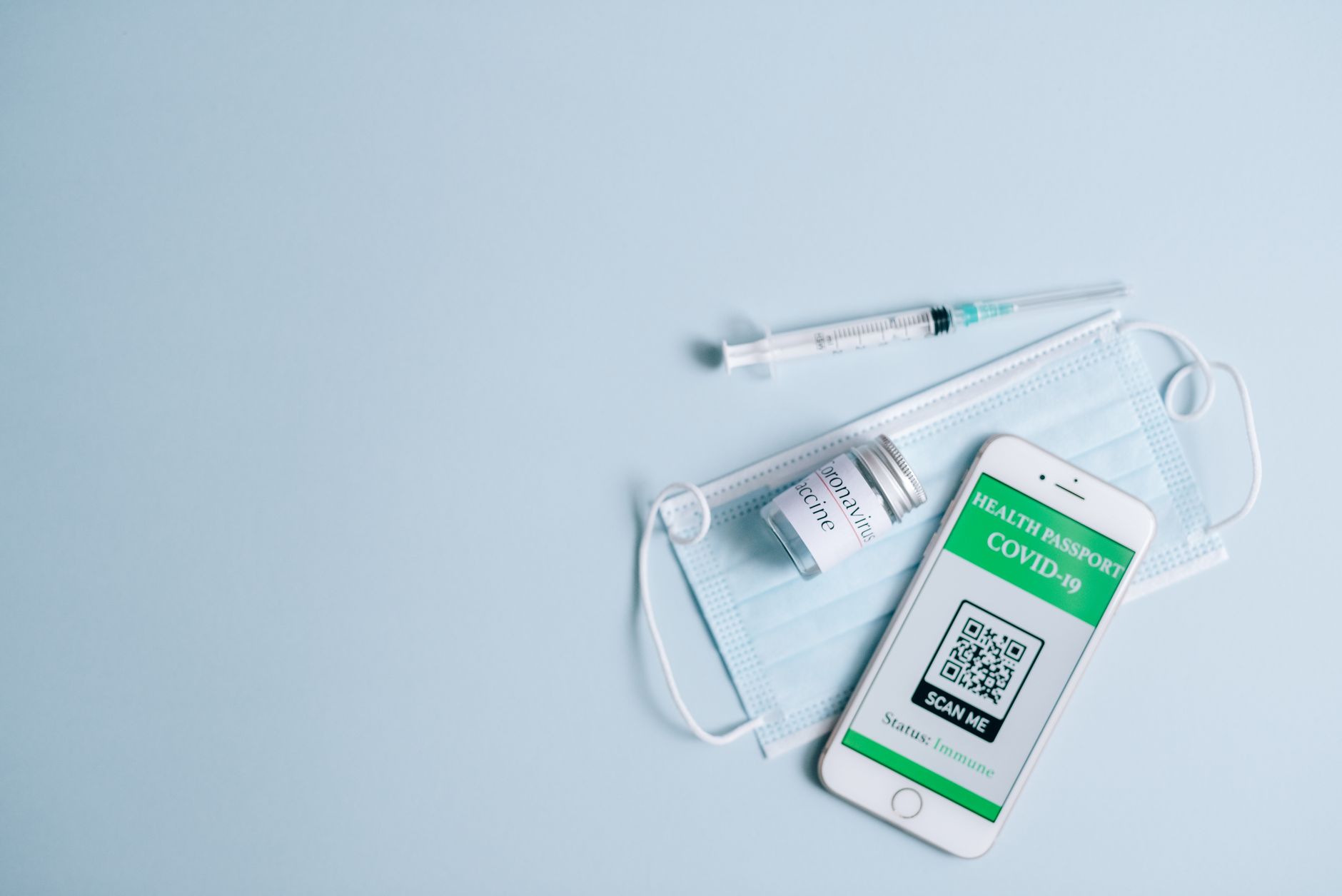
Travelers to China can access affordable, reliable medical care and over-the-counter pharmacy products in nearly all populated areas by carrying their passport, a digital payment method, and a copy of any personal prescriptions. As of November 2026, wait times for non-emergency care at public hospitals are typically shorter than in many Western countries, and most major tourist hubs have clinics with English-speaking staff to support international patients.
This guide is reviewed by HXXC Travel’s on-the-ground operations team based in Jiangmen, Guangdong, as of October 23, 2026, and draws on direct experience supporting more than 12,000 inbound travelers with medical and logistics support since 2018. All policy and pricing details reflect current conditions as of the review date; travelers should re-check prescription customs rules and hospital access requirements in the week before their trip, as policies can shift without formal public notice.
Key facts at a glance
- As of November 2026, there is no mandatory travel insurance requirement for entry to China, though HXXC Travel strongly recommends a policy that covers international medical evacuation.
- A standard general practitioner visit at a public hospital international department costs 100–300 RMB; a private clinic visit for non-urgent care costs 300–800 RMB on average.
- Pharmacies are widely available in urban and suburban areas, with most open from 8am to 10pm; 24-hour pharmacies are marked with a visible green cross sign in most cities.
- Many common over-the-counter medications from Western countries are available in China, but medications containing codeine, ephedrine, or certain controlled substances are banned for personal import without advance approval.
- Emergency medical services can be reached by dialing 120 anywhere in mainland China; operators in major tourist cities often have English-speaking staff on call.
- Most hospitals and pharmacies do not accept foreign travel insurance for direct billing; patients pay out of pocket at the time of service and submit receipts for reimbursement later.

How to see a doctor in China as a traveler
Public hospital options
Public hospitals are the most widely accessible and lowest-cost option for care across China. All tier-3 public hospitals (the highest official rating, found in every prefecture-level city) have dedicated international departments as of 2026, staffed by doctors with basic to fluent English proficiency and trained to treat foreign patients. The process for a walk-in visit is straightforward:
- Bring your physical passport to the hospital registration window; you will be asked to provide a local contact number, which your hotel front desk can share if you do not have a Chinese SIM card.
- Pay the registration fee (100–300 RMB for the international department) to receive a paper patient card and digital queue number.
- Wait for your number to be called; average wait times for non-emergency visits are 15–45 minutes, depending on the hospital and time of day.
- After your consultation, the doctor will write a prescription if needed, which you can fill at the on-site hospital pharmacy immediately after your appointment.
In smaller county-level cities or rural areas, public hospitals rarely have English-speaking staff. If you are traveling outside major hubs with HXXC Travel, your local guide can accompany you to appointments to translate at no extra cost for clients on private tours.
Private clinics and international hospitals
Private international hospitals and clinics are concentrated in first-tier cities (Beijing, Shanghai, Guangzhou, Shenzhen) and popular tourist destinations including Chengdu, Xi’an, Guilin, and Sanya. These facilities have fluent English-speaking staff, direct billing arrangements with many major international insurance providers, and care standards aligned with international medical systems.
Costs are 2–3 times higher than public hospital international departments, with a standard GP visit costing 500–1,200 RMB as of November 2026. Wait times are usually shorter than public hospitals, and most allow advance booking via WeChat mini-programs or English-language phone lines.
What to expect at a Chinese pharmacy
Pharmacies are the fastest option for treating minor ailments including colds, mild allergies, stomach upset, headaches, and small cuts or scrapes, with no appointment or passport required for most over-the-counter purchases.

All licensed pharmacies in China display a green cross sign outside, and are staffed by a licensed pharmacist who can provide basic guidance on over-the-counter products. As of November 2026, most pharmacies in major tourist areas have at least one staff member with basic English proficiency, and many stock common international brands including Panadol, Tylenol, ibuprofen, loratadine, antacids, and topical antiseptics.
You will need a doctor’s prescription to purchase antibiotics, strong pain relievers, sleep medication, or any drug listed as a controlled substance in China. Pharmacists are legally prohibited from selling these items without a valid prescription issued by a Chinese-licensed doctor, so do not ask for these products without first completing a hospital consultation.
Most pharmacies accept Alipay, WeChat Pay, and cash; very few accept international credit cards as of 2026. A typical purchase of cold medicine, pain relievers, and throat lozenges costs 30–80 RMB total.
All cities have a network of 24-hour pharmacies, usually marked with a lit green cross that remains illuminated after regular closing hours. Many 24-hour pharmacies have a night service window where you can ring a bell to be served by an on-call pharmacist after 10pm. If you are staying in a hotel, the front desk can direct you to the nearest 24-hour location, or call a pharmacy on your behalf if you need after-hours supplies.
Rules for bringing personal medication into China
Customs rules for personal medication are strictly enforced at all Chinese ports of entry, as of November 2026. HXXC Travel has supported dozens of travelers who have had unapproved medication seized at entry points including Guangzhou Baiyun International Airport and Shenzhen Bay Checkpoint, so it is critical to review these rules before packing.
To avoid having your medication seized or facing entry delays, follow these verified guidelines:
- Carry all prescription medication in its original, labeled packaging, with a printed copy of your doctor’s prescription that lists your full name, the medication name, dosage, and the condition it treats.
- Do not bring more than a 30-day supply of prescription medication for personal use. Larger quantities require advance approval from the National Medical Products Administration.
- Medications containing codeine, morphine, ephedrine, methaqualone, or cannabis-derived compounds (including CBD) are classified as controlled substances in China. Travelers bringing these medications for personal medical use must apply for an import permit from a Chinese embassy or consulate before arrival; without a permit, these products will be seized and you may face fines or entry denial.
- Common over-the-counter medications including ibuprofen, paracetamol, antihistamines, and antidiarrheal drugs are allowed for personal use in reasonable quantities, with no advance approval needed.
Travelers who require regular injectable medications (including insulin) should carry a printed doctor’s note confirming the medical need for the medication and associated supplies (syringes, glucose testing strips) to avoid issues during security screenings at airports and train stations.
Emergency medical care for travelers
For life-threatening emergencies including serious injury, severe allergic reaction, or sudden acute illness, dial 120 from any phone to reach an ambulance. Ambulance response times in urban areas are typically 10–15 minutes as of November 2026, though response times can be 30 minutes or longer in rural or remote tourist areas. Ambulance fees start at 100–200 RMB for urban transport, with additional charges for distance and on-board care.
Ambulance paramedics in smaller cities may not speak English. If you are traveling with a tour group, contact your guide immediately after dialing emergency services, so they can translate for first responders and coordinate care. For independent travelers, hotel front desk staff can also assist with translation for emergency calls.
As of November 2026, all public hospital emergency departments are open 24/7, and will treat patients regardless of their ability to pay upfront for life-threatening conditions. Non-life-threatening emergency visits (sprains, minor cuts requiring stitches, mild fever) require upfront payment before treatment, at costs ranging from 200–1,000 RMB depending on the care needed.
HXXC Travel recommends purchasing a travel medical insurance policy with a minimum coverage limit of 1,000,000 RMB (approximately 140,000 USD) that includes medical evacuation coverage, especially for travelers planning to visit remote areas such as western Sichuan, Tibet, or the Xinjiang Tianshan mountains. Keep a digital and physical copy of your insurance policy and 24/7 emergency assistance number with you at all times during your trip.
As of November 2026, there are no COVID-19-related testing, vaccination, or quarantine requirements for entry to China, or for accessing medical care at hospitals and clinics across the country.
Practical tips for smooth medical access
- Download the offline Mandarin Chinese translation pack for Google Translate before your trip. The app’s camera translation function can read medicine labels and hospital signs in real time, even without an internet connection.
- Link an international Visa or Mastercard to Alipay or WeChat Pay before arrival, as nearly all hospitals and pharmacies accept these digital payment methods. Cash is accepted everywhere, but digital payment is faster and does not require carrying large amounts of RMB.
- Keep a small card in your wallet with your blood type, known drug allergies, existing medical conditions, and an emergency contact number written in both English and Mandarin. Your HXXC Travel guide can prepare this card for you at the start of your trip if requested.
- If you develop mild symptoms while traveling, ask your hotel front desk or tour guide for a pharmacy recommendation first, rather than traveling to a hospital for minor issues. Pharmacists can provide appropriate over-the-counter treatment for most common travel ailments, at a fraction of the cost and time of a hospital visit.
Frequently asked questions
Do I need travel insurance to visit China in 2026?
As of November 2026, there is no legal requirement to carry travel insurance to enter mainland China. However, HXXC Travel strongly recommends a policy that covers medical treatment, emergency medical evacuation, and trip interruption, as out-of-pocket costs for serious injury or hospitalization can be high for international patients, and direct billing for foreign insurance is rare outside of premium international clinics.
How much does it cost to see a doctor in China as a tourist?
A non-emergency general practitioner visit at a public hospital international department costs 100–300 RMB as of November 2026, not including the cost of diagnostic tests or prescribed medication. Visits to private international clinics cost 500–1,200 RMB for a standard consultation. Emergency department visits for non-life-threatening issues typically cost 200–1,000 RMB before medication or tests.
Can I buy Western medicine in Chinese pharmacies?
Most common over-the-counter Western medications including paracetamol, ibuprofen, loratadine, antacids, antidiarrheal drugs, and topical antiseptics are available at pharmacies in major Chinese cities, often sold under both international and domestic brand names. Prescription medications from your home country may not be available, so travelers with ongoing prescriptions should bring a sufficient supply for their trip, paired with an official doctor’s note.
What medications are banned from bringing into China?
As of November 2026, medications containing codeine, morphine, ephedrine, methaqualone, and all cannabis-derived products (including CBD) are classified as controlled substances. Travelers cannot bring these products into China without an advance import permit issued by a Chinese diplomatic mission. Travelers should also avoid bringing more than a 30-day supply of any personal prescription medication, even for non-controlled substances.
What number do I call for an ambulance in China?
The nationwide emergency medical services number in mainland China is 120. Operators in major tourist cities often have English-speaking staff available, but in smaller cities, you may need a Mandarin speaker (such as your hotel front desk or tour guide) to assist with the call. The general police emergency number is 110, and fire services can be reached at 119.
Do Chinese hospitals and pharmacies accept foreign credit cards?
As of November 2026, most public hospital payment windows and independent pharmacies do not accept foreign Visa or Mastercard credit cards for direct payment. The easiest payment method for travelers is to link an international bank card to Alipay or WeChat Pay, which is accepted at nearly all hospitals and pharmacies across the country. RMB cash is accepted everywhere, but carrying large amounts of cash is not recommended for travel.
Related private tours
- Best Of China — 20-Day Private Tour — 20 days
- Best of China — 19-Day Private Tour — 19 days · From US$2,450
- Grand China Explorer — 15 Days — 15 days · From US$1,500