
The optimal 3-day Guangzhou itinerary balances historic Canton neighborhoods, traditional Cantonese dining, and modern commercial and entertainment districts, with minimal cross-city travel time for first-time international visitors. As of November 2026, this route uses widely available metro, ride-hailing and taxi services, with all listed sights open to foreign visitors without special permits, except where noted. All time-sensitive details including ticket prices, transit rules and opening hours are current as of November 2026; travelers should re-check official sources before departure, as policies may change without notice.
Key facts at a glance
- Guangzhou is the capital of Guangdong province, located in southern China’s Pearl River Delta, 120km northwest of Jiangmen (HXXC Travel’s home base) and 140km south of Hong Kong via high-speed rail.
- As of November 2026, Guangzhou is eligible for China’s 240-hour (10-day) visa-free transit policy for passport holders from 57 eligible countries, when entering via Guangzhou Baiyun International Airport and traveling within the Guangdong province administrative area during the transit window.
- The official currency is the Chinese yuan (CNY); most small food stalls and neighborhood shops only accept local mobile payments or cash, while major hotels, malls and tourist attractions accept international credit cards.
- Guangzhou Metro operates 16 lines covering all core tourist areas as of 2026, with single-ride fares ranging from 2 CNY to 20 CNY depending on distance; foreign visitors can buy a reusable Yang Cheng Tong transit card at any metro station for a 20 CNY deposit.
- Core tourist neighborhoods are clustered in three zones: historic Liwan and Yuexiu districts (old Canton), Tianhe district (modern central business district), and Panyu district (Chimelong resort area).
- The wettest, hottest months are June to August, with average temperatures of 28-33C; the most comfortable travel windows are October to December, with low rain and temperatures of 18-26C.
Day 1: Old Canton heritage and Cantonese food in Liwan and Yuexiu districts
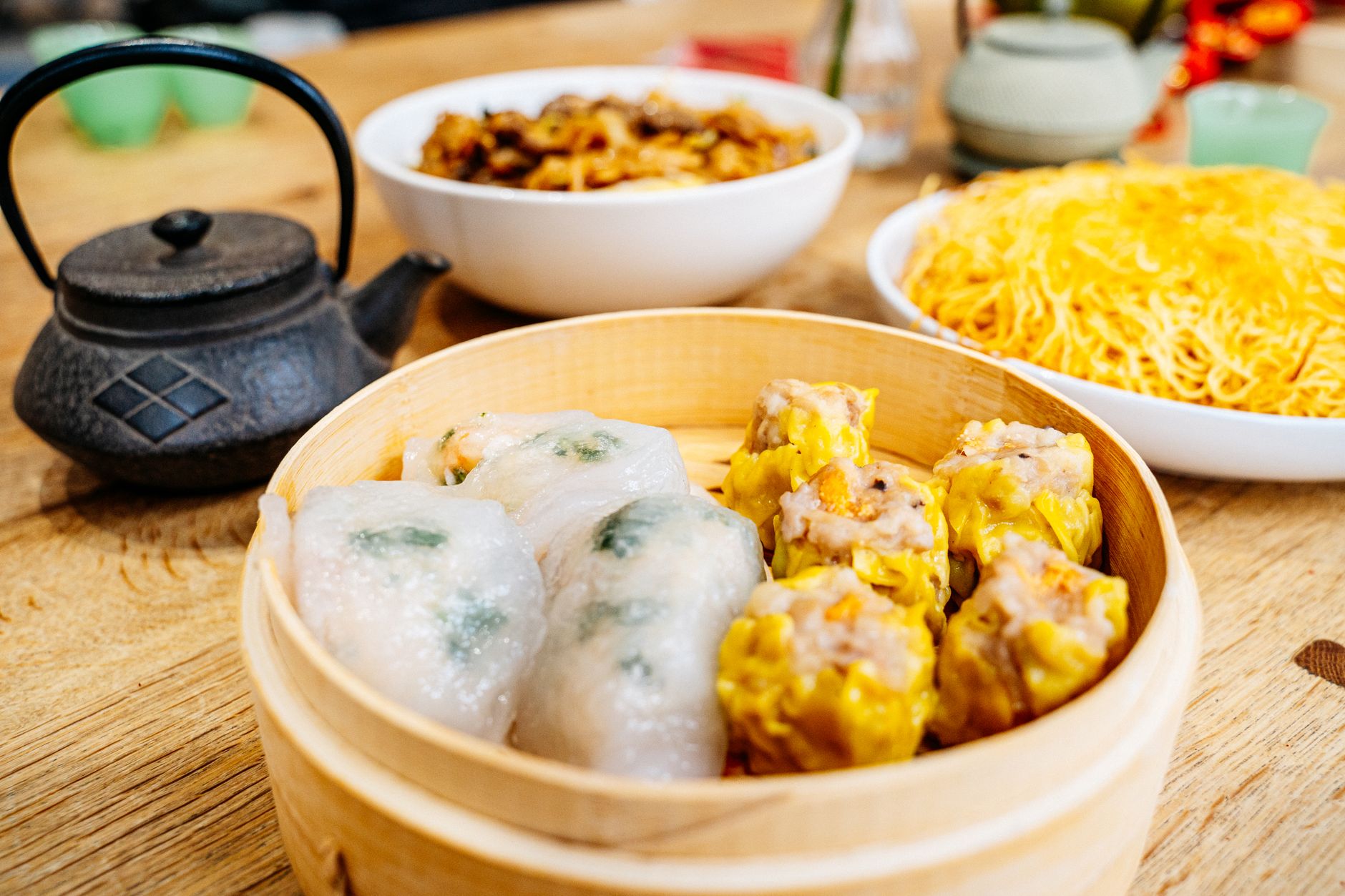
Day 1 covers the oldest core of historic Canton, with all sights located within a 3km radius in Liwan and Yuexiu districts, so travelers can walk or take short taxi rides between stops without long metro commutes. Begin the day at 8am with a traditional Cantonese dim sum breakfast at a neighborhood restaurant; standard dim sum meals cost 60-100 CNY per person, with popular dishes including har gow (shrimp dumplings), siu mai (pork and shrimp dumplings), cheong fun (steamed rice rolls), and char siu bao (barbecue pork buns).
First stop after breakfast is the Chen Clan Ancestral Hall, a 19th-century traditional Guangdong compound housing the Guangdong Folk Art Museum. As of November 2026, entry tickets cost 10 CNY per person, with opening hours 9am to 5:30pm, last entry at 5pm. The hall features intricate wood, brick and stone carvings, ceramic tile friezes, and displays of traditional Canton embroidery, porcelain and paper cutting.
Next, walk 1.2km east to Shangxiajiu Pedestrian Street, a historic commercial road lined with early 20th-century qilou (arcade shophouse) architecture. Stop here for midday snacks: try double skin milk, ginger milk curd, and wonton noodles at long-standing local shops, with most snack portions costing 10-25 CNY each.
From Shangxiajiu, take a 10-minute taxi ride to Shamian Island, the former foreign concession area of Canton from the 19th to early 20th century. The 0.3 square kilometer island is closed to private car traffic, with tree-lined pedestrian paths, restored colonial-era buildings, small public plazas, and views of the Pearl River. Plan to spend 1.5 to 2 hours walking the island, as there are no paid entry fees for public areas.
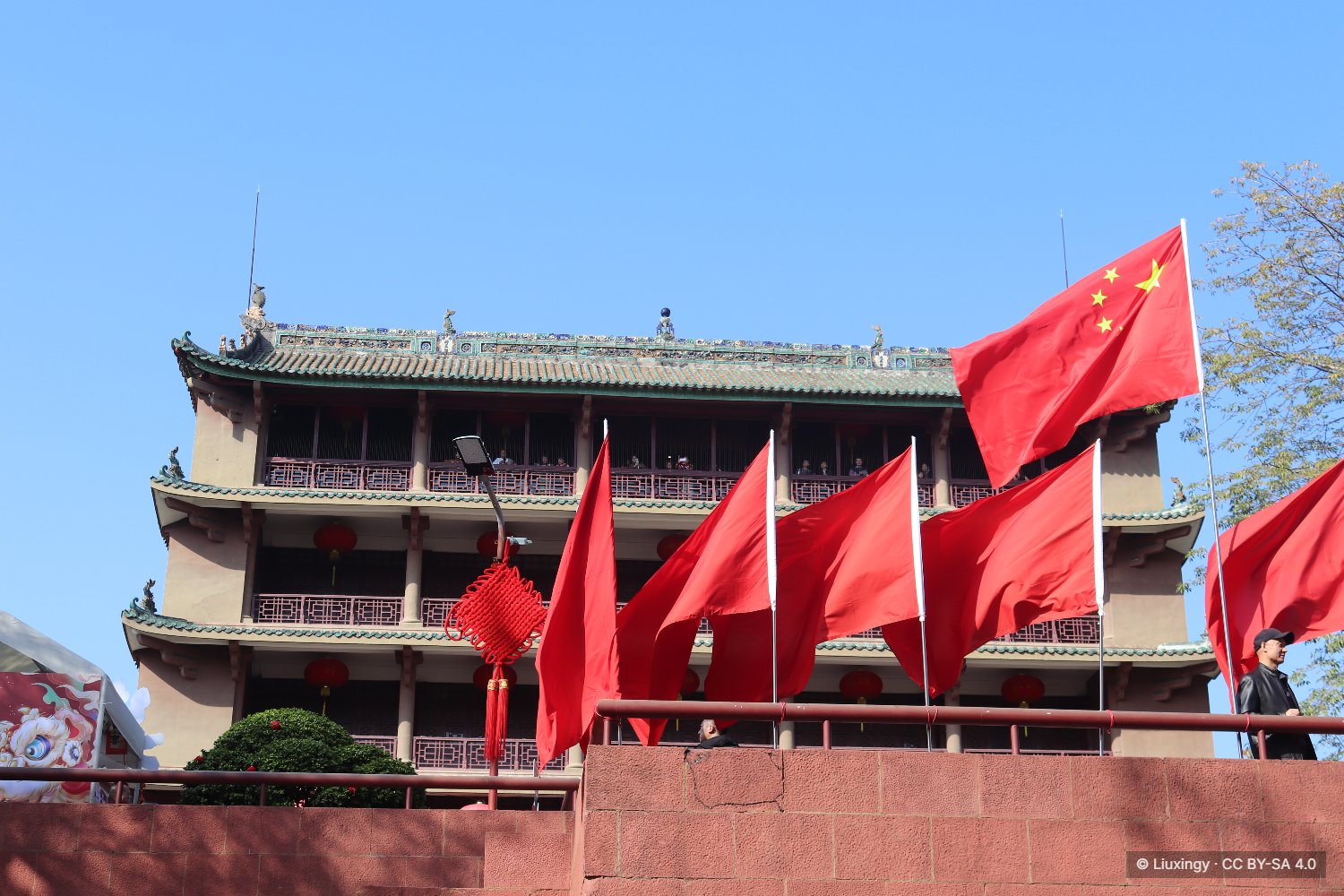
After Shamian, take a 15-minute taxi ride to Beijing Road Pedestrian Street in central Yuexiu district for dinner. The street covers excavated sections of Song and Ming dynasty stone roadways visible under glass panels, with a mix of local food stalls, tea shops, and retail outlets. End the day with a 30-minute Pearl River night cruise departing from the nearby Tianzi Wharf; as of November 2026, standard cruise tickets cost 80-150 CNY per person for a 70-minute trip passing the Canton Tower and illuminated Pearl River bridges.
Day 2: Modern Guangzhou landmarks and Tianhe district
Day 2 covers the modern central business district in Tianhe district, clustered around the Zhujiang New Town metro station, to cut down on travel time. Start the day at 9am at the Canton Tower, the 600m landmark located on the south bank of the Pearl River in Haizhu district, one stop from Zhujiang New Town on Metro Line 3. As of November 2026, standard observation deck tickets cost 150 CNY per person for the 433m indoor deck, with additional fees for the outdoor sky walk and upper observation levels; opening hours are 9:30am to 10:30pm, last entry at 10pm.
From Canton Tower, take one metro stop north to Zhujiang New Town to visit the Guangdong Museum, a free public museum covering Guangdong history, Cantonese cultural heritage, and natural history exhibits. As of November 2026, entry is free with advance online reservation, with opening hours 9am to 5pm, closed Mondays. Allow 2 to 2.5 hours for the core exhibits, including displays of historic Canton Trade era artifacts, traditional Cantonese opera costumes, and local mineral and fossil specimens.
After the museum, walk through Zhujiang New Town’s central pedestrian axis to Huacheng Square, the large public plaza lined with glass skyscrapers, including the 530m Guangzhou CTF Finance Centre. The square connects directly to the Guangzhou Library and Guangdong Museum of Art, both of which offer free entry with advance reservation for visitors interested in longer stops. For lunch, head to the underground mall connected to Zhujiang New Town metro station, which serves a range of Cantonese roast meat rice plates, noodle dishes, and international options for 30-60 CNY per meal.
In the afternoon, travelers can choose between two options based on interest: visit the Taikoo Hui luxury shopping mall and adjacent Tee Mall for retail, or take a 20-minute metro ride to the Canton Fair Complex in Haizhu district to see the site of the world’s largest trade fair, which has run in Guangzhou since 1957. For dinner, try Cantonese hot pot or roast goose at a restaurant in the Zhujiang New Town area, with typical meal costs of 100-180 CNY per person. End the day with a view of the Canton Tower light show, which runs every hour on the hour from 7pm to 10pm, visible from Huacheng Square with no entry fee.
Day 3: Family-friendly entertainment and local life in Panyu district
Day 3 is based in Panyu district, 30 minutes south of the central city via Metro Line 3, for travelers who want to visit Chimelong, Guangzhou’s largest resort and entertainment complex. As of November 2026, Chimelong operates multiple separate attractions: Chimelong Safari Park, Chimelong Paradise amusement park, Chimelong Water Park, and Chimelong Birds Park. Single-park entry tickets range from 250-380 CNY per person depending on the park and season, with multi-park passes available for visitors planning to spend more than one day at the resort. Most travelers spend 6 to 8 hours at a single Chimelong park, with on-site restaurants serving both local Cantonese and international food options for 50-100 CNY per meal.

Travelers who prefer a lower-key local experience instead of the resort can substitute the Chimelong visit with a trip to Shawan Ancient Town, an 800-year-old historic Lingnan water town in Panyu district, 20 minutes by taxi from the Chimelong metro station. Shawan features traditional Cantonese village architecture, ancestral halls, and local snack shops specializing in ginger milk curd and shrimp crackers, with free entry to most public areas of the town and paid entry to small historic halls for 10-20 CNY per person.
For travelers departing Guangzhou after day 3, note that Guangzhou South Railway Station, the city’s main high-speed rail hub, is located in Panyu district, 15 minutes by metro from the Chimelong area, with direct high-speed services to Hong Kong West Kowloon (47 minutes), Shenzhen (30 minutes), Guilin (2.5 hours), and Jiangmen (45 minutes). Guangzhou Baiyun International Airport is 45 minutes from Panyu via Metro Line 3, or 30 minutes by taxi in light traffic.
Practical transport and planning tips
HXXC Travel’s local Guangdong-based guides recommend grouping sights by district to avoid Guangzhou’s peak hour traffic, which typically runs 7:30-9:30am and 5:30-7:30pm on weekdays. During these windows, metro travel is faster than taxi or ride-hailing, as roads in the central city often see average speeds of less than 20km/h.
As of November 2026, ride-hailing apps including DiDi accept international credit cards for foreign visitors who register with their passport number; typical ride fares within the central city range from 15-40 CNY per trip, while trips from the central city to Panyu district cost 60-90 CNY. Taxis are widely available across the city, with a starting fare of 12 CNY for the first 2.5km, and 2.6 CNY per additional kilometer.
Most tourist attractions in Guangzhou do not require advance booking beyond free entry sites like the Guangdong Museum, though visitors traveling during Chinese public holidays (including the first week of May, first week of October, and Spring Festival) should book tickets for Chimelong and the Canton Tower 3-5 days in advance to avoid sold-out slots.
For food, travelers do not need to seek out high-end restaurants to try authentic Cantonese food; most neighborhood restaurants with large crowds of local diners serve consistent, high-quality dishes at lower prices than tourist-focused restaurants near major landmarks. Common dishes to try across the city include white cut chicken, braised pork belly with preserved vegetables, claypot rice, and congee with youtiao (fried dough sticks).
Frequently asked questions
How long can I stay in China visa-free when transiting through Guangzhou?
As of November 2026, eligible passport holders from 54 specified countries can stay for up to 240 hours (10 days) within Guangdong province when transiting through Guangzhou Baiyun International Airport, provided they hold a valid onward travel ticket to a third country or region outside mainland China with a confirmed departure date within the 240-hour window. Travelers using this policy do not need to apply for a Chinese visa in advance, but must declare their transit eligibility at immigration on arrival. Re-check the latest National Immigration Administration policy before travel, as eligible country lists and stay durations may be updated.
Is 3 days enough time to visit Guangzhou?
Three days is enough time to see core historic Canton sights, modern Zhujiang New Town landmarks, and either the Chimelong resort area or a historic Lingnan town in Panyu, without rushed daily schedules. Travelers who want to take multi-day day trips to nearby Kaiping diaolou, Zhaoqing, or Jiangmen (HXXC Travel’s home base) should add 2-3 additional days to their itinerary.
Do people in Guangzhou speak English?
Staff at major international hotels, top tourist attractions, and large shopping malls typically speak basic English, but most taxi drivers, small restaurant owners, and neighborhood shop staff speak only Cantonese or Mandarin. Downloading an offline translation app with Cantonese and Mandarin support is recommended for easier navigation in non-tourist areas.
Related private tours
- Guangzhou Heritage & Wildlife — Lingnan Culture Meets Chimelong Safari — 5 days
- 25-Day China Cross-Country Travel Itinerary — 25 days
- Best of China — 19-Day Private Tour — 19 days · From US$2,450