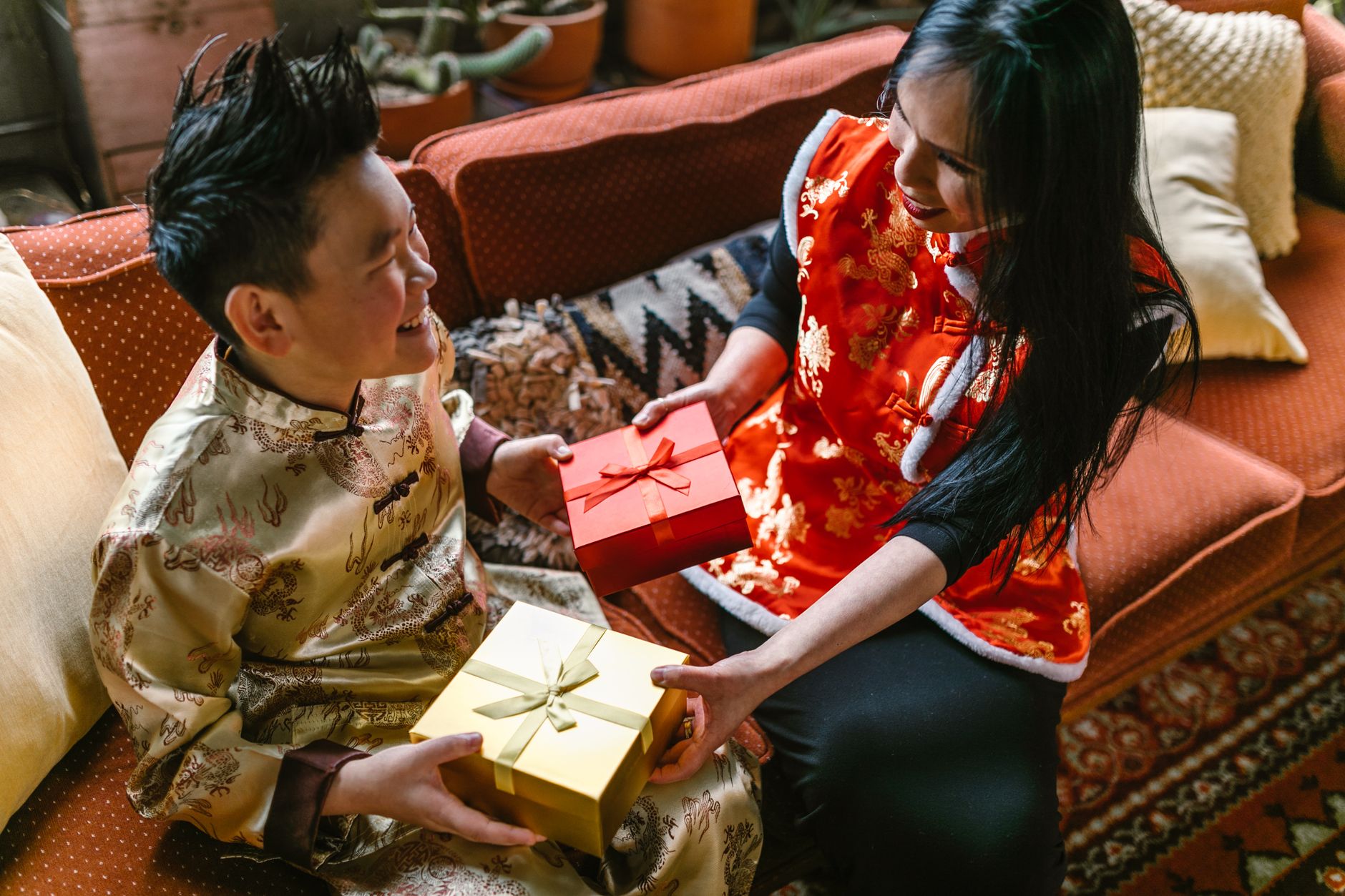
When giving gifts in China, present and receive items with both hands, avoid clocks and sharp objects, and expect your gift to be politely declined a few times before acceptance. Understanding these basic rules of Chinese gift giving etiquette shows respect to your hosts.
The Core Rules of Gift Giving in China
Gift giving in China is deeply tied to the concept of guanxi (relationships) and mianzi (face). A gift is not just a physical item; it is a tool to build and maintain relationships. When you present a gift, you are showing respect and appreciation. Because of this, the act of giving is just as important as the gift itself.
One of the most important rules is the presentation. You should always offer and receive gifts with both hands. Using one hand, particularly the left hand, can be seen as dismissive or rude. When you hand over a gift, a slight nod or bow shows added respect.
You will also encounter the refusal ritual. When you offer a gift, a Chinese host will likely decline it the first time. They might decline it a second and even a third time. This is not a rejection of you or your gift. It is a cultural norm where accepting something too quickly is seen as greedy or materialistic. You should politely insist and offer the gift again. By the second or third attempt, they will typically accept it with gratitude.
Appropriate Gifts for Different Occasions
Selecting the right gift depends heavily on your relationship with the recipient. What works for a business partner might not suit a friend's parents.
Gifts for Personal Hosts
If you are visiting a Chinese family or staying with friends, bringing a small gift from your home country is highly appreciated. Specialty foods, local candies, or a bottle of wine from your region are excellent choices. High-quality fruit baskets are also a safe and welcome gift for personal hosts. If you know the host enjoys drinking, a bottle of good quality baijiu (Chinese white liquor) or imported whisky is well received.
Gifts for Business Partners
Business gift giving requires a bit more formality. High-quality pens, branded notebooks, or office accessories from your home country are standard choices. If you are bringing items with your company logo, ensure they are of high quality. A cheap promotional item can cause a loss of face for both parties. Premium tea, such as Longjing or Tieguanyin, packaged in an elegant box, is a reliable choice for business partners across China.
The Taboos: What Gifts to Avoid in China
Avoiding certain items is arguably more important than choosing the right ones. Chinese culture is rich with homophones, where words sound similar to others with very different meanings, leading to strict gift giving taboos.
Objects to Avoid
Never give a clock as a gift. The phrase for giving a clock in Mandarin (song zhong) sounds identical to the phrase for attending a funeral or seeing someone off to the end of their life. It is considered a terrible omen.
Sharp objects like knives, scissors, or letter openers are also forbidden. They symbolize the cutting of a relationship. Giving a green hat to a man is a major taboo, as the phrase for wearing a green hat (dai lü maozi) is slang for a man whose wife is unfaithful.
Shoes are another item to avoid. The word for shoes (xie) sounds like the word for evil or bad luck, and giving shoes implies you want to walk away from the relationship. Handkerchiefs are also inappropriate as they are associated with funerals and wiping away tears of sorrow.
Numbers and Colors
The number four (si) sounds like the word for death, so never give gifts in sets of four. Instead, favor the number eight (ba), which sounds like the word for wealth and prosperity. Giving items in pairs or in sets of eight is considered highly auspicious.
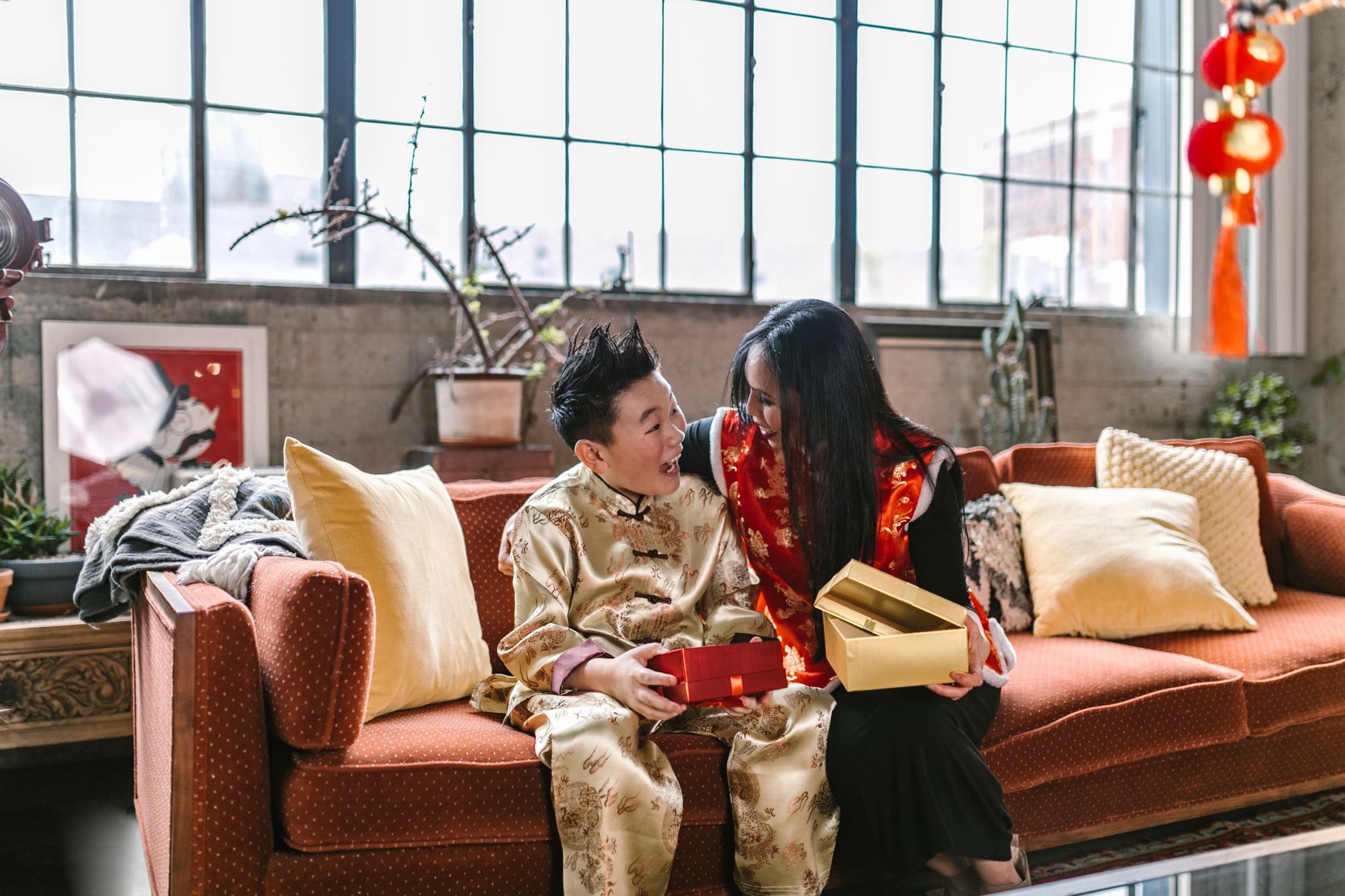
Color matters just as much. When wrapping a gift, always use red, gold, or yellow paper. These colors represent luck, wealth, and prosperity. Avoid white and black wrapping paper entirely, as these are the traditional colors of mourning and funerals.
Wrapping and Presentation Guidelines
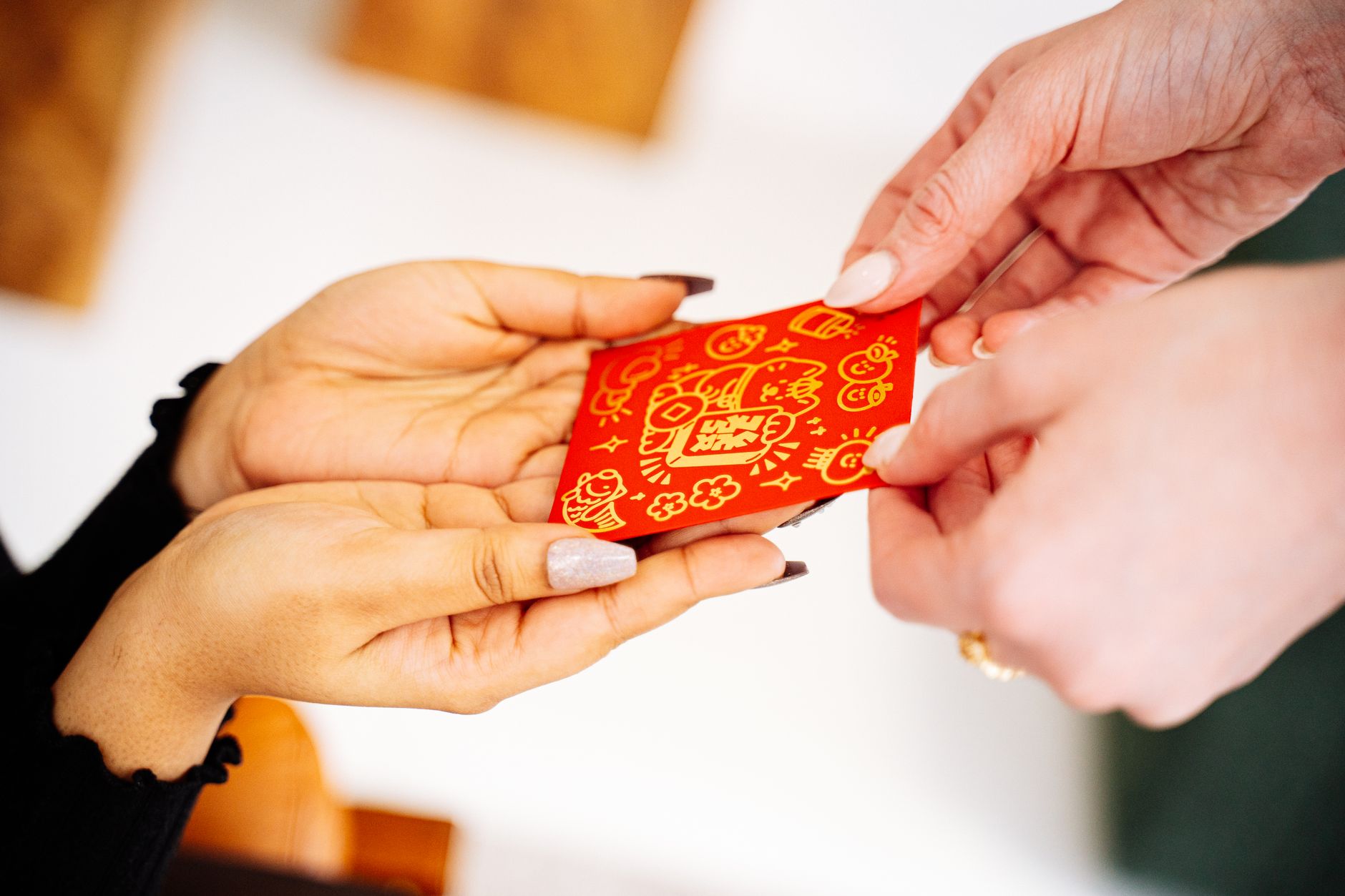
Beyond avoiding black and white, the presentation of the gift should be neat and formal. Red envelopes (hongbao) are the standard for monetary gifts, such as at weddings, birthdays, or Chinese New Year. If you are giving a physical gift, a sturdy gift bag or wrapped box is expected.
Always remove the price tag before giving a gift. Leaving the price on implies that you are boasting about how much money you spent, or conversely, it might make the recipient feel inadequate if the amount was too low. If the gift is expensive, it is polite to downplay the cost, telling the recipient it is just a small token of your appreciation.
Practical Tips for Travelers
If you are an international traveler flying into China, you might worry about packing gifts or buying them on arrival. As of November 2026, China customs allows inbound travelers to bring a reasonable quantity of personal items and gifts for personal use, typically valued under 5,000 RMB for duty-free allowance, though exact exemptions can depend on your nationality and entry point. You should re-check the latest customs regulations on the China Customs website before your flight.
A practical price range for a personal gift is between 100 and 300 RMB, while a business gift might range from 300 to 800 RMB. If you forget to pack something, do not worry. HXXC Travel, based in Jiangmen, Guangdong, often assists clients in selecting local specialties upon arrival. In Guangdong, high-quality dried seafood, local teas like Fenghuang Dancong, or premium mooncakes during the Mid-Autumn Festival make excellent last-minute gifts that carry regional significance.
How to Present and Receive Gifts
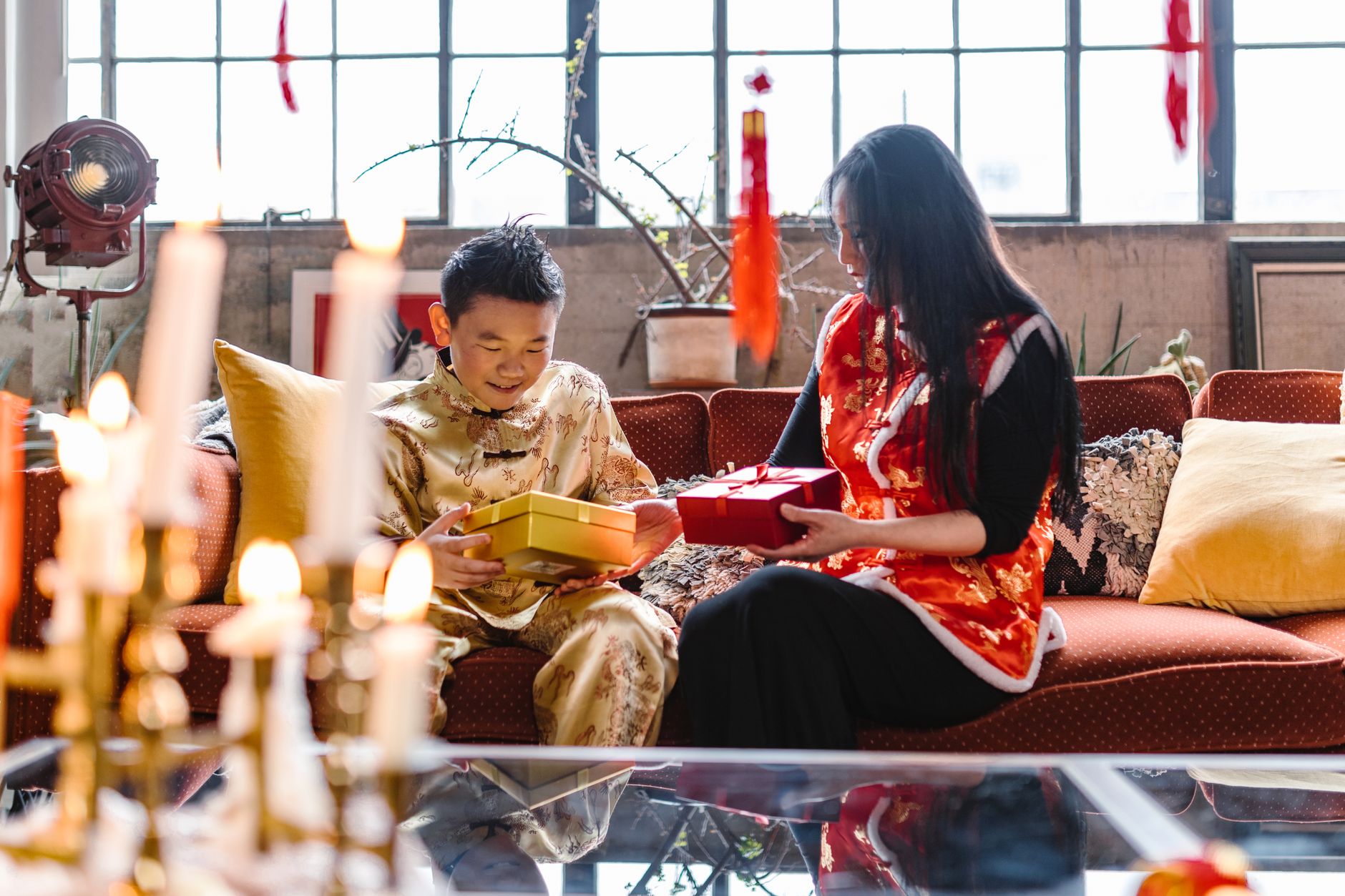
When you hand over your gift, do not expect it to be opened immediately. In Western cultures, opening a gift in front of the giver is a sign of excitement and gratitude. In China, gifts are usually set aside and opened later, after the guests have left. This tradition prevents any public display of disappointment or excessive excitement, and it saves the recipient from losing face if the gift is modest.
When you are the recipient of a gift, follow the same protocol. Accept the gift with both hands, express your thanks, and set it aside. Do not open it unless the giver explicitly insists you do so.
Reciprocation is a key element of Chinese gift culture. If someone gives you a gift, you are expected to return the favor at some point in the future. It does not need to be immediate, and it does not need to be of exactly equal value, but the act of giving back maintains the balance of the relationship.
Frequently Asked Questions
Is it rude to open a gift immediately in China?
Yes, it is generally considered impolite to open a gift in front of the giver. The recipient will usually set the gift aside and open it in private later. This avoids any potential loss of face if the gift is not what they expected or if it is modestly priced. Always wait to open a gift given to you until you are alone or until the giver insists.
Can I give alcohol as a gift in China?
Yes, alcohol is an excellent gift. Imported wines and whiskies are highly appreciated, especially by male hosts or business partners. If you know the recipient enjoys Chinese liquor, a premium bottle of baijiu, such as Moutai or Wuliangye, is a prestigious gift. Always present the bottle in its original box.
What should I bring to a Chinese dinner party?
For a standard dinner party, bringing fresh fruit in an elegant basket, a box of premium tea, or a specialty food item from your home country is appropriate. If you are visiting a family with young children, bringing some imported snacks or a small toy for the child is a thoughtful gesture. Avoid bringing overly expensive items for a casual dinner, as it can make the host feel pressured to reciprocate at a high level.
Are red envelopes only for Chinese New Year?
No, red envelopes (hongbao) are used for many occasions beyond Chinese New Year. They are expected at Chinese weddings, where guests give cash to the newlyweds. They are also given for birthdays, the birth of a baby, and to elders during the Spring Festival. If you are invited to a Chinese wedding, ask a local or your tour operator, such as HXXC Travel, for the appropriate amount to give, as the standard varies by city and your relationship to the couple.
What happens if I accidentally give a taboo gift?
If you realize you have given a taboo gift, such as a clock or a sharp object, apologize immediately and explain that you were unaware of the cultural meaning. Most Chinese people understand that foreigners may not know all the local taboos and will appreciate your quick correction and willingness to learn. Replace the gift with a safe alternative, like fruit or tea, as soon as possible.
Popular China tours
- 25-Day China Cross-Country Travel Itinerary — 25 days
- Best Of China — 20-Day Private Tour — 20 days
- Best Of China — 16-Day Private Tour — 16 days