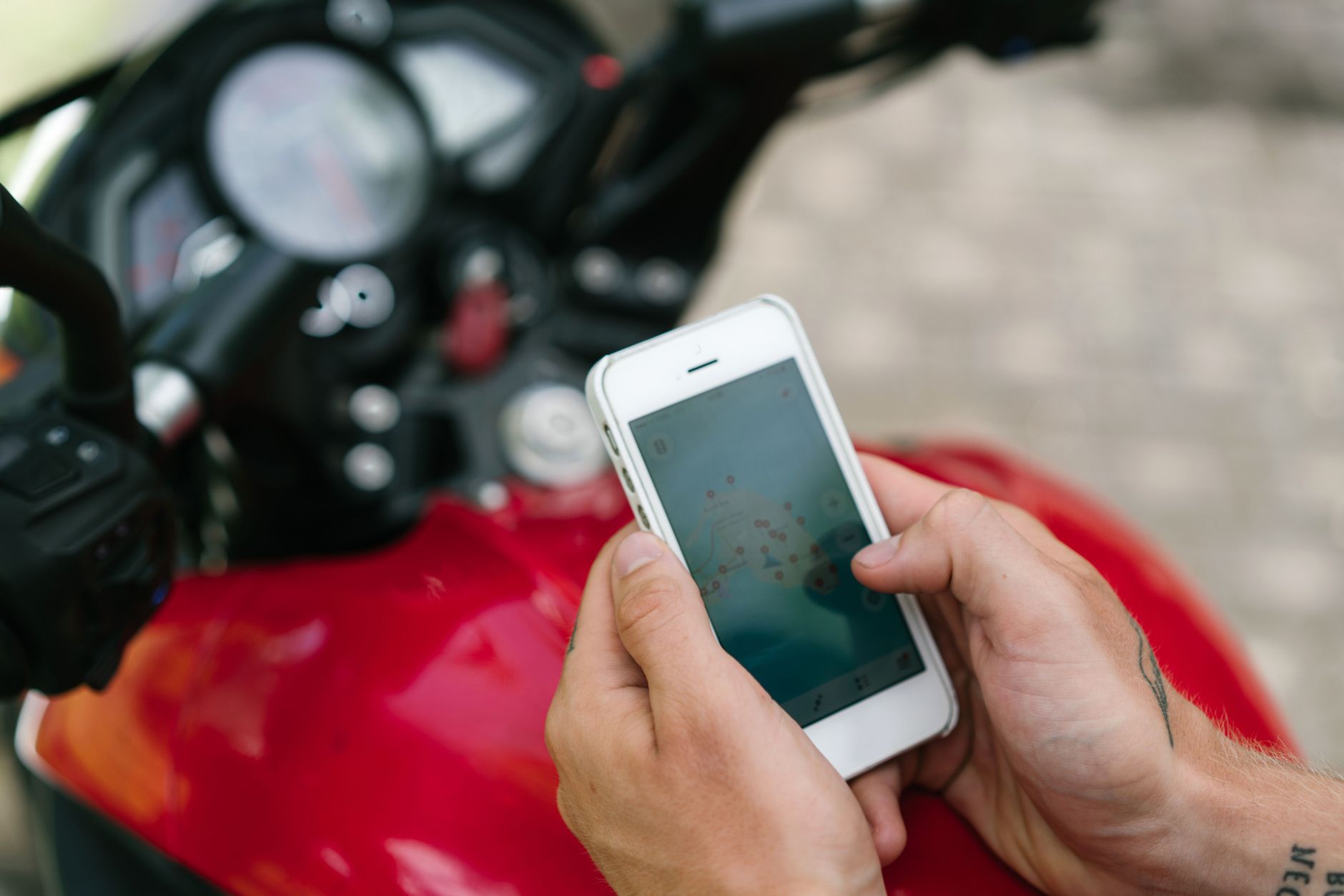
Quick Overview of Getting Around Chinese Cities
The three best ways to get around Chinese cities are the metro (fast, low-cost for cross-city trips), DiDi ride-hailing (door-to-door convenience), and shared bikes (affordable last-mile travel). As of November 2026, all three are available in every tier-1 and tier-2 Chinese city, and most accept international payment methods.
HXXC Travel’s on-the-ground advisors in Jiangmen, Guangdong, regularly update these guidance notes based on traveler feedback and local policy changes. This guide covers exact fare ranges, step-by-step payment instructions, and common pitfalls to avoid for first-time visitors.
1. Metro: The Backbone of Urban Transit
Coverage and Operating Hours
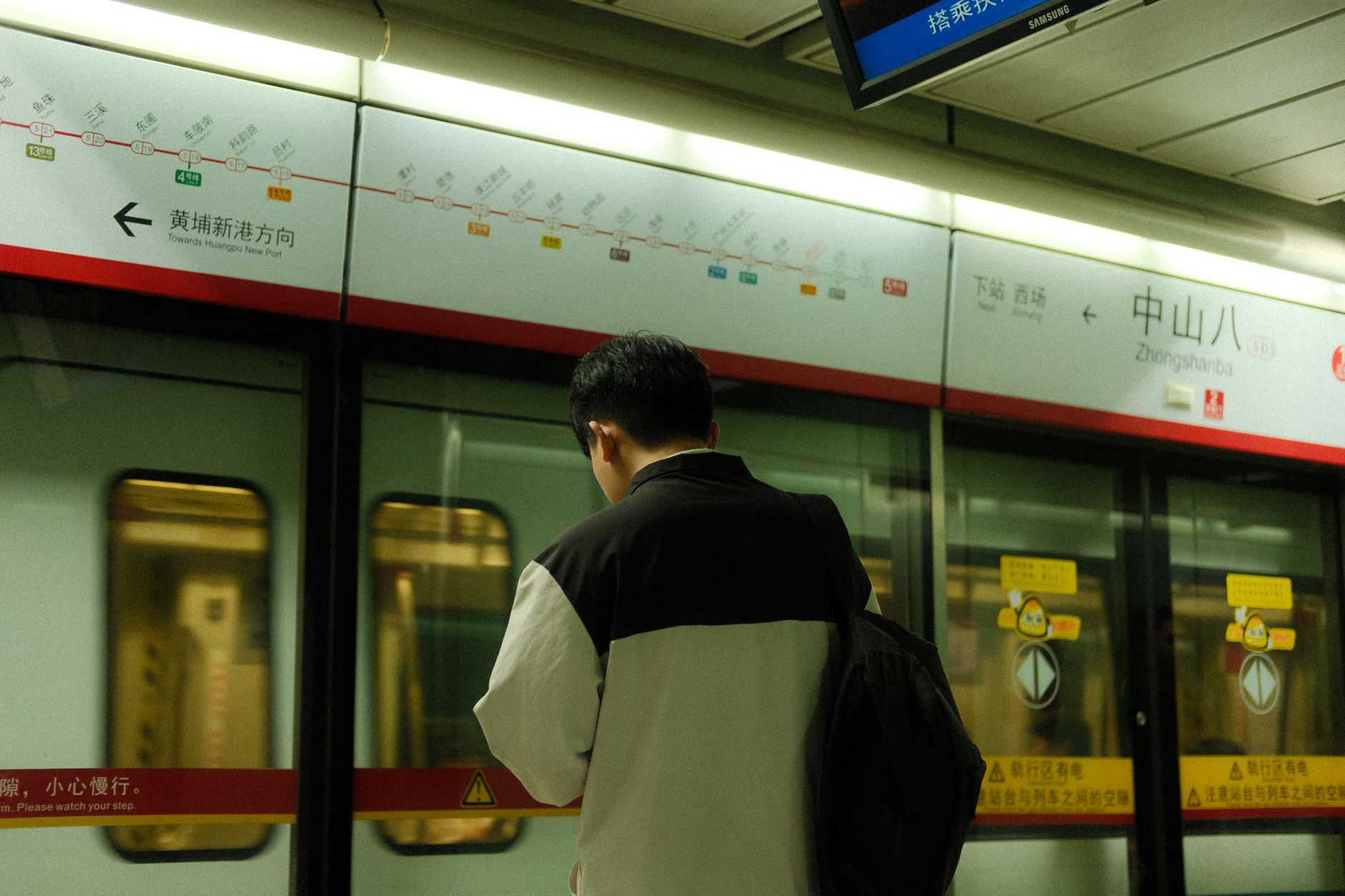
As of November 2026, 55 Chinese cities have operational metro systems, with the largest networks in Shanghai (over 800km of track), Beijing (over 780km), Guangzhou (over 650km), and Shenzhen (over 550km). Even mid-sized cities like Xiamen, Suzhou, and Wuxi have multi-line networks covering most tourist areas.
Operating hours typically run from 6:00–6:30 AM to 10:30–11:30 PM, with extended hours on weekends and public holidays in major cities. Last train times vary by line and station, so check the official metro app or station signs if traveling late.
Fares and Payment Methods
Metro fares are distance-based, ranging from 2 yuan (≈US$0.28) for a short 2-station trip to 10–15 yuan (≈US$1.40–2.10) for a cross-city ride of 20+ stations.
As of November 2026, payment options for international travelers include:
- Single-journey paper tickets: purchased from self-service machines (most have English language options) using cash or WeChat Pay/Alipay linked to international cards
- Transit QR codes: available via official metro apps (e.g., Shanghai Metro, Guangzhou Metro) or through WeChat/Alipay’s transit code features, which can be linked to foreign Visa, Mastercard, or JCB cards
- Transport cards: stored-value cards like the Beijing Yikatong or Shanghai Public Transport Card, which can be bought at station service counters and used on metro, buses, and even some ferries. A 20-yuan deposit is typically required, refundable when you leave.
Note: Some smaller cities may not yet support international bank cards on their QR code systems, so carrying a small amount of cash for single tickets is a safe backup.
Etiquette and Practical Tips
A few simple rules will make metro travel smoother:
- Stand on the right side of escalators, walk on the left
- Let passengers exit before boarding trains
- Eating and drinking are banned on metro systems in most cities, including water in some cases
- Peak hours are 7:30–9:30 AM and 5:30–7:30 PM on weekdays, when trains can be very crowded
- Most metro stations have English signs and announcements, but saving your destination in Chinese characters (on your phone) helps if you need to ask staff for help
2. DiDi: Door-to-Door Ride-Hailing
DiDi is China’s largest ride-hailing platform, with service in over 400 cities. It works similarly to Uber, and as of November 2026, the DiDi app has a full English interface and supports international credit cards, making it easy for foreign travelers to use.
How to Use DiDi as a Foreign Traveler
To get started, download the DiDi app (available on iOS and Android app stores internationally) and register with your phone number. You can add a Visa, Mastercard, or American Express card for payment, or use cash on some ride types.
When booking:
- Enter your pickup and drop-off locations. The app uses GPS, but double-check the pickup point, especially at large attractions or hotels with multiple entrances.
- Choose your ride type: DiDi Express (the cheapest, regular cars), DiDi Premier (higher-end vehicles), or DiDi Taxi (traditional metered taxis booked through the app).
- The app shows the estimated fare upfront for most ride types, so you know the cost before you book. Surge pricing applies during peak hours or bad weather, but it is clearly marked.
Fare Ranges and Tips
DiDi fares are lower than taxi fares in most cities. A 5km trip typically costs 12–20 yuan (≈US$1.70–2.80), while a 15km cross-city ride costs 40–60 yuan (≈US$5.60–8.40).
A few tips for first-time users:
- If your driver calls you, you can use the app’s built-in translation feature to communicate, or show your destination to a nearby staff member to help the driver.
- Avoid booking DiDi at rush hour in city centers, as wait times can be 15–20 minutes and surge pricing may double the fare.
- Traditional street-hailed taxis are still available in most cities, but they often do not accept international cards and may not speak English, so DiDi is usually more reliable for foreign visitors.
HXXC Travel’s advisors note that in smaller cities like Jiangmen, DiDi service is reliable but less frequent than in Guangzhou or Shenzhen, so booking 5–10 minutes in advance is a good idea if you have a tight schedule.
3. Shared Bikes: Perfect for Short Trips and Last Mile
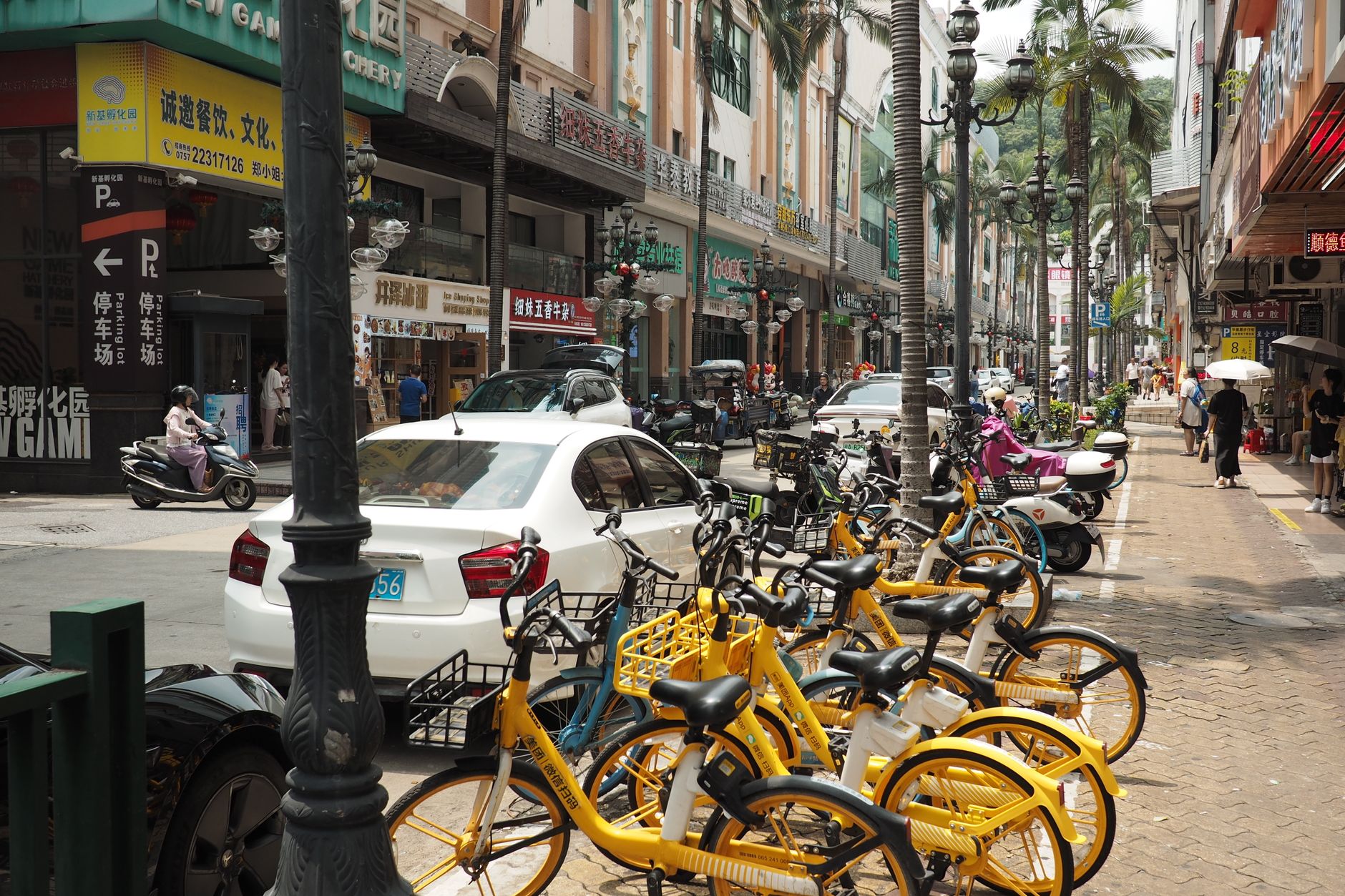
Shared bikes are everywhere in Chinese cities, parked on sidewalks and near metro exits. They are ideal for short trips of 1–3km, such as going from a metro station to a tourist attraction, or exploring a neighborhood at your own pace. As of November 2026, the two main operators are Meituan Bike (formerly Mobike) and Hello Bike, both of which support international payment methods.
How to Rent a Shared Bike
You do not need to download a separate app for most shared bikes. You can scan the QR code on the bike using WeChat or Alipay, which will open the rental page directly.
As of November 2026, payment options include:
- Pay-per-ride: usually 1.5–2 yuan (≈US$0.21–0.28) per 30 minutes
- Daily passes: 5–10 yuan (≈US$0.70–1.40) for unlimited 30-minute rides in a 24-hour period
- Monthly passes: available but not practical for most short-term travelers
A small deposit may be required for some operators, but it is refundable within 1–3 working days. Most major cities have waived deposits for users with good credit scores on WeChat or Alipay, but this may not apply to international users.
Rules and Etiquette
Shared bikes have a few simple rules to follow:
- Park in designated bike parking areas, usually marked with white lines on sidewalks. Do not park in front of building entrances, on crosswalks, or in the middle of the sidewalk.
- Do not ride on sidewalks in most cities – use the dedicated bike lanes, which are present on most major roads.
- Wear a helmet if you have one; while helmet laws vary by city, they are recommended for safety.
- Check the bike before you ride: make sure the brakes work and the tires are properly inflated. If the bike is broken, lock it and report it in the app to avoid being charged.
Combining Transport Modes for Efficient Travel
The best way to get around most Chinese cities is to combine all three modes:
- Take the metro for long cross-city trips to avoid traffic jams
- Use DiDi for trips with luggage, for groups, or when going to areas not covered by the metro
- Use shared bikes for the last mile from the metro station to your destination, or for exploring compact neighborhoods like Beijing’s hutongs or Shanghai’s Former French Concession
HXXC Travel’s custom itineraries often include suggested transport combinations for each day, so you can spend less time planning and more time enjoying your trip. Our local advisors can also help you set up payment apps before you arrive, so you are ready to go as soon as you land.
References & Updates
This guide is reviewed and updated monthly by HXXC Travel’s on-the-ground team in Jiangmen, Guangdong, to ensure all details are accurate. The current version was last updated on October 23, 2026.
Time-sensitive details (including fare prices, payment options, and operating hours) are marked with "as of November 2026". These can change without notice, so we recommend re-checking official sources or contacting your HXXC Travel advisor 1–2 weeks before your trip for the latest information.
FAQ
Can I use cash to pay for metro and DiDi in China?
As of November 2026, cash is accepted for single-journey metro tickets at all stations, and some DiDi ride types allow cash payment. However, mobile payment via WeChat Pay or Alipay (linked to international cards) is much more convenient and widely accepted across all transport modes. Carrying a small amount of cash (100–200 yuan) is a good backup for smaller cities or emergency situations.
Do I need a Chinese phone number to use DiDi?
No, you can register for DiDi with an international phone number. The app will send a verification code via SMS to your number, and you can add an international credit card for payment. The full English interface is available for all users registered with international numbers.
Are shared bikes safe for foreign travelers?
Shared bikes are generally safe to use, as long as you follow local traffic rules. Most major roads have dedicated bike lanes separated from car traffic. Always check the bike’s brakes and tires before riding, and avoid riding during heavy rain or at night if you are unfamiliar with the area.
How do I pay for public transport without WeChat Pay or Alipay?
If you do not have WeChat Pay or Alipay set up, you can buy single-journey metro tickets with cash or a credit card at self-service machines in most major cities. For DiDi, you can add an international credit card directly to the app. For shared bikes, some operators support direct credit card payment via their own apps, but this is less common. HXXC Travel can help you set up WeChat Pay with an international card before your trip for a smoother experience.
Related private tours
- Best Of China — 20-Day Private Tour — 20 days
- Six Cities, One China — 15-Day Family Circuit — 15 days
- Best of China — 19-Day Private Tour — 19 days · From US$2,450