Key Basics for Communicating Food Allergies in China
To communicate food allergies in China safely, use a printed Chinese allergen card, offline translation apps, and confirm no cross-contamination before ordering. As of November 2026, most mid-to-high-end restaurants in major cities can accommodate common allergies, but always verify directly with staff. Restaurant practices can change, so double-check details closer to your travel date.
Many first-time travelers are surprised by how different Chinese kitchen practices are from Western countries. Allergens like soy, wheat, and peanuts are used in far more dishes than you might expect, and cross-contamination is common in smaller venues where staff may not understand allergy severity. Language barriers can make it hard to explain complex restrictions, so preparation before your trip is the best way to avoid reactions.
Common Allergens in Chinese Cuisine
The most common allergens to watch for in Chinese cooking include:
- Soy: Found in soy sauce, oyster sauce, fermented bean curd, spicy bean paste (doubanjiang), and many broths and marinades. Most soy sauce in China also contains wheat.
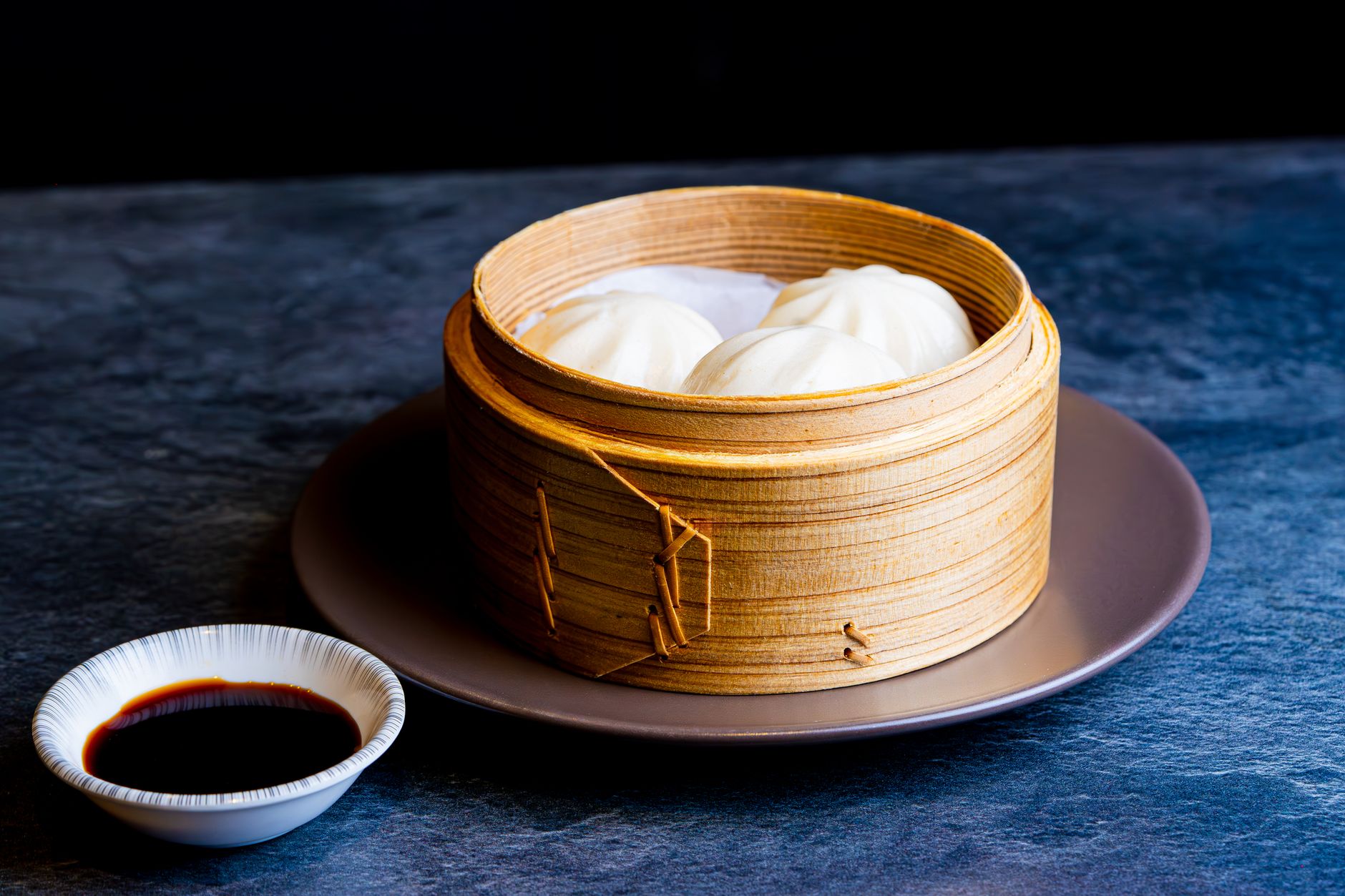
- Wheat: Used in noodles, dumpling wrappers, steamed buns (baozi), fried dough (youtiao), and many pre-packaged snacks.
- Peanuts: Used in peanut oil for stir-frying, crushed peanuts on cold appetizers, kung pao chicken, peanut brittle, and many dipping sauces.
- Tree nuts: Less common than peanuts, but often used in desserts, pastries, and some regional dishes from Xinjiang and Yunnan.
- Shellfish: Used in oyster sauce, shrimp paste, dried scallops (yaozhu) in soups, and most dim sum and Cantonese seafood dishes.
- Sesame: Used in sesame oil, sesame paste (zhimajiang) for cold noodles and hot pot dips, and many sweet and savory dishes.
- Eggs: Used in fried rice, egg drop soup, steamed egg custard, and many noodle and dumpling dishes.
- Dairy: Rare in traditional Chinese cuisine, but increasingly common in Western-style cafes, baked goods, and bubble tea.
Why Communication Trumps Labeling
Unlike many Western countries, China does not require restaurants to display allergen information on menus. Most small, family-run restaurants have no formal allergy policies, and staff may not be trained to recognize cross-contamination risks.
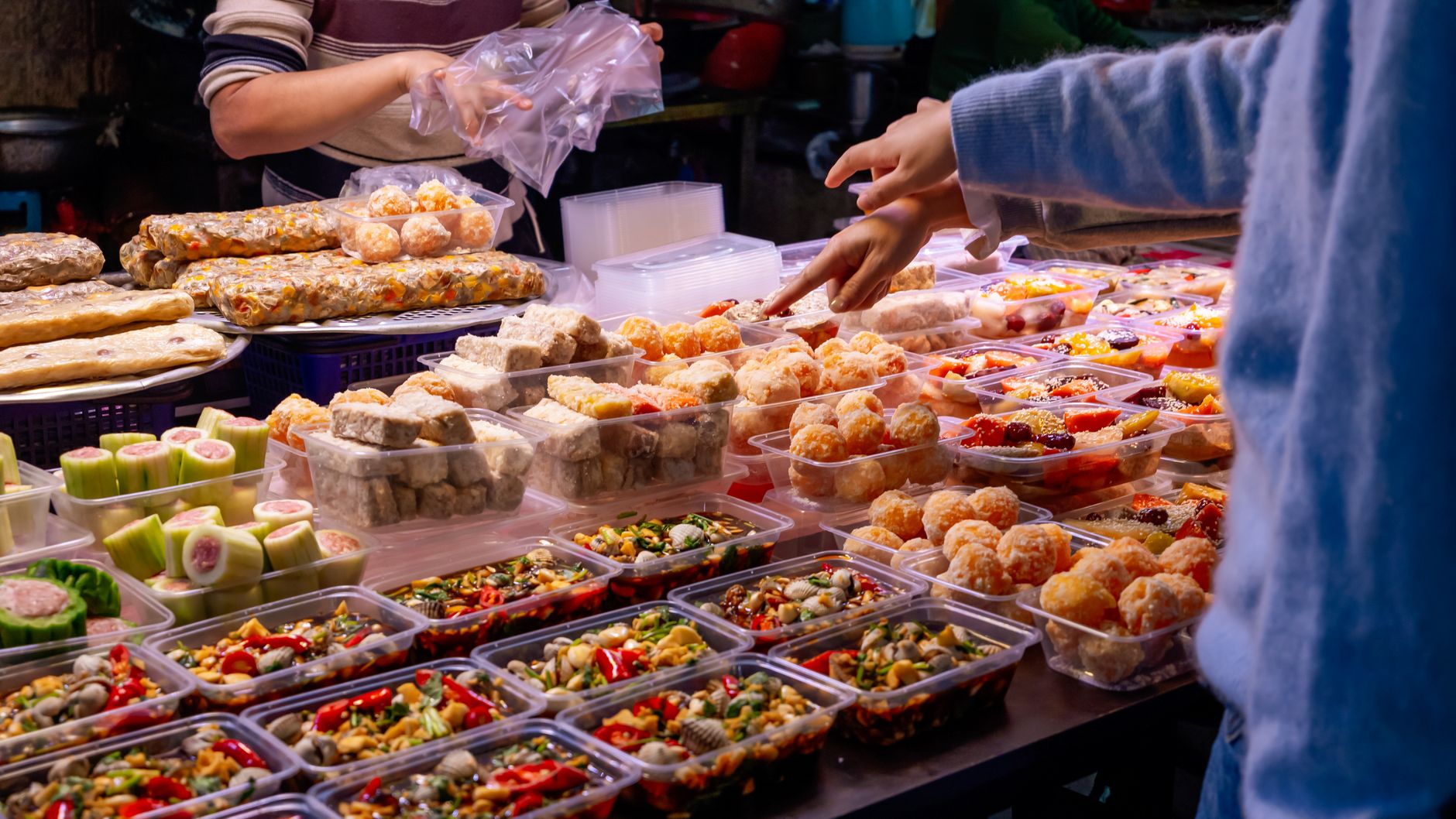
Street food stalls and night market vendors often share woks, cutting boards, and utensils across multiple dishes, so even a dish that does not list your allergen as an ingredient may be contaminated. For severe allergies, relying on menu descriptions alone is never enough.
Practical Tools to Communicate Your Allergies
The most reliable way to communicate food allergies in China is to use multiple tools together, so staff can understand your restrictions clearly even if they speak no English.
Printed or Digital Chinese Allergen Cards
An allergen card is a small, pocket-sized card with your restrictions written clearly in simplified Chinese. It is the single most useful tool for travelers with food allergies, as you can hand it directly to servers or chefs.
Your allergen card should include:
- The exact name of your allergy and its severity (e.g., "severe peanut allergy, life-threatening")
- A complete list of ingredients to avoid (be specific: list peanut oil, peanut powder, crushed peanuts, not just "peanuts")
- A request for no cross-contamination (e.g., "Please use a clean wok, clean utensils, and separate cutting boards for my food")
- A short emergency note (e.g., "If I eat this ingredient, I need immediate medical help")
- Your emergency contact number
You can create a digital card using a free translation tool, or request a professionally translated card from your tour operator. If you book a tour with HXXC Travel, a China inbound operator based in Jiangmen, Guangdong, we provide custom printed allergen cards for all guests with dietary restrictions at no extra cost. Keep a printed copy in your wallet and a digital copy on your phone lock screen for easy access.
Offline Translation Apps
Translation apps are a useful backup for allergen cards, especially if you need to ask follow-up questions or translate a menu item you don’t recognize. As of November 2026, the most reliable offline translation options for English to Chinese include Google Translate, Microsoft Translator, and DeepL.
Important note: Many translation apps require a VPN to access online features in China. Download the offline Chinese language pack for your chosen app before you leave home, so you can use it without internet or a VPN.
Camera translation features can help you scan menus quickly, but they are often inaccurate for regional dish names and ingredient lists. Always double-check critical allergy statements by typing them into the text translation tool, and show the screen to staff.
Key Phrases to Memorize
Even with an allergen card and translation app, knowing a few short phrases in Mandarin can help you communicate faster and make sure staff understand your request. Stick to simple, short sentences:
- "Wo you shiwu guomin" (waw yoh shih-woo gwoh-min) = I have a food allergy
- "Wo dui [allergy] guomin" (waw dway [allergy] gwoh-min) = I am allergic to [allergy]
- "Qing bu yao fang [allergy]" (ching bu yow fahng [allergy]) = Please don’t add [allergy]
- "Hui bu hui hun zai yiqi?" (hway bu hway hwen dzai ee-chee) = Will it be mixed with other foods? (to ask about cross-contamination)
Speak slowly, and point to your allergen card if the staff looks confused. If you have a severe allergy, always show the card even if you think the staff understands your spoken request.
Eating Safely Across Different Dining Settings
The level of allergy support you can expect varies a lot depending on where you eat. Here’s what to know for common dining scenarios in China:
Mid-to-High-End Restaurants in Major Cities
As of November 2026, most upscale restaurants and national chain venues in Beijing, Shanghai, Guangzhou, Shenzhen, Chengdu, and Hangzhou have basic allergy protocols in place. Many have staff who speak basic English, and some can provide allergen menus on request.
For example, Haidilao Hot Pot, a popular national chain, has standardized allergy forms where guests can mark their restrictions, and staff will prepare a separate pot and clean utensils for you. Other chain restaurants like Din Tai Fung also have clear allergen information for their dumpling and dim sum dishes.
If you have severe allergies, call the restaurant ahead of time to confirm they can accommodate your needs, especially if you are dining with a group.
Local Small Restaurants and Noodle Shops
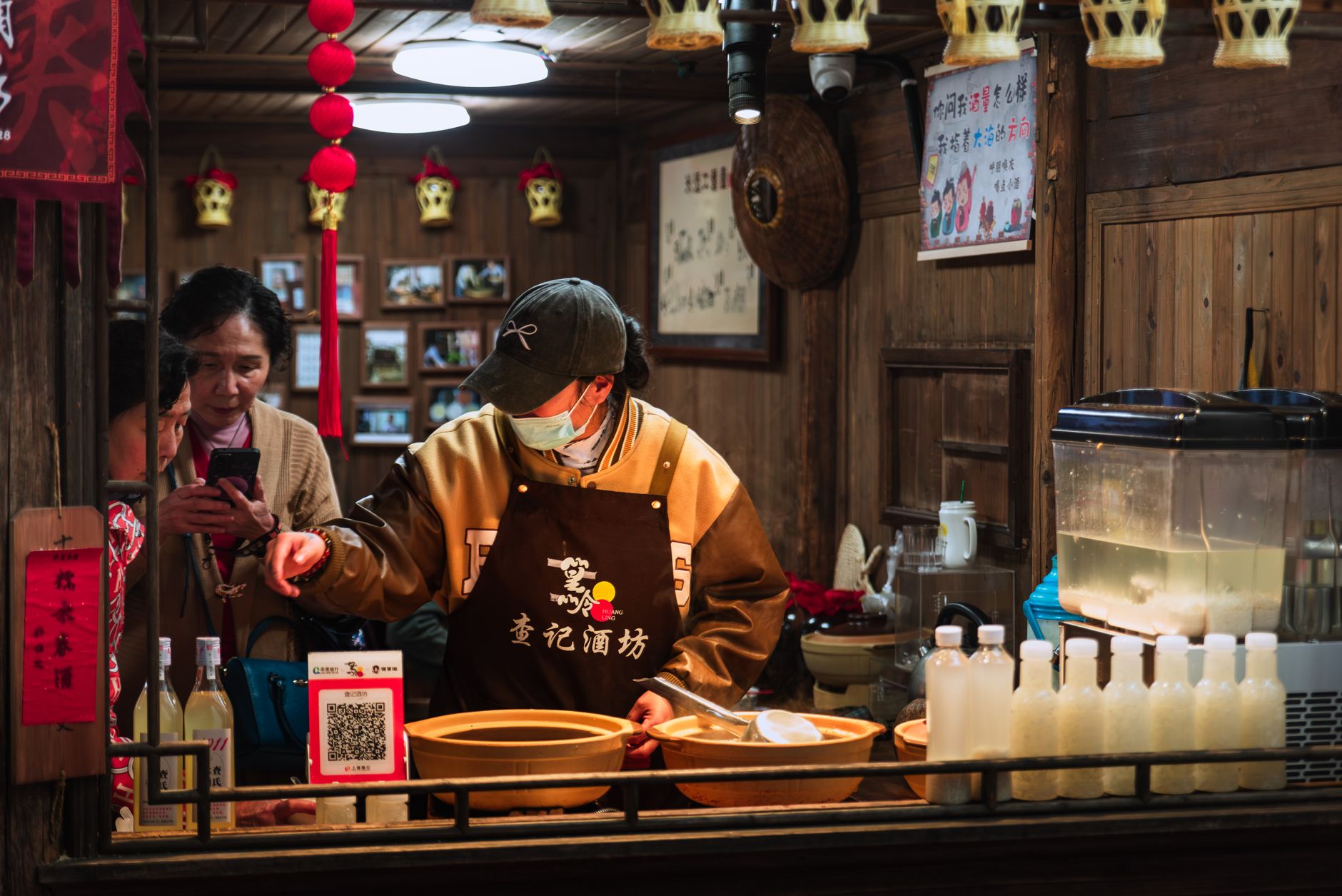
Small, family-run restaurants are the most common dining option across China, especially in smaller cities and towns. Most staff here speak no English, so your allergen card is your most important tool.
Be as specific as possible about what you can’t eat. For example, instead of just saying "nut allergy", specify no peanuts, no peanut oil, no tree nuts, and no crushed peanuts as a topping. Many small restaurants use peanut oil or blended oil with peanut for stir-frying, so always ask explicitly about cooking oil.
Cantonese restaurants, common in Guangdong province where HXXC Travel is based, often use oyster sauce, dried seafood, and peanut oil in many dishes, so extra clarity is needed when dining at these venues.
Street Food Stalls
Street food carries the highest risk of allergic reactions, especially for people with severe allergies. Most street vendors share woks, oil, cutting boards, and utensils across all their dishes, so cross-contamination is almost unavoidable.
If you have a severe allergy (risk of anaphylaxis), avoid street food entirely. If you have mild allergies and want to try street food, choose stalls that make dishes to order with visible, separate ingredients, and show your allergen card to the vendor before they start cooking.
Common street foods to avoid for common allergies:
- Jianbing (savory crepe): contains wheat, soy sauce, and often egg
- Malatang (spicy skewer hot pot): shared broth that may contain soy, shellfish, and peanuts
- Youtiao (fried dough sticks): contains wheat, and fried in shared oil that may have other allergens
- Cold noodle dishes: often contain soy sauce, wheat noodles, sesame paste, and crushed peanuts
Tour Group Meals
If you book a group or custom tour with HXXC Travel, notify our team of your allergies at least 7 days before your departure date. We will coordinate with all restaurants along your itinerary to prepare suitable dishes that meet your restrictions, and your tour guide will double-check each meal before it is served.
We can also recommend allergy-friendly local restaurants for free time meals, and help you communicate with staff if you eat out on your own during the tour.
Common Mistakes to Avoid
Even prepared travelers can make mistakes when navigating food allergies in a new country. Watch out for these common pitfalls:
- Assuming "vegetarian" means no animal products: Many vegetarian dishes in China use oyster sauce, fish sauce, chicken broth, or lard for flavor. Always specify if you avoid animal products, not just meat.
- Relying solely on camera translation: Menu camera translation often misidentifies ingredients, especially for regional dishes with local names. Always confirm critical allergy requests with typed text or your allergen card.
- Forgetting to ask about cooking oil: Peanut oil and blended oil with peanut are widely used for stir-frying in China, even in dishes that don’t list peanuts as an ingredient.
- Trusting pre-packaged snack labels blindly: As of November 2026, Chinese national standards require pre-packaged foods to label the top 8 allergens, but small-batch, imported, or regional products may have inconsistent labeling. Always check labels carefully, and avoid products with unclear ingredient lists.
- Not carrying your medication at all times: If you are prescribed an epinephrine auto-injector, keep it on your person (not in your checked bag or hotel safe) at all times. Carry a copy of your prescription in both English and Chinese to show customs and medical staff if needed.
FAQ
Can I eat safely in China with a severe peanut allergy?
Yes, but it requires careful preparation. Use a detailed Chinese allergen card, avoid street food and small restaurants where cross-contamination is common, stick to mid-to-high-end venues with allergy protocols, and always carry your epinephrine auto-injector. If you book a tour with HXXC Travel, we can arrange peanut-free meals at vetted restaurants along your route.
Do Chinese restaurants have allergen menus?
As of November 2026, most large chain restaurants and upscale venues in major cities have allergen information available on request, but they rarely post it on public menus. Small, family-run restaurants almost never have formal allergen menus. Always ask directly and use your allergen card to confirm.
How do you say "food allergy" in Chinese?
The most common phrase for "food allergy" in Mandarin is "shiwu guomin" (pronounced shih-woo gwoh-min). To say "I have a food allergy", say "Wo you shiwu guomin". For specific allergies, use "Wo dui [ingredient] guomin", for example "Wo dui huasheng guomin" means "I am allergic to peanuts".
Is street food in China safe for people with nut allergies?
For people with severe nut allergies, street food is not safe due to the high risk of cross-contamination from shared woks, oil, and utensils. For those with mild nut allergies, choose made-to-order stalls with clearly separated ingredients, show your allergen card before ordering, and avoid dishes that commonly use nuts, like cold noodles and spicy Sichuan skewers.
What should I do if I have an allergic reaction in China?
If you have a mild reaction, take your antihistamine and move to a cool, quiet area. If you have a severe reaction (anaphylaxis), use your epinephrine auto-injector immediately and call 120, China’s national emergency number. As of November 2026, major cities have international hospitals with English-speaking staff, but smaller cities may not. Carry a copy of your prescription and allergy information in Chinese at all times.
Do I need to bring my own snacks to China for food allergies?
It is a good idea to bring a supply of safe, non-perishable snacks with you, especially if you have rare or severe allergies. This is particularly useful for long train rides, remote areas, or days when you can’t find a suitable restaurant. Make sure all snacks are in their original packaging with clear ingredient lists for customs inspection.
Related private tours
- Guangzhou Heritage & Wildlife — Lingnan Culture Meets Chimelong Safari — 5 days
- Best of China — 19-Day Private Tour — 19 days · From US$2,450
- Grand China Explorer — 15 Days — 15 days · From US$1,500