
The best time to visit Fenghuang Ancient Town is March–April or September–October for mild weather and smaller crowds, while July–August and national holidays should be avoided. Skip the overhyped riverside bar strip, paid tourist folk shows, and the commercial northern entrance area for a more authentic experience.
Fenghuang (Phoenix) Ancient Town sits on the Tuojiang River in western Hunan Province, with a mix of Miao, Tujia, and Han communities and over 1,300 years of history. As of November 2026, entry to the core old town pedestrian area is free, though individual attractions and river boat rides require separate tickets. Always confirm entry policies and transport schedules before travel, as details can change.
Best Time to Visit Fenghuang Ancient Town
Shoulder Seasons (March–April, September–October)
Temperatures range from 10–25°C (50–77°F), with light rain in spring and clear, crisp days in autumn. Crowd levels are moderate outside public holidays, and accommodation prices are 20–30% lower than peak summer. Late September to early October is especially pleasant, though the first week of October (National Day holiday) counts as peak season.
Peak Seasons (May–August, Chinese National Holidays)
July and August are the hottest and wettest months, with temperatures often hitting 35°C (95°F) and frequent afternoon thunderstorms. Despite the heat, this is the busiest domestic travel period, so riverside lanes are packed by midday, and hotel prices can double or triple.
Chinese public holidays, especially the October National Day week (October 1–7) and Spring Festival (January/February), bring extreme crowds, limited accommodation, and inflated prices for food and activities. We advise avoiding these dates if possible.
Low Season (November–February)
Temperatures drop to 2–10°C (36–50°F) in winter, with occasional frost or light snow. Most outdoor attractions remain open, and many lanes are nearly empty. Hotel prices are the lowest of the year, often 50% less than peak season. The town has a quiet, misty atmosphere in winter, though some smaller shops and food stalls may be closed.
What to Skip (and What to Do Instead)
Overpriced Riverside Bar Strip
The middle stretch of bars on the Tuojiang River’s east bank caters almost exclusively to large tour groups. Drinks cost 2–3 times more than bars in the back lanes, and loud music plays from mid-afternoon until late, ruining the old town’s quiet atmosphere.
Instead, visit small, family-run tea houses in the southern old town, where a pot of local green tea costs 20–30 RMB and you can sit by the river without the noise.
Paid "Folk Performance" Tourist Shows
Ticket booths near the old town entrance sell tickets to "Miao folk performances" or "traditional wedding reenactments" for 100–180 RMB per person. These shows are heavily scripted for mass tourism, have little connection to actual local customs, and often pressure audience members to pay extra "participation fees".
For real Miao culture, visit nearby Dehang Miao Village, where you can observe everyday life and join small community events for a lower entry fee.
Commercialized Northern Old Town Entrance Area
The section of the old town closest to the main north bus station is lined with mass-produced souvenir shops, chain snack stands, and loud ticket agents. Most buildings here are recent tourism-focused reconstructions, not original historic structures.
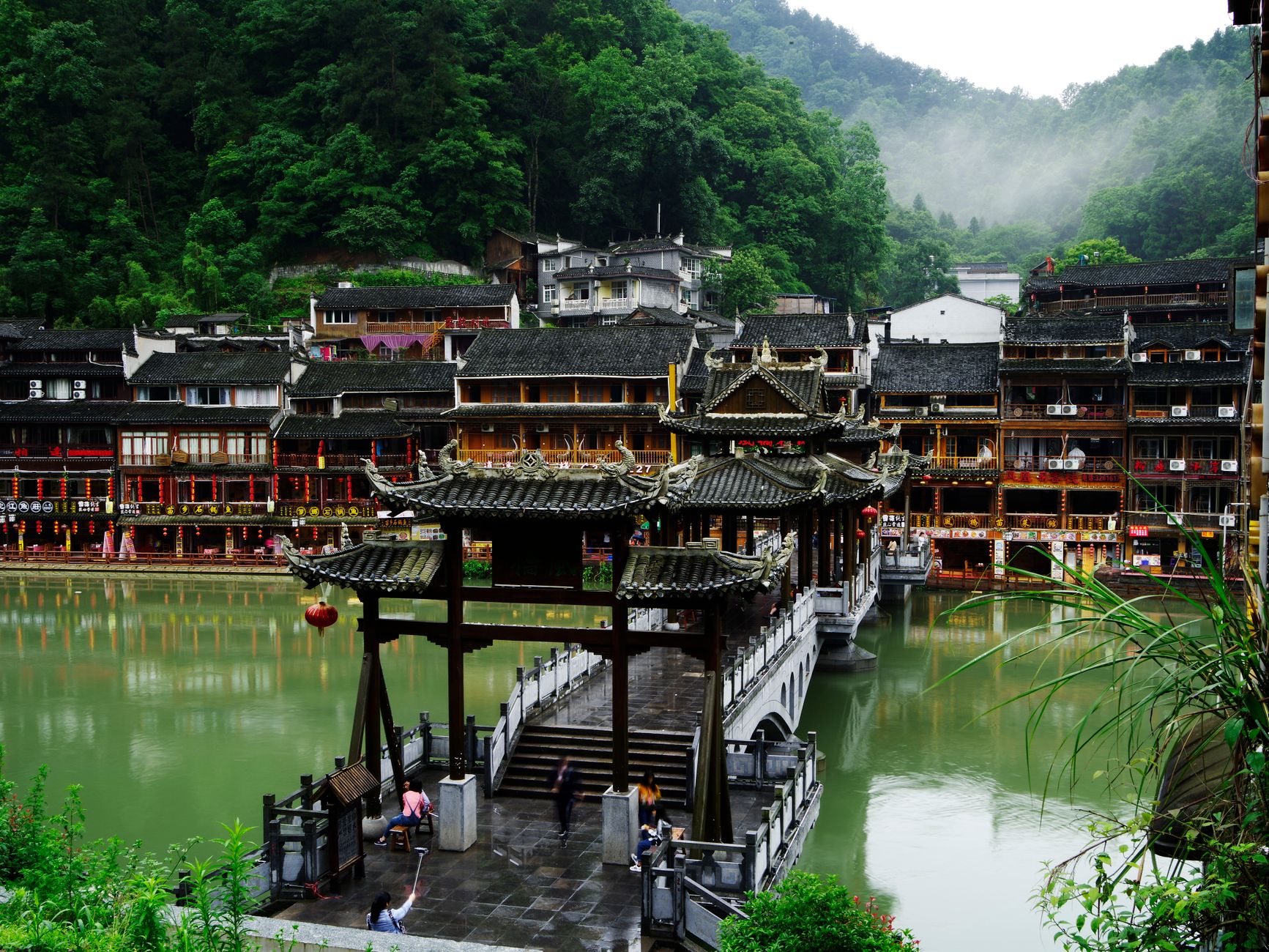
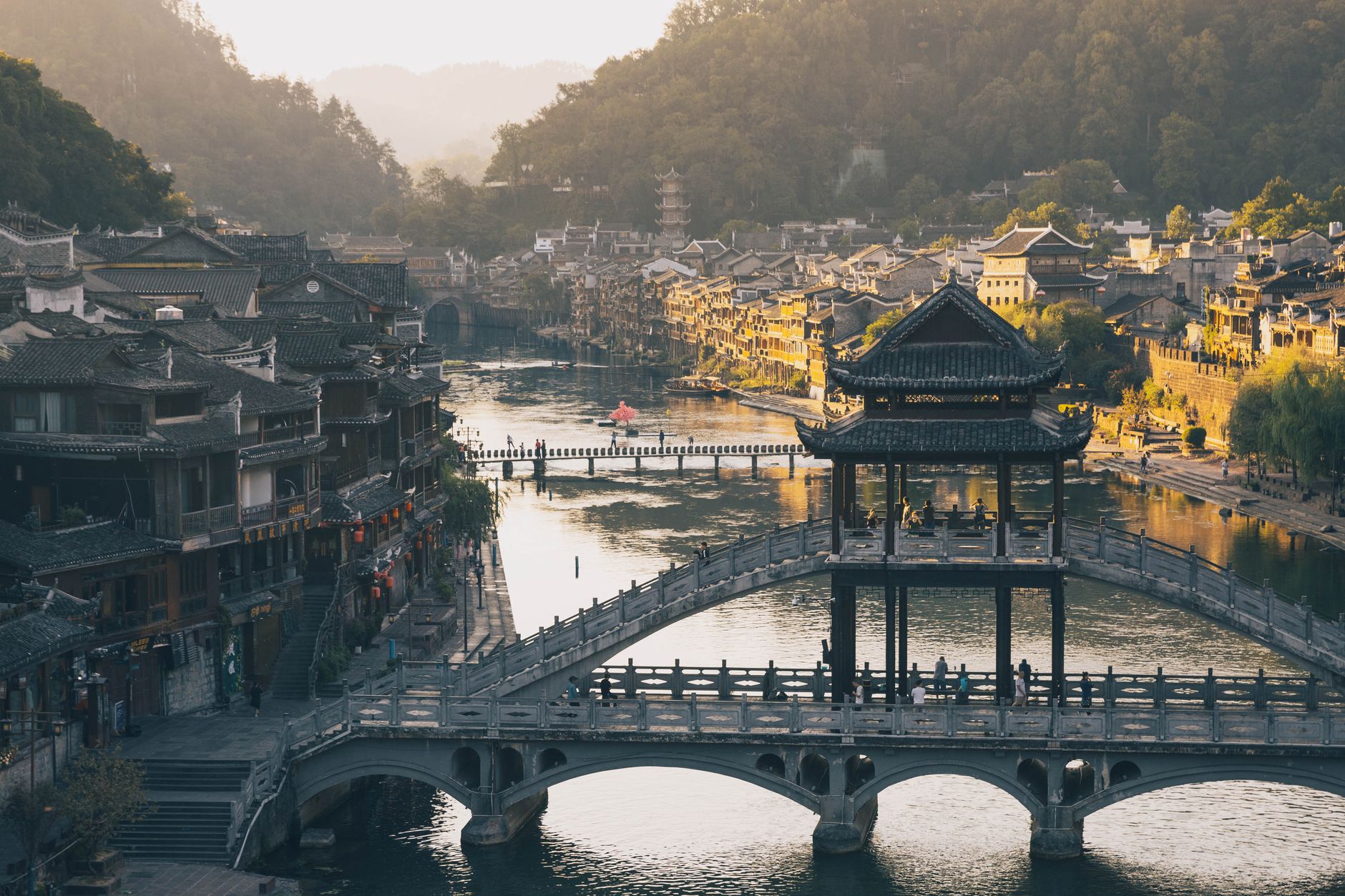
Instead, walk 10 minutes south past Hongqiao (Rainbow Bridge) to the older residential lanes, where most local families live and the architecture is authentic.
Forced Photo Ops in Ethnic Costume Stalls
Some costume rental stalls near popular photo spots pressure visitors into renting outfits for 50–100 RMB per hour, then charge extra for photos, hair accessories, or "digital copies" that were advertised as included.
If you want to rent ethnic clothing for photos, look for small stalls in back lanes with clear, posted pricing, and confirm all costs upfront before paying.
How to Get to Fenghuang Ancient Town
Fenghuang does not have a civil airport, but it is connected to China’s high-speed rail network via Fenghuang Ancient Town Station, roughly 20 minutes by shuttle bus from the old town core. As of November 2026, shuttle buses from the station to the old town run every 30 minutes and cost 10 RMB per person. Always check the latest train schedules before travel, as routes can be adjusted seasonally.
From Changsha
The most popular route is a 2.5–3 hour high-speed train from Changsha South Station to Fenghuang Ancient Town Station. Trains run hourly from 7 AM to 8 PM, with one-way tickets starting at around 180 RMB.
HXXC Travel offers private transfer options from Changsha to Fenghuang, which take around 5 hours by car and can include stops at scenic spots along the way if requested.
From Zhangjiajie
Many travelers combine Fenghuang with a trip to Zhangjiajie National Forest Park. High-speed trains from Zhangjiajie West Station to Fenghuang Ancient Town Station take 1–1.5 hours, with one-way tickets starting at around 80 RMB. Trains run every 1–2 hours throughout the day.
For groups or travelers with lots of luggage, a private car transfer from Zhangjiajie to Fenghuang takes roughly 2.5 hours and can be customized with stops at rural villages.
From Guiyang
If traveling from Guizhou, high-speed trains from Guiyang North Station to Fenghuang Ancient Town Station take 2–2.5 hours, with one-way tickets starting at around 150 RMB. There are 4–5 direct trains per day as of November 2026.
Sample Itineraries
These itineraries are designed for first-time visitors who want to see Fenghuang’s highlights without the tourist traps.
2-Day Fenghuang Itinerary
This is the minimum time needed to explore the old town properly.
- Day 1: Arrive in the afternoon, check into a guesthouse in the southern old town. Wander lanes south of Hongqiao, visit the Shen Congwen Former Residence (home of the famous 20th-century Fenghuang-born writer), and watch the sunset from a quiet riverside spot. Eat dinner at a local family restaurant serving Hunan and Miao dishes.
- Day 2: Wake up before 7 AM to walk riverside paths before the crowds arrive. Take a 30-minute wooden boat ride on the Tuojiang River (30 RMB per person as of November 2026) from the southern dock to avoid busy central docks. Visit Huangsiqiao Ancient City, a well-preserved Ming Dynasty walled town 20 minutes outside Fenghuang, before departing in the late afternoon.
3-Day Fenghuang + Miao Village Itinerary
If you have an extra day, add a trip to a local ethnic village for rural Hunan culture.
- Days 1–2: Follow the 2-day itinerary above, but slow down to spend more time exploring back lanes and trying local snacks.
- Day 3: Take a day trip to Dehang Miao Village, a traditional Miao village in a mountain valley 1.5 hours from Fenghuang. Entry costs 80 RMB per person as of November 2026. You can hike to nearby waterfalls, watch local silver artisans at work, and eat home-cooked Miao meals with village families. HXXC Travel can arrange guided day trips with private transport to avoid public bus hassle.
2026 Budget & Practical Tips
Entry & Attraction Costs
As of November 2026, entry to the core Fenghuang Old Town pedestrian area is free. Individual attractions charge separate fees:
- Shen Congwen Former Residence: 20 RMB
- Tuojiang River wooden boat ride (30 minutes): 30 RMB
- Huangsiqiao Ancient City: 40 RMB
- Dehang Miao Village: 80 RMB
Beware of ticket sellers near the bus station offering "all-inclusive old town tickets" – these are almost always overpriced packages that include the low-quality folk shows mentioned earlier.
Where to Stay
Avoid hotels on the central riverside strip, as they can be noisy from bars and tour groups until late at night. Instead, look for small guesthouses in the southern old town (south of Hongqiao) or in residential lanes on the river’s west bank.
- Budget: 100–200 RMB per night for a basic private room in a family guesthouse
- Mid-range: 300–600 RMB per night for a river-view room in a boutique guesthouse
- Luxury: 800+ RMB per night for a high-end resort outside the old town core
HXXC Travel can help book verified guesthouses with quiet locations and English-speaking staff for international travelers.
Food to Try
Fenghuang has a mix of Hunan and Miao cuisine, with bold spicy and sour flavors.
- Rice noodles (fen): A breakfast staple, served with pork, pickled vegetables, and chili oil. Look for small shops with local customers, where a bowl costs 10–15 RMB.
- Sour soup fish: A Miao specialty made with fresh river fish and tangy fermented rice soup. Most family restaurants serve this for 60–80 RMB per portion, enough for two people.
- Blood cake (xue ba): A traditional snack of glutinous rice and pig blood, steamed or fried. Sold by street vendors for 5–10 RMB per piece.
- Tujia bacon: Smoked pork belly, often served stir-fried with vegetables.
Avoid central riverside restaurants, where prices are 2–3 times higher and quality is lower. Stick to back-lane restaurants with mostly local customers.
FAQ
Is Fenghuang Ancient Town worth visiting?
Yes, if you visit during shoulder season and avoid the main tourist traps. The authentic southern lanes, stilted wooden houses, and nearby ethnic villages offer a look at traditional Hunan and Miao culture that is hard to find in more commercialized ancient towns.
How many days do you need in Fenghuang Ancient Town?
Most travelers need 2 full days to explore the old town and a nearby historic site like Huangsiqiao. Add a third day if you want to visit a Miao village like Dehang.
Is Fenghuang Ancient Town free to enter?
As of November 2026, entry to the core pedestrian old town area is free. Individual attractions, boat rides, and nearby villages charge separate entry fees. Always confirm the latest entry policy before your trip, as rules have changed in the past.
What is the best way to get to Fenghuang from Zhangjiajie?
The fastest way is by high-speed train from Zhangjiajie West Station to Fenghuang Ancient Town Station, which takes 1–1.5 hours and costs from 80 RMB one way. Private car transfers take 2.5 hours and are a good option for groups or travelers who want to stop along the way.
Can you visit Fenghuang Ancient Town in winter?
Yes, winter (November–February) is a quiet time to visit, with lower hotel prices and fewer crowds. Temperatures range from 2–10°C (36–50°F), so pack warm clothing. Some smaller shops may be closed, but most major attractions remain open.
Related private tours
- China Culture & Natural — 11 days · From US$3,135
- Zhangjiajie Group Tour 8 Days 7 Nights + Fenghuang Ancient Town + Furong Ancient Town — 8 days · From US$989
- 5 Days 4 Nights Zhangjiajie Tour — 5 days · From US$791