
Mainland China runs on 220V, 50Hz AC electricity, with three standard outlet types (A, C, I). Most international travelers will need a plug adapter, though voltage converters are only required for a small set of low-wattage, single-voltage devices.
As of November 2026, universal outlets are common in tourist-facing hotels, but not guaranteed in public transit, rural homestays or older local businesses. This guide covers exactly what to pack, how to identify outlets, what devices work without a converter, and what to do if you arrive without the right gear, based on on-the-ground updates from HXXC Travel teams across Guangdong, Yunnan, Sichuan and Beijing. Re-check specific hotel amenities and venue policies in the 72 hours before your trip, as outlet configurations can vary even within the same city or hotel brand.
China’s Standard Voltage and Frequency
The official electrical standard across mainland China is 220V alternating current at 50Hz. This is identical to the standard used in the UK, EU, Australia, New Zealand and most of Asia, Africa and the Middle East. Travelers coming from countries that use 100–127V power — including the United States, Canada, Japan, Mexico and most of Central America — need to check their device labels before plugging in directly.
Almost all modern personal electronics — including phones, laptops, camera batteries, wireless earbud chargers, e-readers and power banks — are built to support 100–240V, 50/60Hz input. These devices will work safely in China with only a plug adapter, no voltage converter required. You can confirm this by checking the small printed text on your device’s power brick, which will list the supported input range. If it reads “Input: 100-240V ~ 50/60Hz”, no converter is needed.
Devices that only support 100–127V input without dual-voltage capability are at risk of overheating or permanent damage if plugged directly into a 220V outlet. These are almost always high-heat, motorized personal care items: older hair dryers, curling irons, straighteners, electric shavers and travel kettles. For these items, you either need to bring a dual-voltage travel model, pack a step-down voltage converter rated for the device’s wattage, or plan to borrow equipment from your hotel.
Common Plug and Outlet Types in China
As of November 2026, you will encounter three primary outlet configurations across mainland China. Many wall plates combine two or more of these socket types to accommodate domestic and international plugs, but there is no universal guarantee of compatibility across all locations.
- Type A: Two flat, parallel pins, identical to outlets used in the US, Canada and Japan. These are ungrounded, typically rated for 10A, and most often found in older buildings, budget guesthouses and low-power wall sockets for small electronics. They do not accept Type C, I or grounded plugs.
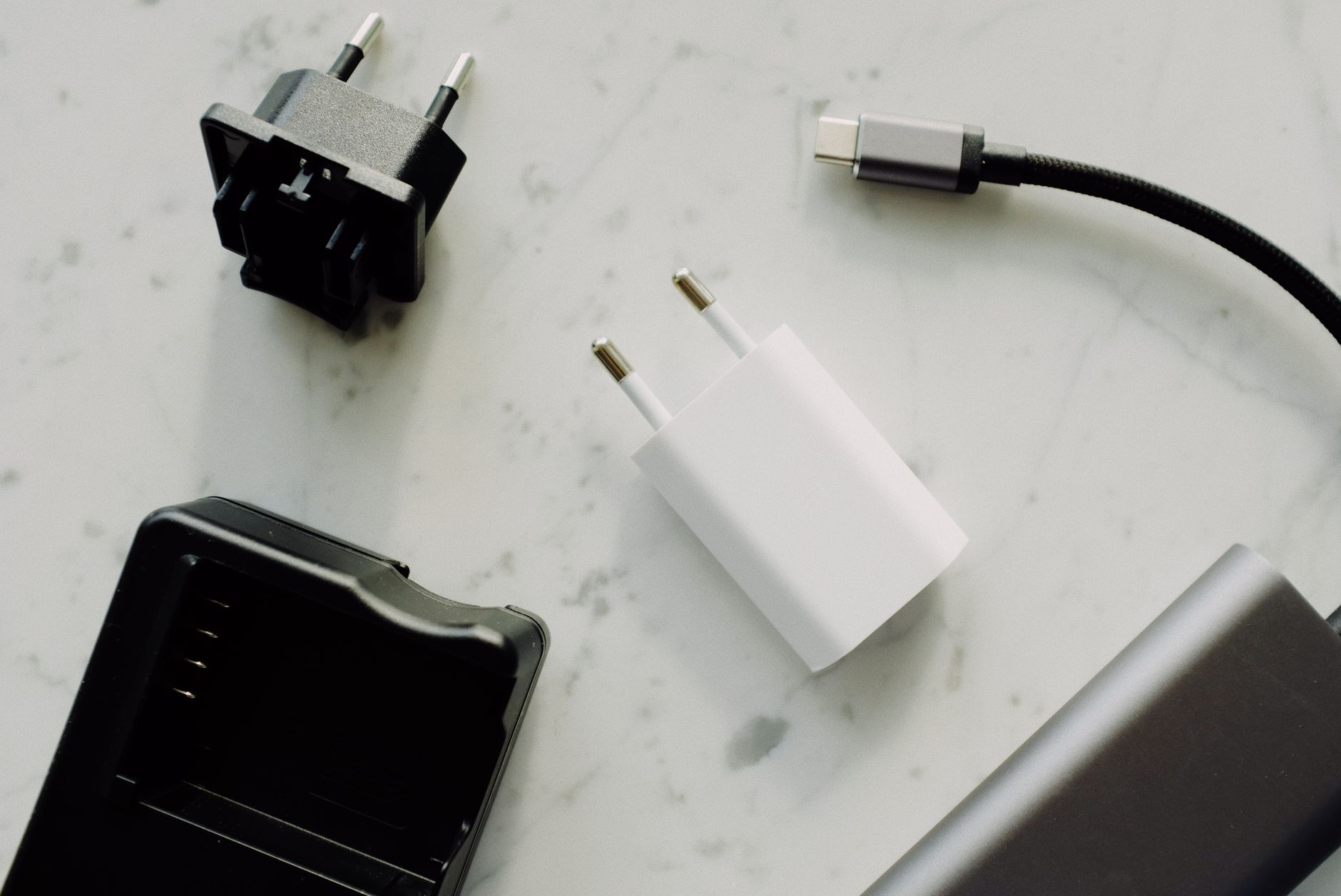
- Type C: Two round, parallel pins, identical to the standard Europlug used across most of the EU. These are ungrounded, rated for 2.5A or 10A, and found in nearly every new and renovated building across the country. They accept most ungrounded European plugs, but do not accept Type A, Type I or grounded UK plugs.
- Type I: Three flat pins arranged in a triangular formation, identical to outlets used in Australia, New Zealand and Argentina. These are grounded, rated for 10A or 15A, and are the official national standard for high-power appliances and new residential construction. They accept Australian and New Zealand plugs natively, but do not accept Type A, C or North American/European plugs without an adapter.
You will encounter Type G (UK three-pin) outlets almost exclusively in Hong Kong and Macau, which operate under separate electrical standards from mainland China. If your trip includes these Special Administrative Regions, pack a separate Type G adapter or a universal adapter that covers that pin layout.

Where You Will (and Will Not) Find Compatible Outlets
Outlet access varies dramatically by location, so plan your adapter needs around the least accessible parts of your itinerary, not just your hotel room. HXXC Travel teams survey accommodation and transit locations quarterly, and as of November 2026, these are the most common scenarios:
- Mid-range and upscale international chain hotels (4-star and above): More than 90% have at least one universal wall socket per guest room that accepts Type A, C, I and G plugs, plus built-in USB-A and USB-C charging ports next to beds and desks. Most also provide built-in hair dryers with dual-voltage support in the bathroom, so you rarely need to bring your own.
- Budget hotels, hostels and rural homestays: Roughly 40% only have standard Type C and Type I outlets, with no built-in USB ports. Front desks will usually lend adapters for free if available, but stock is often limited during peak travel seasons (Spring Festival, summer school break, National Day holiday in early October).
- High-speed rail stations and major airports: Most public charging stations use Type C and Type I outlets, plus dedicated USB ports. Older regional train stations and long-distance bus terminals rarely have international plug compatibility, and charging ports are often fully occupied during peak hours.
- Major tourist sites, museums and popular restaurants: Locations including the Forbidden City visitor center, Chengdu Research Base of Giant Panda Breeding and Zhangjiajie National Forest Park all have public charging stations with USB ports, but few support non-Chinese plug types directly.
- Rural villages, mountain trails and small local restaurants: Do not count on accessible power outlets at all in these locations. Carry a fully charged power bank for day trips outside major city centers.
What Adapters to Pack for China
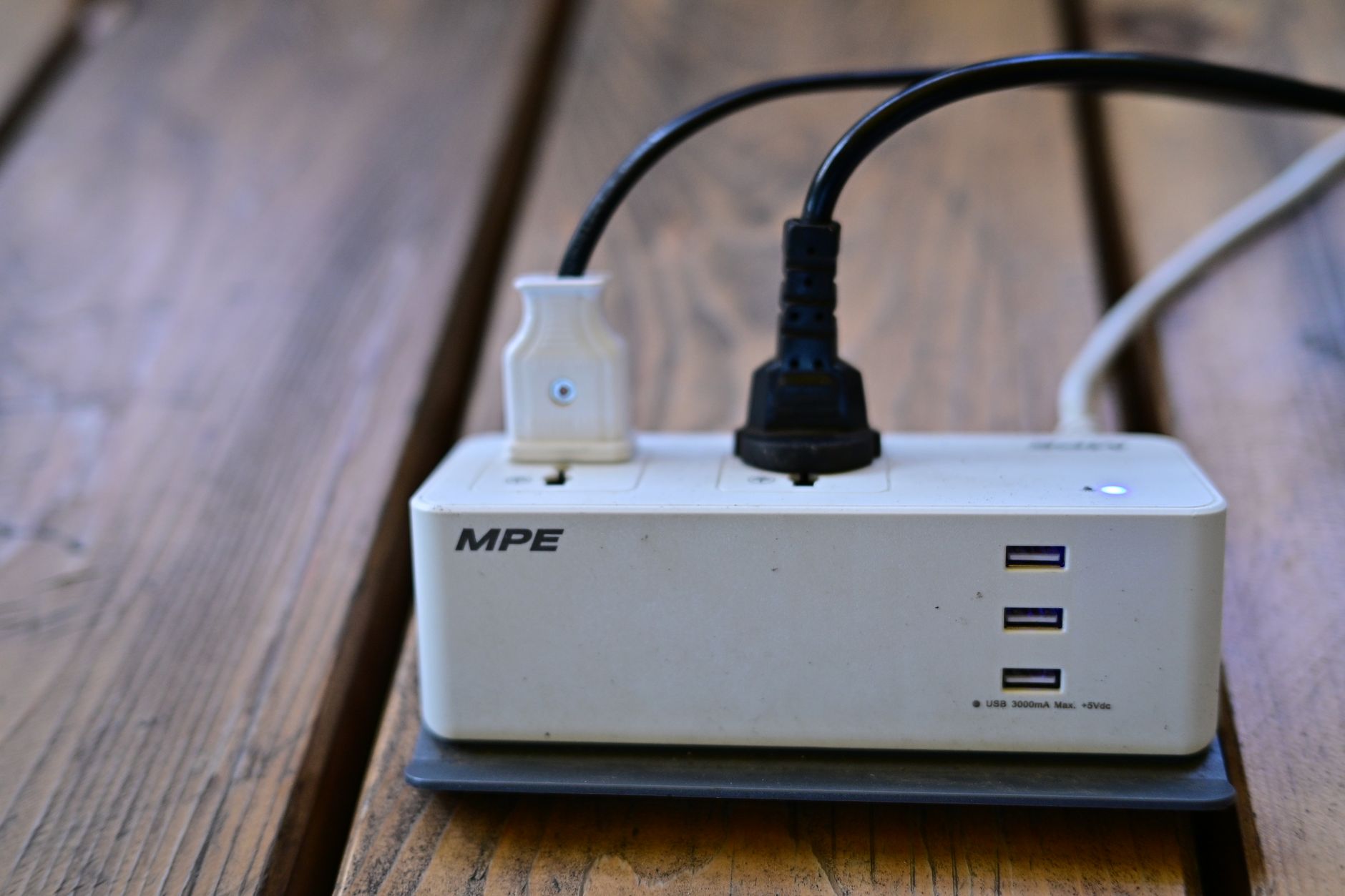
For most travelers, a single Type I adapter will cover the majority of outlets across mainland China, but a universal travel adapter is the most flexible option, especially if your itinerary includes Hong Kong, Macau or side trips to other Asian countries. Avoid buying cheap, ungrounded adapters for high-wattage devices, as these can overheat and pose a fire risk.
Use these criteria when selecting an adapter for your trip:
- Prioritize adapters with built-in 3A USB-A and 30W+ USB-C ports, so you can charge phones and other small devices directly without carrying extra power bricks.
- If you are bringing grounded devices (laptops, high-wattage camera chargers), pick an adapter with a grounded pin connection, rather than a simple ungrounded plug shim, to reduce shock risk.
- You do not need a bulky voltage converter for any device that lists 100-240V input support, which covers nearly all consumer electronics sold in the last 10 years.
- If you need a converter for a single-voltage hair tool or medical device, choose a converter rated for at least 25% higher wattage than your device to avoid overheating. For example, a 1500W hair dryer needs a converter rated for a minimum of 1875W.
Adapters are widely available for purchase on arrival in China, but prices and quality vary widely. Convenience stores (7-Eleven, Lawson, FamilyMart) in major cities sell basic Type C and Type I adapters for 15–30 RMB, while electronics markets sell universal adapters for 50–120 RMB. Airport and hotel gift shops sell the same adapters for 2–3 times that price, so it is cheaper and more reliable to bring your own from home if possible.
Key Charging Tips for Travelers
A small amount of pre-trip planning will eliminate almost all charging-related headaches during your China trip. These practical tips are updated as of November 2026 based on feedback from HXXC Travel guides and recent guests:
- Carry a 10,000–20,000mAh power bank for day trips. Note that power banks over 100Wh (roughly 27,000mAh) are not allowed in checked luggage on Chinese domestic flights, and power banks over 160Wh are banned entirely from both carry-on and checked bags.
- Most hotels provide disposable slippers, bottled water and electric kettles, but few provide USB-C cables for newer phones and laptops. Pack your own cables, as third-party cables sold at tourist sites are often low quality and charge slowly.
- Bathroom outlets in many Chinese hotels are connected to a wall switch that only activates when the bathroom light is turned on. If your electric toothbrush or shaver is not charging, check that the light switch is flipped on.
- Public USB charging ports in train stations and tourist sites are generally safe, but you can use a USB data blocker if you want to prevent accidental data transfer from your device.
- If you travel with a CPAP machine or other critical medical device, notify your hotel and airline at least 72 hours before arrival to confirm compatible power access, and carry a copy of your device’s voltage specifications.
Frequently Asked Questions
Do I need a voltage converter for China?
You only need a voltage converter if you are bringing a single-voltage device rated for 100–127V that does not support 100–240V input. Most phones, laptops, camera chargers and other modern electronics support dual voltage automatically, so they only need a plug adapter. High-heat personal care items like older hair dryers and curling irons are the most common items that require a converter.
Can I use my US plug in China?
Type A US plugs with two flat parallel pins will fit into older Type A outlets found in some budget hotels and older buildings, but they will not fit into Type C or Type I outlets, which are the most common across the country. You will need an adapter to reliably use US plugs in most locations. Grounded US plugs (with a third round or flat ground pin) will never fit into Chinese outlets without an adapter.
Do hotels in China provide free adapters?
As of November 2026, most 4-star and 5-star international chain hotels keep a small stock of free adapters available to lend to guests at the front desk, but availability is not guaranteed, especially during peak travel seasons. Budget hotels, hostels and rural homestays rarely have adapters available to lend. You should always carry your own adapter to avoid being left without power.
What plug type is used in Hong Kong and Macau?
Hong Kong and Macau use the UK-style Type G plug with three rectangular pins, on the same 220V 50Hz standard as mainland China. If your trip includes these Special Administrative Regions, make sure your universal adapter includes a Type G pin configuration, as mainland Type C and Type I outlets are rare in older Hong Kong and Macau buildings.
Are USB charging ports common in China?
Built-in USB-A and USB-C ports are standard in new hotel rooms, high-speed rail carriages, major airport terminals and popular tourist site visitor centers. Older public spaces, local restaurants and rural destinations rarely have built-in USB ports, so you should carry your own wall charger and power bank for backup.
Related private tours
- Best Of China — 20-Day Private Tour — 20 days
- Beijing Icons, Avatar Peaks & Panda Trails — 8 Days — 8 days · From US$1,628
- Pandas, Peaks & Palaces — 12-Day Family Journey — 12 days