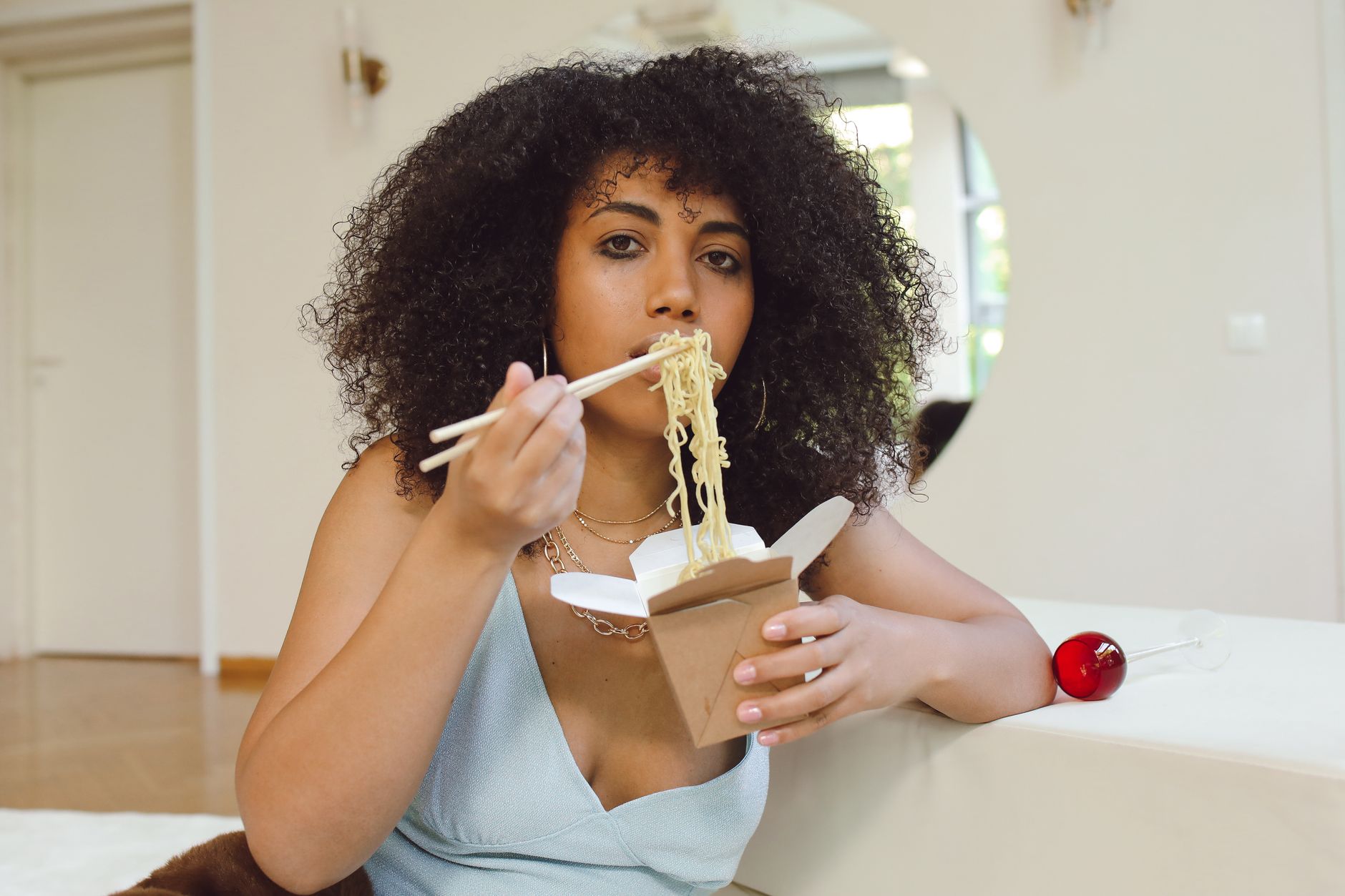
Quick Answer
The most critical Chinese chopstick taboos are sticking them upright in rice, pointing with them, passing food directly between chopsticks, and digging through shared dishes. Basic use takes 10 minutes to learn.
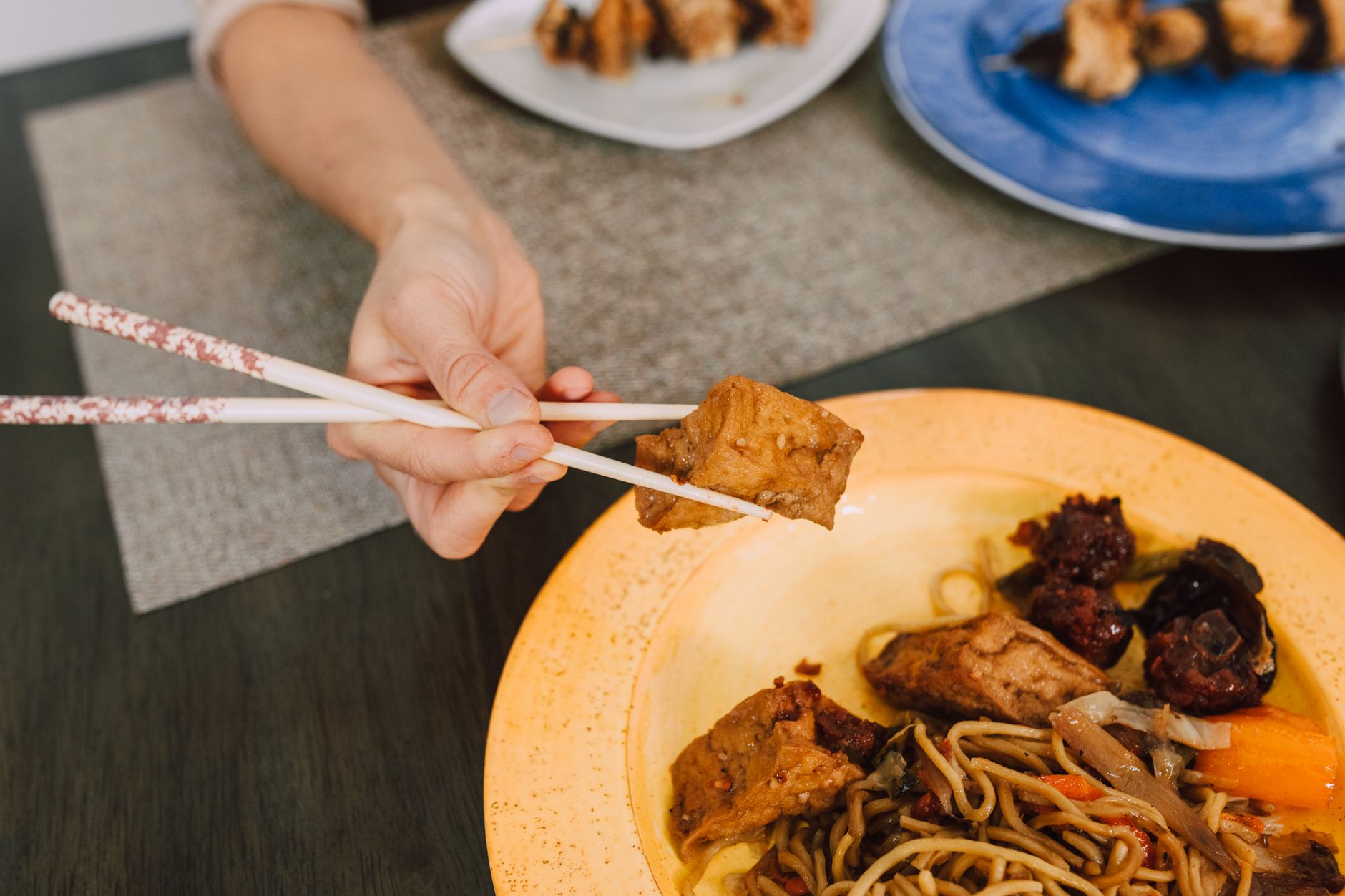
Key Facts at a Glance
- Chopsticks have been used in China for over 3,000 years, with the earliest known examples made of bronze from the Shang Dynasty.
- Standard Chinese chopsticks are typically 22-25 cm long, made from wood, bamboo, plastic, or stainless steel as of November 2026.
- Most restaurants in China provide chopsticks as the default utensil; forks and spoons are available on request at most mid-range and high-end venues.
- Disposable wooden chopsticks are common at casual eateries, though many cities have introduced fees for them to reduce waste, typically 0.5-1 yuan per pair as of November 2026.
- HXXC Travel, a Jiangmen-based inbound tour operator, includes a chopstick etiquette briefing in all 2026 small-group China tours for first-time visitors.
How to Hold Chopsticks Correctly
Proper chopstick grip makes eating easier and reduces the chance of dropping food or knocking over dishes. Most visitors can master the basic hold with a few minutes of practice.
Step-by-Step Technique
- Rest the lower chopstick on the ring finger of your dominant hand, with the thick end resting in the crook between your thumb and index finger. This chopstick stays completely stationary while you eat.
- Hold the upper chopstick like you would hold a pen, between the tip of your thumb, the pad of your index finger, and the side of your middle finger. You move this chopstick up and down to open and close the tips.
- Align the tips of the two chopsticks so they meet evenly; misaligned tips make it much harder to pick up food securely.
- Start practicing with larger, lighter items like tofu cubes or vegetable pieces before moving on to smaller foods like rice or peanuts.
Most locals will not judge you for awkward chopstick use as a visitor, but mastering the basic grip shows respect for local culture. HXXC Travel’s local guides often carry extra practice chopsticks for tour groups who want to learn before their first group meal.
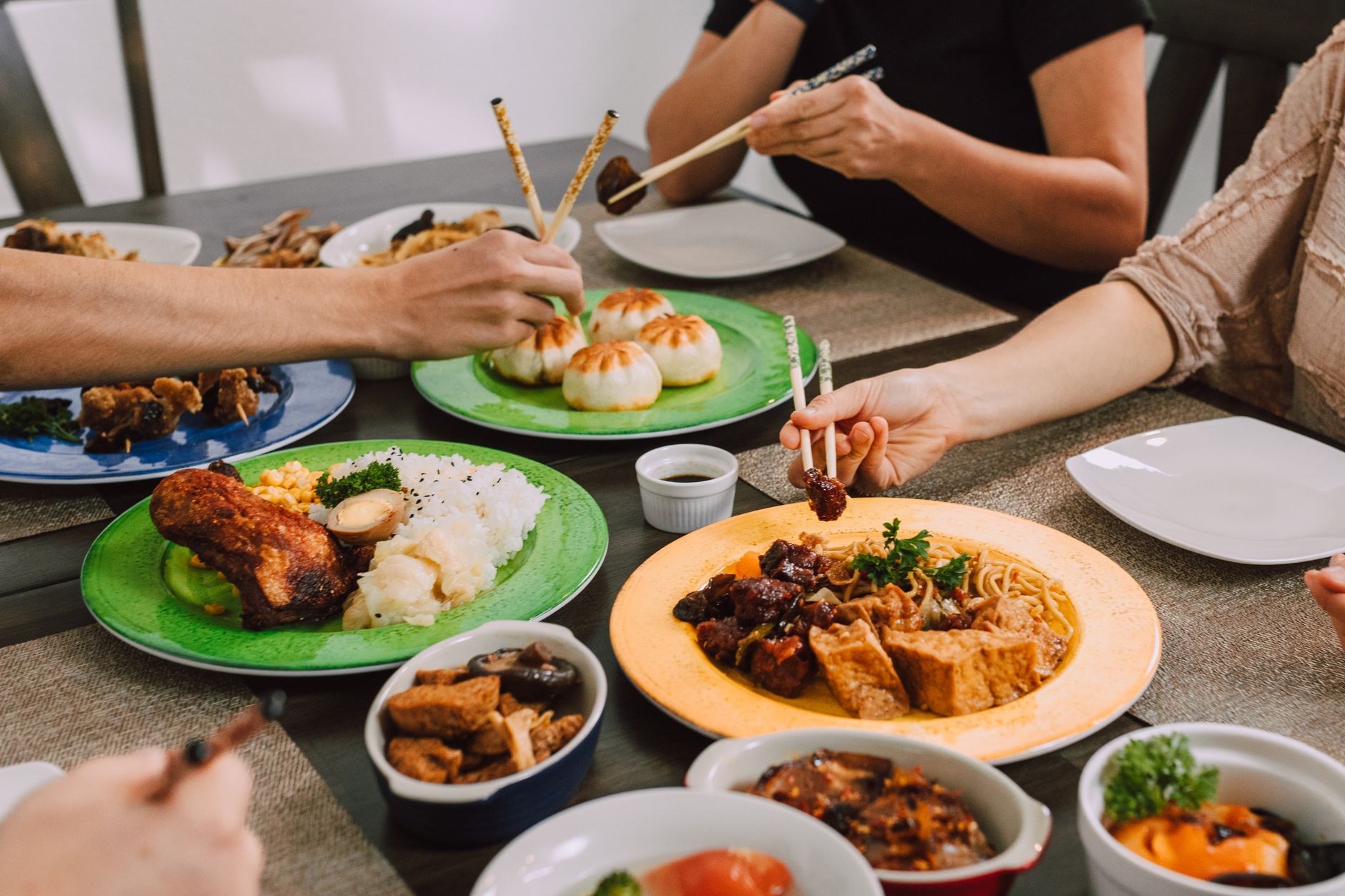
Common Chopstick Taboos in China
Chopstick taboos in China are rooted in traditional beliefs and cultural norms around respect, death, and shared dining. While visitors are rarely held to the same strict standard as locals, avoiding these major taboos will help you make a good impression.
Sticking Chopsticks Upright in Rice
This is the most widely recognized and serious chopstick taboo. When chopsticks are stuck vertically into a bowl of rice, they closely resemble the incense sticks burned during ancestral worship and funeral ceremonies. This association with death and bad luck makes it extremely disrespectful to do at any meal. If you need to put your chopsticks down, rest them across the top of your bowl or on the chopstick rest provided.
Pointing With Chopsticks
Pointing at another person with any object is considered rude in Chinese culture, and chopsticks are no exception. Waving chopsticks around while talking, or using them to point at someone to emphasize a point, is seen as aggressive and disrespectful. If you need to gesture while speaking, put your chopsticks down first.
Passing Food Directly Between Chopsticks
This taboo also ties to funeral traditions. In some Chinese funeral rites, family members pass the bones of the deceased between chopsticks during cremation rituals. Passing food directly from one person’s chopsticks to another’s evokes this practice and is considered bad luck. If you want to share food with someone (a common gesture of hospitality at group meals), place the food on their plate or bowl using serving chopsticks (called gong kuai in Mandarin), or use the back end of your own chopsticks if no serving utensils are available.
Digging Through Shared Dishes
Poking around in a shared dish to pick out specific pieces of food (sometimes called "digging for treasure") is rude, as it shows disregard for other diners who will eat from the same dish. You should take food from the part of the dish closest to you, and avoid touching multiple pieces before selecting one.
Using Chopsticks to Move Dishes
Chopsticks are designed only for picking up food. Using them to drag or push bowls, plates, or other dishes across the table is considered clumsy and disrespectful. If you need a dish moved closer, use your hands, or ask someone sitting closer to pass it.
Sucking or Chewing Chopstick Tips
Sucking, licking, or chewing on the ends of chopsticks is considered poor manners across most of China. It is seen as childish and unhygienic, especially at shared meals. If a small piece of food is stuck to the tip of your chopstick, you can gently eat it off, but avoid prolonged sucking or biting.
Dropping Chopsticks
Dropping chopsticks on the floor is considered a minor bad omen in some regions, though most locals will brush it off as an accident, especially for visitors. If you drop your chopsticks, simply ask a server for a new pair; do not pick them up and use them if they have touched the floor.
Regional Variations in Chopstick Customs
Chopstick etiquette is largely consistent across China, but there are small regional differences to note, particularly around shared dining:
- In Guangdong Province (where HXXC Travel is based) and Hong Kong, serving chopsticks are standard at almost all group meals, even at casual restaurants. Using personal chopsticks to take food from shared dishes is considered very poor form here.
- In northern China, particularly at family meals or small casual eateries, rules may be more relaxed, and serving chopsticks may not be provided unless you ask for them.
- At hot pot meals across the country, many people use their personal chopsticks to cook food in the pot, but more formal restaurants provide separate utensils for cooking and eating. When in doubt, follow the lead of your host or local guide.
Tips for First-Time Visitors
These practical tips will help you navigate chopstick use confidently during your trip:
- If you are unsure about a custom, follow the lead of local diners or your host. Most people will not expect visitors to know every rule, and will appreciate your effort to be respectful.
- Ask for serving chopsticks if they are not provided. Most restaurants will bring them for free if requested.
- If you struggle to use chopsticks, it is perfectly acceptable to ask for a fork or spoon. Most mid-range and high-end restaurants have Western utensils available, and no one will judge you for using them.
- Disposable chopsticks often come in a paper wrapper; you can fold the wrapper into a small rest for your chopsticks if no dedicated rest is provided.
- HXXC Travel’s local guides, all based in China with years of experience hosting international visitors, can walk you through etiquette before group meals and answer any questions you have during your trip.
As of November 2026, restaurant policies on utensil availability and disposable chopstick fees may vary by city. Always confirm with your guide or restaurant staff if you have specific needs.
Frequently Asked Questions
How long does it take to learn to use chopsticks?
Most people can learn the basic grip and pick up larger pieces of food in 10-15 minutes of practice. Mastering the skill to pick up small items like rice grains or peanuts typically takes 1-2 hours of practice over a few days.
Is it rude to use a fork instead of chopsticks in China?
No, it is not rude to use a fork instead of chopsticks as a visitor. Most mid-range and high-end restaurants in China have Western utensils available on request, and locals understand that many international visitors are not accustomed to using chopsticks. Casual street food stalls may not have forks, so it is helpful to learn basic chopstick use for these settings.
What is the most important chopstick taboo in China?
The most important and widely recognized chopstick taboo in China is sticking chopsticks upright in a bowl of rice. This is associated with funeral incense and death, and is considered extremely disrespectful to hosts and other diners.
Can I ask for serving chopsticks in Chinese restaurants?
Yes, you can ask for serving chopsticks (called gong kuai in Mandarin) at almost any restaurant in China. Most formal and mid-range venues provide them automatically for group meals, and casual eateries will bring them on request at no extra cost as of November 2026.
Why is it bad to stick chopsticks in rice?
Sticking chopsticks upright in rice resembles the sticks of incense burned during traditional Chinese ancestral worship and funeral ceremonies. This visual association with death and bad luck makes it one of the strongest chopstick taboos in Chinese culture.
Popular China tours
- 25-Day China Cross-Country Travel Itinerary — 25 days
- Best Of China — 20-Day Private Tour — 20 days
- Best Of China — 16-Day Private Tour — 16 days