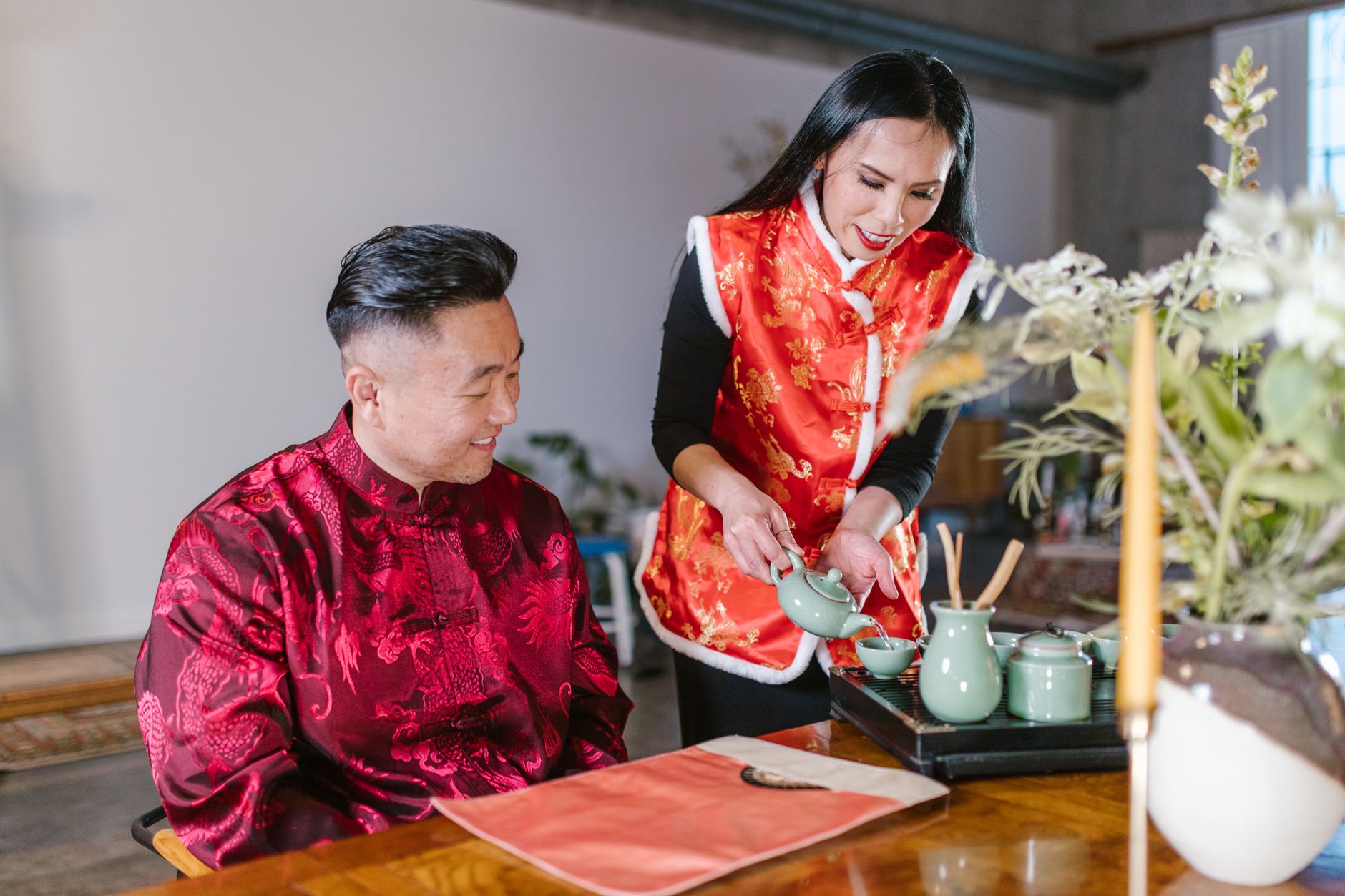
Quick answer: Chinese tea is sorted into six core categories by processing method, not leaf color; basic etiquette requires only a few simple gestures, and you do not need to memorize formal gongfu cha ceremony steps to be a polite guest. As of November 2026, tea is complimentary at nearly all sit-down restaurants, hotel lobbies and public offices across mainland China, so these rules apply at almost every stop on your itinerary.
The Six Core Chinese Tea Types
Contrary to a common Western misconception, Chinese tea categories are defined by oxidation level and processing technique, not the color of the brewed liquid or dried leaves. There are six universally recognized core categories, plus a range of scented and blended teas that do not count as separate categories.
- Green tea: Unoxidized, pan-fired or steamed to stop oxidation immediately after picking. Common varieties include Longjing (Dragon Well) from Hangzhou, Biluochun from Suzhou, and Huangshan Maofeng from Anhui. Flavor is grassy, vegetal, often slightly nutty, typically brewed at 70-80C to avoid bitter notes. You will be served green tea most often in eastern China, particularly Zhejiang and Jiangsu.
- White tea: Lightly oxidized, made from young buds and leaves dried naturally with minimal processing. Famous varieties come from Fuding in Fujian province, including Baihao Yinzhen (Silver Needle) and Bai Mudan (White Peony). Flavor is mild, sweet, with subtle honey notes, brewed at 80-85C. It is less common in casual restaurants, and is mostly served at specialty teahouses.
- Yellow tea: Rare, lightly oxidized, with an extra slow-steaming step that gives it a softer, less grassy flavor than green tea. Most varieties come from Hunan, Sichuan and Anhui, including Junshan Yinzhen. Many casual restaurants do not stock it due to higher cost and lower mainstream demand.
- Oolong tea: Partially oxidized, with oxidation levels ranging from 10% to 70%, creating a huge range of flavors. Light oolongs (like Tieguanyin from Anxi, Fujian) taste floral and bright; dark oolongs (like Dahongpao from the Wuyi Mountains, Fujian, and Phoenix Dancong from Chaozhou, Guangdong) taste roasted, fruity and complex. Oolong is the default tea for gongfu cha style brewing in southern China, including Guangdong and Fujian. HXXC Travel’s Jiangmen-based itineraries often include stops at family-run teahouses serving local Dancong oolong, a regional specialty grown in the nearby Chaozhou hills.
- Red tea (called black tea in the West): Fully oxidized, with a bold, malty, sweet flavor. Common varieties include Qimen (Keemun) from Anhui, Dianhong from Yunnan, and Lapsang Souchong (smoked) from Fujian. It is brewed at 90-95C, and is the most common tea served to international guests in hotels, as its flavor profile matches many Western tea drinkers’ expectations. Note that in China, "black tea" usually refers to post-fermented dark tea, not this category, which can cause ordering confusion.
- Dark tea (hei cha): Post-fermented, aged for months or years after processing. The most famous variety is pu-erh from Yunnan, which comes in loose leaf and compressed cake forms. Flavor is earthy, smooth, often with woody or sweet fermented notes, brewed at 100C. Aged pu-erh can be very expensive, so be wary of high-pressure sales at tourist tea shops claiming to sell rare vintage cakes.
Scented teas, such as jasmine tea, osmanthus tea, and rose tea, are made by blending base tea (usually green or red tea) with flower petals, and are not classified as separate core categories. Jasmine tea is one of the most widely served teas in casual restaurants across northern and southern China.
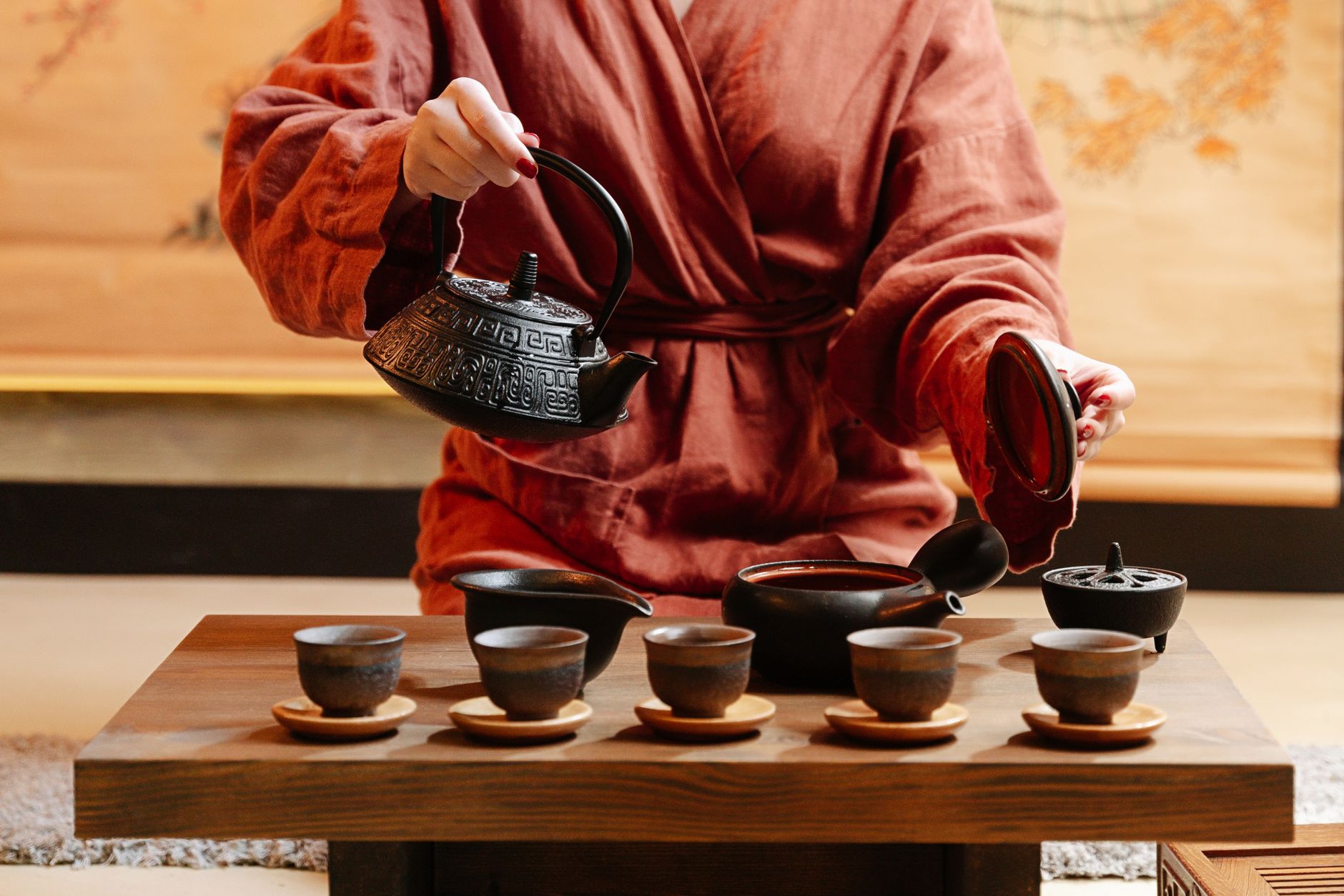
How Tea is Served Across China
Tea service varies widely by region, but you will encounter three common styles as you travel, regardless of province.
First, free restaurant tea: At nearly all sit-down restaurants across China, servers will bring a pot or thermos of hot tea to your table as soon as you sit down, with no extra charge. The tea is usually a low-cost bulk variety, often green tea, red tea, or jasmine. You do not need to tip for this service, and you can flag a server to ask for refills when your pot is empty.
Second, gongfu cha service: This is the small-pot, small-cup brewing style common in Fujian, Guangdong, and the Chaoshan region. Tea is brewed with a high leaf-to-water ratio, steeped for only 10-30 seconds per pour, and served in 30-50ml cups. You will encounter this at specialty teahouses, family homes, and formal business meetings in southern China. A full session may include 6-10 consecutive steeps of the same leaves, with flavor shifting slightly between each pour.
Third, roadside and market tea: In mountain tea-growing regions (like Hangzhou’s Longjing villages, Fujian’s Wuyi Mountains, or Yunnan’s Xishuangbanna), local vendors will often offer free small cups of tea to passing visitors as a casual welcome. This is not usually a high-pressure sales pitch, though vendors may offer to sell you loose leaf if you express genuine interest.
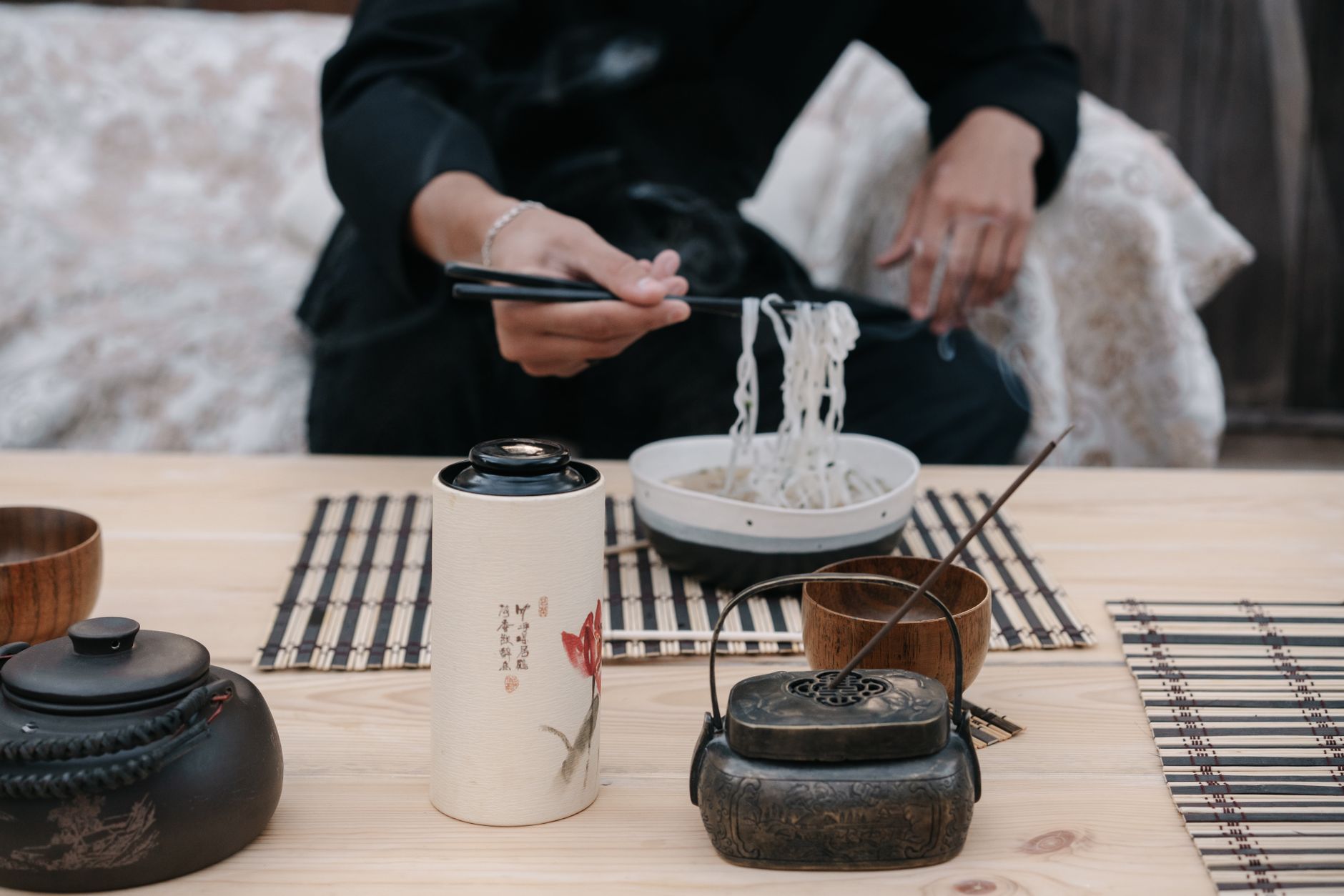
Basic Chinese Tea Etiquette for Travelers
Etiquette rules are simple and designed to make group tea service smooth and respectful, rather than to enforce rigid ceremonial formality.
Table and Restaurant Etiquette
These rules apply at every casual meal, from street food stalls to high-end banquet halls.
- When someone pours tea for you, tap the table twice with two bent fingers (index and middle) to say thank you. This custom is universal across almost all of mainland China, and dates back to a Qing dynasty story where an emperor traveled incognito and poured tea for his servants, who tapped the table instead of kneeling to avoid revealing his identity. You do not need to say thank you out loud if you do the tap, though verbal thanks is also perfectly acceptable.
- Do not fill your own cup first if you are sitting with a group. Fill the cups of the people around you first, starting with the oldest person at the table, then fill your own last.
- If the teapot is empty, prop the lid slightly ajar on top of the pot instead of waving it to call a server. This is a universal signal that you need a hot water refill, and most restaurant staff will notice it immediately.
- Never turn a teapot spout directly toward another person at the table. Point the spout toward an empty spot on the table, or toward yourself, as pointing the spout at someone is considered rude.
- Tea is almost always served hot, even in summer. Iced tea is a Western menu item; most local restaurants do not serve it, so ask for a separate glass of ice if you prefer your drink cold.
Teahouse and Home Visit Etiquette
These rules apply when you are invited to a dedicated tea session, either at a commercial teahouse or a local person’s home.
- Let the host lead the brewing. Do not reach for the teapot or tea utensils to pour your own serving unless the host invites you to help.
- When the host hands you a cup of tea, accept it with both hands as a sign of respect, especially if the host is older than you or holds a senior position.
- It is acceptable to smell the tea leaves or the empty cup between steeps; this is a common part of tasting, and hosts will usually encourage it.
- If you do not want more tea, leave a small amount of tea in your cup when you are done, instead of draining it completely. A fully empty cup signals to the host that you are still thirsty and want another pour. If you are ready to stop, you can say xiexie, wo gou le (thank you, I have had enough) to make your intention clear.
- Do not spit tea back into the cup or onto the tea tray. If you do not like a certain steep, you can pour it into the waste water tray that sits under the teapot, or discreetly swallow a small sip.
Common Etiquette Myths to Ignore
Many online guides overcomplicate Chinese tea etiquette for clicks, and these rules are not actually expected of casual international guests.
- You do not need to learn the full formal gongfu cha ceremony sequence to participate. Hosts and servers do not expect foreign visitors to know specialized hand movements, brewing ratios, or ceremonial greetings; basic politeness is enough.
- You do not have to drink every cup poured for you. If you are sensitive to caffeine, or simply do not like the flavor, it is acceptable to leave a full cup untouched with a quiet thank you.
- You do not need to bring a gift of tea to every home you visit. A small souvenir from your home country is always appreciated, but tea is a common local product, so it is not a required host gift.
- You do not need to slurp tea loudly to show appreciation. While some experienced tea drinkers slurp to aerate the tea and taste more flavor notes, it is not a required gesture, and no one will be offended if you drink quietly.
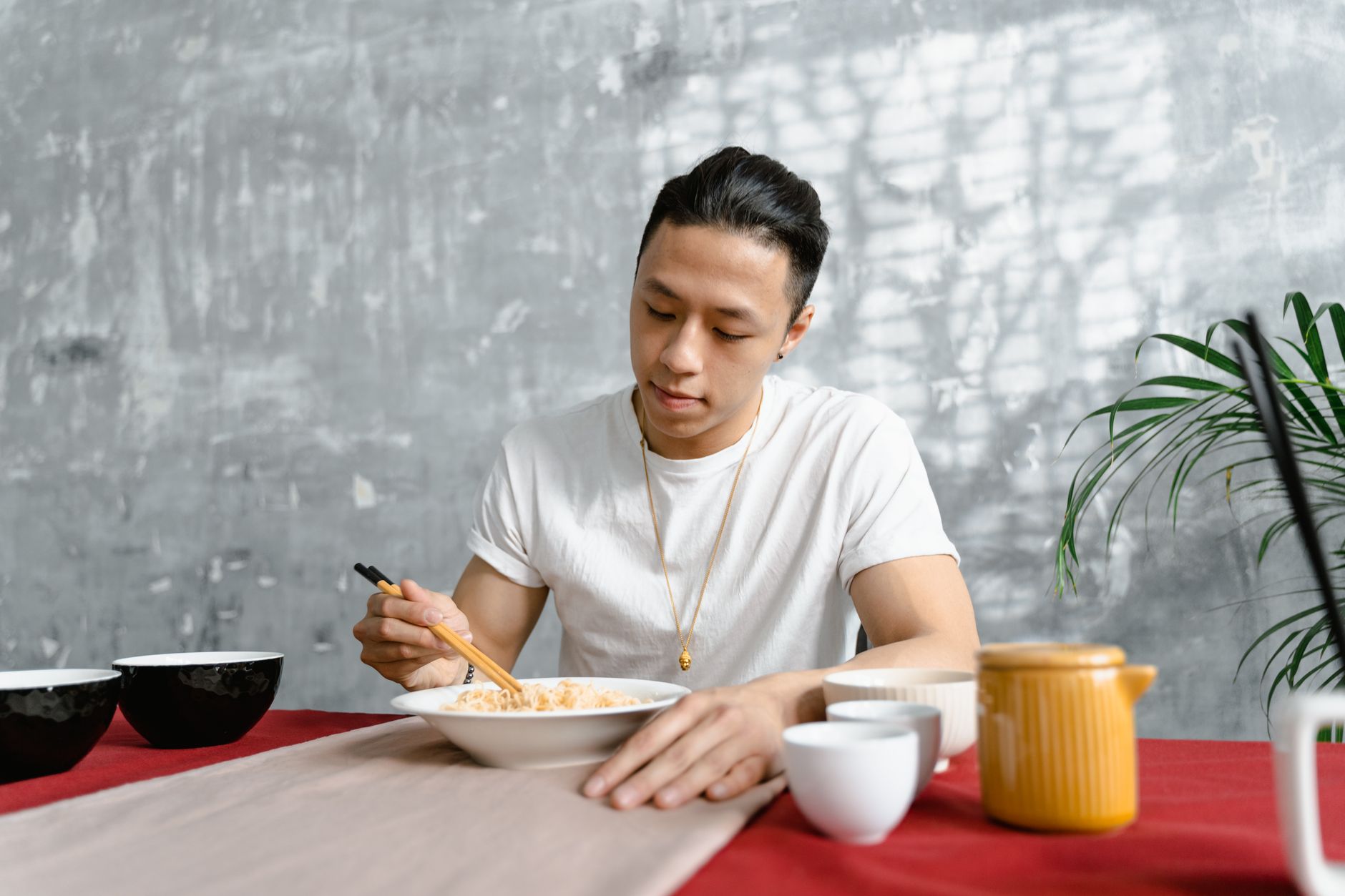
Practical Tips for Ordering and Buying Tea as a Traveler
As of November 2026, prices for tea vary dramatically based on variety, grade, and origin, so keep these tips in mind to avoid overpaying or buying low-quality product. Always recheck current market prices and vendor reviews before making high-value purchases during your trip.
- At casual teahouses, a standard pot of tea for 2-3 people typically costs 30-100 RMB, depending on the tea variety. Premium aged pu-erh or rare high-mountain oolong may cost 200 RMB or more per pot, so ask for the price before ordering to avoid sticker shock.
- Avoid buying pre-packaged "famous tea" from tourist attraction gift shops. These packages are often mixed with low-grade leaves sold at a 5-10x markup over market price. If you want to buy loose leaf tea to bring home, purchase from a dedicated local tea shop that lets you taste the tea before you buy, or buy directly from farmers in tea-growing villages during a guided visit.
- Jasmine tea is a reliable, approachable choice for travelers who are not used to strong or earthy tea flavors. It is widely available across the country, affordable, and easy to brew at home without special equipment.
- If you are traveling through Guangdong, be sure to try local Dancong oolong from Chaozhou, which has distinct natural floral and fruit notes ranging from osmanthus to lychee. HXXC Travel’s custom itineraries in the Greater Bay Area often include day trips to local tea markets and family teahouses where visitors can taste Dancong varieties without high-pressure sales tactics.
- Loose leaf tea is allowed in carry-on and checked luggage for international flights departing China, as long as it is sealed and declared if required by your home country’s customs rules. Most countries allow up to 1-2kg of tea for personal use without duty, but check your home country’s latest import rules before packing.
Frequently Asked Questions
Do I need to know formal tea ceremony rules to visit a Chinese teahouse?
No. As a foreign traveler, servers and hosts will not expect you to know specialized ceremonial steps. Basic politeness, using the two-finger thank you tap, and letting the host lead the brewing process is enough to be a respectful guest. Most teahouse staff will happily explain the tea they are serving if you ask simple questions.
Is it rude to add milk or sugar to Chinese tea?
In casual settings like hotel breakfasts or fast-food restaurants, you can add milk or sugar if it is available, and no one will judge you. At dedicated gongfu cha teahouses or formal tea sessions, milk and sugar are not usually served, and adding them may be seen as a sign that you do not enjoy the tea’s natural flavor, but staff will not be confrontational about it.
How much should I tip for tea service in China?
Tipping is not expected for tea service at restaurants, local teahouses, or private homes across mainland China, as of November 2026. Tea is either included in the price of your meal or priced clearly on the teahouse menu, and there is no need to leave extra cash for servers. Tipping is only common at high-end international hotels that cater primarily to foreign guests.
What is the most common tea served to tourists in China?
Most hotels, tourist restaurants, and group tour operators serve mild red tea (the category called black tea in the West) or jasmine green tea to international guests, as these have approachable flavors that are less bitter than strong green tea or earthy pu-erh. If you have a specific preference, you can ask for a different variety when you are seated.
Related private tours
- 7 Days Yunnan Classic Private Travel Itinerary — 7 days
- Yunnan Dream — Kunming, Dali, Lijiang & Shangri-La — 9 days · From US$900