The most actually rude behaviors at a Chinese meal are sticking chopsticks upright in a bowl of rice, taking the last piece of shared food without offering it to others first, and pointing directly at people with your chopsticks. Most other widely cited “etiquette rules” shared online are either outdated, regional, or carry no real rudeness penalty for foreign guests, as local hosts almost always give travelers leeway for innocent cultural missteps. As of November 2026, this guide is based on input from HXXC Travel’s team of local guides based in Jiangmen, Guangdong, who lead food tours across greater Guangdong, Sichuan, Yunnan, and Beijing.
Key facts at a glance
- Chopsticks stuck upright in rice is universally associated with funeral rituals, and is the only dining misstep that will cause genuine discomfort across all regions of mainland China.
- Tipping is not expected at casual, mid-range, or even most high-end restaurants in China as of 2026; leaving extra cash will often cause staff to chase you down to return it.
- Hosts will routinely place food on your plate as a gesture of hospitality; you do not need to eat every piece, and politely leaving a small amount is not rude.
- Slurping noodles or soup is not considered rude in most parts of China, particularly in Guangdong, Sichuan, and northern noodle-heavy regions.
- There is no universal expectation that you will drink alcohol at a meal; non-alcoholic alternatives are always acceptable if you state your preference clearly.
Common misbeliefs vs. actually rude behavior
A large share of Chinese table manner content online is written by people who have not dined casually across different regions of China, or who apply formal state banquet rules to every casual meal. For a first-time traveler eating at a local dim sum restaurant in Guangzhou, a street food stall in Chengdu, or a family home in a Yunnan village, the bar for politeness is far lower than most guides suggest.
Behaviors that are actually rude across most of China
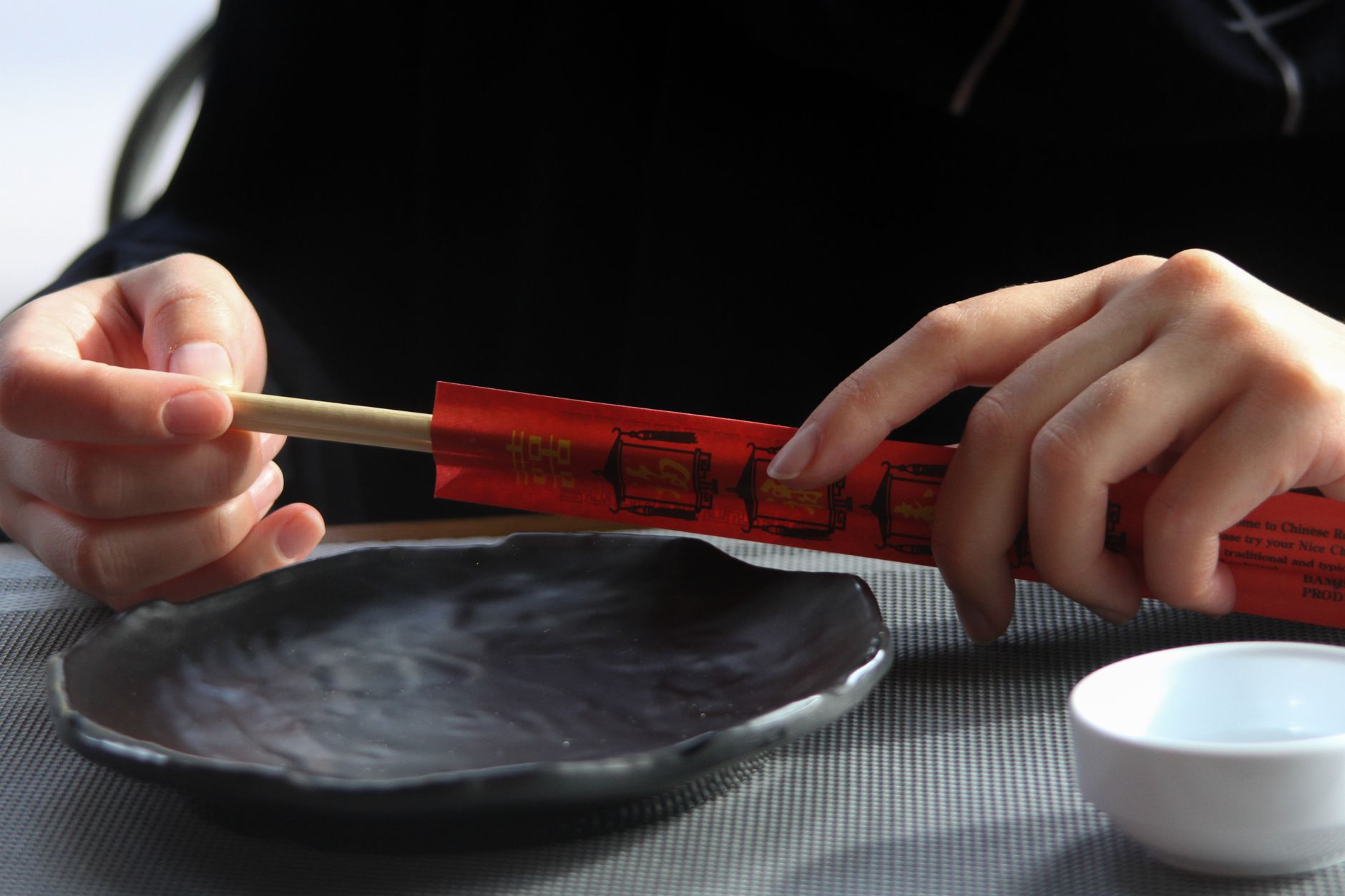
- Sticking chopsticks straight up in a bowl of rice. This is the single most universally recognized rude gesture at a Chinese table, because it mirrors the way incense sticks are placed upright in burners during funeral and ancestral worship rituals. Even if you are only pausing mid-meal to reach for a drink, rest your chopsticks on the provided chopstick rest, on the edge of your plate, or across the top of your bowl instead.
- Pointing at other people with your chopsticks. Gesturing with chopsticks in hand is fine if you are pointing at a dish to ask what it is, but using them to point directly at a person across the table comes off as confrontational and impolite, the same as pointing directly in someone’s face with your index finger is considered rude in most English-speaking countries.
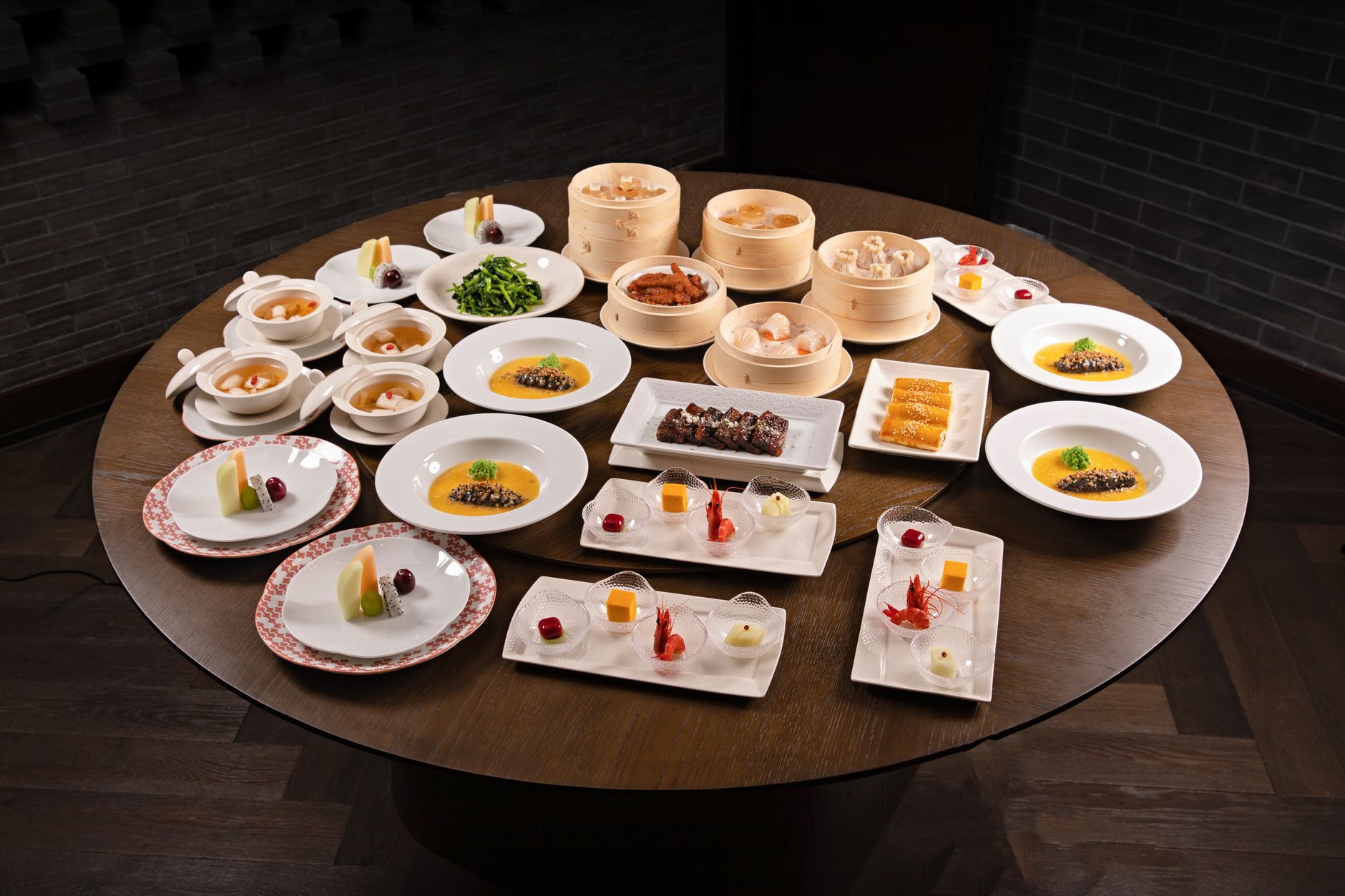
- Digging through shared dishes to pick out your favorite pieces. Most Chinese meals are served family style, with shared plates placed on a lazy Susan in the center of the table. It is rude to rummage through a dish to pull out the best piece of meat or vegetable for yourself; take the piece closest to you when the dish rotates to your side.
- Taking the last piece of food from a shared plate without offering it around first. If there is one dumpling, one slice of roast goose, or one piece of braised pork left on a plate, pause and make a quick gesture to offer it to the people sitting closest to you before taking it. No one will be upset if you take it after offering, but grabbing it immediately without checking reads as selfish.
- Starting to eat before the oldest person at the table has taken their first bite. This rule applies mostly to formal meals and family gatherings, not fast casual meals where everyone gets their food at different times. At a hosted meal, wait for the senior guest or host to lift their chopsticks first before you start eating.
- Tapping chopsticks on the edge of your bowl. This is a mildly rude gesture, as it is historically associated with beggars tapping their bowls to ask for food. Most young people in urban China do not enforce this rule, but it is an easy misstep to avoid.
Behaviors many guides call rude that are totally acceptable
- Leaving a small amount of food on your plate. A generation ago, finishing all food on your plate was a sign you were still hungry, and hosts would rush to serve you more. In 2026, this norm has softened almost completely across urban China, and most people will not notice or comment if you leave a small amount of food you cannot finish. You do not need to force yourself to eat past fullness to be polite.
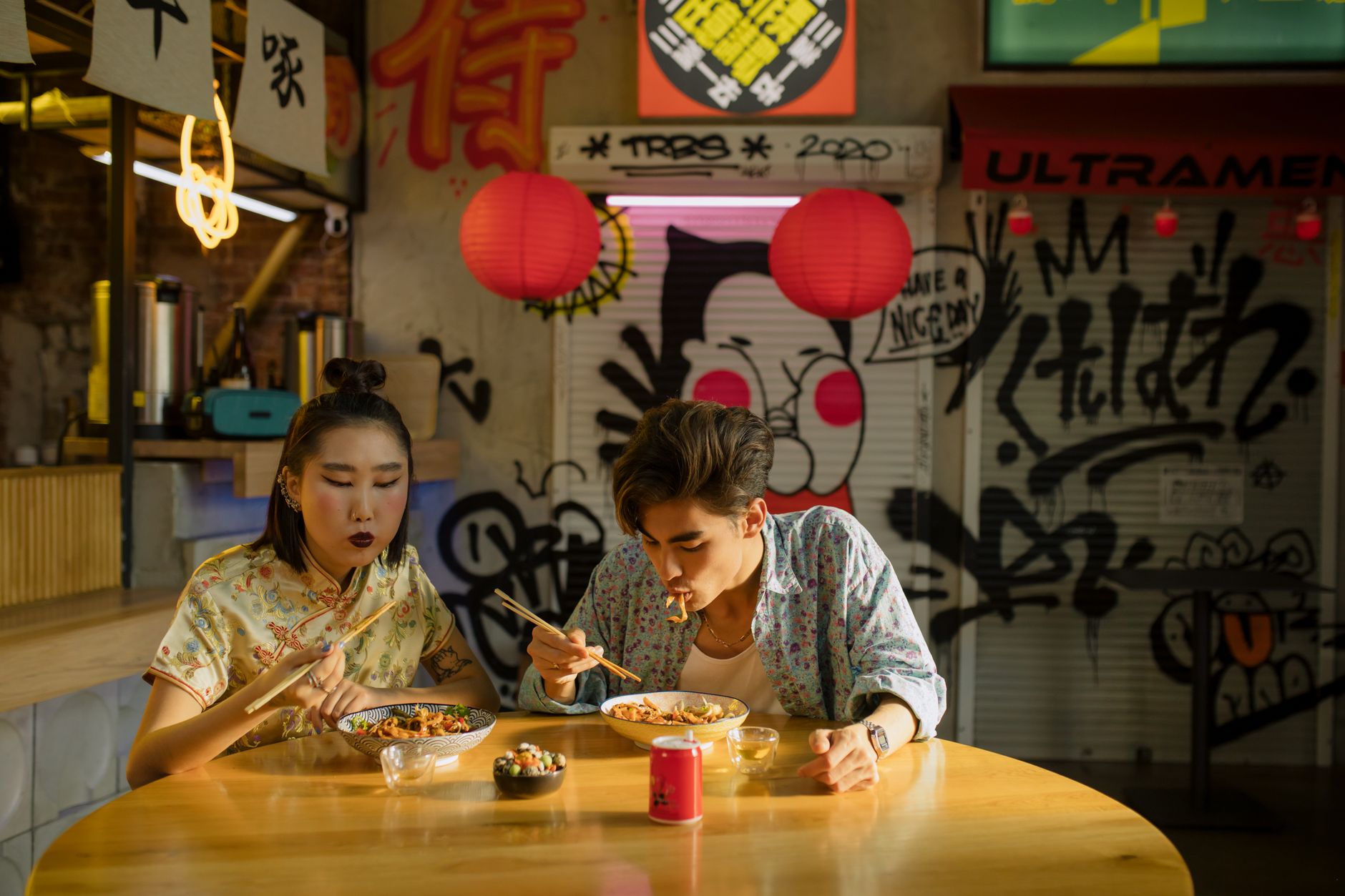
- Slurping noodles or soup. In noodle-focused regions like Lanzhou, Chengdu, and Guangzhou, slurping is simply a practical way to eat hot noodles without burning your mouth, and carries no negative connotation. No one will judge you for slurping, or for choosing to eat more quietly.
- Refusing alcohol. Many older guides reference a hard rule that you must accept every toast of baijiu at a banquet, but this is no longer the norm as of 2026, even at formal business meals. You can politely decline alcohol by saying you do not drink, or that you are taking medication, and ask for tea, soda, or warm water instead. Hosts will not press you after you decline once clearly.
- Failing to do the two-finger tea tap. The gesture of tapping two bent fingers on the table to thank someone who pours you tea is a nice regional custom, but it is never required. A verbal “thank you” is always an acceptable replacement.
- Placing bones or food scraps directly on the table next to your plate. In many southern Chinese regions including Guangdong, it is standard practice to place inedible bits (fish bones, shrimp shells, poultry bones) on the tablecloth or a provided small scrap dish, rather than piling them on your main plate. Waitstaff will come by regularly to clear scraps, and this is not considered messy or rude.
Regional differences to expect
Table manners are not uniform across China, and norms change noticeably between provinces and between formal and casual settings.
In Guangdong, where HXXC Travel is based, dim sum meals move at a fast pace. Diners routinely tap the lazy Susan to rotate dishes without asking for formal permission, pour tea for neighboring guests as a casual courtesy, and spend far less time on structured toasts than at northern Chinese banquets. Quiet burping after a meal is not considered rude here; it is often taken as a sign you enjoyed the food.
In northern China, including Beijing and Shandong province, formal banquet traditions are more closely observed. Toasts are more common, hosts will place particularly choice pieces of food (a piece of crisp Peking duck skin, a whole prawn, a pork and cabbage dumpling) directly on your plate as a sign of welcome, and it is polite to return a small toast to the host at some point during the meal if you are drinking alcohol.
In Sichuan and Chongqing, hot pot meals are loud, casual affairs. People will dip food in and out of the shared pot at the same time, debate how long to cook the duck blood or lotus root, and there is almost no expectation of strict formality. The only widely observed rule at a Sichuan hot pot meal is to use shared serving chopsticks to place food into and pull food out of the boiling pot, rather than using your personal eating chopsticks, when serving chopsticks are provided.
Tipping, payment, and restaurant norms
As of November 2026, tipping is not expected at any level of restaurant in mainland China, from street food stalls costing 15-30 RMB per person to high-end banquet restaurants costing 500+ RMB per person. Many restaurant staff do not keep tips even if offered, and will run after you to return cash you left on the table. Re-check local norms before travel if you plan to stay at international luxury hotel restaurants, as these are the only small subset of venues where tipping may be accepted for staff who regularly serve foreign guests.
When the bill comes, it is common for people at the table to argue briefly over who will pay. This is not a performative gesture; paying for a meal is seen as a way to show generosity to friends and guests. As a foreign guest, you are not expected to win this argument, and it is perfectly polite to let your host pay if they invited you out. If you want to pay yourself, you can walk directly to the front counter to settle the bill before the meal ends, which avoids the table-side negotiation entirely.
Most restaurants across China now provide dedicated serving chopsticks (gong kuai) for each shared dish, particularly after public health campaigns in the 2020s. These are longer chopsticks used only to move food from the shared plate to your own personal plate, not to eat directly from. It is polite to use these when they are provided, but no one will call you out if you accidentally use your personal chopsticks once or twice.
What hosts expect from foreign guests
Local hosts and restaurant staff in China hold foreign guests to a far lower etiquette bar than they hold local people. No one expects you to know every small regional custom, and most missteps will be met with a laugh and a quick explanation rather than offense.
The HXXC Travel guide team recommends three simple, low-effort moves that will make you come off as polite at any meal, no matter the region:
- Say a quick verbal thank you when someone pours you tea or places food on your plate.
- Offer the last piece of food on a shared plate to the people next to you before taking it.
- Rest your chopsticks on the edge of your plate or a chopstick rest instead of sticking them upright in rice.
That is all you need to know to avoid any genuine awkwardness. You do not need to memorize formal toast scripts, learn the exact angle for a tea pour, or follow arbitrary rules from outdated etiquette guides.
Frequently asked questions
How rude is it to stick chopsticks upright in rice in China?
Sticking chopsticks upright in a bowl of rice is the most widely recognized rude dining gesture across all regions of mainland China, as it directly evokes funeral ritual traditions. Most local people will understand if a foreign traveler does this by accident, but it is the one misstep that will cause immediate visible discomfort across formal and casual settings.
Is it rude to finish all your food in China?
It is not rude to finish all your food in China in 2026. The old norm that finishing your plate signaled you were not given enough food has mostly faded in urban areas, though older hosts in rural areas may still offer you extra food if you clean your plate entirely. It is equally acceptable to leave a small amount of food you cannot finish.
Is it rude to tip in China?
As of November 2026, tipping is not expected and is often refused at local restaurants, hotels, and for taxi and ride-hailing services across mainland China. Leaving a tip is not actively rude, but it will often cause confusion, and staff may chase you to return the money. Re-check local tipping norms before travel if you are visiting high-end international hotels that cater primarily to foreign tourists, as these are the only venues where tipping may be accepted.
Why do Chinese people tap the table when tea is poured?
The two-finger table tap is a casual way to say thank you to the person who poured your tea, most commonly used in southern China including Guangdong, Fujian, and Hong Kong. The gesture is said to date back to a Qing dynasty story where an emperor poured tea for a servant in disguise, and the servant tapped the table to represent a kowtow that would have given away the emperor’s identity. It is not required, and a verbal thank you is always acceptable.
Can I use a fork instead of chopsticks in China?
Almost all mid-range and casual restaurants in major tourist cities have forks and spoons available for foreign guests who ask, and using a fork is not considered rude. No one will judge you for not being proficient with chopsticks, particularly if you are a first-time visitor. Small street food stalls and family-run restaurants in remote areas may not have forks available, but you can always ask.
Is it rude to slurp noodles in China?
Slurping noodles and hot soup is not considered rude in most regions of China. It is a practical way to cool hot food as you eat it, and many people associate loud slurping with enjoyment of the meal. You do not need to intentionally slurp to be polite, and you also do not need to go out of your way to eat silently.
Related private tours
- Best Of China — 20-Day Private Tour — 20 days
- Pandas, Peaks & Palaces — 12-Day Family Journey — 12 days
- Best Tour In China - 19 Days Trip — 19 days · From US$2,896