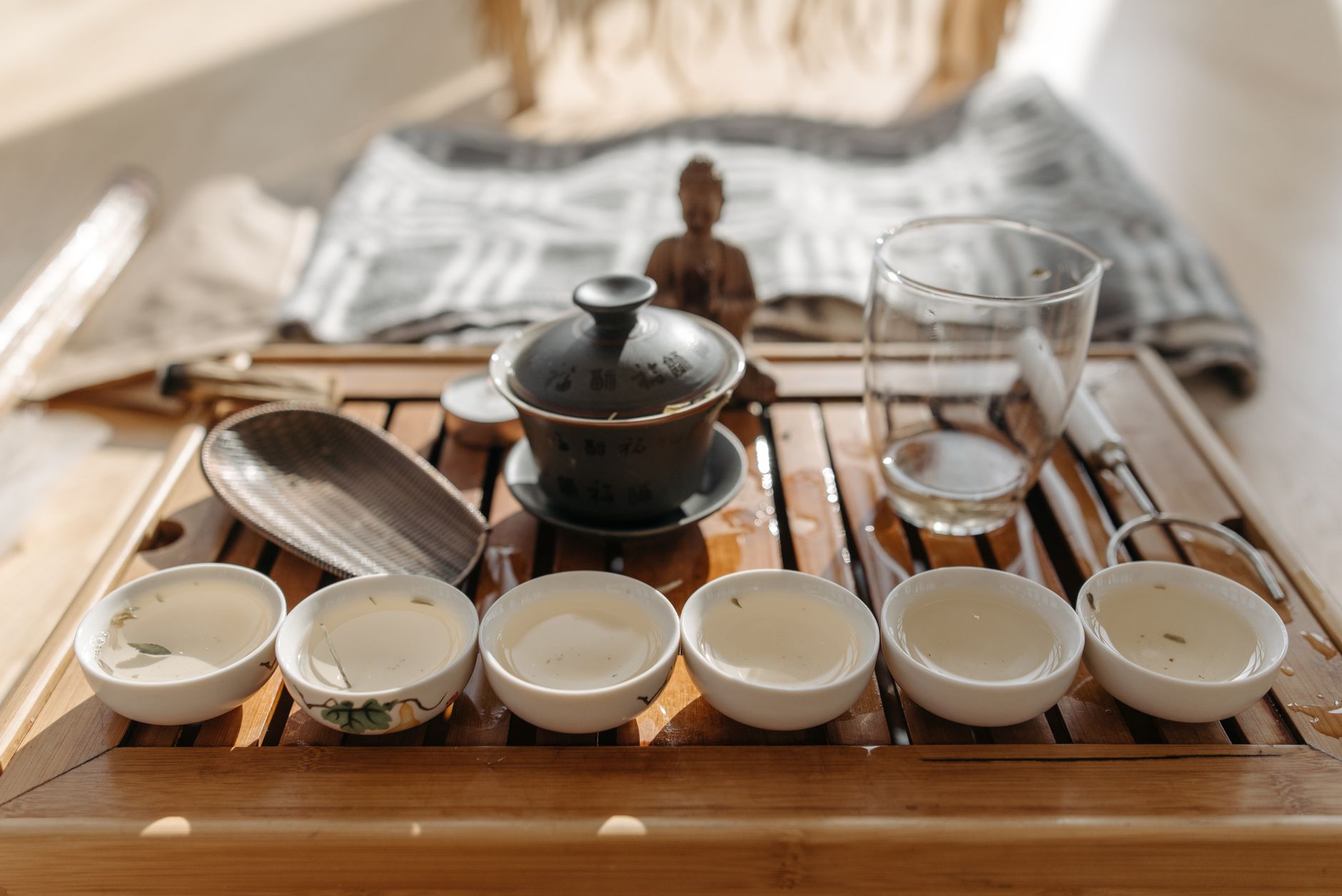
For first-time visitors to China, the three dominant native and imported spiritual traditions — Confucianism, Taoism, and Buddhism — shape nearly every part of public life, from restaurant etiquette to major landmark sites, and this primer gives you all the practical context you need to visit respectfully.
Core Background For First-Time Visitors
Unlike most Western spiritual systems, these three traditions have co-existed and influenced each other for more than 1500 years, with no history of large scale religious war between followers. The vast majority of Chinese people do not hold exclusive formal affiliation to any one tradition, and will draw on practices from all three for different life events and needs. 2026 state social survey data shows less than 20 percent of Chinese adults identify as formally religious, but more than 80 percent report taking part in at least one traditional ritual tied to Confucianism, Taoism or Buddhism every year.
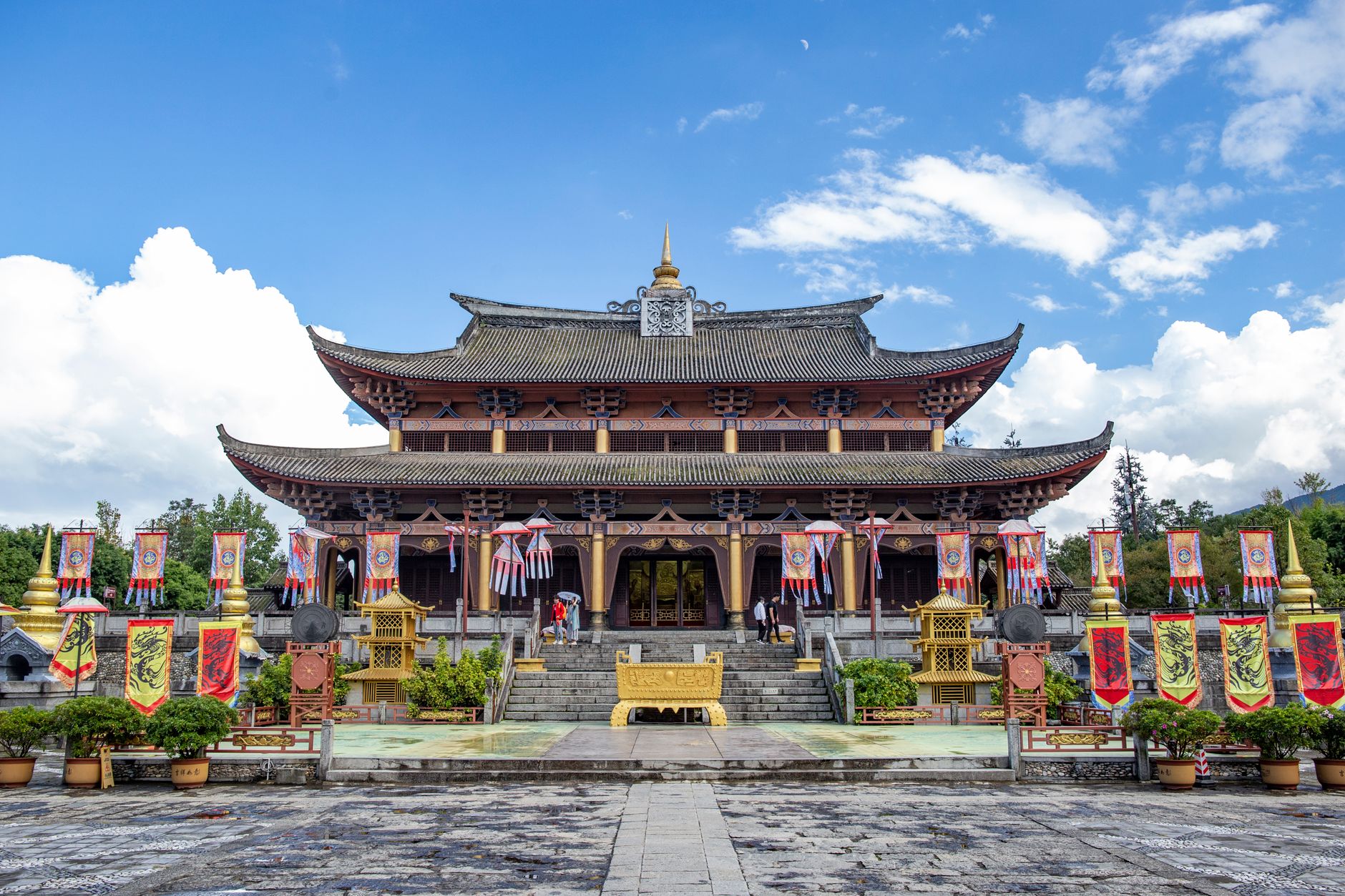
Confucianism: Core Beliefs And Accessible Visit Sites
Key Beliefs
Confucianism is widely categorized as an ethical and social system rather than a religion, even though many people treat its founder Kong Qiu (Confucius) as a revered cultural figure. Its core precepts center on ren (benevolence), li (proper ritual), xiao (filial piety) and respect for established social hierarchy and community order. These ideas inform common interactions you will see on your trip, from younger people deferring to elders in public spaces to the emphasis placed on formal banquets for business and family gatherings.
Top Public Confucian Sites To Visit
The most important Confucian site cluster is located in Qufu, Shandong, the birthplace of Confucius. The three connected sites are the Temple of Confucius, the Kong Family Mansion, and the Cemetery of Confucius. As of November 2026, the combined adult ticket for all three sites is 140 RMB, with opening hours 8am to 5:30pm daily. The site is 90 minutes by high speed rail from Jinan West Station to Qufu East Station, with a 10 minute local taxi ride from the station to the site entrance. For visitors who do not have time to travel to Shandong, the Confucian Temple in central Nanjing, adjacent to the Qinhuai River, costs 25 RMB per adult for entry, and is accessible via Nanjing Metro Line 3 to Fuzimiao Station.
Taoism: Core Beliefs And Recommended Visit Spots
Taoism is the only one of the three major traditions that originated entirely within China, with formal codification dating back to the 2nd century CE.
Key Beliefs
The core concept of Taoism is the Dao, or the underlying natural order of the universe. Practitioners focus on achieving harmony with this order through wu wei, or action that follows natural flow rather than forced effort. Common Taoist practices include qigong, traditional herbal medicine, and the use of fortune slips to ask for guidance on major life decisions. Many Taoist mountain sites are also designated protected scenic areas, as the tradition places heavy emphasis on respect for natural landscapes.
Top Taoist Sites To Visit
Mount Qingcheng in Sichuan, the historical birthplace of organized Taoism, sits 70 kilometers northwest of Chengdu. As of November 2026, entry to the front scenic area costs 80 RMB per adult, with opening hours 8am to 6pm daily. The site is accessible via 1.5 hour private car ride from central Chengdu. For visitors in Beijing, the White Cloud Taoist Temple, located 3 kilometers west of the city center, costs 10 RMB per adult for entry, and hosts an active community of 50+ resident Taoist monks. You can buy a set of 3 joss sticks for 5 RMB at the entrance to use at the main altar, if you choose.

Buddhism In China: Core Context And Visitor Tips
Buddhism arrived in China via the Silk Road in the 1st century CE, and adapted heavily to existing Chinese cultural norms over the following centuries. There are three distinct branches of Chinese Buddhism present today: Han Chinese Buddhism, which makes up 90 percent of all sites, Tibetan Buddhism, dominant in Tibet, Qinghai and parts of Sichuan, and Theravada Buddhism, present in southern Yunnan province near the Myanmar and Laos borders.
Key Context For Visitors
Unlike many Buddhist sites in Southeast Asia, most Chinese Buddhist temples do not require visitors to remove shoes for main hall entry, unless they are smaller active monastic sites. Worshippers typically offer 3 sticks of incense at the main altar, representing the Buddha, the dharma, and the sangha (monastic community).
Top Accessible Buddhist Sites To Visit
The Big Wild Goose Pagoda in southern Xi'an, built in 652 CE to house Buddhist scriptures brought back from India by the monk Xuanzang, has no entry fee for the surrounding public grounds, and a 50 RMB fee to climb the pagoda itself. The Potala Palace in Lhasa, the most famous Tibetan Buddhist site, costs 200 RMB per adult for entry as of November 2026, and all tickets must be reserved 7 full days in advance via the official Lhasa Cultural Tourism WeChat mini program. No walk-up tickets are sold for this site.

Universal Temple Etiquette That Applies To All Three Traditions
These rules apply to every public site tied to Confucianism, Taoism and Buddhism across mainland China:
- Do not step over any incense offering mats or main hall threshold steps. Step over the threshold with your right foot first if possible, and do not stand or sit directly on the threshold itself.
- Do not take photos of any altar, statue or worshipper if a no photography sign is posted. Flash photography is banned in all main halls even if no sign is visible, as it damages old painted artworks and disturbs worshippers.
- Do not speak loudly, play audio, or take phone calls inside any main hall.
- Do not touch prayer beads, prayer wheels, ritual instruments or the clothing of any monk, nun or lay worshipper without explicit permission.
- Do not hand cash directly to monks or nuns. All registered public sites have clearly marked donation boxes if you wish to leave a voluntary contribution.
- Avoid wearing overly revealing clothing, including sleeveless tops and shorts shorter than knee length, if you plan to enter a main hall. Most large sites have free disposable cover-ups available at the entrance if you are not appropriately dressed.
Common Misconceptions For International Travellers
Many first-time visitors assume the three traditions are mutually exclusive, but this is not the case for the vast majority of local people. It is normal for a family to take part in a Confucian ancestor grave sweeping ceremony at Qingming Festival, visit a Taoist temple to draw a fortune slip before a child takes the national college entrance exam, and visit a Buddhist temple to pray for a sick relative's recovery, all within the same calendar month. There is no sense of religious contradiction tied to these practices. You do not need to be a follower of any of these traditions to visit their public sites. Tourists of all religious beliefs and no religious beliefs are welcome at all designated public sites, as long as they follow the posted etiquette rules.
Itinerary Planning Notes From HXXC Travel
As local tour operators based in Jiangmen, Guangdong, our on-ground advisors have arranged custom visits to spiritual and cultural sites across the country for thousands of international guests since 2008. For visitors based in Guangdong with limited time, we can arrange a day trip to Luofu Mountain, a major Taoist site 90 minutes by car from Guangzhou, or a visit to the 1,300 year old Kaiyuan Buddhist Temple in Chaozhou, included as a standard stop on our Chaoshan food culture tours. As of November 2026, all public religious sites in mainland China are open to foreign tourists with valid passports. The only exception are a small number of remote, unmarked monastic communities that do not accept any visitors, domestic or international. Remote sites in the Tibet Autonomous Region require a standard Tibet Travel Permit, which our team can arrange for all eligible guests 14 days before their arrival in Lhasa.
References & Updates
This guide is written and reviewed monthly by HXXC Travel's in-house cultural specialist team, with the latest full review completed on October 23 2026. The next scheduled review is November 22 2026. All details marked as "as of November 2026" including ticket prices, opening hours and access policies are subject to adjustment by site management. We recommend confirming the latest opening status for any site you plan to visit 72 hours in advance of your scheduled trip.
FAQ
Do I need to be religious to enter a temple or Confucian site in China?
No. There is no requirement for visitors to hold any specific belief to enter any public cultural or spiritual site. The only requirements are that you follow the posted public etiquette rules, which are clearly marked at the entrance of every site.
Can I join a public prayer or offering ceremony as a tourist?
Most sites allow all visitors to observe public ceremonies, and many will let you participate in lighting incense or leaving a small pre-approved offering if you ask the attending site staff first. Do not interrupt a ceremony to take photos or approach participating worshippers without permission.
Are there any sites that are closed to foreign passport holders?
As of November 2026, no major publicly listed Confucian, Taoist or Buddhist site in mainland China restricts entry for foreign passport holders. The only sites with restricted access are small, unmarked remote monastic communities that do not accept any visitors at all. If you are planning a trip to a remote area outside major tourist hubs, you can reach out to our HXXC Travel advisors to confirm access status 7 days before travel.
Related private tours
- Lhasa, Nyingchi & Shigatse — 10-Day Tibet Tour — 10 days
- Beijing Icons, Avatar Peaks & Panda Trails — 8 Days — 8 days · From US$1,628
- Pandas, Peaks & Palaces — 12-Day Family Journey — 12 days