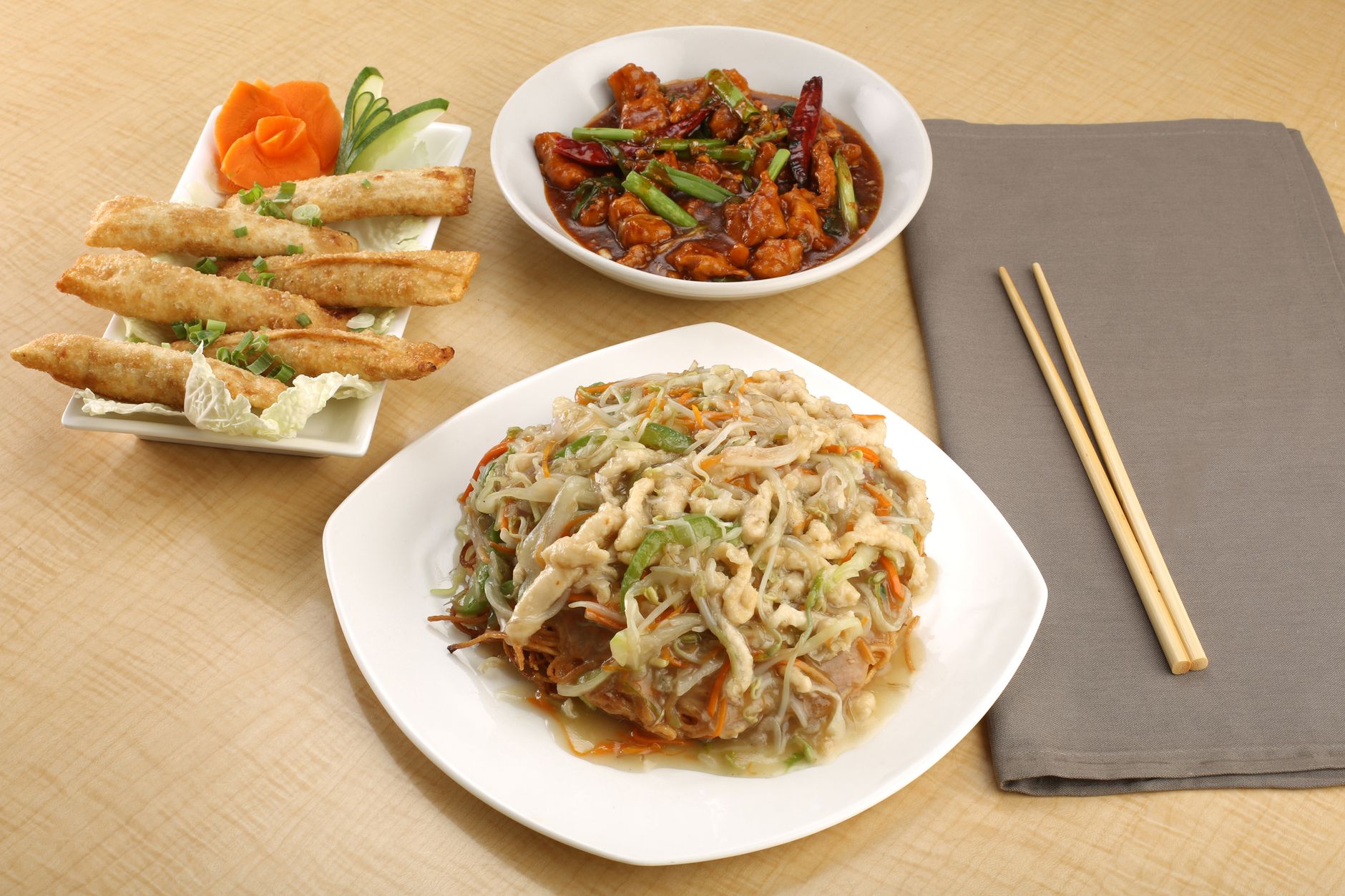
Quick answer: Chinese noodle styles shift sharply across regions due to local crop availability, climate, historic trade routes, and daily work routines, creating distinct wheat, rice, and buckwheat noodle traditions that map closely to China’s major agricultural and cultural zones. As of November 2026, nearly all the local noodle styles referenced here are served at neighborhood shops across their home regions, though operating hours can shift during public holidays, so travelers should confirm details locally before making a dedicated trip.
The Core Divide: Wheat vs Rice Noodle Zones
The biggest split in Chinese noodle traditions follows the Qinling-Huaihe Line, the geographic boundary that runs from southern Gansu through Shaanxi, Henan, Anhui, and Jiangsu, separating northern dry wheat-growing regions from southern wet rice-growing regions. North of the line, annual rainfall sits below 800mm, winters drop well below freezing for weeks at a time, and wheat and millet have been the dominant staple crops for more than 4,000 years. Noodles here are almost exclusively made from wheat flour, rolled or pulled to varying thickness, and formulated to deliver high calories for cold weather and physically demanding farm or manual labor.
South of the line, annual rainfall tops 800mm, long humid growing seasons support two rice crops per year, and rice noodles – made from soaked, ground, steamed rice – make up the majority of local noodle dishes. Buckwheat, oat, and mung bean starches fill niche roles in high-altitude or arid zones where neither wheat nor rice grows reliably.
Northern Wheat Noodle Regions
Beijing and Hebei: Zhajiangmian and Hand-Pulled Noodles
The classic Beijing noodle dish is zhajiangmian: thick, chewy wheat noodles topped with fermented soybean paste stir-fried with ground pork, plus fresh shredded cucumber, radish, and bean sprouts. It originated as a working-class street food, affordable and quick to serve, designed to fill up laborers and commuters. Local hand-pulled noodles (lamian) in this region are thicker and chewier than western Chinese versions, served in light beef or lamb broth, typically priced 15-25 RMB per bowl as of November 2026. Most old Beijing noodle shops serve noodles by weight, with standard servings of 2 liang (100g dry weight) for lighter eaters, 3 liang (150g) for standard portions, and 4 liang (200g) for larger appetites.
Shanxi: Knife-Cut Noodles
Shanxi’s arid loess soil supports a mix of wheat, buckwheat, oat, and sorghum, leading to more than 100 documented local noodle shapes across the province. The most famous style is knife-cut noodles (dao xiao mian), sliced directly from a block of firm kneaded dough into boiling water to create uneven, chewy edges that hold sauce well. These are often served with vinegar-based dipping sauces or simple tomato and egg topping, priced 12-20 RMB per bowl. Long noodle strands are served for birthday meals across Shanxi, a custom that later spread nationwide as a symbol of long life.
Shaanxi: Biangbiang Noodles
Shaanxi’s Guanzhong Plain is one of China’s oldest wheat-growing regions, and biangbiang noodles get their onomatopoeic name from the slapping sound dough makes when pulled against the worktable. A standard bowl uses one wide, flat strand that can be 3-4cm across and more than a meter long, served with minimal broth, heavy on chili oil and black vinegar, priced 18-30 RMB per bowl as of November 2026. Most shops in Xi’an’s Muslim Quarter serve a halal version with lamb instead of pork, suitable for Muslim diners.
Gansu and Ningxia: Lanzhou Beef Lamian
Lanzhou hand-pulled beef noodles originated as a street food for Silk Road traders, using halal beef, pulled to order into eight standard thicknesses from hair-thin (maoxi) to wide flat (kuandai). The clear broth is simmered for 12+ hours with beef bones, ginger, and local herbs, priced 10-18 RMB per bowl as of November 2026, making it one of the most affordable staple meals in western China. Most Lanzhou beef noodle shops open before 6am and sell out by 2pm, as local tradition holds broth is freshest in the first hours after simmering.

Southern Rice Noodle Regions
Guangdong: Wonton Noodles and Rice Vermicelli
As HXXC Travel’s on-the-ground team in Jiangmen can confirm, Cantonese noodle traditions prioritize light, clear flavors and springy texture, designed to be easy to eat in the region’s hot, humid climate. Wonton noodles use thin egg wheat noodles – a holdover from centuries of north-south trade – served in a light shrimp and pork bone broth, with plump shrimp and pork wontons, priced 20-35 RMB per bowl. Rice vermicelli (lai fun) is served stir-fried or in soup, often with fish balls or braised beef brisket, a standard breakfast across Guangdong’s cities and towns.
Guangxi: Guilin Rice Noodles and Liuzhou Luosifen
Guilin rice noodles are made from fermented rice paste, giving them a subtle tang, served in spiced broth with braised pork, pickled beans, and peanuts, priced 10-18 RMB per bowl. Liuzhou river snail noodles (luosifen) originated as late-night street food for Liuzhou river dock workers, made with round rice noodles, sour bamboo shoots, pickled vegetables, and broth simmered with river snails and pork bones. The strong fermented scent of sour bamboo shoots is polarizing for first-time visitors, but the dish is now sold across every province in China. As of November 2026, most Liuzhou luosifen shops offer adjustable spice levels for travelers unaccustomed to chili heat.
Yunnan: Crossing the Bridge Noodles
Crossing the bridge rice noodles (guo qiao mi xian) come from Mengzi in southern Yunnan, served DIY-style: a large bowl of boiling, oil-sealed chicken broth is brought to the table, with thin slices of raw pork, chicken, fish, fresh herbs, and thick rice vermicelli on the side, which diners cook themselves in the hot broth. The oil layer traps heat, keeping the broth hot enough to cook ingredients for 10-15 minutes without a stove, a design originally created to carry hot meals to scholars studying on islands in local lakes. Standard sets cost 25-60 RMB per person, depending on the number of side ingredients included.
Sichuan and Chongqing: Dandan Noodles and Xiaomian
Sichuan sits on the western edge of the rice-wheat transition zone, so local noodle traditions mix wheat noodles with the region’s signature flavors of Sichuan peppercorn, chili oil, and fermented broad bean paste. Dandan noodles are thin wheat noodles tossed with a spicy sauce of ground pork, chili oil, Sichuan peppercorn, and preserved vegetables, served with very little broth, priced 12-22 RMB per bowl. Chongqing small noodles (xiaomian) are a daily breakfast staple across Chongqing: thin wheat noodles in a spicy, numbing broth with oil-fried greens and peanuts, with most shops offering up to 12 adjustable seasoning levels.

High-Altitude and Coastal Niche Styles
On the Tibetan Plateau, where neither wheat nor rice grows reliably above 3,000m, noodles are made from roasted highland barley (qingke) flour, often served in thick yak meat broth to deliver dense calories for cold, high-altitude conditions. In Guizhou, sweet potato starch noodles are paired with local sour tomato broth, leveraging the tuber’s ability to grow in poor, sloped hillside soil. In coastal Fujian, thin rice vermicelli is served with oysters and other local shellfish, matching the region’s long fishing heritage.
Practical Ordering Tips for Travelers
Ordering noodles across China is straightforward once you know the standard conventions, and most shop owners will accommodate simple requests even if you do not speak Mandarin. Keep these guidelines in mind:
- Portion sizes: Most northern noodle shops serve larger portions designed for heavy physical work, while southern portions tend to be smaller, structured for multiple small meals per day. If you have a small appetite, ask for xiao fen (small portion) when ordering; most shops will adjust for no extra charge.
- Spice levels: Noodles from Sichuan, Chongqing, Guizhou, and Guangxi are typically served with large amounts of chili oil and Sichuan peppercorn. Ask for bu la (no spice) or wei la (mild spice) if you do not eat spicy food.
- Broth vs dry: Many noodle styles come in two versions: tang (served in broth) or gan (tossed, no broth). If you prefer less liquid, ask for the dry version, which often has more concentrated sauce flavor.
- Pricing: As of November 2026, the average price for a standard bowl of street or local shop noodles across China ranges from 10 RMB in smaller western and northern cities to 40 RMB in central Shanghai or Beijing tourist areas. Prices above 60 RMB for a single bowl almost always indicate a tourist-focused restaurant, not a local neighborhood shop.
HXXC Travel’s local advisors, based across Jiangmen and partner offices in Xi’an, Chengdu, and Kunming, can direct travelers to neighborhood noodle shops away from tourist strips, where portions are consistent and prices reflect local rates rather than visitor markups.
Why These Regional Differences Persist
Crop availability is only one factor shaping noodle styles. Local work routines play a large role: Lanzhou beef noodles are served early and sold out fast because dock and transport workers along the old Silk Road started shifts before sunrise, while Chengdu and Guangzhou late-night noodle stalls cater to service workers finishing shifts after 10pm. Historic trade routes moved ingredients across regions: chili peppers, now a core part of Sichuan and Guizhou noodle dishes, only arrived in China via coastal trade in the 16th century, before which local noodles used Sichuan peppercorn, ginger, and vinegar for flavor. Climate shapes serving style, too: in cold northern regions, noodles are often served in thick, hot broth to raise body temperature in winter, while in hot southern regions, dry tossed noodles or cold noodle dishes are common in summer to avoid excess steam and heat.
Frequently Asked Questions
Are all Chinese noodles made from wheat?
No. Wheat noodles dominate north of the Qinling-Huaihe Line, but rice noodles are the standard across most of southern China, and high-altitude regions use highland barley, buckwheat, and sweet potato starch for local noodle dishes.
What is the most popular noodle dish in China?
There is no single national noodle dish. Lanzhou beef noodles, Chongqing small noodles, and Guilin rice noodles are the most widely available across all provinces, due to their low price and fast preparation, but every region has a local staple most residents prefer over outside styles.
How much should I pay for a good bowl of noodles in China?
As of November 2026, a standard bowl from a local neighborhood shop costs 10-25 RMB in most second- and third-tier cities, and 20-40 RMB in first-tier city centers. Bowls priced above 60 RMB are almost always targeted at tourists, unless they include premium ingredients like seafood or wild mushrooms.
Can I find gluten-free noodles in China?
Rice, buckwheat, sweet potato, and mung bean noodles are naturally gluten-free, but cross-contamination is common in small street shops that cook wheat noodles in the same pots and use shared utensils. Travelers with celiac disease should look for dedicated rice noodle shops or inform restaurant staff of dietary restrictions clearly before ordering.
References & updates
This guide is reviewed monthly by HXXC Travel’s on-the-ground food and culture team in Jiangmen, with price and operating hour updates cross-checked with local shop owners across key regions. Last update: October 23, 2026. As with all local dining information, operating hours, dish availability, and prices can shift without notice during public holidays or seasonal changes, so travelers should re-confirm details locally before planning a dedicated trip to a specific shop.
Related private tours
- 7 Days Yunnan Classic Private Travel Itinerary — 7 days
- Grand China Odyssey — 19 Days Cross-Country — 19 days · From US$2,450
- Grand China Explorer — 15 Days — 15 days · From US$1,500