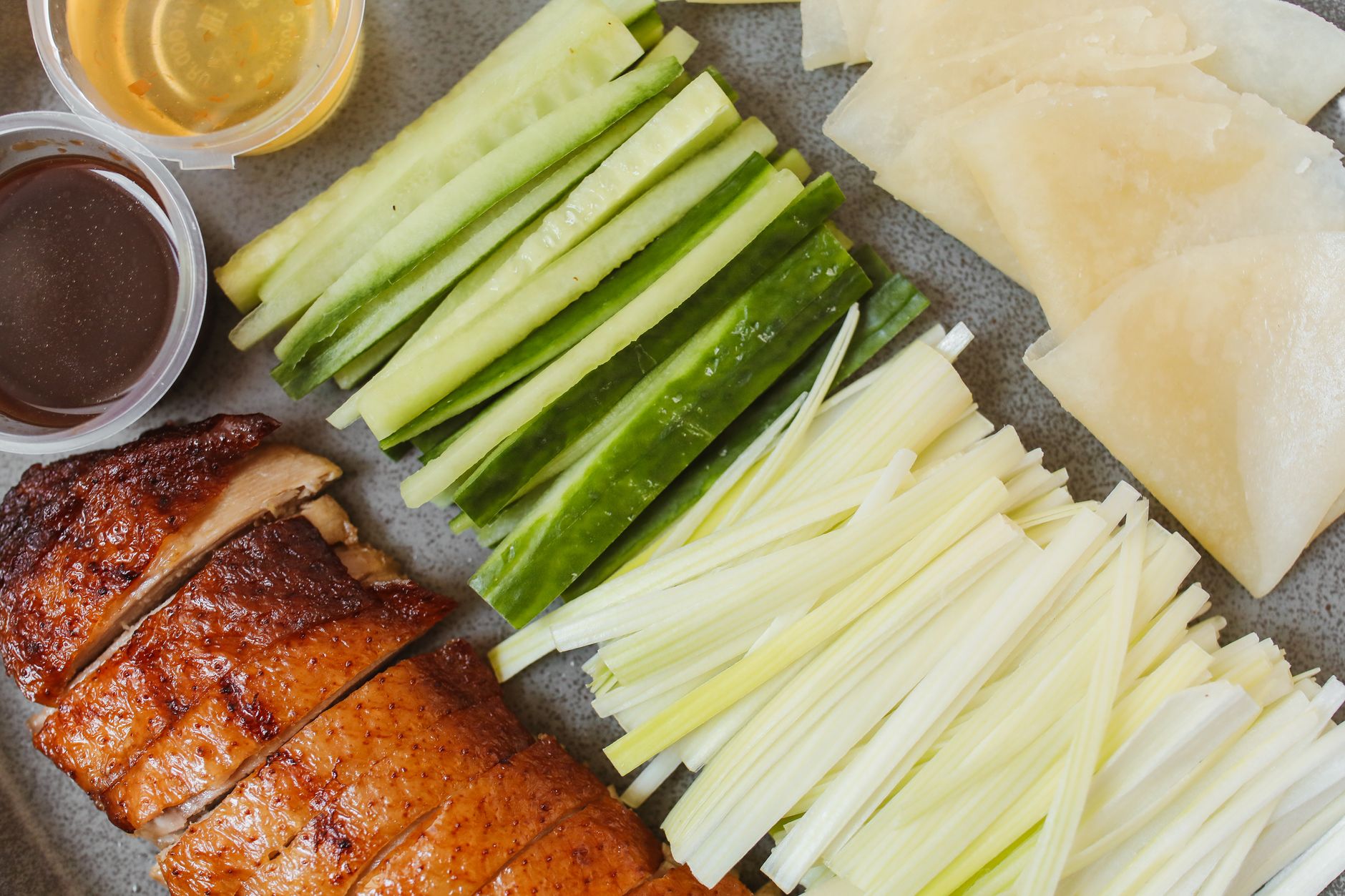
Chinese New Year Basics for Travellers
Chinese New Year (Spring Festival) is China’s biggest 7-day public holiday, typically falling in late January or February. Travellers can expect widespread red decor, family-focused celebrations, major transport surges, and some business closures, with regional variations across the country.
As of November 2026, the next Chinese New Year official public holiday runs from February 6 to 12, 2027, with Lunar New Year’s Eve falling on February 5. Dates shift each year on the Gregorian calendar following the Chinese lunisolar calendar, always landing between late January and mid-February.
While the official holiday is 7 days, many small businesses, family-run restaurants, and local shops close for 10 to 15 days, from a day or two before New Year’s Eve until the 5th or 8th day of the lunar new year. Larger chain establishments, hotel restaurants, and major tourist attractions generally remain open throughout the holiday period.
Spring Festival is centered on family reunion, with millions of people travelling from cities back to their hometowns to spend the holiday with relatives. This mass migration is called Chunyun, and it affects transport availability and pricing for several weeks around the holiday.
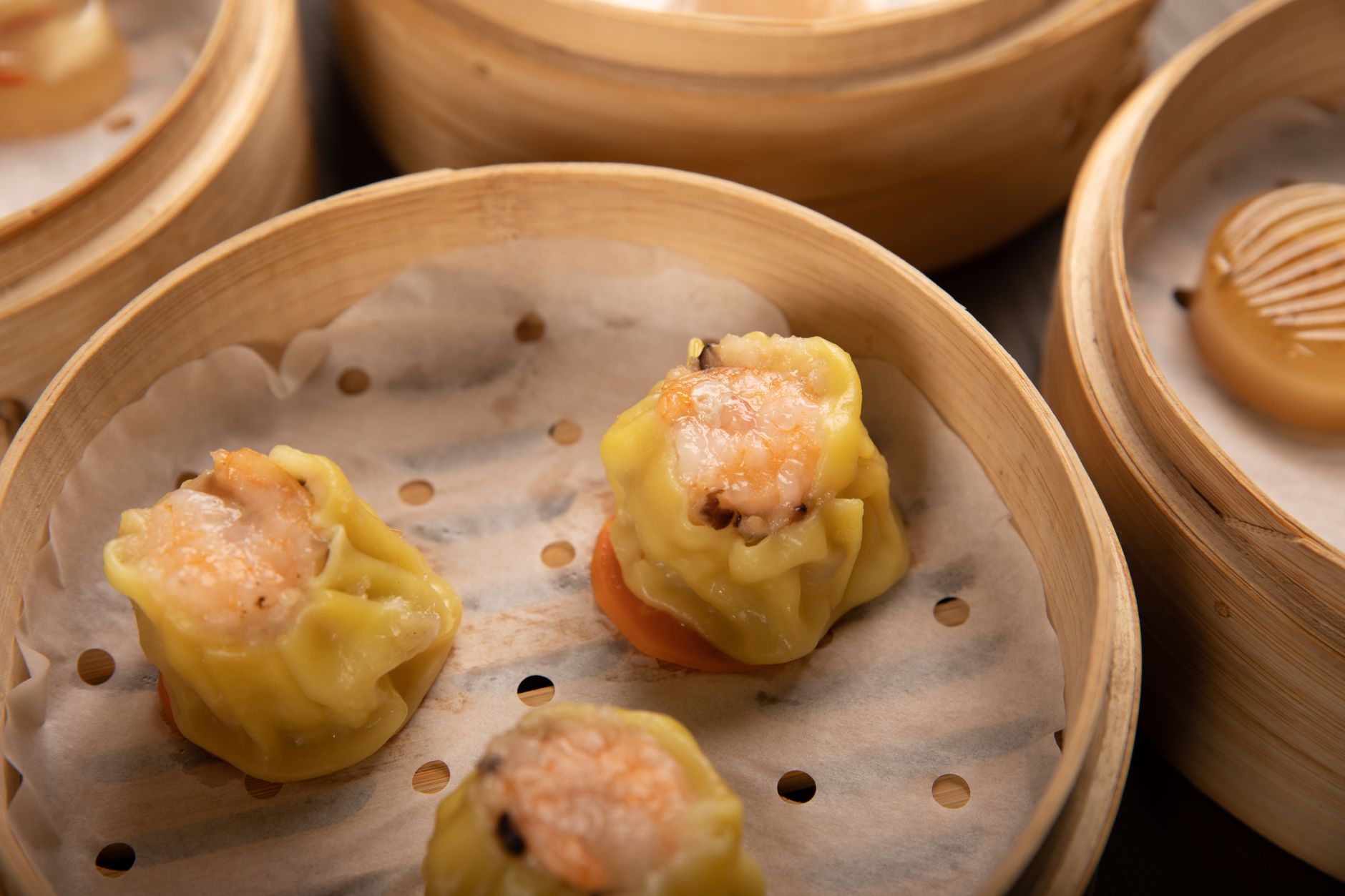
Transport During Chinese New Year: The Chunyun Travel Rush
Chunyun is the 40-day period surrounding Spring Festival, known as the largest annual human migration in the world, with billions of passenger trips taken across China each year. As of November 2026, the 2027 Chunyun period is expected to run from mid-January to late February, covering the weeks before and after the official holiday.
Travellers planning to move between cities during this time should prepare for the following:
- Train tickets sell out extremely fast on popular routes, such as Beijing to Shanghai, Guangzhou to Wuhan, and Chengdu to Chongqing. As of November 2026, the standard pre-sale window for China Railway tickets is 15 days before departure, but additional tickets may be released 1 to 3 days before travel for high-demand routes.
- Domestic flight prices typically rise 30% to 80% in the 3 days before New Year’s Eve and the 3 days after the holiday ends, when most people are returning to work.
- Long-distance bus services may be reduced or suspended on New Year’s Eve and the first day of the lunar new year, especially on routes to rural areas.
- Urban public transport (subways, city buses) runs on reduced schedules on New Year’s Eve, with earlier last trips, but most systems resume regular service by the 3rd day of the lunar new year.
HXXC Travel’s on-the-ground team in Guangdong advises travellers with flexible itineraries to arrive at their destination at least 3 days before New Year’s Eve, or wait until after the 5th day of the lunar new year to travel between cities. This avoids the busiest travel days and can save significantly on transport costs.
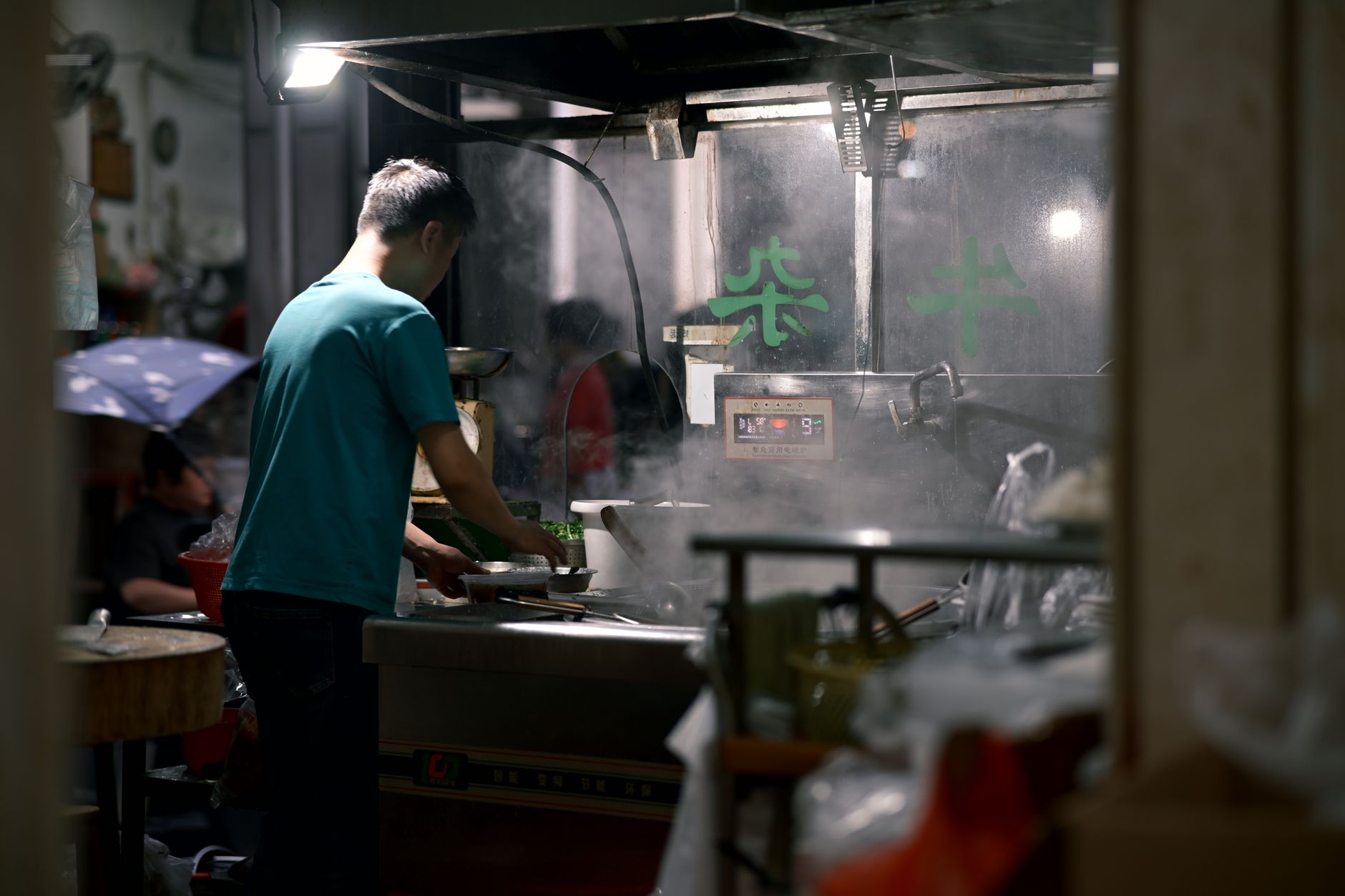
Key Customs and Public Celebrations
Red decor is a universal symbol of Spring Festival, seen across every city and town in China. Red lanterns hang from streetlights and building entrances, red paper couplets (chunlian) with auspicious phrases are posted on doorframes, and red paper cuttings of zodiac animals and lucky characters decorate windows. The color red is traditionally associated with good fortune and warding off bad luck in Chinese culture.
Other core customs and public events include:
- Reunion dinner (nian ye fan): The most important meal of the year, held on New Year’s Eve. Most families eat at home, with dishes prepared together over the course of the day. Many restaurants offer set-menu reunion dinners, which are often booked 2 to 3 months in advance.
- Fireworks and firecrackers: Traditionally set off at midnight on New Year’s Eve to scare off evil spirits. Many large cities have restricted or banned fireworks in urban areas due to air quality and safety concerns, but suburban and rural areas still allow them. As of November 2026, cities including Shanghai, Guangzhou, and Chengdu typically host official New Year’s Eve light shows or drone displays at landmark locations, with final schedules confirmed 1 to 2 months in advance.
- Hongbao (red envelopes): Red packets filled with cash, given by older family members to children and unmarried young adults as a blessing for the new year. Travellers are not expected to give hongbao to strangers, but if invited to a family dinner, a small gift (fruit, tea, or sweets) is a polite gesture.
- Temple fairs: Held in most major cities during the first 15 days of the lunar new year, with traditional performances, food stalls, game booths, and cultural activities. Popular examples include Beijing’s Ditan Temple Fair, Shanghai’s Yuyuan Garden Lantern Festival events, and Guangzhou’s city-wide flower fairs, a Guangdong-specific tradition held in the 3 days before New Year’s Eve.
The 15th day of the lunar new year marks the Lantern Festival, the official end of Spring Festival celebrations. Cities host lantern displays, and people eat tangyuan (sweet glutinous rice balls) to symbolize family unity.
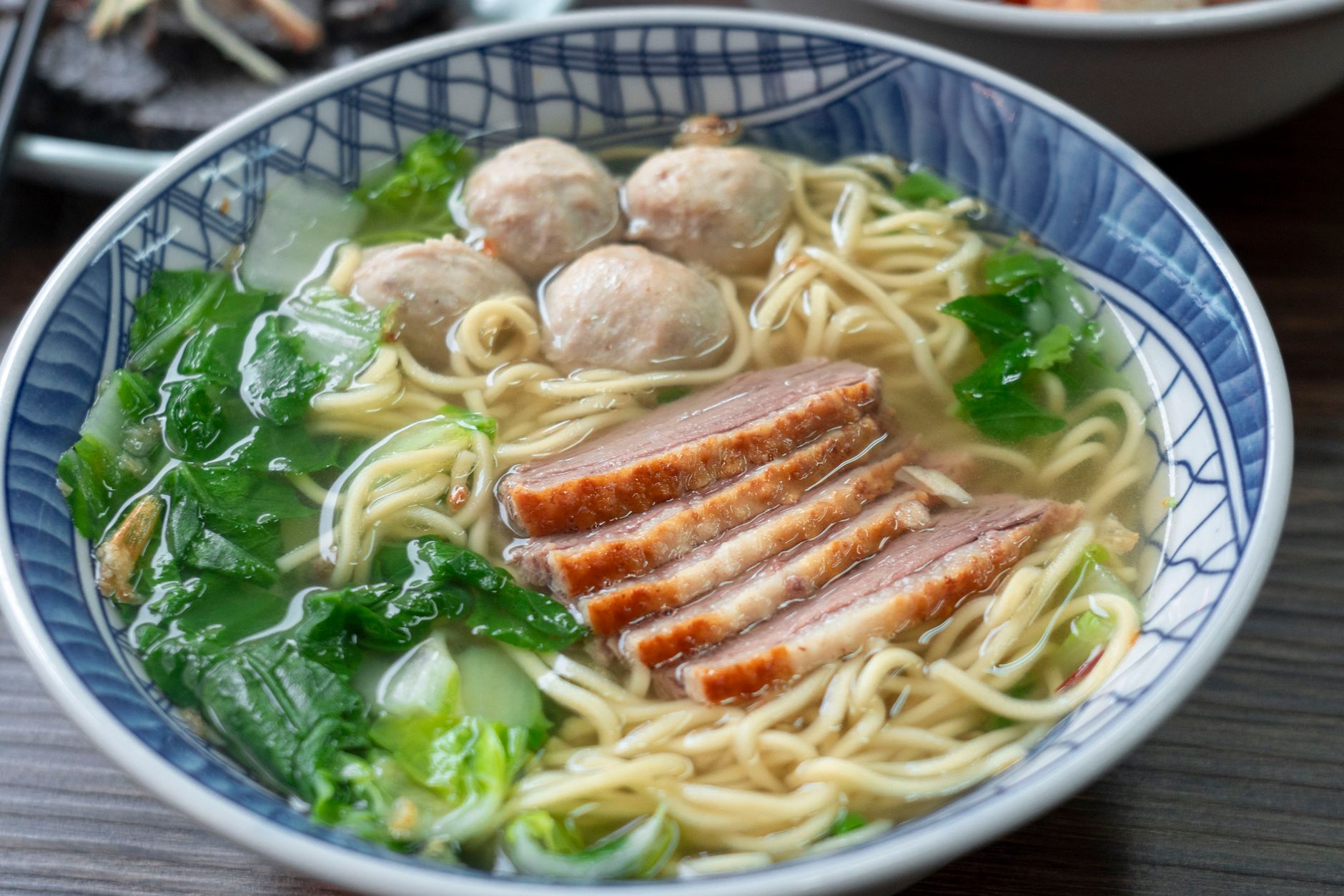
Chinese New Year Food and Symbolism
Nearly every dish served during Spring Festival has a symbolic meaning, tied to wishes for prosperity, health, and good luck in the coming year. Foods are often chosen for their pronunciation or shape, which resemble lucky words or objects in Chinese culture.
Common festival foods to try include:
- Dumplings (jiaozi): A staple in northern China, shaped like ancient Chinese gold ingots to symbolize wealth. Families typically make them together on New Year’s Eve, and some hide a coin or candy inside one dumpling for extra good luck.
- Nian gao (sticky rice cake): Eaten across China, its name sounds like the phrase for “getting higher year by year,” symbolizing career and personal progress.
- Whole fish: Served at reunion dinners throughout China, because the word for fish (yu) sounds like the word for “surplus.” It is traditional to leave a small portion uneaten to represent having more than enough for the coming year.
- Tangyuan: Sweet rice balls filled with sesame, red bean, or peanut paste, eaten during the Lantern Festival. Their round shape symbolizes family unity and harmony.
- Turnip cake (luo bo gao) and taro cake: Savory steamed cakes popular in Guangdong and southern China, often fried and served with soy sauce, eaten as a symbol of rising fortune.
- Poon choi: A large communal dish from Guangdong and Hong Kong, made with layers of meat, seafood, and vegetables served in a big basin, often eaten at family gatherings and community events.
HXXC Travel’s Guangdong-based team can arrange for travellers to join a local Cantonese family’s New Year’s meal or visit a traditional bakery making festival foods, for a hands-on cultural experience.
Practical Tips for Travellers
Business and Attraction Closures
As of November 2026, most national-level tourist attractions (including the Forbidden City, Badaling Great Wall, West Lake) remain open during Spring Festival, but many require advance online booking due to high visitor numbers. Some extend their opening hours for the holiday.
Small, family-run shops and restaurants often close from New Year’s Eve to the 3rd or 5th day of the lunar new year. Chain restaurants, convenience stores, and hotel restaurants generally stay open, though some may have limited menus.
Banks and post offices close on official public holidays, but ATMs remain operational in most urban areas. Most museums follow their regular Monday closure schedule, but may open on holiday Mondays; check official websites 1 to 2 weeks in advance.
Etiquette Tips
If invited to a Chinese home for a New Year’s celebration:
- Arrive on time or 5 to 10 minutes early, and remove your shoes if the host does.
- Bring a small gift like imported fruit, high-quality tea, or packaged sweets. Avoid clocks (sounds like “end” in Chinese), pears (sounds like “separation”), or white/yellow chrysanthemums (associated with funerals).
- Compliment the host’s food and home, but do not empty your entire plate if full, as this may signal the host did not prepare enough (less strict among younger urban families).
- If you receive a hongbao, thank the giver but do not open it in front of them.
Booking Advice
- Book intercity transport (trains, flights) as early as possible. For trains, set a reminder for the 15-day pre-sale window if you have fixed dates. HXXC Travel can assist with train ticket bookings and route planning to avoid peak Chunyun periods.
- Book accommodation 2 to 3 months in advance if travelling during the peak holiday period (New Year’s Eve to 3rd day of lunar new year), especially in Beijing, Xi’an, Chengdu, and Sanya.
- For temple fairs, light shows, or other public events, check local government websites 1 to 2 months in advance for confirmed dates and booking requirements.
Regional Variations to Know
Spring Festival traditions vary widely across China, with different regions having their own distinct foods, events, and customs.
In Guangdong province and Hong Kong, flower fairs (hua shi) are a defining pre-New Year tradition. Every major city hosts large outdoor fairs where people buy peach blossom branches, kumquat trees, and narcissus bulbs for good luck. Lion dances are performed at shop openings and community events, and families visit relatives (called bai nian) during the first few days of the new year.
In northern China, dumplings are the centerpiece of the New Year’s Eve meal, with many families making them together. Temple fairs in Beijing and Xi’an feature Peking Opera, acrobatics, and street food like tanghulu (candied hawthorns).
In southwest China, Sichuan’s temple fairs include Sichuan opera face-changing and spicy street food. Yunnan’s ethnic minority communities add their own traditional dances and foods to celebrations, blending Han and local customs.
HXXC Travel, based in Jiangmen, Guangdong, specializes in custom itineraries that highlight local regional traditions, from Guangzhou’s flower fairs to Cantonese family reunion dinners and cross-country holiday trips.
References & Updates
This guide is reviewed and updated monthly by HXXC Travel’s on-the-ground team of China travel experts in Jiangmen, Guangdong. It was last updated on October 23, 2026. Time-sensitive details — including holiday dates, transport policies, attraction opening hours, and event schedules — may change between updates. Always confirm critical details with official sources or your HXXC Travel advisor before your trip.
Frequently Asked Questions
Is Chinese New Year a good time to visit China?
It depends on your travel priorities. If you want to experience China’s most important cultural holiday, see festive decor, and attend traditional events, it is an excellent time to visit. If you prefer quiet sightseeing with maximum transport and dining flexibility, you may want to avoid the 7-day official holiday period. The weeks after the Lantern Festival are less crowded and still have some festive atmosphere.
Do shops and restaurants close during Chinese New Year?
Small, family-run shops and restaurants often close from New Year’s Eve to the 3rd or 5th day of the lunar new year. Larger chain stores, convenience stores, hotel restaurants, and most tourist-area restaurants stay open, though some have reduced hours on New Year’s Eve.
How do I buy train tickets during Chunyun?
As of November 2026, China Railway sells tickets 15 days in advance online and at station ticket windows. Popular routes sell out quickly, so set a reminder for the pre-sale date if you have fixed travel plans. Your travel advisor can help book tickets or monitor for last-minute ticket releases.
What should I wear for Chinese New Year in China?
Wear warm, comfortable clothing, as most of China is cold in January and February (northern temperatures drop below freezing; southern China is milder at 10-20°C). Red clothing is considered lucky but not required for tourists. Avoid all black or all white, as these colors are associated with mourning in Chinese culture.
Related private tours
- Best Of China — 20-Day Private Tour — 20 days
- Six Cities, One China — 15-Day Family Circuit — 15 days
- Best Tour In China - 19 Days Trip — 19 days · From US$2,896