
Quick Answer
The top Chinese festivals for first-time visitors are Spring Festival, Lantern Festival, Dragon Boat, Mid-Autumn, and National Day. Most fall Jan-Oct, with lunar dates shifting 1-2 weeks yearly.
Each festival offers unique cultural experiences, from lantern displays and dragon boat races to family-focused feasts and national celebrations. This guide breaks down estimated 2027 dates, key customs, and the best cities to experience each festival, plus practical tips for planning your trip.

Key Facts at a Glance
- Most traditional Chinese festivals follow the lunar calendar, so Gregorian dates shift 1-2 weeks annually.
- As of November 2026, China has 7 official public holidays, with Spring Festival and National Day typically offering 7-day "golden week" breaks.
- The busiest travel periods are Spring Festival (January-February) and National Day (October 1-7), with transport tickets selling out 2-3 months in advance.
- Lantern Festival marks the final day of Lunar New Year celebrations, falling 15 days after Spring Festival.
- Mid-Autumn Festival, also called Moon Festival, is the second most important family-focused holiday in China after Spring Festival.
Top Chinese Festivals for International Visitors
Spring Festival (Lunar New Year)
Upcoming 2027 estimated date: February 6. The official 7-day public holiday schedule for 2027 will be released by the China Cultural and Tourism Administration in late 2026; as of November 2026, re-check dates before travel.
Spring Festival is the largest and most widely celebrated holiday in China, centered on family reunions and welcoming the new lunar year. Key customs include giving red envelopes (hongbao) with cash to children and younger relatives, pasting spring couplets on doorframes, setting off firecrackers, and eating a lavish New Year’s Eve dinner (nianye fan). Northern families typically eat dumplings (jiaozi) for the dinner, while southern families serve niangao (sticky rice cake) and whole fish.
The best cities to experience Spring Festival include Beijing, where Ditan Park hosts one of the country’s largest temple fairs with traditional performances and snacks; Guangzhou, where flower markets line the streets in the week leading up to the holiday; Xi’an, with lantern displays on the ancient city wall; and Harbin, where the Ice and Snow Festival coincides with Spring Festival celebrations.
Many small shops and family-run restaurants close for 3-7 days during Spring Festival, but major tourist attractions remain open. HXXC Travel, a Jiangmen-based inbound tour operator, recommends booking Spring Festival itineraries at least 3 months in advance to secure transport and accommodation.
Lantern Festival
Upcoming 2027 estimated date: February 24. It is not an official public holiday, so no schedule adjustment is expected.
Lantern Festival falls on the 15th day of the first lunar month, marking the final day of Spring Festival celebrations. Customs include displaying and lighting colorful lanterns (often inscribed with riddles for visitors to solve), eating tangyuan (sweet glutinous rice balls filled with sesame, red bean, or peanut paste), and watching lion and dragon dance performances.
Top cities for Lantern Festival include Nanjing, where the Qinhuai Lantern Festival at Fuzimiao (Confucius Temple) draws millions of visitors each year; Xi’an, with elaborate lantern installations on the City Wall; Chengdu, where Jinli Ancient Street hosts traditional lantern displays and Sichuan opera performances; and Guangzhou, with lantern floats on Litchi Bay.

Qingming Festival
Upcoming 2027 estimated date: April 5. The official 3-day public holiday schedule will be announced in late 2026; as of November 2026, confirm before travel.
Qingming Festival, also called Tomb-Sweeping Day, is a holiday for honoring ancestors and deceased family members. Families visit cemeteries to clean grave sites, leave offerings of food and incense, and burn paper money. The holiday is also associated with spring outings (taqing), as the weather warms and flowers bloom. Other customs include flying kites and eating qingtuan, green glutinous rice balls filled with red bean paste or savory pork.
The best cities to visit during Qingming Festival are Hangzhou, where West Lake is lined with blooming peach blossoms and willow trees; Suzhou, with classical gardens in full spring bloom; Huangshan, where mild weather makes for ideal mountain hiking; and Xi’an, where visitors can learn about traditional ancestor veneration practices at historical sites like the Terracotta Army.
Qingming Festival is a quieter holiday compared to Spring Festival or National Day, with fewer crowds at major tourist attractions. It is a good choice for travelers who prefer spring scenery and a more low-key cultural experience.
Dragon Boat Festival
Upcoming 2027 estimated date: June 8. The official 3-day public holiday schedule will be announced in late 2026; as of November 2026, confirm before travel.
Dragon Boat Festival, also called Duanwu Festival, commemorates Qu Yuan, an ancient Chinese poet who drowned himself in the Miluo River to protest government corruption. According to legend, local people raced boats to find his body and threw rice dumplings into the river to prevent fish from eating his remains. Today, the holiday is marked by dragon boat races, eating zongzi (sticky rice dumplings wrapped in bamboo or reed leaves), and hanging mugwort and calamus above doorways to ward off evil.
Top cities for Dragon Boat Festival include Yueyang in Hunan Province, where races are held on Dongting Lake near the historic Yueyang Tower, closely associated with Qu Yuan; Guilin, where teams race on the Li River against a backdrop of karst mountains; Guangzhou, with large-scale races on the Pearl River and Cantonese-style zongzi filled with pork and salted egg yolk; and Hangzhou, where races take place on West Lake.
Mid-Autumn Festival
Upcoming 2027 estimated date: September 15. The official 3-day public holiday schedule will be announced in late 2026; as of November 2026, confirm before travel.
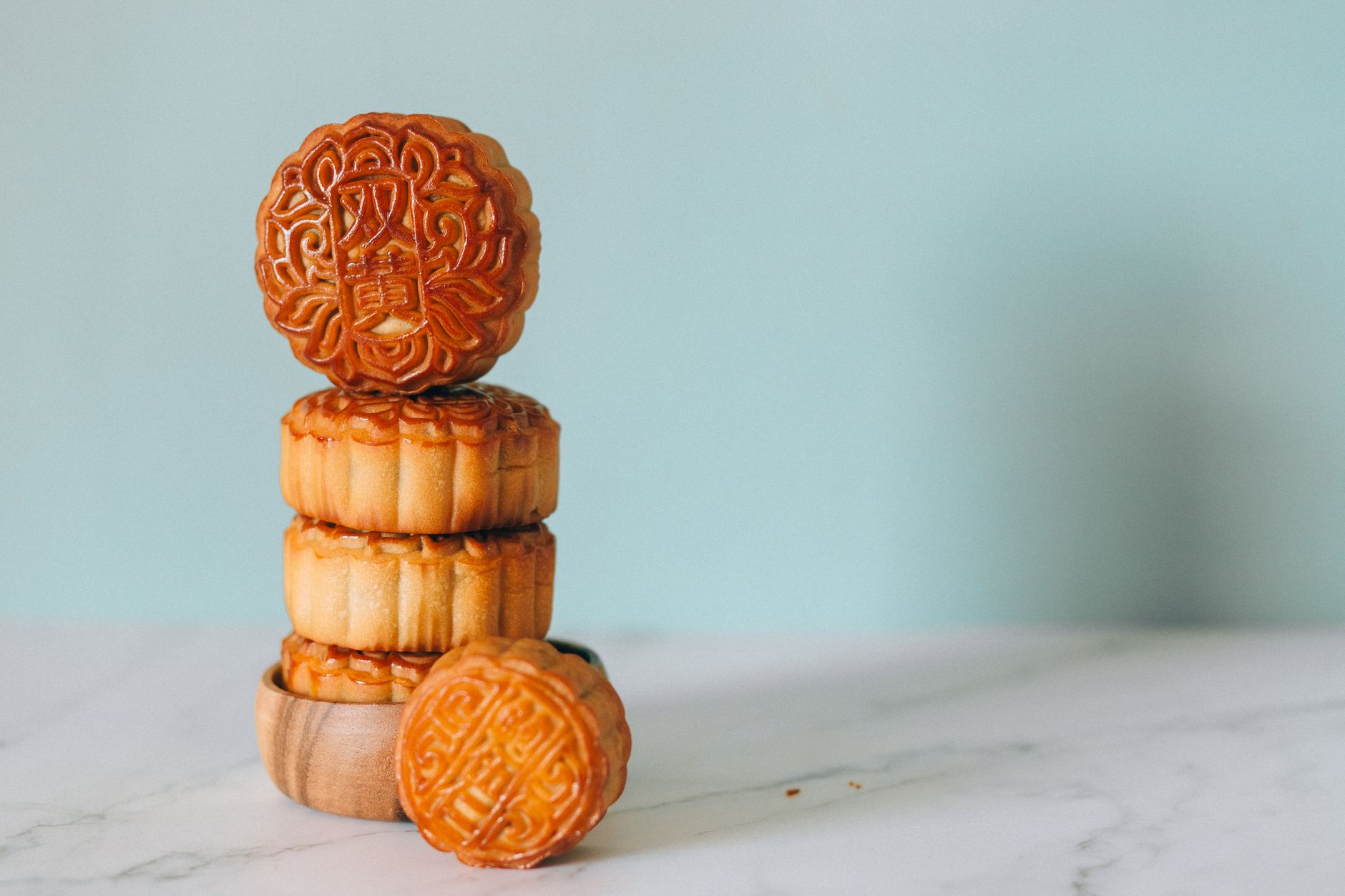
Mid-Autumn Festival, also called Moon Festival, is the second most important family holiday in China after Spring Festival. It falls on the 15th day of the eighth lunar month, when the moon is said to be at its brightest and roundest of the year. Customs include gathering with family to gaze at the moon, eating mooncakes (round pastries filled with lotus seed paste, red bean, or other fillings), and drinking osmanthus wine. Children often carry lit lanterns in the evening.
The best cities to experience Mid-Autumn Festival are Hangzhou, where visitors can watch the moon rise over West Lake from a boat or teahouse; Suzhou, with classical garden moon-viewing events featuring traditional music; Guilin, where night cruises on the Li River offer views of the moon reflecting off the water; and Hong Kong, where the Tai Hang Fire Dragon Dance, a 100-year-old tradition, takes place over three nights around the festival.
Mooncakes come in dozens of regional varieties. Cantonese-style mooncakes with lotus seed paste and salted egg yolk are the most widely available, but northern China has five-nut mooncakes, Yunnan has ham-filled mooncakes, and Suzhou has sweet, flaky mooncakes.
National Day Golden Week
Fixed date: October 1-7 every year. The official holiday may include adjusted weekend make-up days, which will be announced in late 2026; as of November 2026, re-check before travel.
National Day marks the founding of the People’s Republic of China on October 1, 1949. It is one of the two 7-day "golden week" holidays, when millions of Chinese people travel domestically for leisure. Key events include flag-raising ceremonies at Tiananmen Square in Beijing, fireworks displays in major cities, and large-scale parades held every 10 years (the next military parade is scheduled for 2029).
Top cities to visit during National Day include Beijing, where the Tiananmen Square flag-raising ceremony on October 1 draws huge crowds; Shanghai, with fireworks over the Bund and special events at the city’s museums and parks; Guilin, where Li River cruises are popular; and Zhangjiajie, where the Avatar Mountains draw large numbers of domestic tourists.
National Day is the busiest travel week of the year in China, with many popular attractions reaching maximum daily capacity. HXXC Travel advises booking National Day trips 4-6 months in advance, and avoiding peak travel days (October 1 and 7) for high-speed trains and flights.
Tips for Visiting During Chinese Festivals
- Book transport and accommodation early. For Spring Festival and National Day golden weeks, high-speed train tickets and popular hotel rooms sell out 2-3 months in advance. HXXC Travel’s local team can secure tickets and rooms that are often unavailable on international booking sites, thanks to long-standing partnerships with Chinese transport providers and hotels.
- Check attraction opening hours and reservation requirements. Some smaller sites may have reduced hours during public holidays, while major attractions like the Forbidden City and West Lake require advance timed-entry reservations. As of November 2026, most top-tier Chinese attractions require real-name ID for entry.
- Plan for crowds. Popular destinations can reach 80-100% capacity during golden weeks. Arrive 1-2 hours before opening time, or visit on off-peak days (the middle days of a 7-day holiday) to avoid the largest crowds.
- Try festival-specific foods. Each festival has unique seasonal dishes that are often only available for a few weeks each year. Street stalls and local family-run restaurants typically serve the most authentic versions.
- Respect local customs. During Qingming Festival, avoid loud or disruptive behavior near cemetery areas. During Spring Festival, it is polite to greet locals with "gong xi fa cai" (wishing you prosperity) and accept red envelopes with both hands.
- Confirm visa and entry requirements. As of November 2026, citizens of 57 countries can enjoy 240-hour visa-free transit in most major Chinese cities, but if you plan to travel to multiple cities or stay longer, ensure your visa is valid for the full duration of your trip. Always re-check visa policy before travel.
FAQ
How long are Chinese public holidays?
As of November 2026, China has 7 official public holidays. Most are 3 days long, but Spring Festival and National Day are typically 7-day "golden week" holidays, and Labor Day is 5 days. Holiday dates are often adjusted to create longer breaks by shifting nearby weekend days, so the exact schedule can vary slightly each year. Always check official announcements from the China Cultural and Tourism Administration before travel.
What is the most important Chinese festival?
Spring Festival (Lunar New Year) is the most important and widely celebrated Chinese festival. It centers on family reunions, and hundreds of millions of people travel across the country to visit relatives, creating the world’s largest annual human migration, often called "chunyun" (Spring Festival travel rush).
Is it a good time to visit China during Spring Festival?
Spring Festival is a great time to visit for travelers who want to experience traditional customs, temple fairs, and festive food. However, many small businesses close for 3-7 days, and transport is extremely busy during the travel rush periods before and after the holiday. For first-time visitors who want a mix of cultural experiences and regular access to attractions, Lantern Festival or Mid-Autumn Festival may be a better balance.
Do all Chinese festivals follow the lunar calendar?
No. Most traditional Chinese festivals, including Spring Festival, Dragon Boat Festival, and Mid-Autumn Festival, follow the lunar calendar, so their Gregorian dates shift 1-2 weeks each year. National holidays like National Day (October 1) and Labor Day (May 1) follow the Gregorian calendar and have fixed dates.
How far in advance should I book a China trip for a festival?
For golden week holidays (Spring Festival, National Day), book your trip 3-6 months in advance to secure transport and accommodation. For smaller festivals like Qingming or Dragon Boat, book 1-2 months in advance. HXXC Travel’s local team can help with last-minute bookings for select festivals, but availability is not guaranteed.
Related private tours
- Best Of China — 20-Day Private Tour — 20 days
- Best of China — 19-Day Private Tour — 19 days · From US$2,450
- Grand China Odyssey — 19 Days Cross-Country — 19 days · From US$2,450