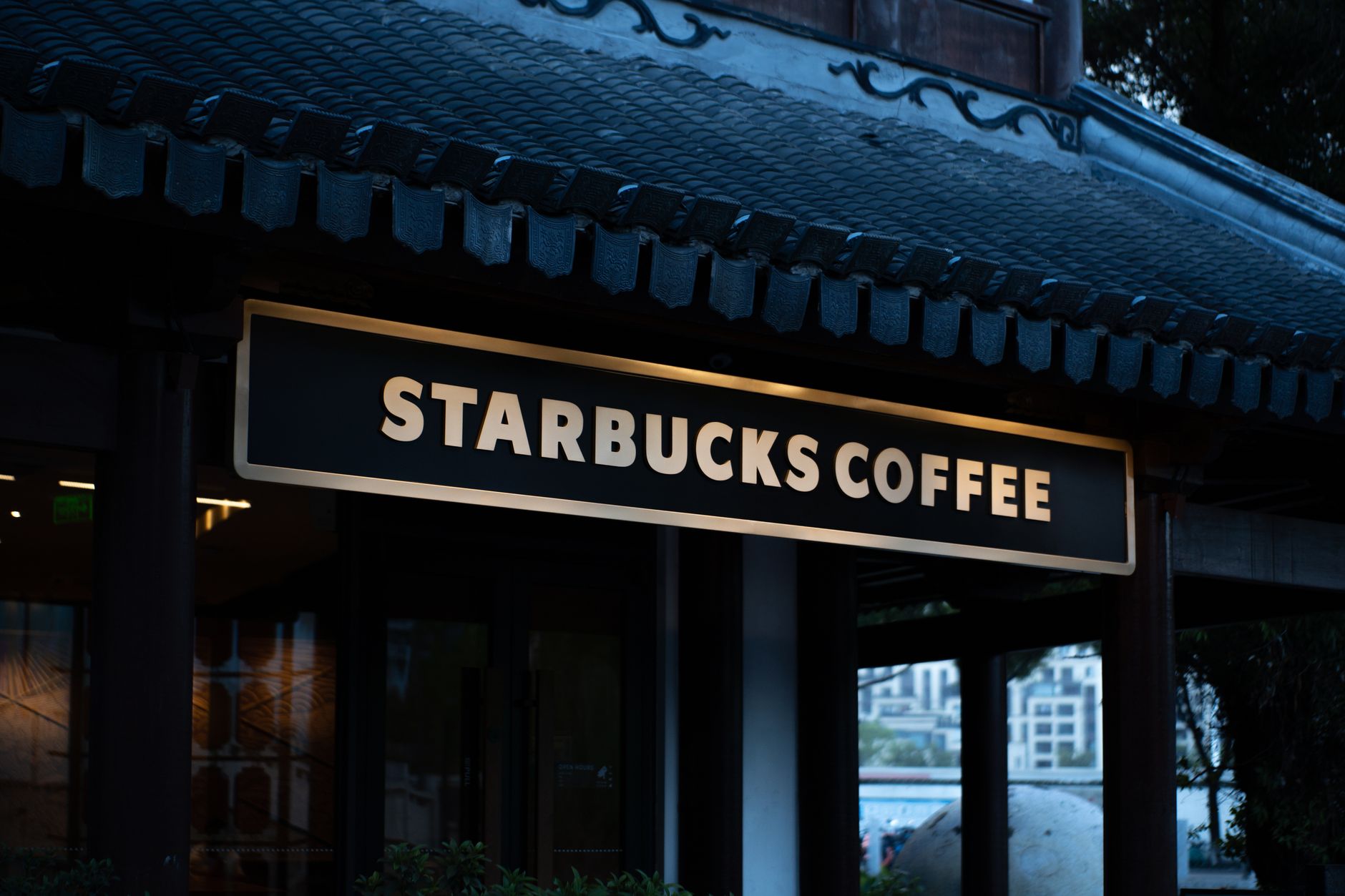
China's coffee market grew from almost nothing to the world's largest in under two decades, driven by domestic chains like Luckin Coffee and a specialty scene centered in Shanghai. As of November 2026, coffee is available everywhere international travelers go in China, from airports to old-town alleys, at prices from 15 RMB for a Luckin latte to 50 RMB or more for a specialty pour-over.
The scale of China's coffee boom
China was a tea-drinking culture for centuries, and coffee was almost unknown outside major hotels and expat districts as recently as the 1990s. Starbucks opened its first China store in Beijing in 1999, and for years the market grew steadily but slowly. The turning point came after 2017, when Luckin Coffee launched with an app-based, delivery-first model and aggressive pricing.
By 2023, Luckin had surpassed Starbucks in store count in China. Both chains continued expanding through 2026, and China became one of the world's largest coffee markets by cups consumed per year.
Shanghai alone has more coffee shops than any other city globally, with estimates exceeding 8,000 stores as of 2026. For travelers, this means coffee is not something you need to seek out. You will pass multiple coffee shops on most walks in any Chinese city of moderate size.
Key facts at a glance
- Starbucks entered China in 1999; first store was in Beijing
- Luckin Coffee was founded in 2017 and surpassed Starbucks in China store count by 2023
- Shanghai has more coffee shops than any city in the world — over 8,000 as of 2026
- Yunnan Province produces approximately 95% of China's domestically grown coffee
- Typical Luckin latte: 15-25 RMB (about 2-3.50 USD)
- Typical Starbucks latte: 30-45 RMB (about 4-6.30 USD)
- Specialty pour-over at an independent shop: typically 35-60 RMB (about 5-8.50 USD)
- Most coffee chains in China require ordering through their own app or WeChat mini-program

Where to drink coffee in China
Shanghai
Shanghai is the center of China's coffee culture. The city hosts the annual Shanghai Coffee Culture Festival each spring, and neighborhoods like the French Concession, Jing'an, and Xintiandi have dense clusters of independent specialty shops alongside international chains.
Notable Shanghai-born chains include Manner Coffee (founded 2015), known for high-quality espresso at low prices, and Seesaw Coffee, one of China's earlier specialty brands. M Stand, another Shanghai-origin chain, focuses on design-forward stores and creative drinks.
Chengdu
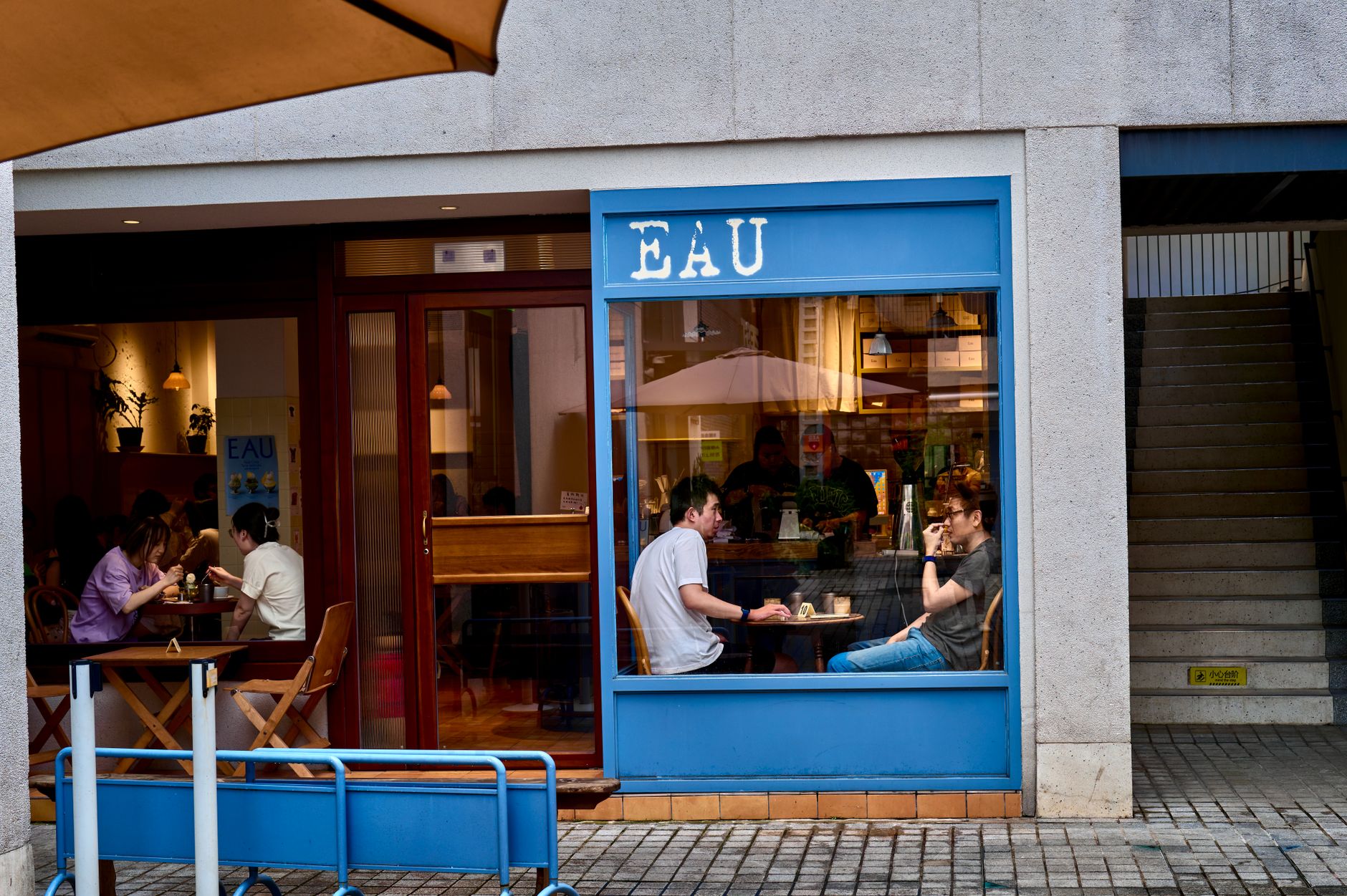
Chengdu has a fast-growing coffee scene driven by its large youth population and creative industries. The Yulin and Kuixinglou neighborhoods have concentrations of independent cafes, and local roasters supply beans to many shops. Chengdu's cafe culture blends with its teahouse tradition — some venues serve both.
Kunming and Yunnan
Kunming, capital of Yunnan Province, is China's coffee gateway. Yunnan grows almost all of China's commercial coffee, primarily Arabica, in the Pu'er and Baoshan regions. Travelers to Kunming will find cafes serving locally grown and roasted Yunnan coffee, and some shops offer farm-to-cup beans from specific Yunnan estates. The city's cafe density is lower than Shanghai or Chengdu, but the coffee is often fresher and cheaper.
Beijing and other cities
Beijing has a mature coffee scene centered on the Sanlitun, Gulou, and Dashilar areas. Guangzhou and Shenzhen, near HXXC Travel's home base in Jiangmen, have growing specialty scenes influenced by proximity to Hong Kong. Even smaller cities and county towns now typically have at least one Luckin or a local equivalent.
Chinese coffee chains to know
Luckin Coffee
Luckin is China's largest coffee chain by store count, with over 20,000 locations as of 2026. The model is fully app-based — you order and pay in the Luckin app or WeChat mini-program, then pick up at the store or get delivery. There is no counter ordering at most locations. Prices are low: a standard latte typically costs 15-25 RMB after the app's routine discounts. Luckin's signature drink is the raw coconut latte (sheng ye na tie), which became one of the best-selling coffee drinks in China after its 2021 launch.
Starbucks China
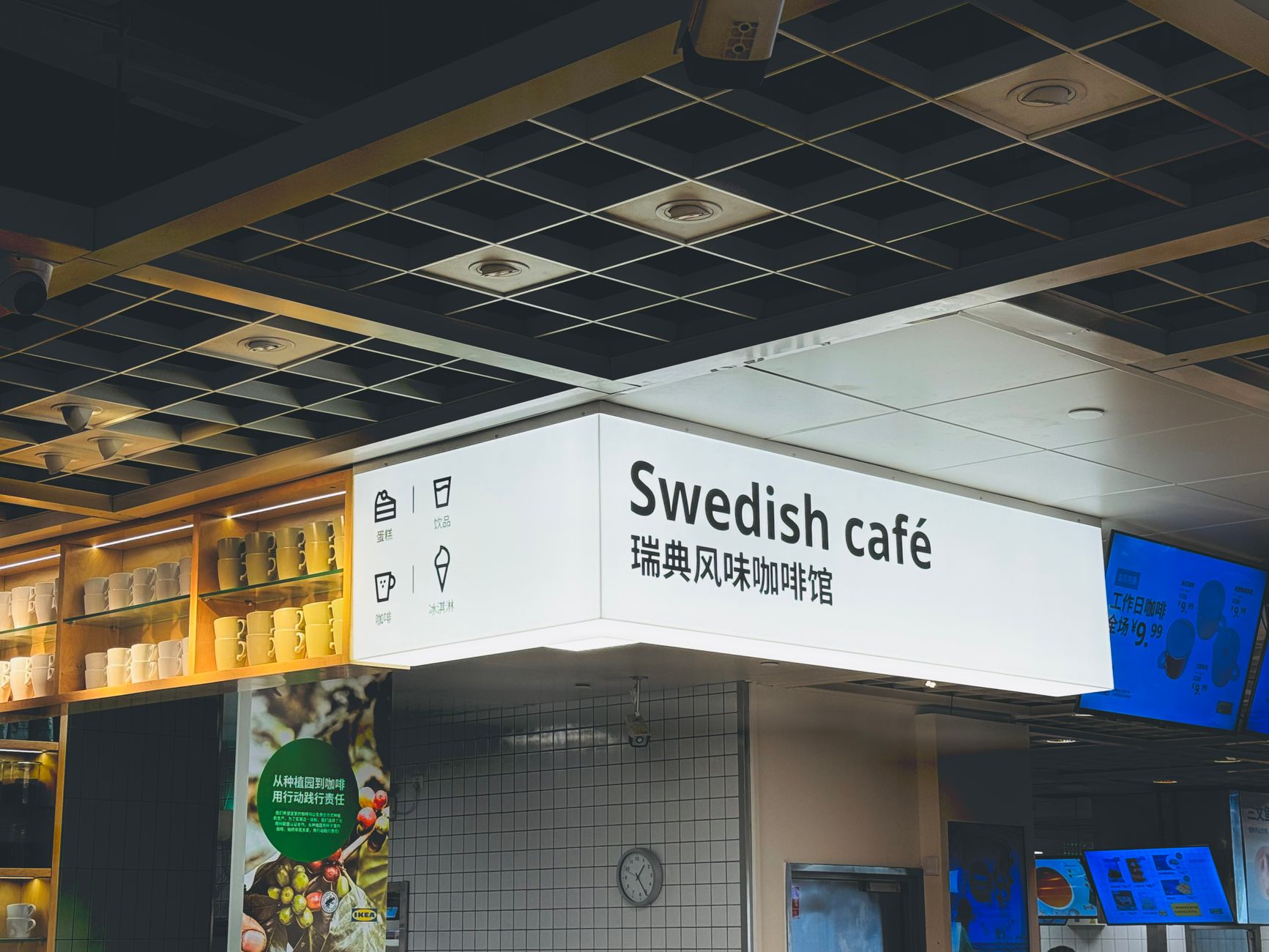
Starbucks remains the second-largest chain in China and the default option for travelers who want a familiar experience. Stores have free Wi-Fi, seating, and English menus. Starbucks Rewards works in China but requires a separate China account. Prices are higher than domestic chains: a grande latte typically costs 33-38 RMB.
Manner Coffee
Manner is a Shanghai-origin specialty chain known for pulling high-quality espresso shots at prices competitive with Luckin. A Manner latte typically costs 15-25 RMB. Manner stores are often very small — sometimes just a counter with no seating — and focus on speed and volume. The chain expanded beyond Shanghai to Beijing, Chengdu, Shenzhen, and other major cities.
Cotti Coffee
Cotti Coffee, founded in 2022 by former Luckin executives, expanded aggressively and competes directly with Luckin on price and app-based ordering. As of 2026, Cotti has thousands of stores across China.
Yunnan: China's coffee origin
Yunnan Province produces approximately 95% of China's coffee. The main growing regions are Pu'er, Baoshan, and Dehong, all in southern Yunnan near the Myanmar border. The coffee is almost entirely Arabica, with Catimor as the dominant variety.
Yunnan coffee historically went into instant coffee or was exported as commodity-grade beans. Since the 2010s, Yunnan farmers and roasters have improved processing and quality, and Yunnan single-origin beans now appear on specialty menus in Shanghai, Beijing, and increasingly abroad. Travelers visiting Yunnan can tour coffee farms near Pu'er or Baoshan, and some farms offer tasting and processing tours during the November-to-February harvest season.
Ordering coffee as a traveler
Ordering coffee in China in 2026 requires a smartphone. Most chains do not accept cash at the counter and require payment through their app, WeChat Pay, or Alipay. Here is what international travelers should know:
- Download WeChat and set up WeChat Pay (which accepts foreign credit cards as of 2026) before you need coffee
- Luckin, Manner, and Cotti all operate through WeChat mini-programs — no separate app download needed
- Starbucks accepts its own app, WeChat Pay, and Alipay
- Independent cafes typically accept WeChat Pay and Alipay; some accept cash
- English menus are common at Starbucks and in Shanghai specialty shops but rare at Luckin or Cotti
- To order at Luckin without reading Chinese: use the mini-program, select a drink with a photo, and the app will show your pickup number
If you want a familiar flat white or cappuccino, Starbucks and Manner are the safest bets. For the local experience, try a Luckin raw coconut latte or a Yunnan single-origin pour-over at an independent shop.
Frequently asked questions
Is coffee popular in China?
Yes. As of 2026, China has one of the world's largest coffee markets by store count and cups consumed. Shanghai alone has over 8,000 coffee shops, more than any other city globally. Coffee is most popular among urban consumers aged 18-40, but availability extends to nearly all cities and towns.
How much does coffee cost in China?
A Luckin latte typically costs 15-25 RMB (about 2-3.50 USD). A Starbucks latte costs 30-45 RMB (about 4-6.30 USD). A specialty pour-over at an independent shop typically costs 35-60 RMB (about 5-8.50 USD). Prices are current as of November 2026 but may change — verify before travel.
Can I get good coffee outside Shanghai?
Yes. Chengdu, Beijing, Kunming, Guangzhou, and Shenzhen all have active specialty coffee scenes. Even mid-sized cities typically have Luckin or Cotti locations. Kunming is particularly good for Yunnan-grown coffee. Independent specialty shops are easiest to find in Shanghai, but most major cities have several.
What is Luckin Coffee?
Luckin Coffee is China's largest coffee chain by store count, founded in 2017. It operates an app-based model with no counter ordering at most locations. Luckin is known for low prices (typically 15-25 RMB per drink) and its raw coconut latte, one of the most popular coffee drinks in China.
Does China produce its own coffee?
Yes. Yunnan Province produces approximately 95% of China's coffee, primarily Arabica beans grown in the Pu'er and Baoshan regions. Yunnan coffee was historically used for instant coffee, but since the 2010s, improved processing has made Yunnan single-origin beans a fixture on specialty coffee menus across China.
HXXC Travel, based in Jiangmen, Guangdong, arranges custom China itineraries for international visitors and can include coffee-focused experiences from Shanghai cafe crawls to Yunnan farm visits. This guide was reviewed in October 2026. Coffee prices and chain store counts change frequently; please re-check before your trip.
Related private tours
- 7 Days Yunnan Classic Private Travel Itinerary — 7 days
- Best of China — 19-Day Private Tour — 19 days · From US$2,450
- Grand China Explorer — 15 Days — 15 days · From US$1,500