Quick Answer: What Do Locals Eat for Breakfast in China?
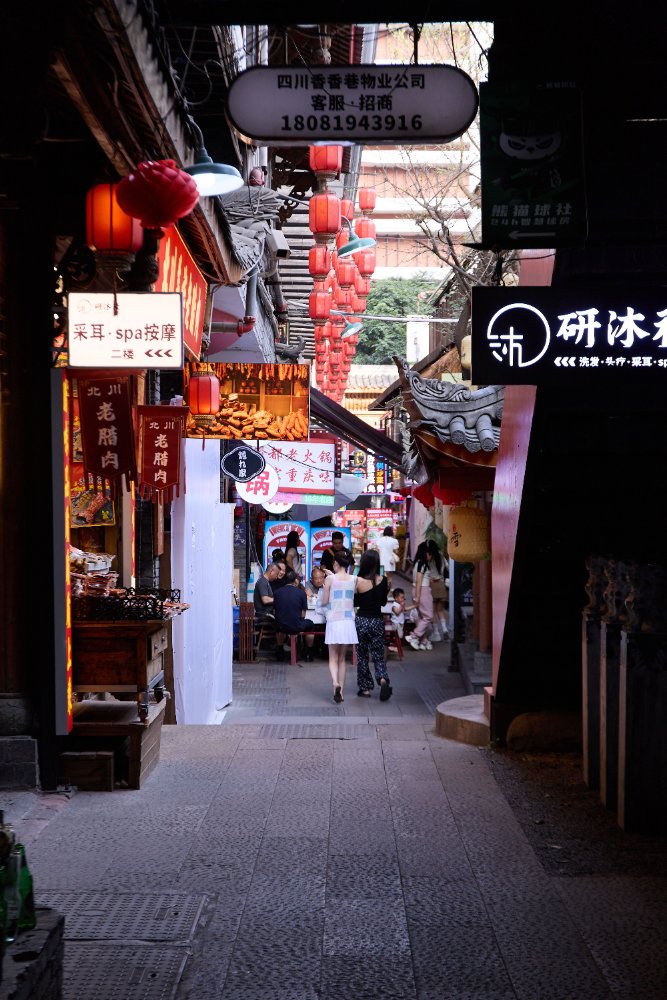
Most Chinese locals eat savory street or neighborhood breakfasts, not Western-style toast or eggs. Common staples include youtiao, congee, jianbing, and steamed buns, with distinct regional variations.
Core Nationwide Breakfast Staples
These dishes are available in nearly every Chinese city, from small towns to major metropolises, and form the base of most local weekday breakfasts.
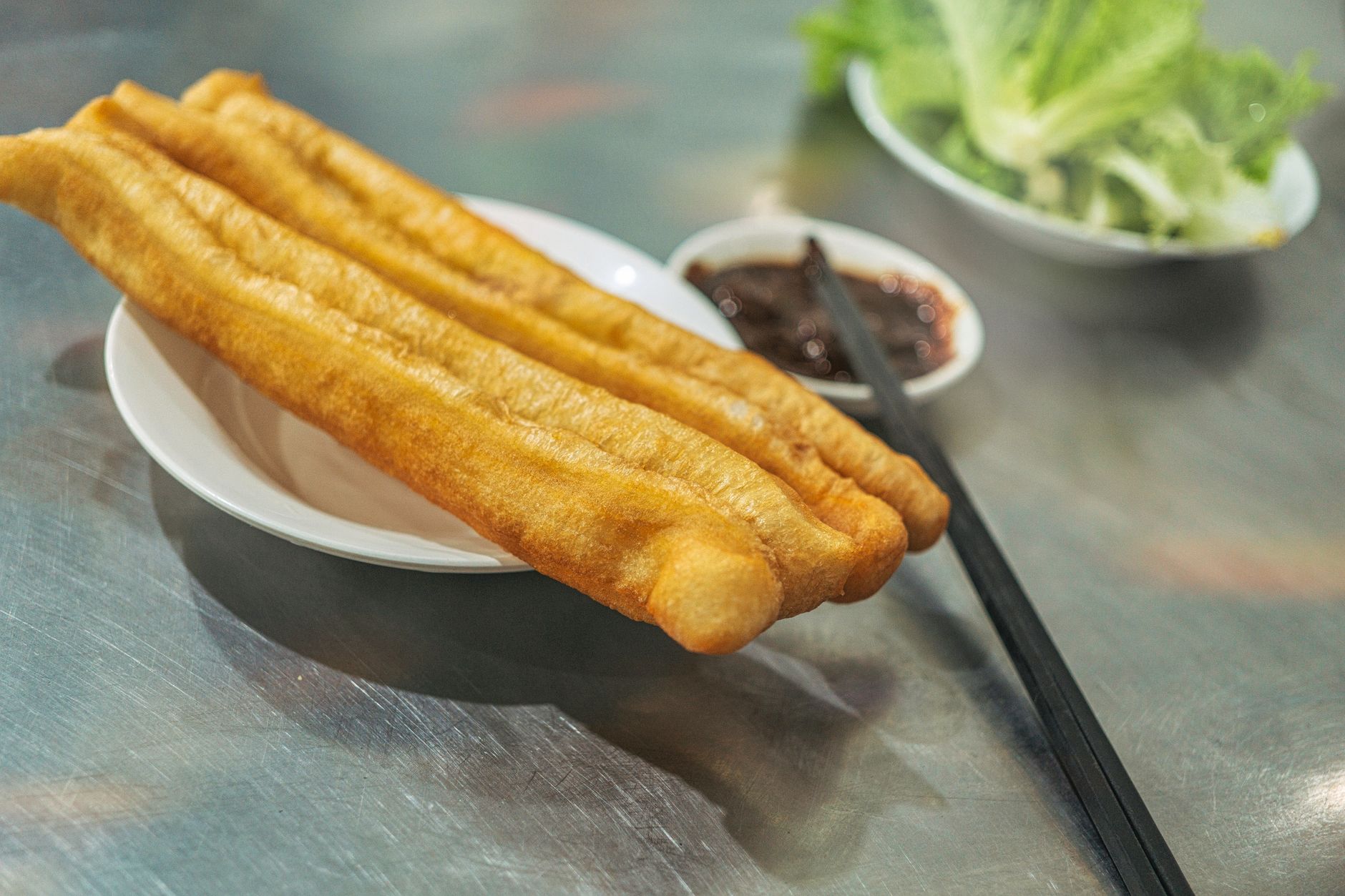
- Youtiao: Long, crispy fried dough sticks, usually served in pairs. Most locals dip them in warm sweet or savory soybean milk, or tear them into pieces and add them to congee. Prices typically range from 2–5 RMB per pair.
- Congee (zhou): Thin, creamy rice porridge cooked with water or stock. It is served plain or with toppings like preserved century egg, lean pork, pickled vegetables, peanuts, or shredded chicken. A bowl of congee with one topping usually costs 5–15 RMB.
- Steamed buns (baozi): Soft, fluffy white wheat dough buns filled with savory or sweet ingredients. Savory fillings like minced pork, cabbage, or mushrooms are the most common for breakfast; sweet red bean or lotus seed paste versions are popular as a snack. Prices are 1–3 RMB per bun, with 3–4 buns making a full meal.
- Soybean milk (doujiang): Freshly ground soy milk, served hot or cold. It comes in sweet (with added sugar) or savory (with salt, soy sauce, pickles, dried shrimp, and pieces of youtiao) versions. A cup costs 3–8 RMB.
- Jianbing: A thin, savory crepe made from wheat or mung bean batter, cooked on a flat round griddle. It is topped with a cracked egg, scallions, cilantro, chili sauce, and a crispy fried cracker (guobi), then folded into a portable wrap. Prices range from 6–15 RMB per crepe.
Regional Breakfast Specialties
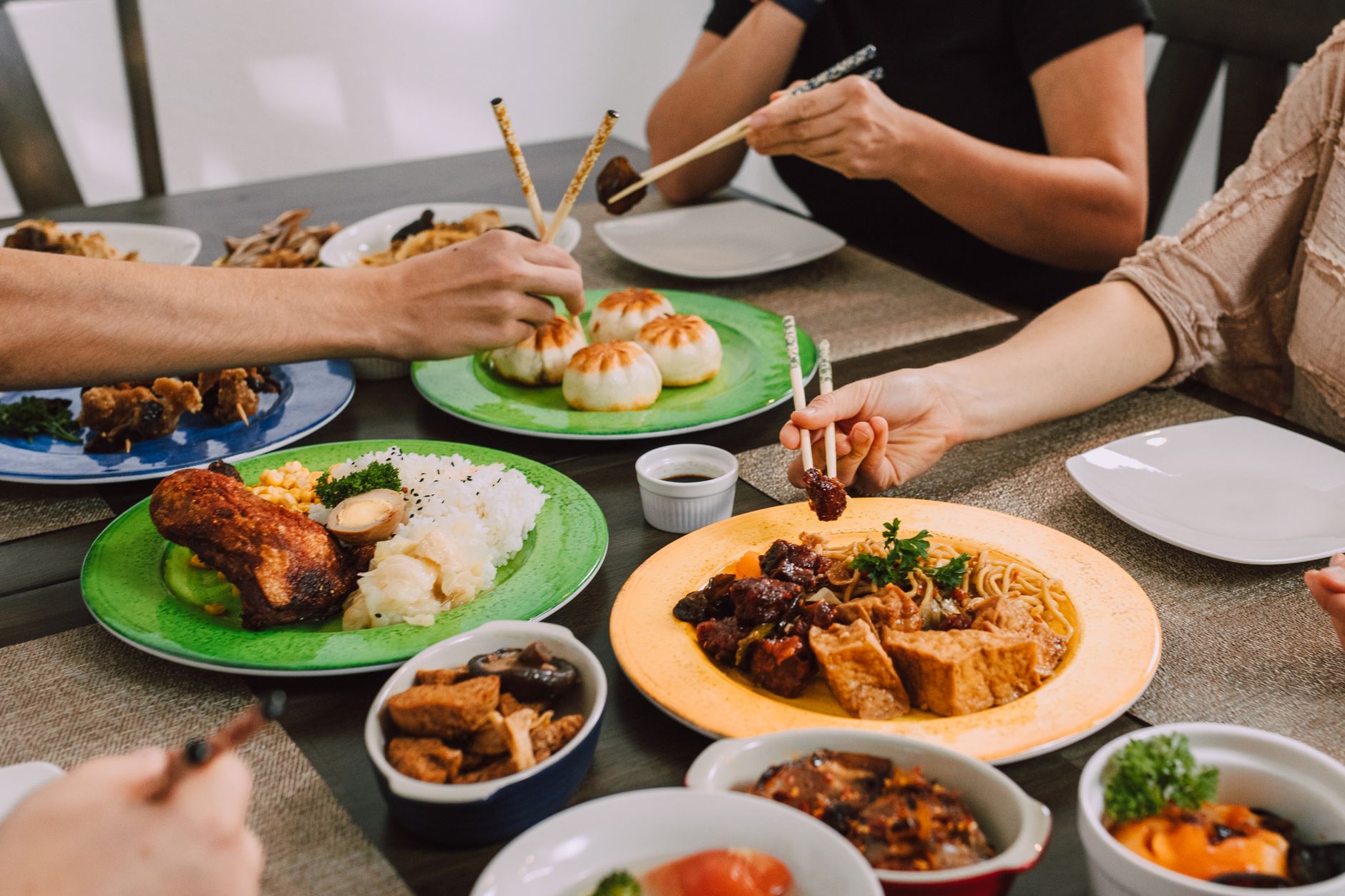
Beyond the core staples, each region of China has its own unique breakfast dishes shaped by local climate, ingredients, and cultural traditions. These are the specialties to look for when visiting different parts of the country.
Northern China (Beijing, Tianjin, Harbin)
Northern Chinese breakfasts tend to be hearty and wheat-based, suited to cold winter weather.
- Jianbing guozi: A Tianjin-origin variant of jianbing made with mung bean batter, wrapped around a whole youtiao instead of a crispy cracker. It is a staple weekday breakfast across Beijing and Tianjin.
- Douzhi: A fermented mung bean drink with a strong, sour flavor, a traditional Beijing breakfast item. It is usually served with crispy fried ring-shaped dough (jiaoquan) and pickled radish. It is an acquired taste, even for many Chinese people from other regions.
- Corn porridge (nongmi zhou): Thick, sweet porridge made from ground corn, common in rural northern areas and small towns. It is typically paired with salty pickled vegetables.
Eastern China (Shanghai, Suzhou, Hangzhou)
Eastern Chinese breakfasts often feature delicate, soup-filled dumplings and sweet or savory rice cakes.
- Shengjianbao (shengjian mantou): Pan-fried pork buns with a crispy, golden bottom and juicy, soup-filled pork interior. They are topped with sesame seeds and chopped scallions, and are a classic Shanghai breakfast, often eaten with a small bowl of beef or vegetable soup.
- Xiaolongbao: Thin-skinned steamed buns filled with pork and hot soup. They are more commonly eaten for weekend brunch or special breakfast outings in Shanghai and surrounding Jiangsu and Zhejiang provinces, served with black vinegar and thin ginger strips.
- Ciba: Glutinous rice cakes, often fried until crispy on the outside and chewy inside. They are served rolled in sesame seeds and sugar, or with a sweet syrup, and are a popular breakfast snack in Zhejiang and Fujian.
Southern China (Guangdong, Guangxi, Hong Kong)
Southern Chinese breakfasts, particularly Cantonese ones, focus on rice-based dishes and light, savory flavors.
- Dim sum: A Cantonese brunch tradition, typically eaten on weekends with family or friends. It consists of small plates of steamed dumplings (har gow shrimp dumplings, siu mai pork dumplings), cheong fun rice noodle rolls, baked pastries, and congee, all served with Chinese tea. As of November 2026, a mid-range dim sum breakfast for two costs 80–150 RMB.
- Century egg and lean pork congee (pidan shourou zhou): The most common weekday Cantonese breakfast, a creamy rice porridge cooked with preserved century egg and shredded lean pork, often topped with scallions and served with youtiao.
- Cheong fun: Soft, slippery rice noodle rolls, served plain with light soy sauce, or filled with shrimp, beef, or vegetables. They are a popular street breakfast across Guangdong. HXXC Travel’s Guangdong food tours include stops at family-run cheong fun stalls popular with local residents in cities like Jiangmen and Guangzhou.
Southwestern China (Chengdu, Chongqing, Kunming)
Southwestern breakfasts are known for bold, spicy, and numbing flavors from Sichuan peppercorns and chili oil.
- Spicy noodles (xiaomian): A Chongqing and Chengdu staple, wheat noodles tossed in a spicy broth with chili oil, Sichuan peppercorn, pickled mustard greens, minced pork, and peanuts. Many locals eat a bowl of spicy noodles for breakfast every day.
- Guoqiao mixian (crossing-the-bridge noodles): A Yunnan specialty, consisting of a bowl of hot chicken broth, a plate of raw ingredients (thinly sliced meat, egg, vegetables, mushrooms), and a portion of rice noodles. Diners add the raw ingredients to the hot broth to cook them at the table. It is a popular breakfast and lunch option across Yunnan.
- Douhua: Soft, silken tofu pudding, served either sweet (with sugar, syrup, or red bean paste) or savory (with chili oil, soy sauce, pickles, and crispy soybeans). It is a light breakfast option across the southwest.
Northwestern China (Xi’an, Lanzhou, Urumqi)
Northwestern breakfasts are influenced by Muslim and Central Asian cuisines, with lots of hand-pulled noodles, flatbreads, and lamb or beef.
- Roujiamo: Often called a Chinese hamburger, it consists of braised pork (or beef/lamb in Muslim-majority areas) chopped finely and stuffed inside a crispy, baked flatbread. It is a portable, filling breakfast popular across Shaanxi and Gansu.
- Lanzhou beef noodles: Hand-pulled wheat noodles in a clear, flavorful beef broth, topped with sliced radish, chili oil, cilantro, and beef pieces. Lanzhou has hundreds of beef noodle shops that open as early as 5 AM, and locals often eat a bowl for breakfast before work.
- Nang: A round, flat baked bread similar to Central Asian naan, common in Xinjiang. It is often eaten with black tea or yogurt for breakfast, and can be stored for several days without going stale.
Where Locals Eat Breakfast
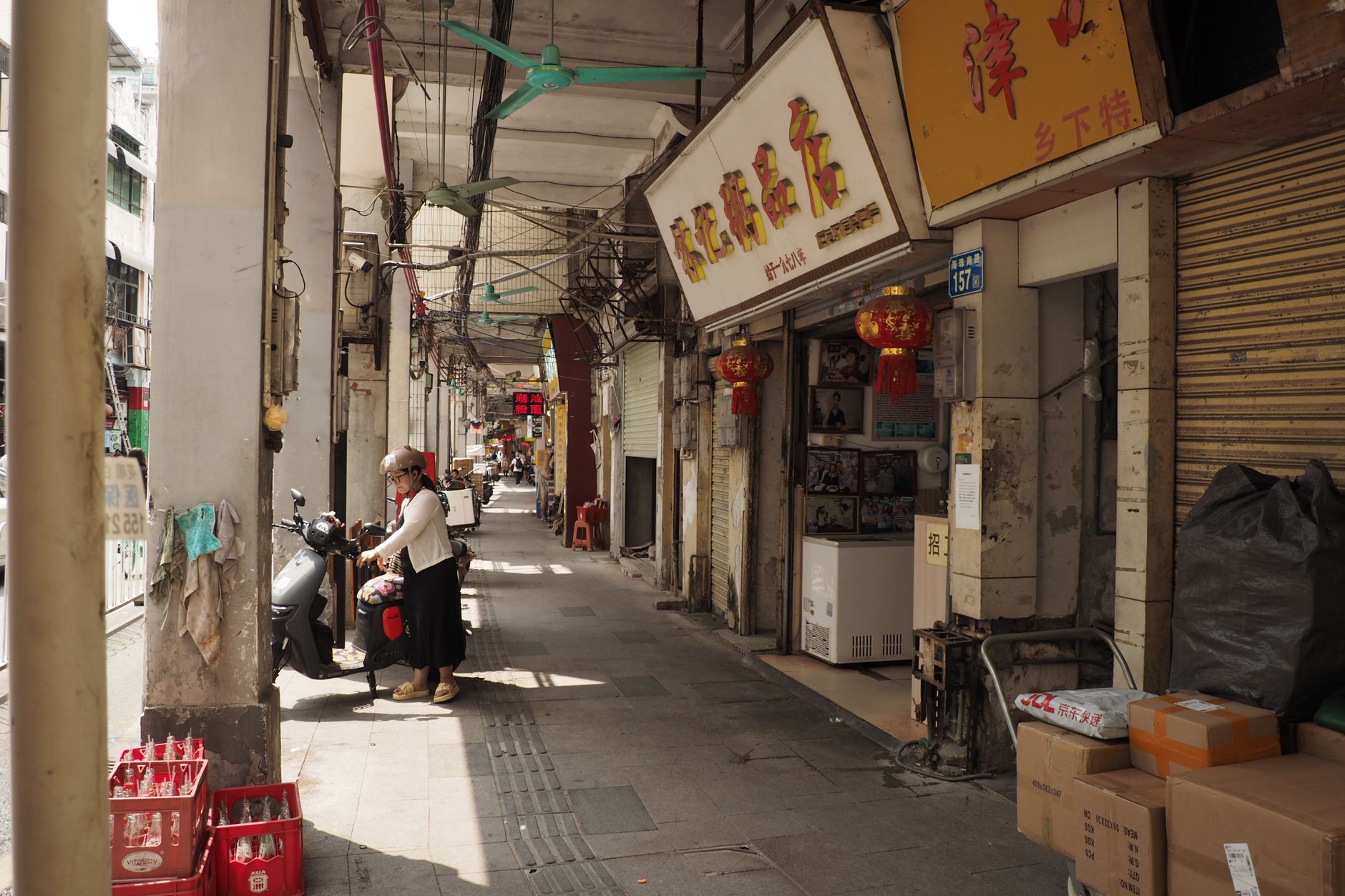
Most Chinese people do not cook breakfast at home on weekdays, instead buying food from street stalls or small neighborhood eateries on their way to work or school.
The best places to find authentic local breakfast are near residential compounds, subway entrances, primary and secondary schools, and morning wet markets. Stalls in these areas cater to local regulars, so prices are low and food is fresh. Tourist districts often serve overpriced, less authentic versions of local dishes, or focus exclusively on Western breakfast options for international visitors.
As of November 2026, most street breakfast stalls open between 5:30 and 7 AM, and close by 10–11 AM on weekdays, when the morning rush ends. Weekend dim sum restaurants and some neighborhood eateries may serve breakfast until 2 PM or later. Always confirm opening times locally, as stall hours can change seasonally or without notice.
Practical Tips for First-Time Visitors
These tips will help you order breakfast smoothly and avoid common pitfalls as a first-time traveler to China.
- Payment: Most street stalls and small breakfast shops prefer mobile payment via Alipay or WeChat Pay. As of November 2026, international visitors can link foreign Visa or Mastercard credit cards to Alipay for purchases under a 200 RMB per transaction limit, but some smaller, family-run stalls may only accept cash. HXXC Travel provides step-by-step mobile payment setup assistance for all guests on its guided tours.
- Etiquette: Tipping is never expected at breakfast stalls or casual eateries. Many street stalls have small plastic stools for counter seating, or you can eat while standing. Takeaway is standard, and most stalls use disposable packaging for to-go orders at no extra cost.
- Food safety: Choose stalls with a steady stream of local customers, as high turnover ensures food is fresh and prepared regularly. Avoid stalls with cooked food sitting out uncovered for long periods, or stalls with no visible handwashing facilities for staff.
- Ordering: Most breakfast stalls display their items in glass cases or have picture menus, so pointing is a reliable way to order if you do not speak Mandarin. Learning a few basic phrases can make ordering easier: “yi ge” means “one piece”, “bu la” means “not spicy”, and “duo shao qian” means “how much”.
FAQ
Is Chinese breakfast usually spicy?
Most nationwide breakfast staples like youtiao, congee, and baozi are mild or savory, not spicy. Spicy breakfast dishes are mostly regional, such as Chongqing spicy noodles or Sichuan-style savory douhua. You can almost always request a non-spicy version by saying “bu la”.
Can I eat Chinese breakfast if I’m vegetarian?
Yes, many Chinese breakfast items are vegetarian or can be easily adapted. Plain congee, steamed vegetable or mushroom buns, sweet soybean milk, and jianbing without meat or egg are widely available across the country. In southern Chinese cities and Buddhist areas, dedicated vegetarian breakfast stalls are also common.
What time do most Chinese breakfast stalls close?
As of November 2026, most street breakfast stalls close between 10 and 11 AM on weekdays, as locals eat breakfast early before commuting to work. Some weekend stalls and sit-down dim sum restaurants stay open until 2 PM or later. Always check locally for exact hours, as they can vary by season and location.
Do I need cash to buy street breakfast in China?
Most stalls prefer mobile payment via Alipay or WeChat Pay, and some smaller stalls do not accept credit cards. As of November 2026, international visitors can use Alipay with a linked foreign credit card for small purchases, but it is wise to carry small denominations of RMB cash as a backup. HXXC Travel guests receive mobile payment setup support and local cash exchange tips on all tours.
Related private tours
- 7 Days Yunnan Classic Private Travel Itinerary — 7 days
- Six Cities, One China — 15-Day Family Circuit — 15 days
- Best Tour In China - 19 Days Trip — 19 days · From US$2,896